
Herramientas Esenciales Para El Manitas: Guía para profesionales del mantenimiento
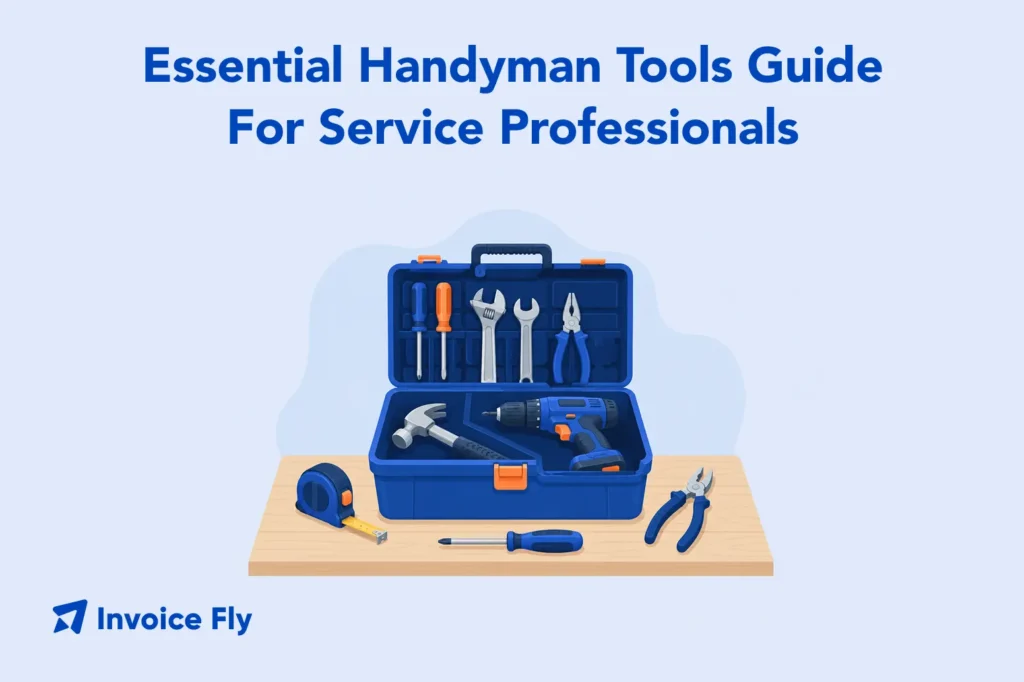
Tabla de contenidos
- ¿Cuáles son las herramientas de manitas más importantes?
- Cómo elegir las mejores herramientas como manitas
- Lista de herramientas de manitas
- Herramientas manuales básicas para todos los trabajos
- Herramientas eléctricas básicas
- Herramientas especializadas por tipo de trabajo
- Material de seguridad
- Construye un negocio de manitas más eficiente
- Preguntas frecuentes
Las herramientas de manitas son las herramientas manuales, eléctricas y de almacenamiento esenciales que utilizan los profesionales para realizar trabajos de reparación, instalación y mantenimiento de forma segura y eficaz. Un buen kit de herramientas de manitas te ayuda a trabajar más rápido, a mantenerte organizado y a realizar una amplia gama de tareas de reparación doméstica sin retrasos.
Esta guía tratará sobre:
- Las herramientas de manitas más importantes
- Cómo elegir las herramientas adecuadas
- Bolsas, cinturones y cajas de herramientas esenciales
- Herramientas manuales y eléctricas básicas
- Herramientas especializadas por tipo de trabajo
- Material de seguridad que todo manitas necesita
- Preguntas frecuentes sobre herramientas de manitas
¿Cuáles son las herramientas de manitas más importantes?
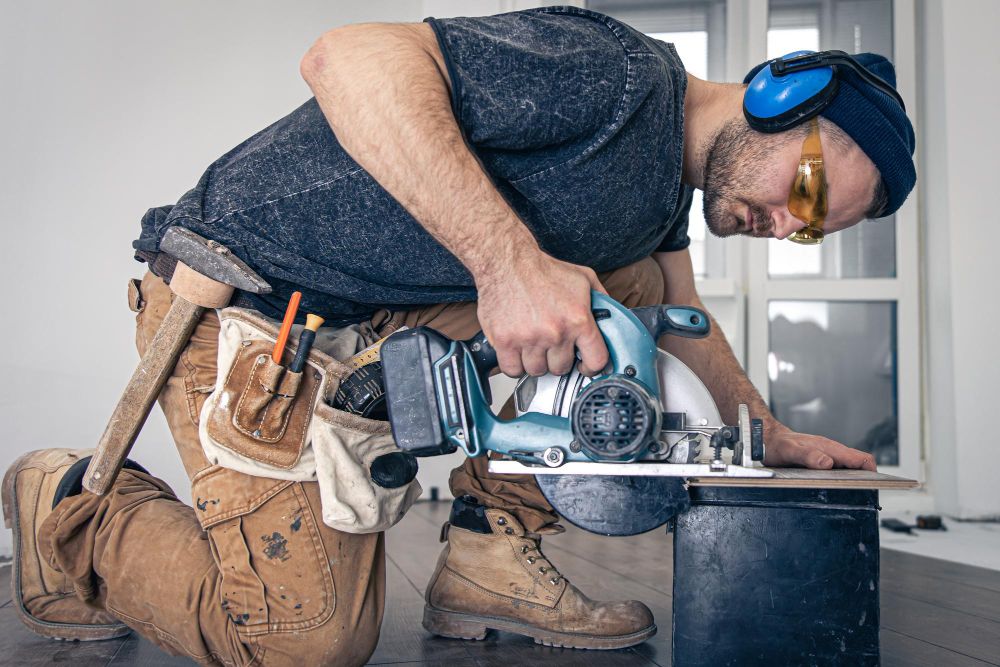
Todo manitas necesita un conjunto básico de herramientas que sirva para múltiples trabajos.
Un taladro inalámbrico suele ser la herramienta más utilizada, porque realiza instalaciones, reparaciones y trabajos de montaje con rapidez.
La mayoría de los profesionales también llevan:
- Cinta métrica
- Martillo
- Juego de destornilladores
- Cuchillo multiusos
- Llave ajustable
- Alicates
- Nivel
- Linterna
Estas herramientas cubren un gran porcentaje de las tareas cotidianas de reparación.
Por ejemplo, montar un televisor puede requerir un taladro, un localizador de espárragos, un nivel, una cinta métrica y un juego de llaves de vaso en los primeros minutos.
Por eso la versatilidad importa más que poseer docenas de herramientas especializadas desde el principio.
Las herramientas baratas suelen desgastarse rápidamente con el uso diario. Un kit de taladro para contratistas puede costar alrededor de $200, pero las baterías más potentes y los mejores motores suelen durar mucho más.
Muchos profesionales también confían en las bolsas o cinturones de herramientas compactos para tener cerca sus herramientas más utilizadas durante las llamadas de servicio.
Si estás creando tu empresa desde cero, aprender cómo montar un negocio de manitas puede ayudarte a elegir los servicios y equipos adecuados desde el principio.
Cómo elegir las mejores herramientas como manitas
Las mejores herramientas de manitas dependen del tipo de trabajo que realices con más frecuencia.
Un manitas que se dedique a reparar apartamentos necesita un equipo distinto al de alguien que construya terrazas o remodele cuartos de baño.
Empieza con herramientas versátiles que sirvan para varios tipos de trabajo.
Una multiherramienta oscilante, por ejemplo, puede:
- Cortar paneles de yeso
- Elimina la lechada
- Madera de corte
- Raspa la masilla
- Esquinas de arena
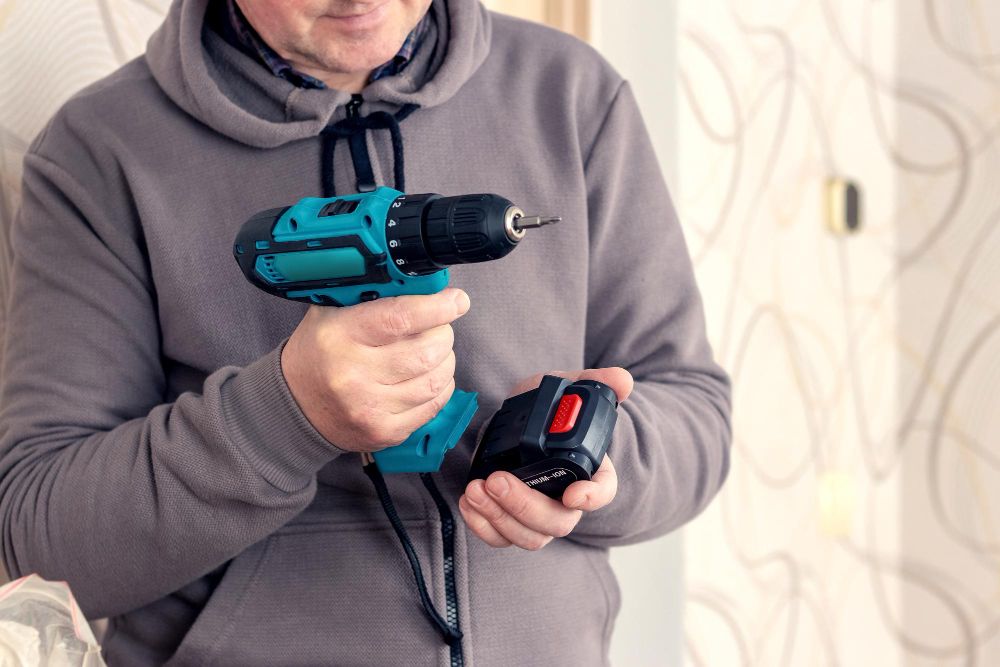
La compatibilidad de las baterías es otro factor importante. Muchos profesionales se quedan con una sola marca de herramienta para que las baterías funcionen con todos los taladros, sierras, luces y atornilladores de impacto. Esto reduce el desorden en la carga y disminuye los costes de sustitución.
El peso también importa. Las herramientas pesadas agotan rápidamente durante largas jornadas de trabajo en escaleras o instalaciones aéreas. Las herramientas ligeras con empuñaduras cómodas reducen la fatiga y mejoran el control.
La mayoría de los manitas de éxito construyen sus colecciones gradualmente en lugar de comprarlo todo de golpe.
Los profesionales que realizan varios trabajos a la semana suelen utilizar un plantilla de factura de manitas gratis para facturar rápidamente a los clientes antes de abandonar la propiedad.
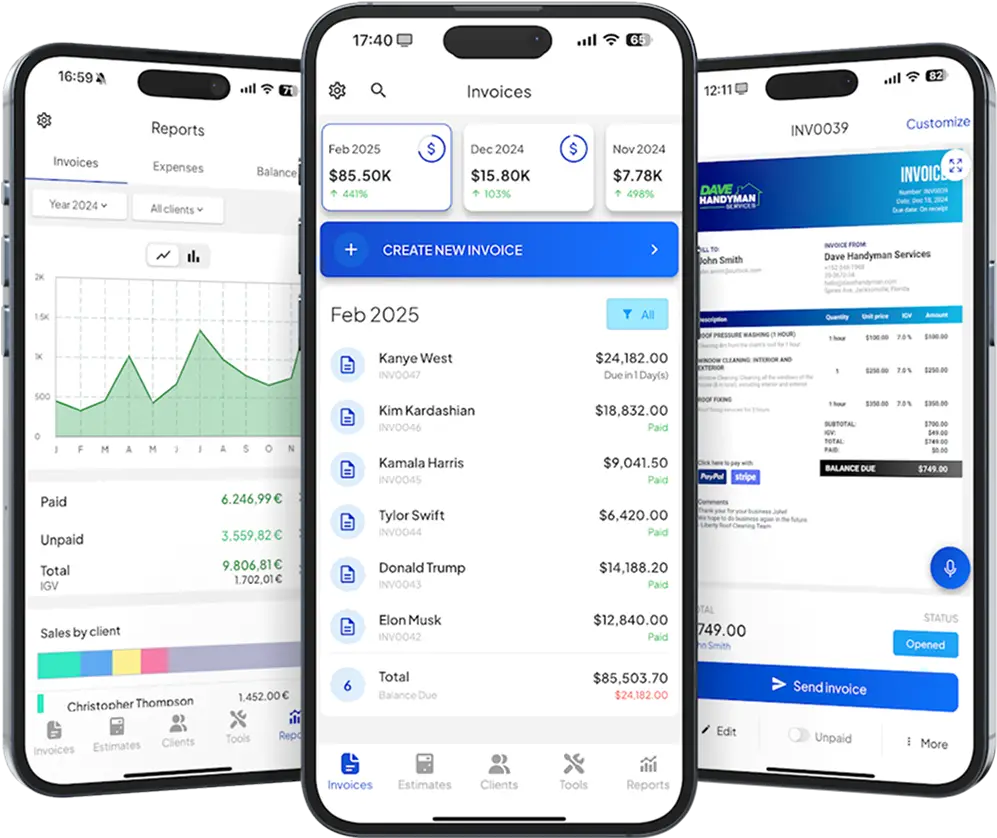
Muchas empresas en crecimiento también utilizan software para un manitas para organizar presupuestos, facturas, calendarios y la comunicación con los clientes.
Lista de herramientas de manitas
Visión general del kit de herramientas de manitas
Un kit de herramientas de manitas profesional debería servir para la mayoría de los trabajos habituales de reparación e instalación.
La mayoría de los técnicos llevan:
- Taladro inalámbrico
- Destornillador de impacto
- Martillo
- Destornilladores
- Cinta métrica
- Alicates
- Cuchillo multiusos
- Juego de llaves de vaso
- Localizador de espárragos
- Linterna
- Multiherramienta
- Pistola de calafateo
- Gafas de seguridad
- Guantes de trabajo
Muchos profesionales guardan versiones duplicadas de herramientas más pequeñas, porque perder una cinta métrica o una navaja multiusos puede ralentizar toda una jornada.
Las herramientas fiables importan más que las características llamativas. Los clientes también se dan cuenta cuando los técnicos trabajan de forma eficiente y organizada.
Revisar los comunes servicios de mantenimiento puede ayudarte a decidir qué herramientas merecen prioridad.
Software para manitas
Llevar un negocio de manitas implica algo más que llevar herramientas: la programación, las facturas, los presupuestos y la comunicación con los clientes requieren tiempo.
Muchos contratistas gestionan ahora estas tareas directamente desde un teléfono o una tableta. En lugar de escribir facturas a mano, pueden enviar precios y solicitudes de pago antes de abandonar la obra.
Los sistemas digitales también ayudan a las empresas:
- Seguimiento de gastos
- Guardar fotos del trabajo
- Organizar facturas
- Almacenar información de clientes
- Programar visitas repetidas
Muchos contratistas utilizan un creador de facturas para crear facturas profesionales rápidamente tras finalizar los trabajos de reparación.
Los profesionales que manejan presupuestos in situ también se benefician de utilizar un generador de facturas gratis crear documentación para los clientes antes de que empiece el trabajo.
Bolsa de herramientas de manitas
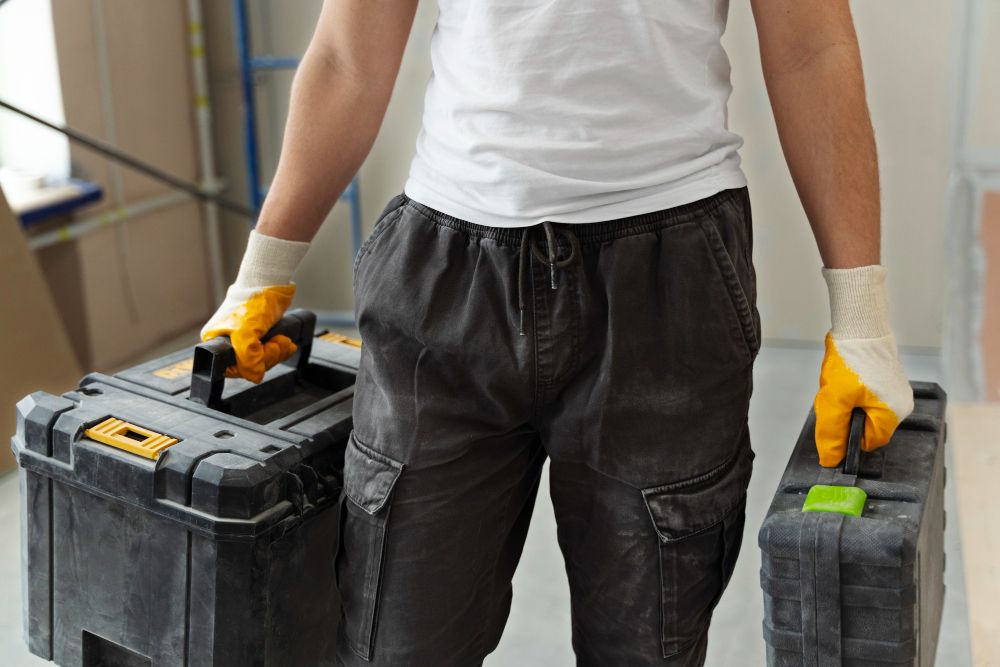
Una bolsa de herramientas de manitas ofrece a los profesionales un acceso rápido a las herramientas de uso frecuente.
Las bolsas blandas funcionan especialmente bien para las reparaciones en apartamentos y las llamadas de servicio, porque son ligeras y fáciles de transportar.
La mejor bolsa de herramientas de manitas suele incluir:
- Asas reforzadas
- Base impermeable
- Múltiples compartimentos
- Cremalleras resistentes
Muchos manitas organizan bolsas separadas para los trabajos de fontanería, electricidad o pintura, para que los montajes sean más ligeros y fáciles de manejar.
La mayoría de las bolsas de herramientas de calidad cuestan entre $50 y $200, dependiendo de la durabilidad y el espacio de almacenamiento.
Cinturón de herramientas de manitas
Un cinturón de herramientas de manitas mantiene las herramientas esenciales al alcance de la mano durante el trabajo activo.
Esto resulta especialmente útil durante el trabajo con escaleras o en instalaciones en las que los viajes repetidos a la caja de herramientas hacen perder tiempo.
La mayoría de los cinturones de herramientas profesionales incluyen
- Bucle de martillo
- Portacintas
- Bolsas de cierre
- Ranuras para destornilladores
Por ejemplo, un manitas que instale lámparas de techo puede llevar tornillos, destornilladores y conectores de cables directamente en la cinta, en lugar de bajar repetidamente.
Muchos profesionales llevan sólo las herramientas necesarias para la tarea actual, para reducir la tensión durante las largas jornadas de trabajo.
La mejor multiherramienta para un manitas
Una multiherramienta oscilante es uno de los complementos más versátiles de un kit de herramientas de manitas.
Los profesionales suelen utilizarlas para:
- Cortar paneles de yeso
- Eliminar la lechada
- Recortar las jambas de las puertas
- Raspado de masilla
- Lijado de esquinas
La mayor ventaja es el acceso a espacios reducidos donde no caben sierras más grandes.
Las versiones inalámbricas mejoran la movilidad y reducen el desorden de cables alargadores dentro de las viviendas ocupadas.
La mayoría de los kits multiherramienta de calidad oscilan entre $120 y $300, dependiendo de los accesorios y la plataforma de la batería.
Herramientas manuales básicas para todos los trabajos
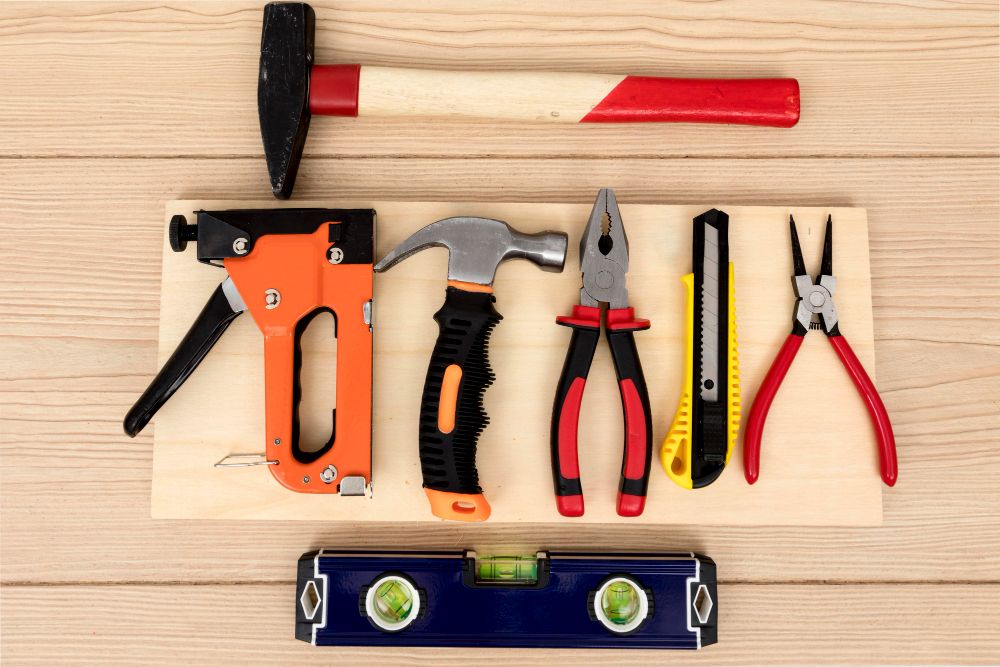
Las herramientas manuales siguen siendo esenciales incluso con los modernos equipos inalámbricos.
Entre las herramientas manuales básicas se incluyen:
- Martillo de uña
- Juego de destornilladores
- Llave ajustable
- Alicates de punta
- Alicates de bloqueo de canal
- Cinta métrica
- Cuchillo multiusos
- Espátula
- Palanca
Las cintas métricas se utilizan constantemente durante las instalaciones y reparaciones.
Las navajas multiusos sirven para todo, desde recortar paneles de yeso hasta cortar materiales para suelos.
Las cómodas empuñaduras y los diseños equilibrados también reducen la fatiga de las manos durante las largas jornadas de trabajo.
Según la Oficina de Estadísticas Laborales, los trabajadores de la reparación realizan regularmente una amplia variedad de tareas de mantenimiento, por lo que las herramientas manuales versátiles son especialmente valiosas.
Herramientas eléctricas básicas
Las herramientas eléctricas ayudan a los manitas a terminar los trabajos más rápidamente, reduciendo al mismo tiempo el esfuerzo físico.
Las herramientas eléctricas más comunes son
- Taladro inalámbrico
- Destornillador de impacto
- Sierra circular
- Rompecabezas
- Lijadora orbital
- Herramienta rotativa
- Aspiradora
- Luz de trabajo LED
Un taladro inalámbrico se convierte en la base de la mayoría de los kits de herramientas profesionales, porque se encarga de trabajos de taladrado, fijación y montaje en casi todas las categorías de servicio.
Los atornilladores de impacto son útiles para tareas de fijación más pesadas, como reparaciones de cubiertas y montaje de grandes accesorios.
Las luces de trabajo a pilas también mejoran la visibilidad en áticos, sótanos y cuartos de servicio oscuros.
Muchos contratistas utilizan un plantilla gratuita de presupuesto de manitas para ofrecer precios precisos antes de iniciar proyectos de reparación de mayor envergadura.
Herramientas especializadas por tipo de trabajo
A medida que crecen los negocios de manitas, las herramientas especializadas se vuelven más importantes.
Los trabajos de fontanería pueden requerir:
- Llave de tubo
- Llave de cuenca
- Cortatubos
- Serpiente de drenaje
Los trabajos eléctricos suelen requerir:
- Comprobador de tensión
- Pelacables
- Multímetro
- Cinta de pescado
Los proyectos de carpintería pueden incluir:
- Clavadora
- Sierra ingletadora
- Abrazaderas
- Cinceles para madera
Un manitas especializado en remodelar cuartos de baño, por ejemplo, puede invertir mucho en sierras para azulejos, equipos de fontanería y herramientas para detectar la humedad.
Comprar equipo especializado gradualmente suele ser el 1TP16Enfoque más inteligente.
Comprender cómo fijar el precio de los trabajos de manitas también ayuda a las empresas a recuperar los costes de los equipos sin cobrar de menos a los clientes.
Si estás planificando un crecimiento a largo plazo, el aprendizaje cómo montar un negocio de manitas puede ayudarte a construir sistemas más sólidos junto a tu creciente colección de herramientas.
Material de seguridad
Los equipos de seguridad protegen a los manitas de las lesiones habituales en el lugar de trabajo y de los problemas de salud a largo plazo.
Todo profesional debe llevarlo:
- Gafas de seguridad
- Guantes de trabajo
- Protección auditiva
- Máscaras antipolvo
- Respiradores
- Rodilleras
- Botas con puntera de acero
Por ejemplo, cortar baldosas o paneles de yeso sin la protección respiratoria adecuada puede exponer a los trabajadores a partículas de polvo nocivas.
Las rodilleras son otra inversión que merece la pena para trabajos de solado, reparaciones de fontanería e instalaciones a baja altura.
El mejor consejo: Hacienda permite que muchas herramientas y suministros relacionados con la empresa puedan considerarse gastos deducibles cuando se utilizan con fines laborales.
Construye un negocio de manitas más eficiente
Las mejores herramientas de manitas ayudan a los profesionales a trabajar más rápido, mantenerse organizados y ofrecer mejores resultados a los clientes. La mayoría de las empresas de éxito empiezan con herramientas básicas fiables y, con el tiempo, se van ampliando poco a poco con equipos especializados. A medida que crece tu volumen de trabajo, la gestión de las facturas, la programación, los presupuestos y la comunicación con los clientes se vuelve tan importante como las propias herramientas. Utilizando software para un manitas puede ayudar a mantener organizados los trabajos, mejorando al mismo tiempo el flujo de trabajo diario.