
Qué es la pintura: Explicado para Contratistas y Empresarios

Tabla de contenidos
La pintura en la construcción es el proceso de preparar y revestir las superficies de los edificios con sistemas de pintura protectores y decorativos. Además de añadir color, la pintura para la construcción ayuda a proteger los materiales de la humedad, la exposición a los rayos UV, el desgaste y los daños ambientales, al tiempo que da a los edificios su appearance acabado.
También mejora la durabilidad y puede prolongar la vida útil de las superficies al reducir problemas como la corrosión, la aparición de moho y el deterioro. Tanto si se trata de una vivienda residencial, un edificio de oficinas o unas instalaciones comerciales, la pintura suele ser uno de los pasos finales que completan un proyecto de construcción antes de su finalización.
Entender la pintura en la construcción ayuda a contratistas, apprentices y empresarios a obtener mejores resultados en los proyectos.
Comprender la pintura en la construcción

La pintura en la construcción consiste en 1TP16Poner revestimientos protectores y decorativos a las superficies de los edificios. Aunque mucha gente piensa que pintar significa simplemente dar color a las paredes, el proceso implica planificación, preparación, selección de materiales y técnicas precisas de appaplicación.
La pintura de construcción cumple varias funciones importantes:
- Protección contra daños por humedad
- Prevención de la oxidación y la corrosión
- Proteger las superficies de la exposición a los rayos UV
- Mayor durabilidad del material
- Mejora appearance
- Resistente al moho
Por ejemplo, el revestimiento exterior de un edificio comercial está expuesto constantemente a la luz solar, la lluvia, el viento y los cambios estacionales de temperatura. Sin un revestimiento adecuado, los materiales se deterioran mucho más rápido. La pintura actúa como una barrera protectora que prolonga la vida útil del edificio.
Los contratistas de pintura suelen trabajar en:
- Paredes y techos interiores
- Revestimiento exterior
- Puertas y molduras
- Superficies de hormigón
- Estructuras metálicas
- Instalaciones industriales
El proceso también implica elegir productos diseñados para entornos específicos. El revestimiento del suelo de un almacén requiere propiedades diferentes a las de la pintura interior para tabiquería seca.
La pintura en la construcción suele ser una de las últimas fases importantes del proyecto. Una vez finalizados los trabajos de armazón, electricidad, fontanería e instalación de paneles de yeso, los pintores preparan las superficies y apply los revestimientos que crean el acabado appearance que esperan los clientes.
Los contratistas que planean ampliar sus servicios pueden beneficiarse de comprender el proceso de crear una empresa de pintura y la construcción de sistemas en una fase temprana.

Tipos de pintura
Diferentes superficies requieren diferentes productos de pintura. Los contratistas eligen los materiales en función de las condiciones ambientales, los requisitos de durabilidad y el tipo de superficie.
Pintura al agua (látex/acrílica)
Las pinturas al agua se secan rápidamente y son de los productos más utilizados para pintar interiores de construcción.
Los beneficios incluyen:
- Tiempos de secado más rápidos
- Limpieza más fácil
- Niveles de olor más bajos
- Fuerte retención del color
Por ejemplo, los nuevos proyectos residenciales de tabiquería seca suelen utilizar pinturas de látex acrílico porque crean acabados lisos y permiten a los pintores trabajar con rapidez.
Pintura al óleo
La pintura al aceite crea un acabado más duro y suele funcionar mejor en zonas expuestas a un contacto repetido.
Los usos más comunes son:
- Puertas
- Recorte
- Barandillas metálicas
- Armarios
- Superficies de alto desgaste
Por ejemplo, las barandillas de escaleras comerciales suelen recibir revestimientos de esmalte al aceite porque resisten los arañazos y el uso repetido.
Recubrimientos especiales
Algunos proyectos de construcción requieren sistemas especiales.
Algunos ejemplos son:
- Revestimientos epoxídicos para suelos
- Pintura resistente al calor
- Selladores impermeables
- Recubrimientos anticorrosión
- Pinturas resistentes al moho
Los edificios industriales y las instalaciones de fabricación suelen depender de estos productos especializados.
Elegir materiales incorrectos suele provocar descascarillados, grietas o fallos de adherencia.
Los contratistas que calculan las necesidades de material a menudo mejoran la precisión utilizando métodos organizados presupuesto de pintura sistemas antes de empezar a trabajar.
¿Qué es el proceso de pintura de construcción?

La pintura de construcción sigue una secuencia diseñada para maximizar la durabilidad y el appearance. Saltarse pasos suele dar lugar a repeticiones y quejas de los clientes.
Preparación de la superficie antes de pintar
La preparación de la superficie suele determinar el éxito o el fracaso de un proyecto de pintura. Los pintores profesionales suelen dedicar más tiempo a preparar las superficies que a aplicar la pintura.
La preparación incluye:
- Limpieza
- Elimina el polvo, la suciedad, la grasa, los aceites y la pintura suelta.
- El lavado a presión suele preparar las superficies exteriores.
- Reparando
- Rellena los agujeros de clavos
- Reparar daños en paneles de yeso
- Sella las grietas
- Lija las asperezas
- Sustituye las molduras dañadas
- Cebado
- Manchas de la cubierta
- Preparar paneles de yeso frescos
- Transición de colores oscuros a claros
- Mejora la adherencia de la pintura
Por ejemplo, los paneles de yeso recién instalados suelen absorber la pintura de forma desigual sin imprimación. Muchos contratistas de pintura creen que la preparación es responsable de la mayor parte del rendimiento de la pintura a largo plazo.
Los contratistas pueden simplificar la estimación y la planificación utilizando un plantilla gratuita de presupuesto de pintura antes de que empiecen los trabajos.
¿Necesitas una forma más sencilla de organizar la facturación de los clientes y el papeleo de los proyectos? Acelera tu flujo de trabajo con nuestro creador de facturas y hacer que los trabajos de pintura pasen del presupuesto al pago.
Pintura applicación
Una vez terminada la preparación, los pintores comienzan la applicación.
- Elegir herramientas
- Rodillos
- Cepillos
- Pulverizadores sin aire
- Alargaderas
- Pinceles de detalle
Las paredes de los grandes almacenes suelen requerir pulverizadores para mayor rapidez, mientras que los trabajos en las molduras suelen requerir cepillos.
La selección de herramientas afecta:
- Calidad de acabado
- Tiempo de trabajo
- Uso del material
- Velocidad de producción
Los pintores que mejoran la eficacia del flujo de trabajo a menudo revisan lo esencial herramientas de pintura utilizados en toda la industria.
- Aplicación de la pintura
- Aplica capas finas
- Mantén los bordes húmedos
- Sigue los programas de secado
- Trabaja sistemáticamente
La mayoría de los contratistas apply dos capas de acabado sobre superficies debidamente imprimadas. Por ejemplo, cambiar una habitación gris oscuro a blanco brillante suele requerir imprimación más varias capas de acabado.
Toques finales
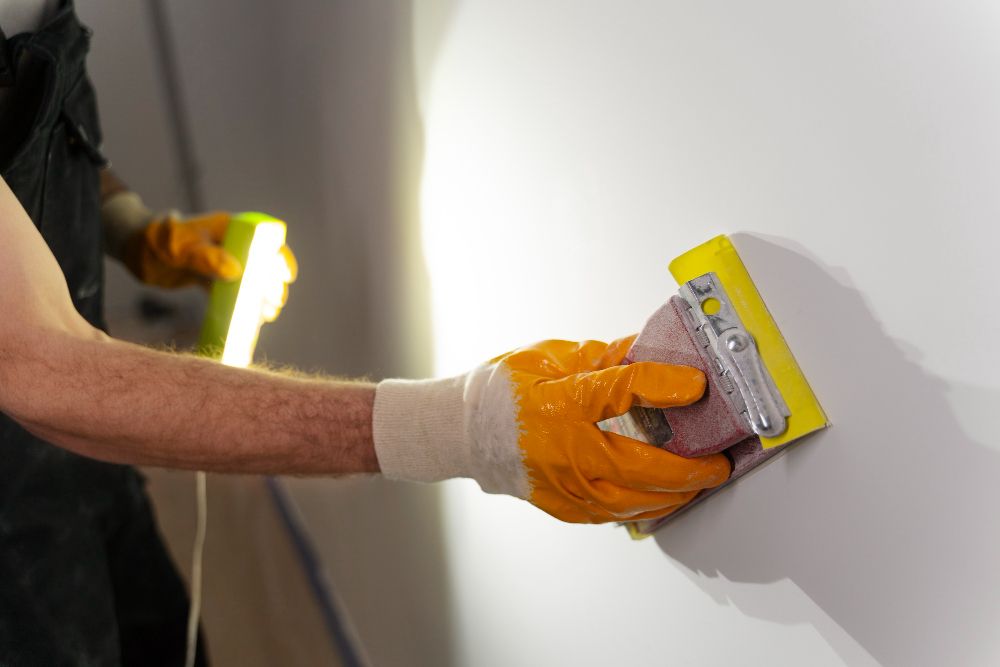
El trabajo de acabado separa los resultados medios del trabajo profesional.
- Retoques
- Inspecciona las marcas de los rodillos
- Arregla los puntos perdidos
- Goteos correctos
- Dirección cobertura escasa
- Limpieza
- Retira la cinta
- Quita las cubiertas de plástico
- Elimina los residuos de pintura
- Almacenar material
- Inspección
- Revisar la consistencia de la superficie
- Comprueba la precisión del color
- Verificar la calidad del acabado
- Inspecciona los detalles de los bordes
Una iluminación intensa suele revelar problemas que se pasaron por alto durante la applicación inicial.
Consideraciones especiales para la pintura
Algunos entornos requieren una planificación adicional.
- Pintar zonas muy húmedas
- Utiliza pinturas resistentes al moho
- Aplica imprimaciones resistentes al moho
- Utiliza revestimientos resistentes a la humedad
Los baños y lavaderos suelen necesitar productos especializados para evitar que se descascarillen y se forme moho.
- Pintar zonas muy transitadas
- Elige acabados lavables
- Utiliza revestimientos satinados o semibrillantes
- Priorizar la durabilidad
Las escuelas y los hospitales suelen utilizar revestimientos más resistentes porque las superficies sufren un desgaste frecuente.
- Pintura y medio ambiente
- Utiliza productos con bajo contenido en COV
- Sigue los requisitos de ventilación
- Realiza evaluaciones de riesgos adecuadas
Según la OSHA, los pintores deben seguir normas de seguridad que impliquen ventilación y exposición química.
Los contratistas que planifiquen un crecimiento a largo plazo también pueden obtener más información sobre crear una empresa de pintura y construir sistemas más sólidos.
Errores comunes de pintura que debes evitar

Los errores de pintura aumentan los costes de mano de obra y crean repeticiones innecesarias.
Los errores más comunes son:
- Saltarse la preparación
- Ignorar la imprimación
- Aplicar capas gruesas
- Pintar con mal tiempo
- Ignorar los tiempos de secado
- Elegir productos incorrectos
- No proteger las superficies cercanas
Por ejemplo, la pintura exterior realizada durante una humedad excesiva suele crear problemas de adherencia.
Otro error común es apresurar los plazos del proyecto. A veces, los contratistas empiezan a pintar antes de que los paneles de yeso estén completamente curados.
Según la NAHB, los pintores siguen siendo un comercio importante tanto en la construcción residencial como en la comercial.
Los equipos que mejoran las operaciones a menudo se benefician de aprender más sobre cómo convertirse en un profesional contratista de pintura.
Gestiona los trabajos de pintura con más eficacia
Pintar en la construcción implica algo más que dar color a las paredes. Combina la preparación, la selección de materiales, la protección de la superficie y técnicas de applicación hábiles diseñadas para mejorar tanto el appearance como la durabilidad.
Tanto si pintan viviendas residenciales como edificios comerciales o instalaciones industriales, los contratistas confían en los sistemas de pintura para proteger las superficies de la exposición a la intemperie y el desgaste a largo plazo.
Una preparación, applicación e inspección adecuadas contribuyen a unos resultados más sólidos del proyecto.
Utilizando software para contratistas de pintura ayuda a mantener los proyectos organizados desde el primer contacto con el cliente hasta el pago final.
Los equipos en crecimiento también pueden simplificar el papeleo con un plantilla de factura de pintura gratuita y crear flujos de trabajo más coherentes.