What Is Painting: Explained For Contractors & Business Owners

Table of Contents
Painting in construction is the process of preparing and coating building surfaces with protective and decorative paint systems. Beyond adding color, construction painting helps shield materials from moisture, UV exposure, wear, and environmental damage while giving buildings their finished appearance.
It also improves durability and can extend the lifespan of surfaces by reducing issues like corrosion, mold growth, and deterioration. Whether the project involves a residential home, office building, or commercial facility, painting is often one of the final steps that brings a construction project together before completion.
Understanding painting in construction helps contractors, apprentices, and business owners deliver better project results.
Understanding painting in construction

Painting in construction refers to applying protective and decorative coatings to building surfaces. While many people think painting simply means adding color to walls, the process involves planning, preparation, material selection, and precise application techniques.
Construction painting serves several important functions:
- Protection against moisture damage
- Prevention of rust and corrosion
- Shielding surfaces from UV exposure
- Increased material durability
- Improved appearance
- Mold and mildew resistance
For example, exterior siding on a commercial building experiences constant exposure to sunlight, rain, wind, and seasonal temperature changes. Without proper coatings, materials deteriorate much faster. Paint acts as a protective barrier that extends the lifespan of the building.
Painting contractors commonly work on:
- Interior walls and ceilings
- Exterior siding
- Doors and trim
- Concrete surfaces
- Metal structures
- Industrial facilities
The process also involves choosing products designed for specific environments. A warehouse floor coating requires different properties than interior drywall paint.
Construction painting often becomes one of the last major project phases. Once framing, electrical work, plumbing, and drywall installation are complete, painters prepare surfaces and apply coatings that create the finished appearance clients expect.
Contractors planning to grow their services can benefit from understanding the process of starting a painting business and building systems early.

Types of paint
Different surfaces require different paint products. Contractors choose materials based on environmental conditions, durability requirements, and surface type.
Water-based paint (latex/acrylic)
Water-based paints dry quickly and are among the most common products used for interior construction painting.
Benefits include:
- Faster drying times
- Easier cleanup
- Lower odor levels
- Strong color retention
For example, new residential drywall projects frequently use acrylic latex paints because they create smooth finishes and allow painters to work quickly.
Oil-based paint
Oil-based paint creates a harder finish and often performs better in areas exposed to repeated contact.
Common uses include:
- Doors
- Trim
- Metal railings
- Cabinets
- High-wear surfaces
For example, commercial stair railings often receive oil-based enamel coatings because they resist scratches and repeated use.
Specialty coatings
Some construction projects require specialty systems.
Examples include:
- Epoxy floor coatings
- Heat-resistant paint
- Waterproof sealants
- Anti-corrosion coatings
- Mold-resistant paints
Industrial buildings and manufacturing facilities often rely on these specialized products.
Choosing incorrect materials frequently causes peeling, cracking, or adhesion failures.
Contractors estimating material needs often improve accuracy by using organized painting quotation systems before work begins.
What is the construction painting process?

Construction painting follows a sequence designed to maximize durability and appearance. Skipping steps usually leads to rework and customer complaints.
Surface preparation before painting
Surface preparation often determines whether a paint project succeeds or fails. Professional painters commonly spend more time preparing surfaces than applying paint.
Preparation includes:
- Cleaning
- Remove dust, dirt, grease, oils, and loose paint.
- Pressure washing often prepares exterior surfaces.
- Repairing
- Fill nail holes
- Repair drywall damage
- Seal cracks
- Sand rough spots
- Replace damaged trim
- Priming
- Cover stains
- Prepare fresh drywall
- Transition from dark to light colors
- Improve paint adhesion
For example, freshly installed drywall often absorbs paint unevenly without primer. Many painting contractors believe preparation is responsible for most long-term paint performance.
Contractors can simplify estimating and planning using a free painting estimate template before jobs begin.
Need a simpler way to organize customer billing and project paperwork? Speed up your workflow with our invoice maker and keep painting jobs moving from estimate to payment.
Painting application
After preparation is complete, painters begin application.
- Choosing tools
- Rollers
- Brushes
- Airless sprayers
- Extension poles
- Detail brushes
Large warehouse walls often require sprayers for speed, while trim work usually requires brushes.
Tool selection affects:
- Finish quality
- Labor time
- Material usage
- Production speed
Painters improving workflow efficiency often review essential painting tools used throughout the industry.
- Applying the paint
- Apply thin coats
- Maintain wet edges
- Follow drying schedules
- Work systematically
Most contractors apply two finish coats over properly primed surfaces. For example, changing a dark gray room to bright white often requires primer plus multiple finish coats.
Finishing touches
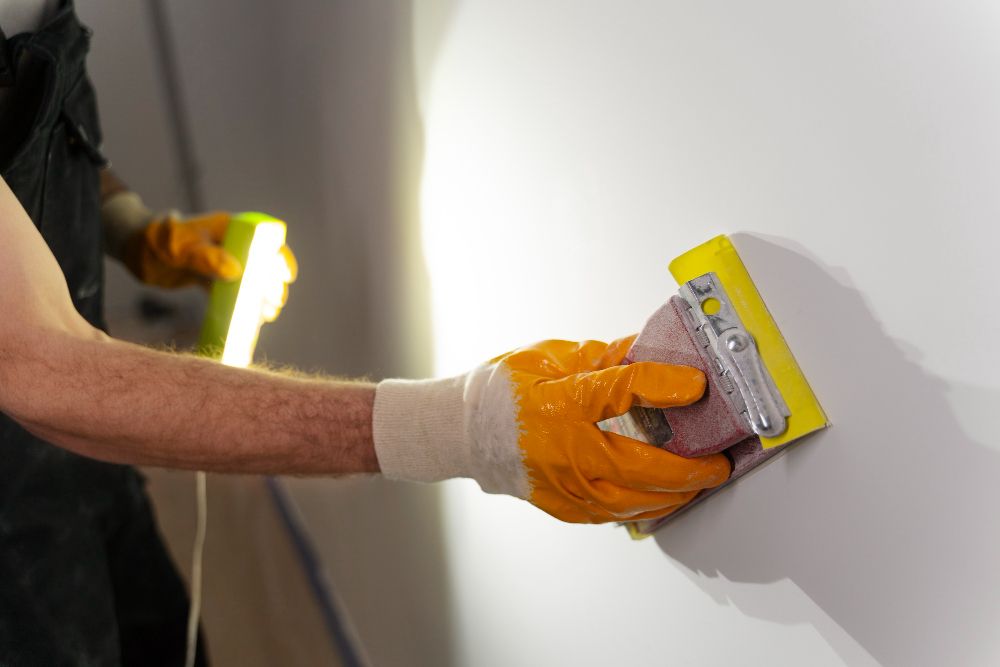
Finishing work separates average results from professional work.
- Touch-ups
- Inspect roller marks
- Fix missed spots
- Correct drips
- Address thin coverage
- Cleaning up
- Remove tape
- Remove plastic coverings
- Dispose of paint waste
- Store equipment
- Inspection
- Review surface consistency
- Check color accuracy
- Verify finish quality
- Inspect edge details
Strong lighting frequently reveals issues missed during initial application.
Special considerations for painting
Some environments require additional planning.
- Painting high humidity areas
- Use mold-resistant paints
- Apply mildew-resistant primers
- Use moisture-resistant coatings
Bathrooms and laundry rooms often need specialized products to prevent peeling and mold growth.
- Painting high-traffic areas
- Choose washable finishes
- Use satin or semi-gloss coatings
- Prioritize durability
Schools and hospitals commonly use stronger coatings because surfaces experience frequent wear.
- Painting and environmental concerns
- Use low-VOC products
- Follow ventilation requirements
- Conduct proper risk assessments
According to OSHA, painters should follow safety standards involving ventilation and chemical exposure.
Contractors planning long-term growth can also learn more about starting a painting business and building stronger systems.
Common painting mistakes to avoid
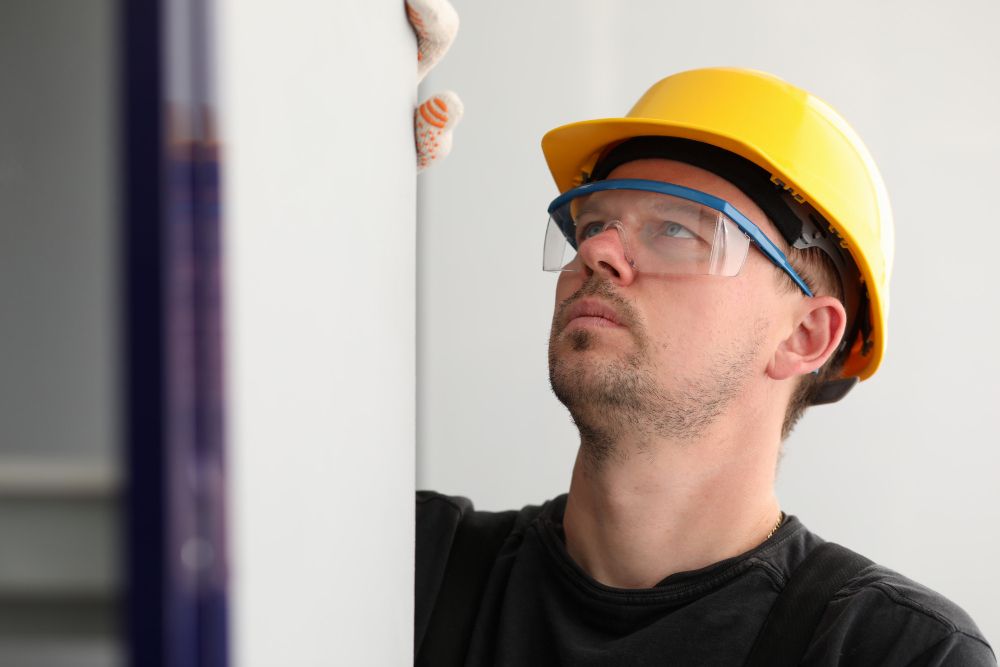
Painting mistakes increase labor costs and create unnecessary rework.
Common mistakes include:
- Skipping preparation
- Ignoring primer
- Applying thick coats
- Painting during poor weather
- Ignoring drying times
- Choosing incorrect products
- Failing to protect nearby surfaces
For example, exterior painting completed during excessive humidity often creates adhesion problems.
Another common mistake involves rushing project schedules. Contractors sometimes begin painting before drywall fully cures.
According to NAHB, painters remain an important trade in both residential and commercial construction.
Teams improving operations often benefit from learning more about becoming a professional painting contractor.
Manage painting jobs more efficiently
Painting in construction involves more than adding color to walls. It combines preparation, material selection, surface protection, and skilled application techniques designed to improve both appearance and durability.
Whether painting residential homes, commercial buildings, or industrial facilities, contractors rely on paint systems to protect surfaces from weather exposure and long-term wear.
Proper preparation, application, and inspection all contribute to stronger project outcomes.
Using painting contractor software helps keep projects organized from first customer contact through final payment.
Growing teams can also simplify paperwork with a free painting invoice template and create more consistent workflows.