Pest control website: How to Build One That Gets Leads
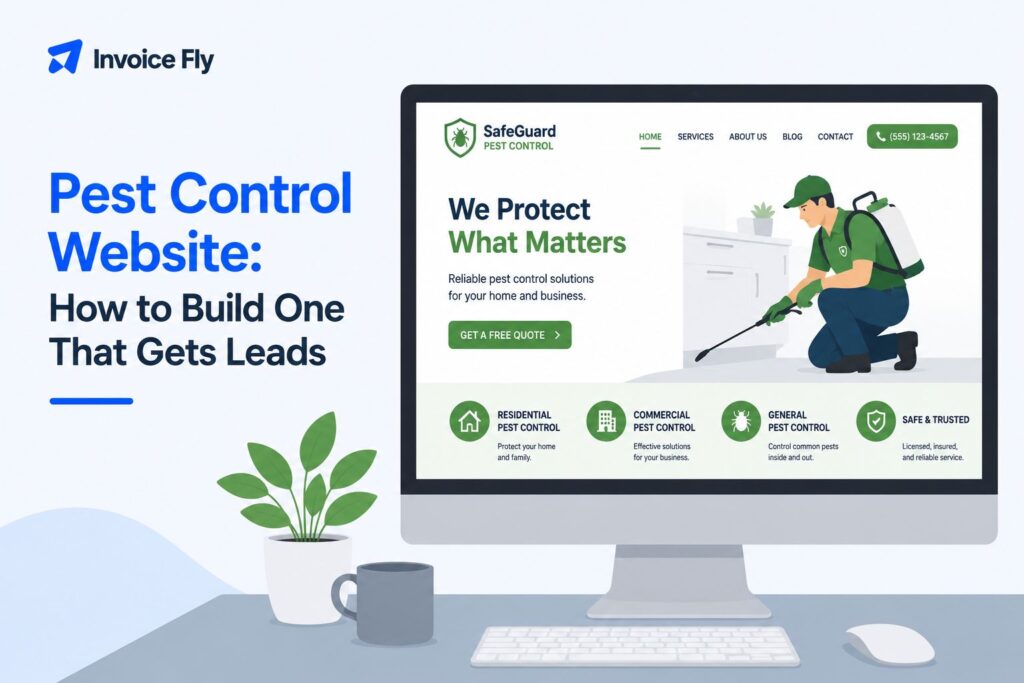
Table of Contents
A pest control website helps potential customers find your business, understand your services, and request a quote before contacting a competitor. A well-designed website builds trust, improves your visibility in search engines, and turns visitors into paying customers with clear calls to action, service pages, and contact options.
This guide covers:
- Why every pest control business needs a website
- The most important pages to include
- Pest control website design tips
- Examples of effective pest control websites
- What to do after launching your website
Why you need a pest control website

For many customers, your website is the first impression of your business. Before calling, they want to know what pests you treat, where you operate, how much your services cost, and whether they can trust you.
Without a professional website, potential customers may choose a competitor who provides that information more clearly.
According to the Bureau of Labor Statistics, pest control remains an established occupation across the U.S., making a professional website an important way to stand out and attract new customers in a competitive market.
A pest control website can help you:
- Generate leads 24/7
- Rank in Google for local pest control searches
- Build credibility with reviews and certifications
- Showcase your services and service areas
- Answer common customer questions
- Make it easy to request inspections or quotes
Your website also becomes the foundation of your online marketing. Whether you’re investing in local SEO, Google Ads, or social media, every campaign should direct visitors to a website designed to convert them into customers.
If you’re starting a new company, our guide on how to start a pest control business walks through everything from licensing and insurance to pricing your services and attracting your first customers.
Most important pages for a pest control website
A good-looking website is a good start but it more importantly needs the right pages to answer customer questions and encourage them to book your services.
Homepage
Your homepage should immediately explain:
- What services you provide
- Which locations you serve
- Why customers should choose your business
- How visitors can contact you
Include a clear headline, trust signals such as certifications and reviews, and a prominent call-to-action like Request a Free Inspection or Get a Quote.
Service pages
Create separate pages for each service you offer instead of listing everything on one page.
Examples include:
- General pest control
- Ant control
- Bed bug treatment
- Rodent control
- Mosquito control
- Cockroach extermination
- Termite treatment
Individual service pages improve SEO and help customers quickly find the treatment they need. If you offer inspections, consider creating dedicated pages for pest control inspections and termite inspections to target those searches.
If you publish educational content alongside your service pages, make sure it reflects guidance from the EPA on safe pest control practices and pesticide use to help customers make informed decisions.
About page
Customers trust local businesses with real people behind them.
Your About page should explain:
- Your experience
- Certifications and licenses
- Company values
- Areas you serve
- Team members
Adding photos of your technicians helps build credibility.
Reviews and testimonials
Positive reviews provide social proof and reassure customers they’re hiring a reputable company.
Include:
- Google reviews
- Before-and-after photos where appropriate
- Customer testimonials
- Case studies
Contact page
Make contacting your business as simple as possible.
Include:
- Phone number
- Email address
- Contact form
- Service area map
- Business hours
- Emergency contact information, if available
Adding click-to-call buttons is especially important since many pest control customers search from their phones.
Pest control website design tips
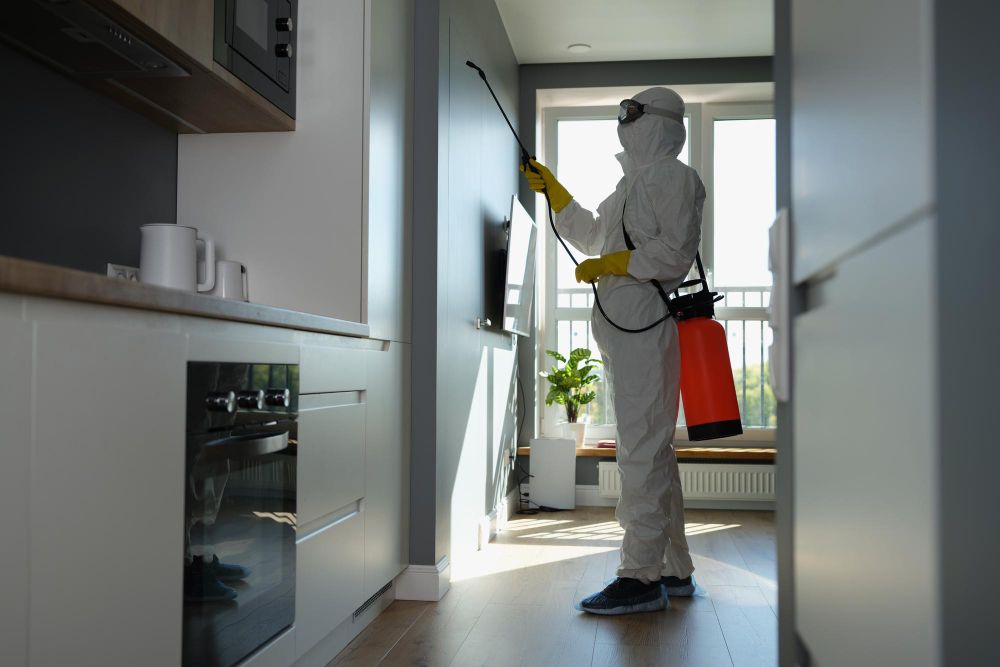
A professional design helps visitors trust your business and makes it easier for them to become customers. Your website should be simple to navigate, load quickly, and guide users toward requesting a quote or scheduling an inspection.
Use clear calls to action
Every page should encourage visitors to take the next step. Place call-to-action buttons throughout your website so customers don’t have to search for your contact information.
Examples include:
- Get a Free Quote
- Schedule an Inspection
- Call Now
- Book a Service
These buttons should appear near the top of each page and again after explaining your services as a pest control professional.
Make your website mobile-friendly
Many customers search for pest control services on their phones, often when they need immediate help. Your website should display properly on mobile devices with readable text, fast loading times, and buttons that are easy to tap.
Improve website speed
Slow websites increase the likelihood that visitors will leave before contacting your business.
You can improve loading speed by:
- Compressing images
- Removing unnecessary plugins
- Using reliable website hosting
- Limiting large animations and videos
- Enabling browser caching
Build trust with social proof
Customers want reassurance that they’re hiring an experienced company.
Include:
- Customer reviews
- Before-and-after photos
- Industry certifications
- Business awards
- Years of experience
- Guarantees or warranties
Membership in professional organizations such as the National Pest Management Association (NPMA) can also strengthen credibility and reassure potential customers that your business follows recognized industry standards.
Displaying these trust signals throughout your website can improve conversion rates.
Optimize for local SEO
Most pest control companies rely on local customers, so your website should target the cities and neighborhoods you serve.
Good local SEO practices include:
- Creating location-specific service pages
- Using local keywords naturally
- Embedding a Google Map
- Keeping your contact details consistent across the web
- Collecting Google reviews
If you want to attract more organic traffic, our guide to pest control SEO explains how to improve your search rankings.
Examples of the best website designs for pest control
While every pest control website is different, the most successful examples tend to share several design features that make it easy for visitors to trust your business and request a quote.
Clear value proposition
Visitors should immediately understand:
- What pests you treat
- Where you operate
- Why customers should choose your company
- How to request a quote
Avoid generic headlines. Instead, clearly communicate the problems you solve.
Easy navigation
Keep your menu simple so visitors can quickly find:
- Services
- About
- Reviews
- Service areas
- Contact
Too many menu options can make it harder for customers to find the information they need.
High-quality photography
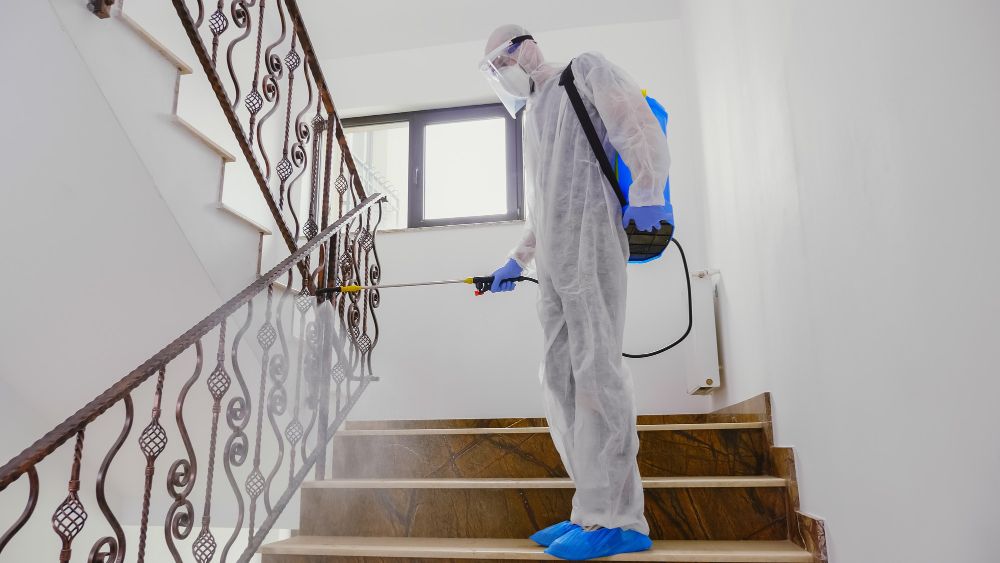
Use authentic images of your pest control technicians, vehicles, and completed work whenever possible. Real photos build more trust than generic stock images.
Fast ways to contact you
Every page should include:
- A visible phone number
- Contact form
- Click-to-call button
- Quote request button
Reducing the number of steps it takes to contact you can increase conversions.
Helpful content
Publishing helpful articles can improve SEO while answering common customer questions.
For example, you could create guides explaining:
- Signs of termite damage
- When to schedule a pest inspection
- Common household pests
- Seasonal pest prevention tips
Educational content helps establish your expertise while attracting customers searching for pest-related information.
What to do after creating a website
Launching your website is only the beginning. To generate consistent leads, you need to keep it updated, promote it online, and monitor how visitors interact with it.
Track your performance
Use tools like Google Analytics and Google Search Console to understand:
- How visitors find your website
- Which pages generate the most traffic
- Where users leave your site
- Which keywords bring in leads
Reviewing this data regularly helps you improve your website over time.
Keep your content updated
An outdated website can make customers question whether your business is still active.
Regularly update:
- Service pages
- Pricing information
- Team photos
- Customer reviews
- Contact details
- Service areas
Fresh content also helps support your SEO efforts.
Publish helpful content
Adding educational articles gives your website more opportunities to rank in search results and demonstrates your expertise.
Topics could include:
- How to identify common household pests
- When to schedule a pest inspection
- Signs of termite damage
- DIY pest prevention tips
- Seasonal pest control advice
This type of content answers common customer questions while supporting your broader pest control marketing strategy.
Continue improving your SEO
Search engine optimization isn’t a one-time task. Continue improving your website by creating new service pages, earning customer reviews, building quality backlinks, and targeting additional local keywords.
As your website grows, combining SEO with paid advertising and local marketing can help generate a steady flow of inquiries. Our guide to pest control marketing and advertising explains how to attract more customers both online and offline.
Learn how to start a pest control business with our complete guide covering licensing, pricing, marketing, and business growth.
Build a pest control website that brings in more customers
A professional website helps your pest control business stand out, build trust, and generate more leads. By creating dedicated service pages, using clear calls to action, improving your local SEO, and making it easy for customers to contact you, your website can become one of your most effective marketing tools.
Once your website starts generating inquiries, having the right systems behind your business becomes just as important. According to the Invoice Fly Salary & Time Gap Report 2026, home-service professionals lose hundreds of hours each year to non-billable admin such as preparing estimates and invoices.
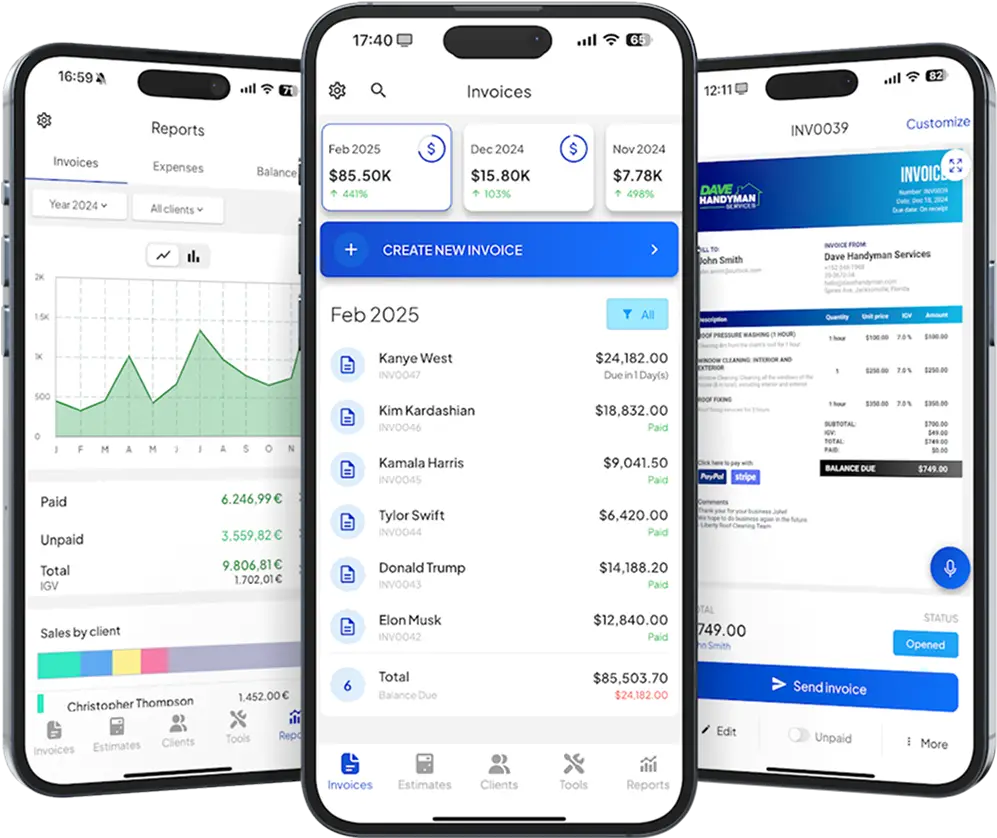
Software for pest control helps you manage estimates, scheduling, invoicing, payments, and customer information in one place, so you can spend more time growing your business and serving customers.