Pest Control Inspection Guide For Contractors
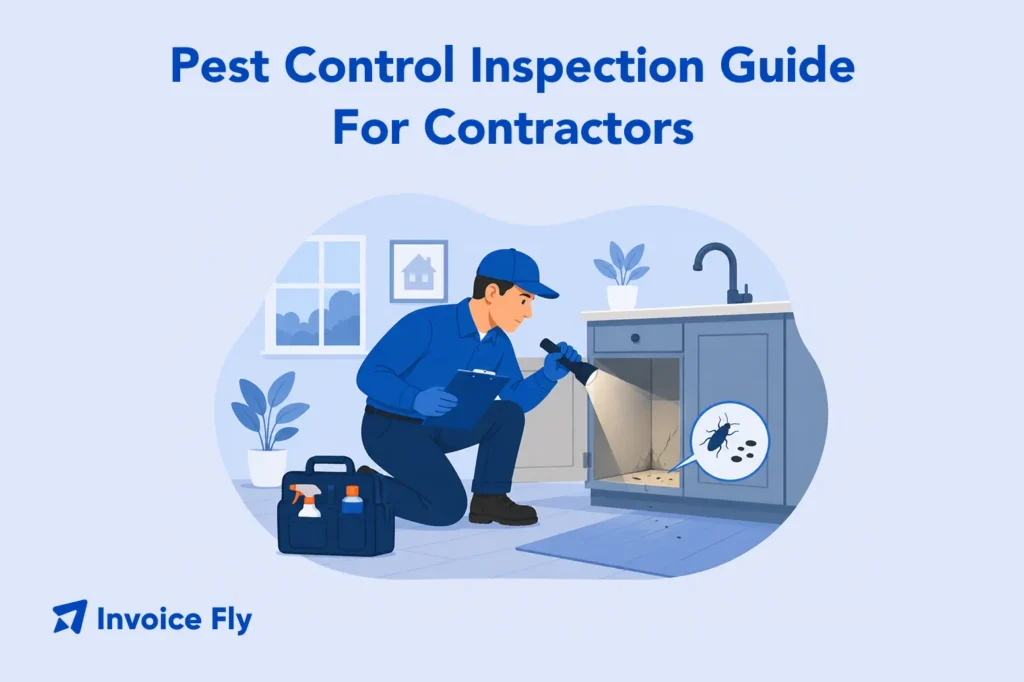
Table of Contents
A pest control inspection is a detailed examination of a property’s interior and exterior to identify signs of pests, structural damage, and conditions that could lead to infestations. During pest control inspections, technicians check foundations, attics, crawlspaces, kitchens, and other high-risk areas for termites, rodents, and other pests.
Findings are typically documented in a pest control inspection report that includes evidence, risk areas, and treatment recommendations.
Whether you work in residential or commercial pest control, understanding how inspections work helps improve service quality, documentation, and customer trust.
What is a pest control inspection?
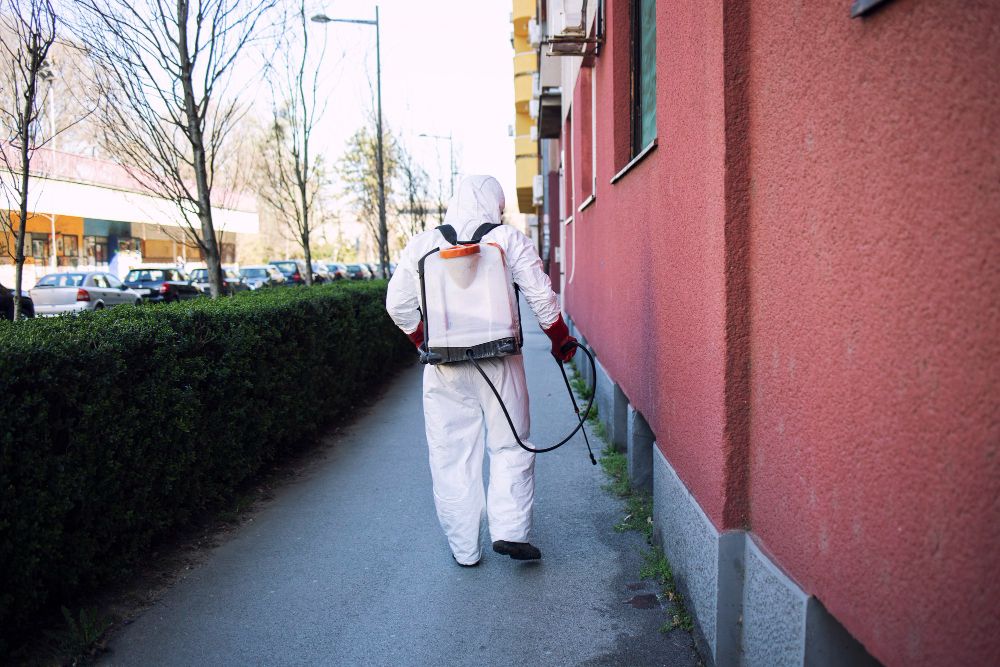
A pest control inspection is a structured walkthrough where a technician looks for evidence of pests, damage, and conditions that increase infestation risks. The goal is to identify current problems and prevent future pest activity before it becomes severe.
Inspections often focus on:
- Termite activity
- Rodent infestations
- Cockroach activity
- Moisture problems
- Structural damage
- Entry points
- Sanitation concerns
For example, a termite inspection may uncover mud tubes along a crawlspace foundation or soft wood behind siding. A rodent inspection may reveal droppings, nesting material, or chew marks inside attics and utility areas.
Professional pest control inspections are common in:
- Residential homes
- Apartment complexes
- Restaurants
- Warehouses
- Office buildings
- Healthcare facilities
Some inspections are preventive, while others happen after customers notice signs of pests.
Pest inspections also help businesses document conditions before treatment begins. Detailed reports create a record of pest activity, treatment recommendations, and follow-up plans.
Companies planning long-term growth can benefit from learning more about how to start a pest control business and building inspection systems early.
What does a pest control inspection consist of?
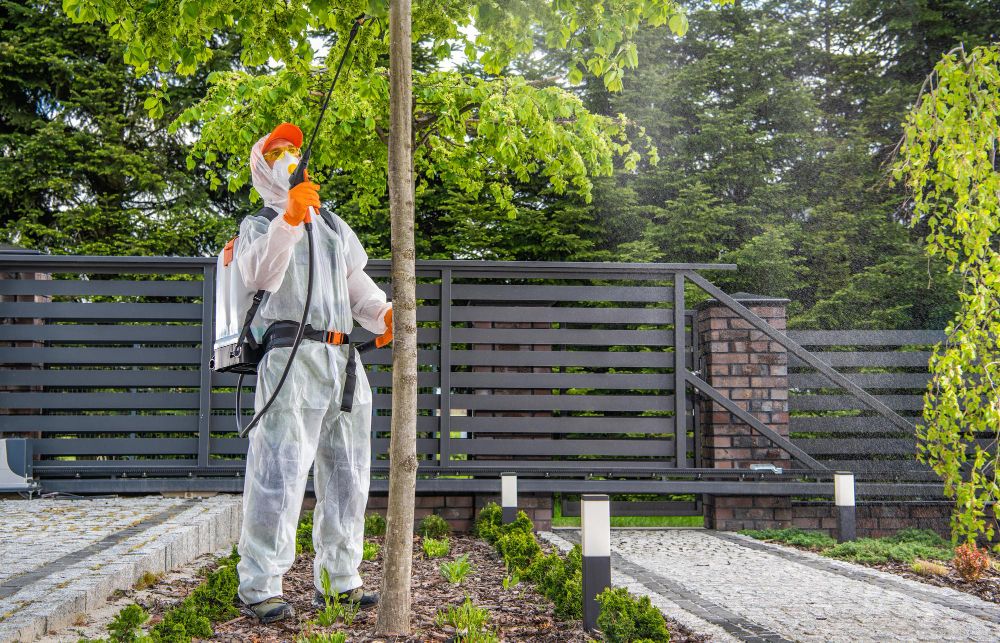
Most pest control inspections include both interior and exterior evaluations. Technicians inspect high-risk areas where pests commonly hide, nest, or enter the property.
Exterior inspection
Exterior inspections often focus on conditions that allow pests to enter buildings.
Technicians commonly inspect:
- Foundations
- Siding and exterior walls
- Rooflines
- Landscaping
- Drainage areas
- Utility openings
- Crawlspace vents
For example, termites may leave mud tubes near foundations, while rodents may enter through damaged vents or utility gaps.
Vegetation touching the structure can also create pest pathways.
Technicians improving operations may also benefit from understanding pest control services and how recurring inspections fit into long-term maintenance programs.
Interior inspection
Interior inspections focus on pest activity, moisture issues, and sanitation concerns.
Technicians often inspect:
- Kitchens
- Bathrooms
- Basements
- Attics
- Utility rooms
- Storage areas
- Cabinets and wall voids
Common signs of pest activity include:
- Droppings
- Nesting materials
- Grease trails
- Damaged wood
- Shed insect wings
- Dead insects
For example, cockroach infestations frequently appear near food and moisture sources in kitchens or utility areas.
Pest control inspection report
After the inspection, technicians typically create a pest control inspection report documenting:
- Pest findings
- Damage observations
- High-risk conditions
- Treatment recommendations
- Prevention suggestions
Detailed reports help customers understand the severity of infestations and recommended next steps.
Many companies now use digital reporting systems and pest control software to organize inspection reports and recurring service schedules.
Need a faster way to organize customer billing and inspection paperwork? Speed up your workflow with our invoice maker and keep pest control jobs organized from inspection to payment.
How to do a pest control inspection
A professional pest control inspection follows a structured process designed to identify pest activity accurately and consistently.
Start with customer concerns
Before inspecting the property, technicians usually ask customers questions about:
- Pest sightings
- Sounds or odors
- Property history
- Moisture problems
- Previous treatments
For example, hearing scratching sounds in walls at night may indicate rodent activity.
Customer information often helps narrow down inspection areas.
Inspect high-risk areas
Technicians should inspect areas where pests commonly hide or enter.
High-risk inspection areas include:
- Attics
- Crawlspaces
- Kitchens
- Bathrooms
- Exterior foundations
- Utility penetrations
- Trash storage areas
A termite inspection may require checking wood structures, crawlspaces, and siding carefully for damage or mud tubes.
Technicians may also use flashlights, moisture meters, ladders, and inspection mirrors during inspections.
Detailed termite inspection procedures are especially important during real estate transactions and wood-destroying organism inspections.
Document findings carefully
Documentation is one of the most important parts of pest control inspections.
Technicians should record:
- Pest evidence
- Damage locations
- Conducive conditions
- Treatment recommendations
- Follow-up requirements
Photos often improve customer communication and help justify treatment plans.
Many companies now use digital inspection forms and mobile apps to organize reports faster.
Contractors creating detailed reports often improve pricing accuracy with organized pest control estimate systems before recommending treatment plans.
Pest control inspection checklist
Using a pest control inspection checklist helps technicians stay consistent and avoid missing important details.
A basic pest control inspection checklist may include:
Exterior checklist
- Check foundations for cracks and mud tubes
- Inspect siding for wood damage
- Examine rooflines and vents
- Look for standing water
- Inspect landscaping touching structures
- Check utility penetrations for gaps
Interior checklist
- Inspect kitchens for droppings and grease trails
- Check bathrooms for moisture issues
- Inspect attics for nests or insulation damage
- Examine basements and crawlspaces
- Look for damaged wood or termite activity
- Inspect food storage areas
Documentation checklist
- Record pest evidence
- Photograph damage
- Complete inspection forms
- Recommend treatments
- Schedule follow-up visits
For example, a technician inspecting an apartment building may use separate checklists for individual units, utility rooms, and shared trash areas.
Companies handling recurring commercial inspections often rely on standardized reporting and inspection templates to improve consistency across technicians.
Companies planning long-term growth can also learn more about how to start a pest control business and build stronger operational systems.
How much does pest control inspection cost?
Pest control inspection cost depends on the property size, inspection type, pest concerns, and location.
Average pest control inspection costs may include:
- General home inspection: $75–$250
- Termite inspection: $100–$300
- Commercial inspections: $250–$1,000+
- Real estate WDIR inspections: $75–$200
Some companies apply inspection fees toward future treatment services.
For example, a pest control company may charge $150 for a termite inspection but waive the fee if the customer purchases treatment.
Inspection pricing may increase when properties involve:
- Large crawlspaces
- Multi-unit buildings
- Severe infestations
- Roof access
- Multiple structures
Commercial inspections often cost more because they require detailed reporting and recurring monitoring.
Companies comparing pricing structures may also review how much pest control costs when building inspection packages and service plans.
According to the EPA, proper inspection and prevention play major roles in reducing long-term pest problems safely.
Should you offer a free pest control inspection?

Many pest control companies offer free inspections as a marketing strategy to generate leads and build customer trust.
Free inspections can help companies:
- Increase appointment volume
- Build customer relationships
- Identify treatment opportunities
- Improve conversion rates
For example, a homeowner searching “free pest control inspection near me” may schedule an inspection before committing to a treatment plan.
Free inspections often work well for:
- Residential pest control
- Termite inspections
- Real estate inspections
- Preventive maintenance programs
However, free inspections may not make sense for every business.
Companies handling large commercial properties or complex termite inspections may charge inspection fees because of the time and documentation involved.
Some businesses also use free inspections only within specific service areas or for certain pest types.
The North Carolina Department of Agriculture recommends that customers verify licensing and pesticide credentials before hiring pest control companies.
Technicians entering the industry should also understand how to get a pest control license before offering inspections independently.
Manage pest control inspections more efficiently
Pest control companies manage recurring inspections, customer records, technician schedules, invoices, and treatment documentation every day.
Using pest control software helps companies organize inspection reports, schedule recurring visits, and improve communication with customers.
Growing teams can also simplify billing workflows using a free invoice generator for inspection services and recurring maintenance programs.