What Is Pest Control: Explained For Service Providers
Table of Contents
Pest control is the professional service of inspecting, managing, and preventing infestations of insects, rodents, and other unwanted organisms in homes, businesses, and outdoor areas. Technicians use inspection, identification, and targeted treatment methods to protect property, food systems, and public health from pests that spread disease or damage structures.
Modern pest control goes beyond simply spraying chemicals. Many companies now use integrated pest management methods that combine prevention, monitoring, sanitation, exclusion work, and targeted treatments to reduce infestations safely and effectively.
Understanding pest control helps service providers deliver safer treatments, improve customer trust, and manage infestations more effectively.
What is pest control?
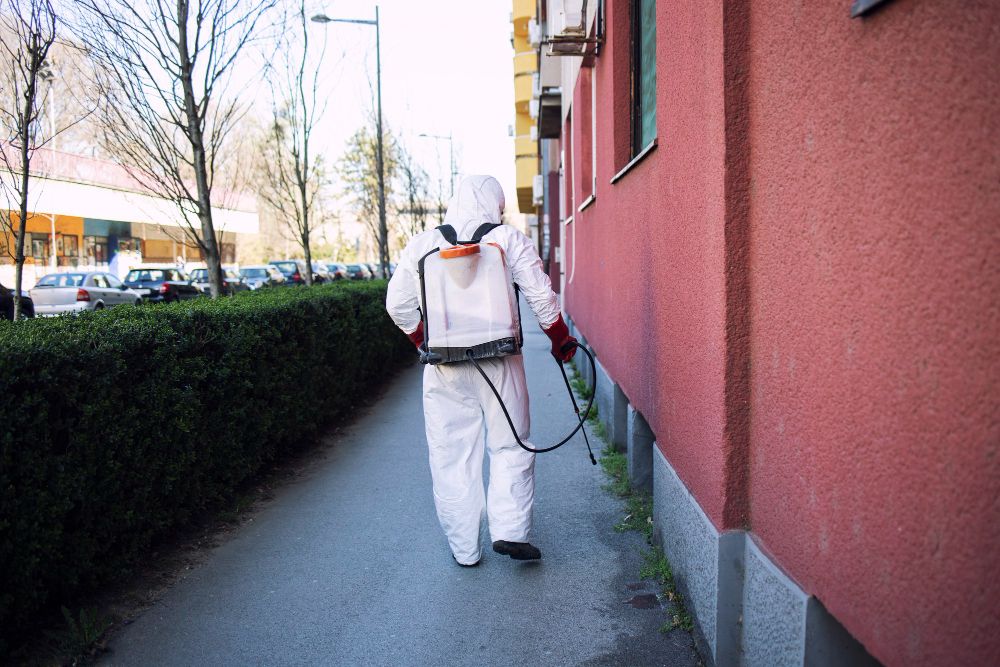
Pest control is the process of reducing, managing, or removing pests from homes, businesses, and commercial properties. Pests may include ants, termites, rodents, cockroaches, mosquitoes, bed bugs, spiders, and wildlife.
The goal of pest control is not always total elimination. In many cases, pest management focuses on keeping pest populations at safe and manageable levels while preventing future infestations.
For example, termites can weaken wooden structures and cause thousands of dollars in damage if left untreated. Rodents may contaminate food, chew electrical wiring, and spread bacteria. Cockroaches can trigger allergies and create sanitation problems in restaurants and apartment buildings.
Most professional pest control companies follow a process that includes:
- Property inspection
- Pest identification
- Treatment planning
- Chemical or non-chemical treatments
- Monitoring and prevention
Modern pest management also emphasizes long-term prevention. Instead of repeatedly applying pesticides, technicians often address entry points, moisture problems, food sources, and sanitation issues.
Pest control companies work in residential, commercial, industrial, and agricultural settings.
Contractors planning long-term growth can benefit from learning more about how to start a pest control business.
What industry is pest control?
Pest control is generally considered part of the service industry, although it also overlaps with public health, facilities maintenance, and environmental services.
Restaurants, warehouses, hotels, apartment complexes, and healthcare facilities commonly rely on recurring pest control programs to maintain sanitation standards and prevent infestations.
Pest control technicians may specialize in:
- Residential pest control
- Commercial pest control
- Termite treatment
- Wildlife removal
- Mosquito control
- Agricultural pest management
Because technicians handle pesticides and regulated products, licensing and safety training are important parts of the industry.
New technicians often begin by learning how to get a pest control license before working independently.
What expense category is pest control?
For homeowners, pest control is usually considered a home maintenance expense.
In the case of businesses, pest control may fall under:
- Building maintenance
- Facilities management
- Property maintenance
- Sanitation services
- Operating expenses
For example, restaurants often categorize pest control as a sanitation or compliance expense because pest prevention affects health inspections and food safety.
Recurring service plans are often easier to budget than emergency treatments.
What is the average cost for pest control?
Pest control pricing depends on the pest type, infestation severity, property size, and treatment method.
Average residential pest control costs include:
- One-time treatment: $150–$500
- Monthly service: $40–$80
- Quarterly service: $100–$300
- Termite treatment: $1,000–$3,500+
- Bed bug treatment: $1,500–$5,000+
For example, a small ant treatment may cost around $175, while a severe rodent infestation in a commercial property could require several thousand dollars in exclusion work and follow-up visits.
Companies often improve pricing accuracy with organized pest control estimate systems.
How does pest control work?
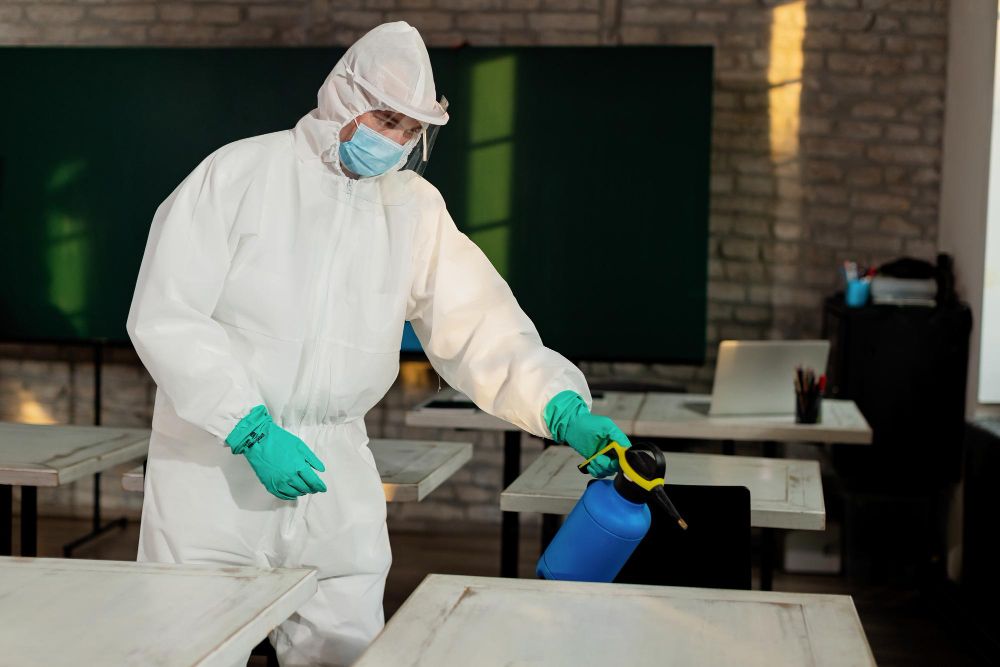
Pest control works by identifying pest activity, locating infestation sources, and applying treatments designed to reduce pest populations safely.
Most pest control companies follow several basic steps.
Inspection and identification
Technicians inspect the property to identify:
- Pest type
- Entry points
- Nesting areas
- Moisture problems
- Structural risks
- Infestation severity
Correct identification matters because different pests require different treatments.
For example, termite infestations may require bait systems and soil treatments, while cockroach control often relies on gel baits and sanitation improvements.
Specialists may also perform detailed termite inspection services before recommending treatment plans.
Treatment planning
After inspection, technicians create a treatment plan.
Common pest control methods include:
- Liquid insecticides
- Bait stations
- Traps
- Dust treatments
- Exclusion work
- Monitoring systems
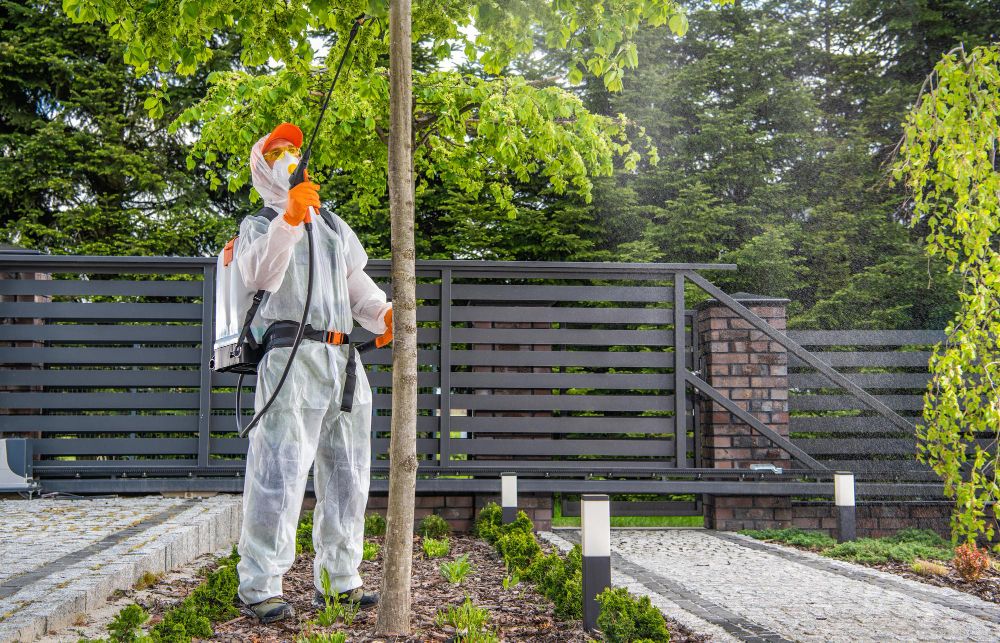
For example, ant infestations may respond best to bait systems, while mosquito control often uses backpack sprayers and larvicide treatments.
Mechanical methods also play an important role.
Examples include:
- Sealing gaps
- Installing door sweeps
- Removing nests
- Improving sanitation
- Fixing moisture problems
Need a faster way to organize estimates, invoices, and customer communication? Speed up your workflow with our invoice maker and keep pest control jobs organized from inspection to payment.
As a service provider, you should read our articles “What is an estimate” and “What is quotation” in which we explain the process of estimating and the process of creating quotes for customers.
Once you complete a job you need to issue an invoice, which you can learn about in our guide on “what is an invoice” and once have return customers you also need to understand “what is billing.” After a customer pays you, you need to issue them a receipt of payment, which you can learn about in our article on “what is a receipt.”
Prevention and monitoring
Long-term pest control focuses heavily on prevention.
Technicians may recommend:
- Sealing entry points
- Fixing leaks
- Removing food sources
- Scheduling recurring service visits
- Installing traps and monitoring devices
According to the EPA, integrated prevention and safe pesticide handling are important parts of modern pest management.
What pest control is safe for pets?
Many modern pest control treatments can be used safely around pets when technicians follow proper application procedures.
Pet-safe treatments often include:
- Reduced-risk pesticides
- Targeted bait placement
- Exterior perimeter treatments
- Crack-and-crevice applications
- Integrated pest management strategies
For example, technicians may ask homeowners to keep pets away from treated areas until products dry completely.
The North Carolina Department of Agriculture recommends following all pesticide safety instructions and ventilation guidelines after treatment.
What is included in a one-time pest control visit?
A one-time pest control visit usually includes:
- Property inspection
- Pest identification
- Interior treatment
- Exterior perimeter treatment
- Trap placement
- Prevention recommendations
For example, a technician treating ants and spiders may spray exterior foundations, treat entry points, and place bait stations in problem areas.
More severe infestations may require follow-up visits.
Companies handling recurring service schedules often rely on pest control software to organize customer records and treatment history.
Types of pest control
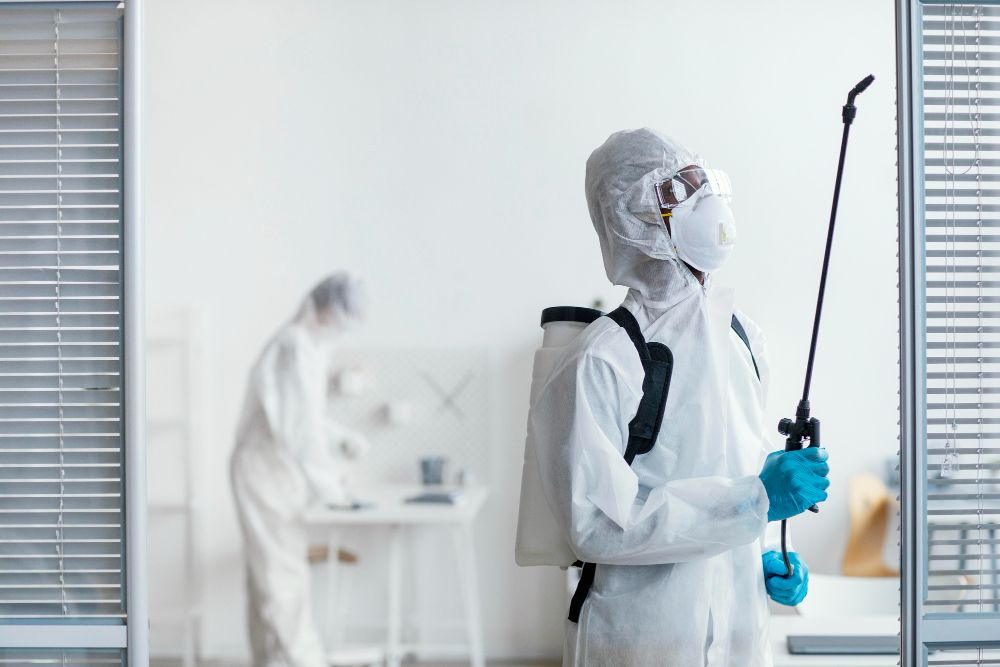
Different pest control services focus on different environments and treatment strategies.
What is commercial pest control?
Commercial pest control involves pest management services for businesses and commercial properties.
Common customers include:
- Restaurants
- Hotels
- Warehouses
- Grocery stores
- Healthcare facilities
- Apartment complexes
Commercial pest control programs often involve recurring inspections and detailed documentation.
For example, restaurants may require monthly service visits to maintain sanitation standards and comply with health regulations.
What is residential pest control?
Residential pest control focuses on homes and smaller residential properties.
Common residential services include:
- Ant control
- Rodent control
- Spider treatments
- Mosquito reduction
- Flea treatments
- Termite inspections
Homeowners often schedule recurring preventive services to stop seasonal infestations before they become severe.
Residential technicians also spend time educating customers about sanitation and prevention.
What is integrated pest control?
Integrated pest control, also called integrated pest management (IPM), combines multiple methods to reduce pests while limiting unnecessary pesticide use.
IPM focuses on:
- Prevention
- Monitoring
- Identification
- Targeted treatments
- Environmental management
For example, a rodent IPM program may involve sealing entry points, improving trash storage, installing traps, and monitoring activity instead of relying only on poison products.
IPM is commonly used in schools, healthcare facilities, and commercial environments because it supports safer and more sustainable pest management.
What is biological pest control?
Biological pest control uses natural predators or organisms to reduce pest populations.
Examples include:
- Ladybugs feeding on aphids
- Beneficial nematodes controlling soil pests
- Bacteria targeting mosquito larvae
- Predatory insects reducing crop pests
Biological control methods are more common in agriculture and greenhouse environments, but they can also support residential and commercial pest programs.
For example, mosquito management programs may use biological larvicides in standing water instead of relying entirely on chemical fogging.
Modern pest management focuses heavily on long-term prevention instead of temporary solutions.
Companies planning future growth can also learn more about how to start a pest control business and build stronger service systems.
Manage pest control jobs more efficiently
Pest control businesses manage inspections, recurring visits, customer communication, invoices, and technician schedules every day.
Using pest control software helps companies organize treatments, manage customer records, and simplify recurring service scheduling.
Growing companies can also simplify billing with a free invoice generator and create faster workflows for one-time and recurring pest control jobs.