Roofing Contracts: Guide For Roofing Contractors
Table of Contents
A roofing contract is a written agreement between a roofer and a client that spells out the scope of work, materials, pricing, project timeline, warranties, and payment terms for a roof repair, replacement, or maintenance job. Clear roofing contracts protect both parties by reducing misunderstandings, documenting expectations, and creating a reference point if questions arise about workmanship, change orders, insurance claims, or final payment.
What is a roofing contract?

A roofing contract is a legally binding agreement between a roofing company and a customer. It outlines the responsibilities of both parties and documents exactly what work will be completed.
Many contractors think a proposal alone is enough. A proposal may provide pricing and a basic job description, but a roofing agreement contract goes much deeper. It defines expectations before work begins and creates legal protection if disagreements happen later.
For example, imagine a homeowner hires a roofing company for a full roof replacement worth $18,500. During the project, the crew discovers damaged decking beneath the shingles. If the contract does not explain how hidden damage or change orders are handled, disputes can start immediately.
Contracts typically include:
- Scope of work
- Materials and product details
- Estimated project timeline
- Payment schedule
- Warranty information
- Insurance details
- Change order procedures
- Cleanup responsibilities
- Cancellation terms
For residential jobs, homeowners often focus on cost and completion dates. Commercial roofing contracts may involve maintenance schedules, ongoing inspections, and larger legal requirements.
Roofing contracts also help businesses maintain professionalism. A contractor handing over a one-page handwritten agreement creates a different impression than a company using organized contract templates and clear documentation.
As roofing companies grow, standardized agreements become even more important because crews, sales representatives, and project managers all need consistent processes.
Contractors planning long-term growth can benefit from learning more about how to start a roofing company.
Types of roofing contracts
Not every roofing contract follows the same structure. Different project types require different agreements.
Residential roofing contracts

Residential roofing contracts cover projects involving homes, duplexes, and smaller residential properties.
These agreements usually focus on:
- Roof replacement
- Roof repair
- Shingle installation
- Storm damage work
- Insurance claims
- Warranty coverage
For example, a homeowner replacing an asphalt shingle roof may sign a contract totaling $14,000 with payment milestones tied to project progress.
Residential contracts often include simpler language because homeowners may not understand technical roofing terms.
Many roofers also include material selections, color choices, and disposal procedures in these contracts.
Commercial roofing contracts
Commercial roofing contracting often requires more detailed agreements.
Large buildings frequently involve:
- Flat roofing systems
- TPO installations
- Ongoing maintenance agreements
- Safety requirements
- Inspection schedules
- Multiple stakeholders
For example, replacing roofing on a 40,000-square-foot warehouse could involve six-figure budgets and phased work schedules.
Commercial roof maintenance contracts often include service intervals and recurring inspection terms.
Unlike residential jobs, commercial projects frequently involve attorneys, property managers, and procurement departments reviewing agreements before approval.
Roof maintenance contracts
Roof maintenance contracts focus on ongoing service rather than one-time projects.
These agreements commonly include:
- Scheduled inspections
- Minor repairs
- Drain cleaning
- Leak prevention
- Annual maintenance visits
For example, a shopping center may pay a roofing company $4,500 annually for preventive maintenance and quarterly inspections.
Maintenance agreements create recurring revenue for roofing businesses while helping property owners avoid expensive emergency repairs.
A small roof leak repaired during an inspection may prevent a $25,000 damage issue later.
Recurring agreements also strengthen long-term customer relationships.
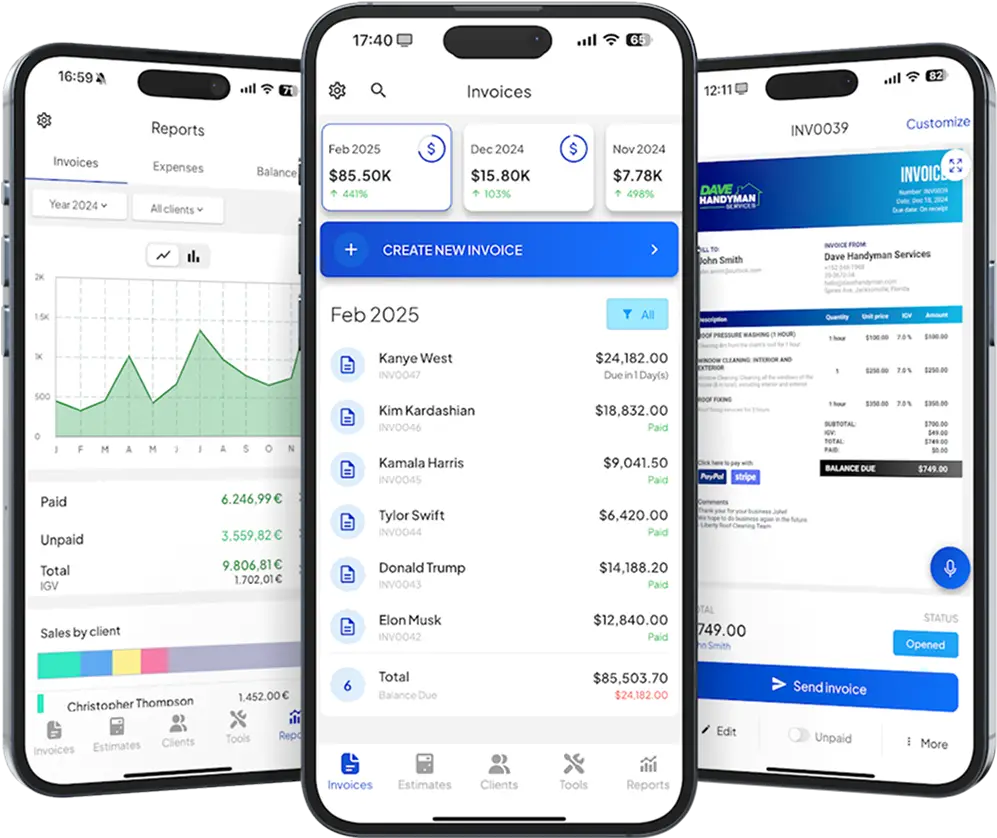
Need a faster way to organize project billing and customer paperwork? Speed up your workflow with our invoice maker and keep roofing projects organized from estimate to final payment.
Key terms for roofing contracts

A contract becomes effective only when important details are clearly written.
Scope of work
The scope of work explains exactly what work will and will not be completed.
For example: Replace existing asphalt shingles with architectural shingles on a 2,300-square-foot roof.
Without clear language, customers may assume additional work is included.
Scope sections often define:
- Tear-off procedures
- Material specifications
- Vent replacement
- Flashing work
- Cleanup expectations
- Permit responsibilities
Vague wording creates confusion. Saying “replace roof” sounds simple, but roofing projects involve many components. The more specific the scope, the fewer disputes occur.
Roofers improving estimating accuracy often use a free roofing estimate template before converting proposals into contracts.
Payment terms
Payment terms explain when and how money changes hands.
Many roofing contracts include:
- Deposit amounts
- Progress payments
- Final payment terms
- Accepted payment methods
- Financing details
For example:
- 10% deposit at signing
- 40% after materials arrive
- 50% after project completion
Payment schedules help contractors manage cash flow and set customer expectations. Clear payment language also reduces late-payment issues. Some states regulate deposit amounts, making local requirements important.
Roofing businesses creating stronger proposals often improve results by learning how to bid a roofing job.
Warranties and insurance
Warranty language protects both contractors and customers.
Roofing contracts should clearly explain:
- Manufacturer warranties
- Workmanship warranties
- Coverage length
- Warranty limitations
- Insurance responsibilities
For example, a contractor may provide a five-year workmanship warranty while shingles carry a 30-year manufacturer warranty.
Without written details, customers may misunderstand coverage. Insurance language also matters.
Roofing businesses should document:
- General liability coverage
- Workers’ compensation insurance
- Claim procedures
- Proof of insurance availability
This section becomes especially important during storm restoration projects and roofing contracts for insurance claims.
Contractors expanding services should also understand roofing insurance requirements.
How to write better roofing contracts

Strong roofing contracts are detailed without becoming difficult to understand.
Contractors often make mistakes by copying generic roofing contract templates found online. A free roofing contract template can provide a starting point, but every business should customize agreements based on services and local requirements.
Customers do not want legal documents full of confusing wording, so keep language simple.
Instead:
- Use plain language
- Explain technical terms
- Avoid vague descriptions
- Outline payment milestones
- Define change order procedures
- Include cleanup responsibilities
For example, instead of writing:
“Additional unforeseen roofing work may result in modified financial obligations.”
Use:
“If damaged wood decking is discovered, additional repair costs require written approval before work begins.”
Digital contract systems also improve organization. Many roofing businesses now use fillable roofing contract templates and electronic signatures to speed up approvals.
For example, a sales representative meeting a homeowner can generate a proposal, update material selections, and send agreements for signature immediately.
Contractors often improve operations by investing in stronger roofing CRM software and customer management systems.
According to the CSLB, documentation and communication remain important parts of successful roofing project management.
Contract review checklists can also verify:
- Customer information
- Material selections
- Pricing accuracy
- Timeline details
- Warranty language
- Insurance documentation
Standardized review systems reduce costly errors.
Companies planning future growth can also learn more about how to start a roofing company and build stronger systems from the beginning.
Manage roofing projects more efficiently
Roofing contracts create structure, establish expectations, and protect both contractors and customers throughout a roofing project.
Whether the agreement covers residential roof replacement, commercial roof maintenance contracts, or ongoing service work, detailed contracts reduce misunderstandings and improve professionalism.
The strongest contracts clearly define scope, payment schedules, warranties, and project responsibilities.
Roofing companies that invest time in stronger agreements often create smoother projects, fewer disputes, and better customer relationships.
Using roofing software can help organize project details and keep jobs moving from the initial estimate through final payment.
Growing companies can also simplify billing workflows with a free roofing invoice template and create a more organized customer experience.