Pest Control Estimates: How to Price Jobs Accurately
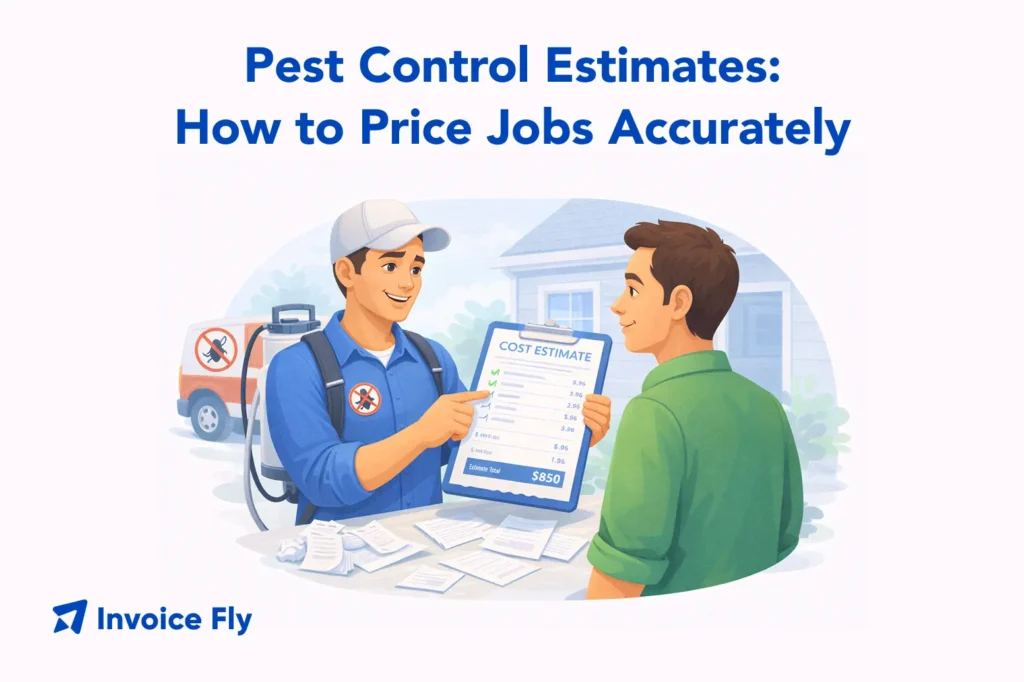
Table of Contents
A clear pest control estimate is the difference between guessing at a price and running a profitable, professional exterminator business. When you know how to build a pest control estimate step by step, you can factor in pest type, property size, infestation severity, and treatment frequency so every quote covers your costs and still looks competitive.
This guide will cover:
- How to calculate pest control costs accurately
- A simple pest control cost calculator approach
- Real-world pricing examples
- Key factors that affect estimates
- Average pricing by pest type and service
- How to create professional estimates that win jobs
Pest control cost calculator
A pest control cost calculator is a simple way to estimate pricing before sending a quote. It combines a few core variables into a repeatable formula.
Most pest control businesses use a structure like this:
- Base service fee ($75–$150)
- Cost per square foot ($0.10–$0.50)
- Pest-specific treatment cost ($50–$1,000+)
- Labor time (hourly or flat rate)
For example, imagine you’re quoting a 1,500 sq. ft. home with a moderate ant infestation:
- Base fee: $100
- Square footage: 1,500 × $0.15 = $225
- Treatment cost: $75
- Total estimate: $400
This method keeps your pricing consistent across jobs. It also helps you avoid underpricing, which is one of the biggest mistakes new exterminators make.
A calculator approach works especially well when you handle multiple service types. Instead of guessing each time, you adjust variables based on the job details.
If you’re building your pricing system from scratch, reviewing how to structure services in this guide on how to start a pest control business can help you align pricing with your overall business model.
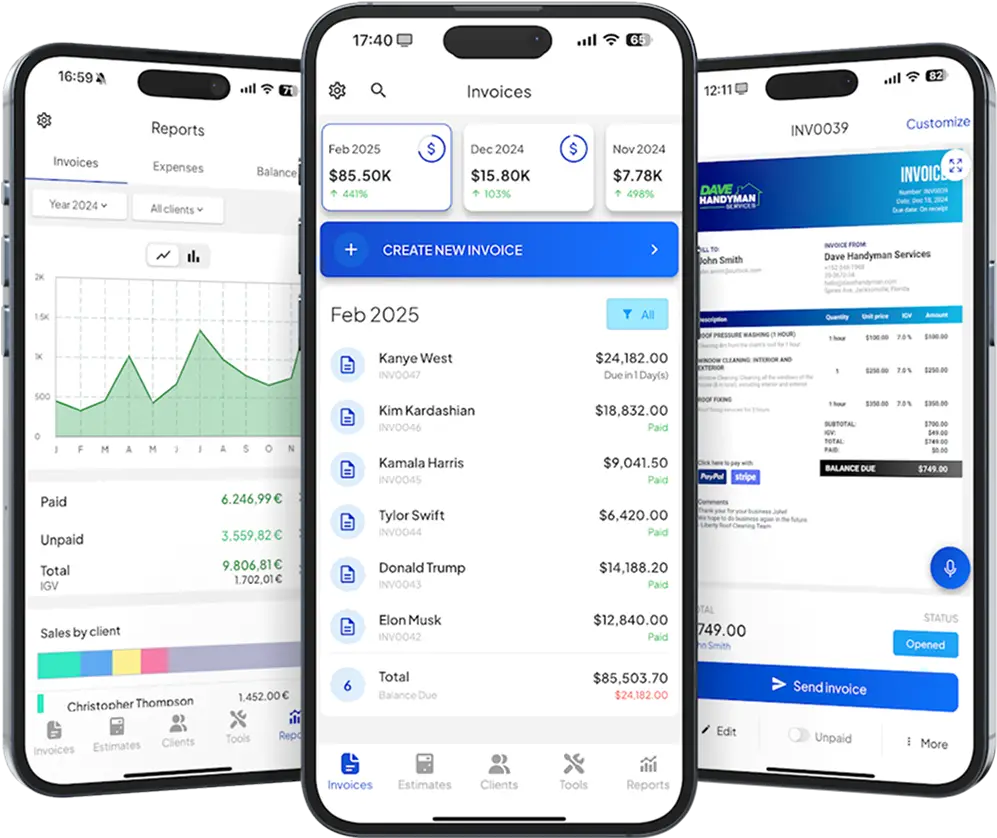
To speed up your workflow and present clean, professional quotes, using a free estimate generator helps you create consistent pest control estimates in minutes while on-site or in the office.
How do I determine the cost of pest control?

Determining the cost of pest control starts with understanding the job scope. No two infestations are the same, so your estimate must reflect real conditions.
Start with an inspection. For example, a technician might inspect a home and find:
- Light ant activity in the kitchen
- Entry points near windows
- No structural damage
This type of job may cost around $150–$250.
Now compare that to a termite issue:
- Active infestation in walls
- Structural risk
- Need for specialized treatment
This could range from $800 to $1,500 or more.
To determine pricing accurately, you need to evaluate:
- The pest involved
- The severity of the problem
- The time required to treat it
- Materials and chemicals needed
For instance, a bed bug treatment often requires multiple visits and specialized heat equipment. That increases both labor and cost, making it significantly more expensive than general pest control.
The key is to avoid flat pricing across all jobs. Instead, adjust your estimate based on real conditions so you remain competitive while protecting your profit margins. For a deeper breakdown, see how much pest control costs.
How to calculate pest control cost
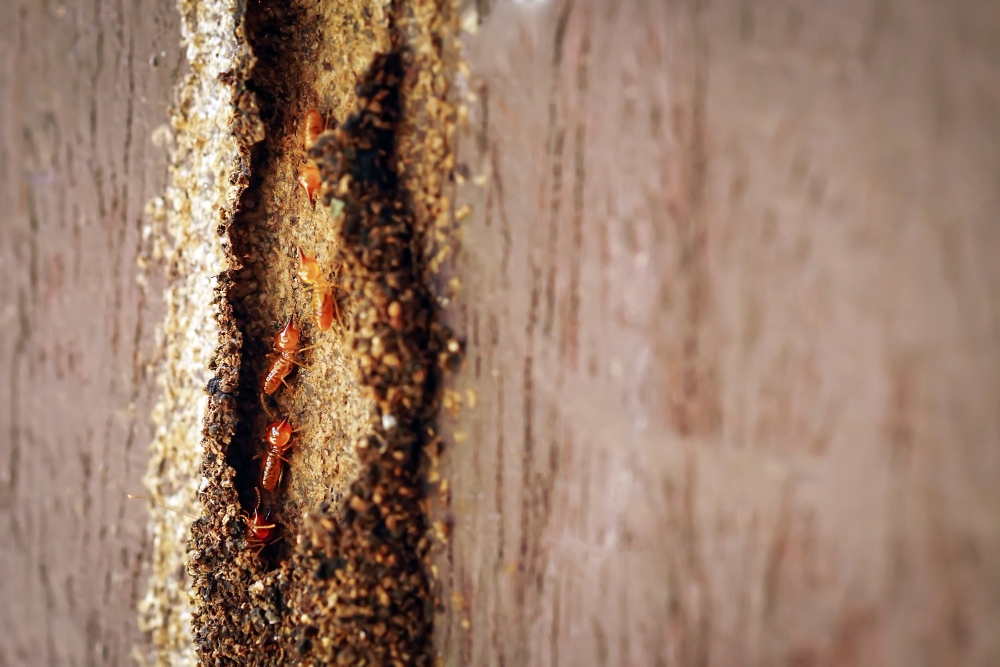
Calculating pest control cost involves breaking the job into clear components. This ensures nothing is missed in your estimate.
Start with these steps:
- Measure the property size
- Identify the pest type
- Assess infestation severity
- Estimate labor time
- Add material costs
- Include overhead and profit margin
For example, consider a quarterly service plan for a 2,000 sq. ft. home:
- Base visit: $120
- Chemicals and materials: $40
- Labor (1 hour): $60
- Overhead and profit: $80
Total per visit: $300
Over a year (4 visits), that becomes a $1,200 contract.
This structured approach ensures you don’t forget hidden costs like fuel, equipment wear, or travel time. Using an estimates app can help standardize pricing and generate consistent quotes across jobs.
Example pest control cost breakdown
Let’s break down a real-world job:
Job: Rodent removal in a small commercial property
- Inspection: $75
- Traps and materials: $120
- Labor (2 hours): $150
- Follow-up visit: $100
Total estimate: $445
Now compare that to a termite treatment:
Job: Termite control for a 2,500 sq. ft. home
- Inspection: $100
- Treatment chemicals: $600
- Labor (4–6 hours): $400
- Warranty/service plan: $200
Total estimate: $1,300
These examples show how pricing can vary widely depending on the service.
Key factors that affect how much pest control costs
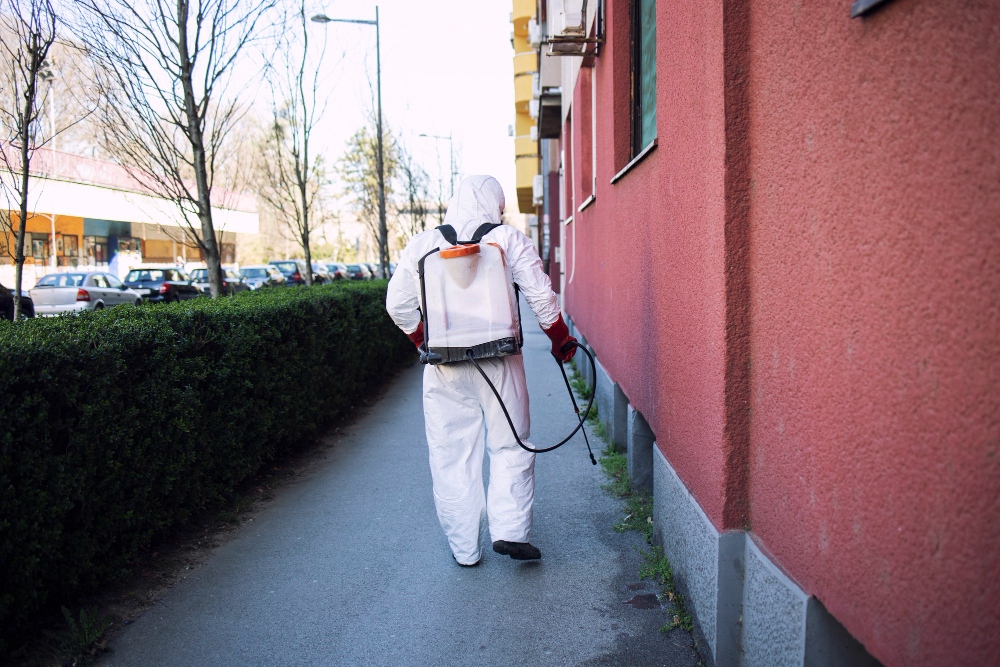
Severity of infestation
The more severe the infestation, the higher the cost.
For example, a small ant problem may take one visit and cost $150. A severe infestation spread throughout the home could require multiple treatments, raising the price to $400 or more.
Severe cases also require more chemicals, time, and follow-ups.
Type of pest
Different pests require different treatments.
- Ants: $100–$300
- Rodents: $150–$500
- Bed bugs: $300–$1,200 per room
- Termites: $500–$1,500+
For example, termite treatments often involve drilling, barriers, or fumigation, making them far more expensive than basic pest control.
Size of property
Larger properties cost more because they take more time and materials.
A 1,000 sq. ft. home might cost $150–$250, while a 3,000 sq. ft. property could cost $300–$600 for the same service.
Commercial properties often cost even more due to complexity.
Location
Location affects pricing due to labor rates and demand.
For example:
- Urban areas often have higher labor costs
- Rural areas may include travel fees
- High-demand regions may support higher pricing
A pest control job in a major city might cost 20–30% more than the same job in a smaller town.
Frequency of treatment
One-time services cost more per visit than recurring plans.
For example:
- One-time visit: $150–$300
- Quarterly plan: $100–$300 per visit
- Monthly plan: $40–$100 per visit
Recurring services provide steady income and are often more attractive to customers.
Treatment type
Different treatment methods affect pricing.
- Chemical sprays: lower cost
- Heat treatments: higher cost
- Fumigation: premium pricing
For example, heat treatment for bed bugs may cost over $1,000 due to equipment and setup time.
Pest control costs by type of service

National average cost of pest control services
Across the U.S., pest control costs typically fall within these ranges:
- One-time visit: $100–$300
- Quarterly service: $100–$300 per visit
- Annual contracts: $400–$1,200
These averages help set expectations, but your pricing should reflect your specific market and services.
Ant and common pest treatment prices
- Ants, spiders, cockroaches: $100–$300
- Preventative treatments: $75–$150
Example: A routine spray for ants in a small home may cost $150 and take under an hour.
Termite control pricing overview
- Inspection: $75–$150
- Treatment: $500–$1,500+
Example: A full termite barrier treatment for a medium-sized home may cost around $1,200.
Mosquito control service prices
- One-time treatment: $75–$150
- Monthly service: $40–$80
Example: Seasonal mosquito control for a backyard may cost $300–$500 over a summer.
Rodent control and exterminator rates
- Basic removal: $150–$500
- Ongoing monitoring: $50–$100/month
Example: Removing mice from a home and sealing entry points may cost $400.
Stinging insect and wasp nest removal costs
- Wasp nest removal: $100–$300
- Bee relocation: $150–$500
Example: Removing a wasp nest from a roofline may cost $200 depending on accessibility.
Over time, refining your estimates will improve both your efficiency and your profitability. As your business grows, you may also want to explore how to get a pest control license and pest control insurance to operate professionally and stay compliant.
Create professional pest control estimates that win jobs
Creating an accurate pest control estimate is essential for running a profitable business. By factoring in pest type, property size, infestation severity, and treatment method, you can build quotes that cover your costs and remain competitive.Using a free estimate generator allows you to build clean, itemized pest control estimates on the spot, whether you’re inspecting a property or following up with a lead. Pair that with an invoice maker to manage payments and keep your records organized as your business grows.