Invoice Discounting: Complete Guide for Small Businesses
Table of Contents
Invoice discounting is a form of invoice financing that lets businesses unlock cash from unpaid invoices without waiting 30–90 days for customers to pay.
Instead of taking out a traditional loan, you use your accounts receivable as collateral, and a lender advances typically 80–95% of the invoice value while you retain control over customer relationships and collections. This makes invoice discounting a flexible working capital solution for growing B2B businesses that need cash flow to cover payroll, materials, or expansion.
This guide will cover:
- What invoice discounting is and who uses it
- How invoice discounting works step by step
- Types of invoice discounting available
- Advantages and disadvantages
- Costs, fees, and qualification requirements
- When to choose invoice discounting vs factoring
What is invoice discounting?

Invoice discounting is a financing method where a business borrows money against its unpaid invoices. Instead of waiting for customers to pay, a lender advances most of the invoice value upfront, improving cash flow.
For example, imagine a construction company issues a $10,000 invoice with 60-day terms. Instead of waiting two months, they receive around $8,500–$9,000 within a few days through invoice discounting. When the customer pays, the lender releases the remaining balance minus fees.
This method is commonly used in industries with long payment cycles, such as:
- Construction
- Manufacturing
- Logistics
- Recruitment
Unlike loans, invoice discounting is tied directly to your sales. The more invoices you issue, the more funding you can access.
Who uses invoice discounting?
Invoice discounting is mainly used by B2B businesses that sell on credit terms.
For example:
- A contractor completing projects with 30–90 day payment terms
- A recruitment agency waiting for client payments
- A wholesaler supplying goods on credit
These businesses often face cash flow gaps between completing work and receiving payment. Invoice discounting helps bridge that gap.
Small businesses benefit the most when:
- They have steady sales but slow-paying clients
- They need working capital to grow
- They want to avoid traditional loans
It’s especially useful for companies that already have reliable customers but need faster access to cash.
How does invoice discounting work?

Invoice discounting follows a structured process. Each step ensures the lender can safely advance funds based on your receivables.
1. Initial agreement setup
You start by setting up a facility with a lender or financial institution. They review your business, customers, and invoicing history.
For example, a business generating $50,000 in monthly invoices may qualify for a discounting facility based on that volume.
2. Invoice generation and submission
Once approved, you continue issuing invoices to customers as usual.
For example, you send a $5,000 invoice with 30-day terms. Instead of waiting, you submit that invoice to the lender.
Using an invoice maker ensures your invoices are accurate and professional, which improves approval chances. You can also follow best practices from how to write an invoice and professional invoice elements.
3. Verification process
The lender verifies the invoice to confirm it’s valid and payable.
This may include:
- Checking customer creditworthiness
- Confirming delivery of goods/services
- Reviewing payment history
For example, invoices from long-term clients are often approved faster.
4. Advance funding
Once verified, the lender advances a percentage of the invoice, typically 80–95%.
Example:
- Invoice value: $10,000
- Advance: $9,000 (90%)
This cash is usually available within 24–48 hours.
5. Collections management
Unlike factoring, you remain responsible for collecting payment from your customer.
This means:
- You maintain control of relationships
- Customers often don’t know about the arrangement
This is known as confidential invoice discounting, which helps preserve your brand image. For comparison, see invoice vs receipt and invoice vs bill.
6. Final settlement
When the customer pays the invoice, the lender deducts fees and releases the remaining balance.
Example:
- Customer pays $10,000
- Fees: $200
- Final payout: $800
Types of invoice discounting

Disclosed invoice discounting
In this setup, customers are aware of the lender’s involvement.
For example, payments may be made directly to a controlled account.
This is more common for:
- Smaller businesses
- Higher-risk clients
Undisclosed invoice discounting
Also called confidential invoice discounting, this keeps the arrangement hidden from customers.
For example:
- Customers pay you directly
- You manage the full sales ledger
This option is preferred by established businesses that want to maintain control and professionalism.
Advantages of invoice discounting

Invoice discounting offers several key benefits:
- Improved cash flow: Access funds immediately instead of waiting 30–90 days
- Scalable funding: More invoices = more available capital
- Confidentiality: Customers often don’t know you’re using financing
- Control: You manage collections and relationships
- No traditional debt: It’s tied to receivables, not loans
For example, a contractor can take on a new $20,000 project without waiting for previous invoices to be paid.
Invoice discounting risks and challenges
While useful, invoice discounting comes with risks:
- Costs can add up: Fees reduce your profit margin
- Customer risk: If a client doesn’t pay, you may still be liable
- Eligibility requirements: Not all businesses qualify
- Administrative effort: Requires consistent invoicing and tracking
For example, relying too heavily on discounting can reduce long-term profitability if margins are tight.
Invoice discounting costs and fees
Invoice discounting costs vary depending on the provider and risk level.
Typical fees include:
- Setup fees
- Service fees
- Discount rates (interest)
Most businesses pay around 2–4% of the invoice value.
Example:
- Invoice: $10,000
- Fee: 3% = $300
What is required to qualify for Invoice discounting
To qualify, businesses typically need:
- B2B customers with credit terms
- Reliable invoicing history
- Creditworthy clients
- Minimum revenue levels
For example, a business generating consistent monthly invoices is more likely to be approved than one with irregular income.
Using a free invoice generator helps maintain clean records and improves eligibility. You can also improve payment tracking with invoice payment terms and invoice due date.
Improve Your Cash Flow With Smarter Invoicing
Invoice discounting is a powerful tool for improving cash flow without taking on traditional debt. By unlocking funds tied up in unpaid invoices, businesses can operate more smoothly and grow faster.
It works best for companies with steady sales and reliable customers. However, understanding the costs, risks, and structure is essential before choosing a provider.
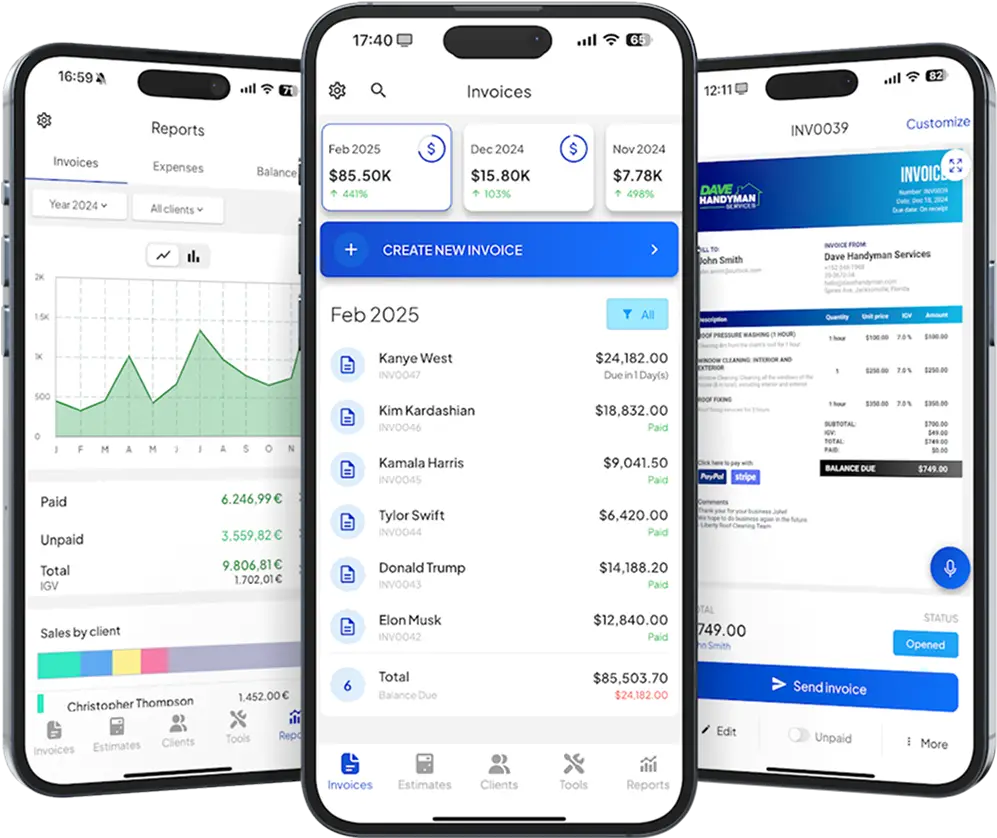
Using an invoice maker helps you create professional invoices, track payments, and maintain a clear record of your receivables. Pair that with a free invoice generator to quickly issue invoices and keep your cash flow moving.
For growing businesses, having a reliable invoicing system reduces delays, improves approval rates with lenders, and gives you better control over your finances.