What Is a Receipt? Definition, Types & Business Uses
Table of Contents
A receipt is a written document that proves money, goods, or services have been received, serving as proof of a completed transaction. For contractors and small business owners, receipts confirm customers have paid, help track income and expenses for bookkeeping, and provide the documentation needed to support tax deductions or refunds during an IRS audit. Whether it’s a cash receipt from a job site payment, a digital receipt from online sales, or an email confirmation from a bank deposit, understanding what a receipt is and what to include makes your business more professional and compliant.
What Is a Receipt?
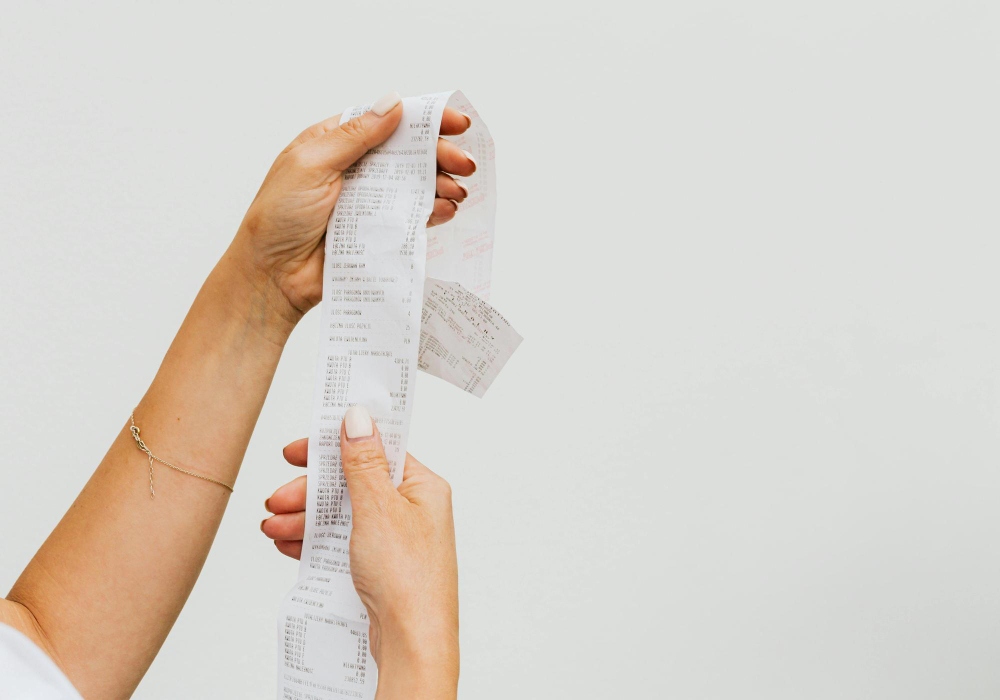
A receipt is a document that acknowledges payment or confirms that goods or services have been delivered. In simple terms, it shows that a transaction is complete. The receipt meaning can apply to both physical paper slips and digital records like emails or PDFs.
In accounting, a receipt plays a key role in recording transactions. It acts as proof that money has changed hands. For example, if a contractor finishes a $1,200 kitchen repair job and the client pays in cash, the contractor issues a receipt confirming the payment. This protects both parties in case of disputes.
Receipts are used in many situations:
- Retail purchases
- Service-based businesses
- Online transactions
- Bank transfers
The definition of a receipt also extends beyond business. It can refer to the act of receiving something, such as “receipt of payment” or “receipt of goods.”
For small business owners, receipts are essential for tracking income and expenses. Without them, it becomes difficult to prove payments or justify deductions during tax season.
To learn how to properly structure one, see this guide on how to write a receipt of payment.
What Counts as a Receipt?
Not every document qualifies as a receipt. To count as a valid receipt, it must clearly show that a transaction took place and that payment was received.
A receipt can be:
- A printed slip from a cash register
- A handwritten document
- A digital email confirmation
- A bank transaction record with payment details
For example, if a landscaper receives $300 via bank transfer, the bank confirmation alone may not be enough. A proper receipt should still be issued, showing the service provided and the amount received.
In real-world scenarios, many small businesses rely on simple formats. A handyman might use a receipt book and write down the date, service, and payment amount. Meanwhile, an online store automatically generates digital receipts for every purchase.
To be valid for accounting and tax purposes, a receipt should include clear details such as the amount, date, and parties involved. Missing information can make it harder to use the receipt as proof later.
If you’re unsure what qualifies, this breakdown of sales receipt examples can help clarify.
Creating receipts consistently is key. Using structured formats or ready-made tools like free receipt templates helps ensure every transaction is properly documented and easy to track later.
Components of a Receipt
A complete receipt includes several key elements. These ensure the document is clear, professional, and useful for recordkeeping.
Here are the essential components:
- Business name and contact details
- Customer name (if applicable)
- Date of transaction
- Unique receipt number
- Description of goods or services
- Total amount paid
- Payment method (cash, card, bank transfer)
- Signature or confirmation (for handwritten receipts)
For example, imagine a contractor completes a roofing repair for $2,500. A proper receipt would list the materials used, labor cost, total price, and payment method. If the client later questions the charge, the receipt provides clear documentation.
Itemized receipts are especially useful. Instead of showing just a total, they break down each cost. This helps customers understand what they paid for and makes accounting more accurate.
Example of a Receipt
Here’s a simple example of how a receipt might look in practice:
Business: Smith Plumbing Services
Address: 123 Main Street
Date: March 10, 2026
Receipt #: 1025
Customer: John Davis
Description:
- Pipe repair: $150
- Labor: $100
Total Paid: $250
Payment Method: Cash
In this example, the receipt clearly shows what service was provided and how much was paid. If John Davis needs proof for reimbursement or tax purposes, this document is enough.
Now consider a digital example. An e-commerce store sends an email receipt after a $75 purchase. It includes item details, shipping costs, and payment confirmation. Even without a printed copy, this still counts as a valid receipt.
Why Are Receipts Important?

Receipts are more than just paperwork. They play a critical role in running a business smoothly.
- Receipts provide proof of payment. If a customer claims they already paid for a $500 service, the receipt confirms whether that’s true.
- Receipts help with bookkeeping. Business owners use them to track income and expenses. For example, a contractor might collect 50 receipts in a month. These records make it easier to calculate total earnings and costs.
- Receipts are essential for taxes. Without proper documentation, deductions may be denied. For instance, if you claim $3,000 in equipment expenses but have no receipts, you may not be able to prove it.
- Receipts improve professionalism. Providing a clear receipt builds trust with clients and shows that your business is organized.
IRS Requirements for Receipts
The IRS requires businesses to keep accurate records of income and expenses. Receipts are a key part of this documentation.
According to the IRS, businesses must maintain records that support income, deductions, and credits.
In general, you should keep receipts for:
- Business expenses
- Equipment purchases
- Travel and meals
- Client payments
For example, if you buy tools worth $800 for your contracting business, you need the receipt to claim that expense. Without it, the deduction may not be accepted.
The IRS does not always require physical paper receipts. Digital copies are acceptable as long as they are clear and complete. Many businesses now scan or store receipts electronically.
A common rule is to keep receipts for at least three years. However, in some cases, you may need to keep them longer, especially for large purchases or audits.
History and Origin of Receipts
Receipts have been used for thousands of years. The earliest versions date back to ancient civilizations, where merchants recorded transactions on clay tablets or papyrus.
The word “receipt” comes from the Medieval Latin term recepta, meaning “money received.”
In the past, receipts were handwritten and often simple. A merchant might write a short note confirming payment. As trade grew, receipts became more detailed and standardized.
Today, technology has changed how receipts are created and stored. Businesses use software to generate digital receipts instantly. This reduces errors and makes recordkeeping easier.
Despite these changes, the purpose remains the same: to provide proof of a transaction.
Types of Receipts
Cash Receipts
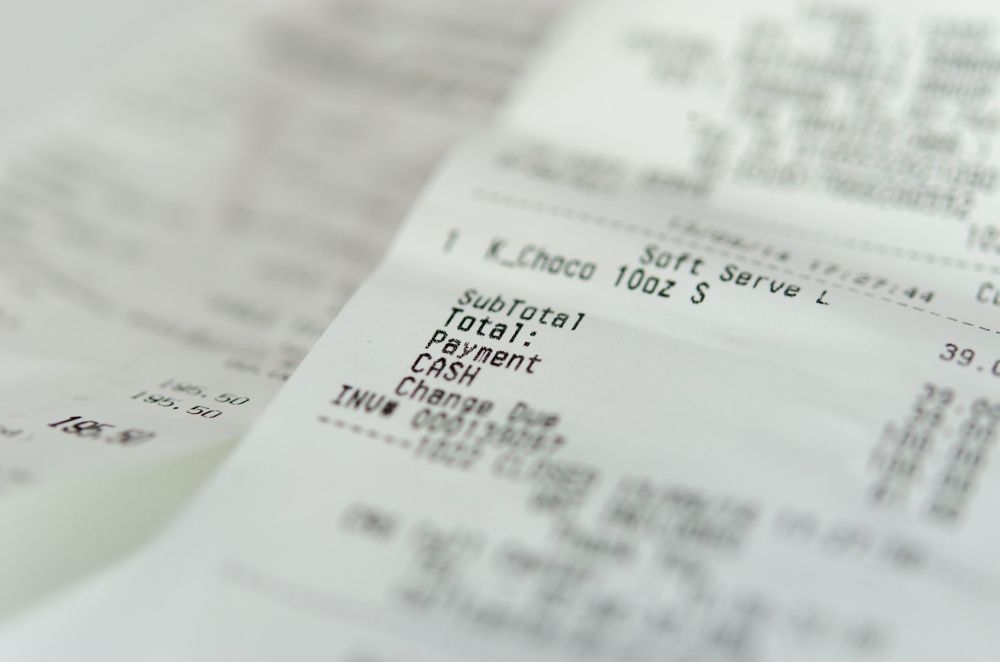
Cash receipts are issued when payment is made in cash. These are common in industries like construction, repair services, and small retail shops.
For example, a painter completes a $600 job and is paid in cash. They write a receipt confirming the amount received. This protects both the painter and the client.
Cash receipts are important because cash transactions are harder to track. Without a receipt, there is no record of the payment.
Gross Receipts
Gross receipts refer to the total income a business receives before expenses are deducted. This includes all sales, services, and other income sources.
For instance, if a business earns $10,000 in a month but spends $4,000 on expenses, the gross receipts are still $10,000.
Tracking gross receipts helps business owners understand their total revenue and is often required for tax reporting.
Cash Register Receipts
Cash register receipts are automatically generated during retail transactions. These receipts are usually printed and include itemized details.
For example, a customer buys groceries for $85. The receipt lists each item, price, tax, and total amount. This makes it easy to return items or verify charges.
These receipts are widely used because they are fast and accurate.
Handwritten Receipts
Handwritten receipts are common for small businesses or contractors who work on-site.
For example, a plumber might carry a receipt book and write a receipt after completing a job. While simple, these receipts must still include key details like date and amount.
They are useful when digital tools are not available. You can also explore donation receipt formats for similar documentation styles.
Packing Slips
Packing slips are included in shipped orders. They list the items in a package but do not always show prices.
For example, an online store ships a product with a packing slip showing the contents. While helpful for verifying deliveries, it may not always count as a full receipt unless payment details are included.
Carbon Copies
Carbon copy receipts create duplicate records. When a receipt is written, a copy is automatically made for the business.
For example, a contractor writes a receipt for $900. The client gets the original, and the contractor keeps the copy for records.
This method ensures both parties have proof of the transaction.
Common Receipt Mistakes and Misconceptions
Is an Invoice the Same as a Receipt?
An invoice and a receipt are not the same. An invoice is sent before payment, requesting money. A receipt is issued after payment is received.
For example, a freelancer sends a $1,000 invoice for a project. Once the client pays, the freelancer issues a receipt confirming the payment.
Confusing these documents can lead to accounting errors. If you’re handling confirmations, this guide on confirming receipt explains the process.
Is a Bill the Same as a Receipt?
A bill is similar to an invoice. It shows what a customer owes. A receipt, on the other hand, confirms that the payment has already been made.
For example, a restaurant bill shows the total due. Once paid, the customer receives a receipt.
Understanding this difference helps avoid misunderstandings with customers.
If you want to improve your documentation process, revisit this guide on how to write a receipt of payment to ensure every transaction is properly recorded.
Create and Manage Receipts More Efficiently
Handling receipts manually can slow down your workflow, especially as your business grows. Instead of writing receipts by hand or tracking them in scattered files, using digital tools can simplify the process.
With a free receipt generator, you can create professional, itemized receipts in seconds, whether you’re on-site or working remotely.If you also send invoices regularly, combining your workflow with an invoice maker or free invoice generator makes it easier to manage payments from start to finish.