Blue Collar Salary: How Much Do Blue Collar Workers Make?

Table of Contents
- Blue collar salaries explained
- How much do blue collar workers make?
- What is the highest paying blue-collar job?
- The highest paying blue-collar jobs
- Factors that influence blue collar salary
- Calculate blue collar salary for free
- Salary Calculator
- Total Summary
- Blue collar salary vs white collar salary
- Manage blue collar jobs and payments more efficiently
- FAQs
Blue collar salary in the U.S. averages about $53,440 per year, or roughly $25.69 per hour, with most workers earning between $29,000 and $73,500 depending on the trade, experience, and location. Skilled roles like electricians, plumbers, and linemen often earn significantly more, with top earners exceeding $100,000 annually. For contractors and small business owners, understanding how much blue collar workers make is critical for hiring, budgeting, and staying competitive in today’s labor market.
This guide will cover:
- How blue collar workers are paid (hourly, weekly, yearly)
- Average yearly, monthly, and weekly wages
- What impacts blue collar salary levels
- The highest paying blue collar jobs
- Real salary examples across industries
Blue collar salaries explained

Blue collar salaries vary widely because the term covers many trades—construction, maintenance, transportation, manufacturing, and more. Pay depends on skill level, certifications, demand, and whether the worker is employed or self-employed.
According to the Bureau of Labor Statistics, wage growth in skilled trades has accelerated in recent years due to labor shortages and increased infrastructure spending. This means employers often need to offer higher hourly wages and better benefits to attract experienced workers.
To better understand what defines these roles, see this guide on what is blue collar work which breaks down industries, job types, and classifications.
How are blue collar workers paid
Most blue collar workers are paid hourly, but there are several common pay structures:
- Hourly wages (most common)
- Example: A construction laborer earns $22/hour
- Overtime often applies after 40 hours
- Weekly pay
- Common in construction and contracting
- Example: A roofer earns $1,200/week during peak season
- Salary (less common)
- Typically for supervisors or managers
- Example: A site foreman earns $70,000/year
- Project-based pay
- Common for self-employed tradespeople
- Example: A plumber charges $2,500 for a full bathroom install
Example: A small contractor hiring electricians may offer $30/hour base pay. With overtime, that worker could earn closer to $80,000 annually, especially during busy seasons.
Pay structure matters for budgeting. Hourly workers may cost more during peak periods due to overtime, while salaried workers provide predictable payroll expenses.
Yearly blue collar salaries
The average yearly blue collar salary is about $53,440, but this number varies significantly depending on the trade.
Here’s a realistic breakdown:
- Entry-level workers: $29,000–$38,000
- Mid-level skilled workers: $45,000–$65,000
- Experienced tradespeople: $65,000–$90,000
- Specialized experts: $90,000–$106,000+
Example: An HVAC technician with 5 years of experience might earn $58,000 annually. After gaining certifications and working independently, that same technician could reach $85,000+ per year.
Location also plays a big role. In high-demand areas like California or Texas, wages are often 10–25% higher due to cost of living and labor shortages.
Union jobs can push salaries even higher. For example, union electricians often earn $10–$15 more per hour than non-union workers, along with better benefits.
Monthly blue collar salaries
Breaking annual pay into monthly income helps both workers and employers plan cash flow.
Average monthly earnings:
- Low range: $2,400/month
- Mid range: $3,500–$5,400/month
- High range: $7,000–$8,500+/month
Example: A plumber earning $60,000 annually brings in about $5,000 per month before taxes. If that plumber takes on side jobs, like emergency repairs, they could add another $1,000–$2,000 monthly.
For business owners, this helps estimate labor costs. Hiring three workers at $4,000/month each means a baseline payroll of $12,000/month, excluding taxes and insurance.
Seasonality also affects monthly income. Landscapers, roofers, and construction workers may earn significantly more in peak months and less during slow periods.
Weekly blue collar salaries

Weekly pay is common in trades, especially for contractors and job-site workers.
Typical weekly earnings:
- Entry-level: $600–$800/week
- Skilled workers: $900–$1,500/week
- High earners: $1,800–$2,500+/week
Example: A welder earning $28/hour and working 45 hours per week:
- Regular pay: 40 hours × $28 = $1,120
- Overtime: 5 hours × $42 = $210
- Total: $1,330/week
Over a year, that adds up to nearly $69,000. Weekly pay is useful for workers managing short-term expenses and for contractors tracking job profitability. It also reflects how overtime can significantly boost earnings.
How much do blue collar workers make?
So, how much do blue collar workers make overall?
Here’s a clear snapshot:
- Average hourly wage: $25.69
- Average yearly salary: $53,440
- Typical range: $29,000–$73,500
- Top earners: $100,000+
Example: A general contractor hiring a crew might see the following rates:
- Laborer: $18/hour
- Carpenter: $26/hour
- Electrician: $34/hour
If each works 40 hours weekly:
- Laborer: ~$37,000/year
- Carpenter: ~$54,000/year
- Electrician: ~$70,000/year
Key factors that influence pay:
- Experience level – More years = higher pay
- Certifications – Licensed trades earn more
- Overtime availability – Can increase income by 20–50%
- Location – Urban areas pay more
- Demand – Shortages drive wages up
Example: A lineman working in storm restoration may earn $100,000+ due to long hours and hazard pay, while a factory worker in a low-demand region might earn closer to $35,000.
What is the highest paying blue-collar job?
The highest paying blue-collar jobs are typically specialized roles that require training, certifications, or involve risk.
Top example:
- Elevator repairer: ~$106,000 annually
Why it pays so well:
- Requires technical expertise
- Involves safety risks
- High demand, low supply of workers
Other high-paying factors:
- Working at heights or with electricity
- Emergency or on-call work
- Complex systems (HVAC, industrial machinery)
Example: An elevator technician working in a major city may earn over $50/hour. With overtime, that can exceed $120,000 per year.
Jobs tied to infrastructure and utilities tend to pay more because they are essential and cannot be outsourced easily.
The highest paying blue-collar jobs
Here are some of the top-paying blue collar jobs based on average salary:
- Elevator repairer — $106,000+
- Repair manager — $74,000+
- Police officer — $65,000+
- Electrician — $64,000+
- Boilermaker — $64,000+
- Line maintainer — $61,000+
- HVAC technician — $58,000+
- Plumber — $56,000+
- Construction manager — $75,000–$95,000
Example breakdown:
An electrician earning $32/hour:
- Weekly: $1,280
- Monthly: ~$5,500
- Yearly: ~$66,000
If they start their own business, earnings could exceed $100,000 depending on workload and pricing.
Another example: A construction manager overseeing multiple projects might earn $85,000/year, but bonuses and project incentives could push total compensation over $100,000.
These roles often require:
- Apprenticeships
- Licenses
- On-the-job training
But they usually avoid student debt associated with four-year degrees.
Factors that influence blue collar salary

Blue collar salary changes based on several real-world factors that directly affect how much workers earn. Understanding these variables helps contractors set competitive wages and helps workers plan career growth.
Experience and skill level
Experience is one of the biggest drivers of pay in blue collar jobs.
- Entry-level workers often start with basic tasks and lower wages
- Mid-level workers gain efficiency and independence
- Senior workers handle complex jobs and supervision
Example: A first-year carpenter may earn $18/hour. After 5–7 years, that same worker could earn $30/hour or more, especially if they specialize in framing or finish work.
Skill specialization also matters. Workers trained in high-demand areas—like electrical systems, HVAC diagnostics, or heavy equipment operation—can command significantly higher rates.
Certifications and licensing
Many trades require licenses or certifications, and these directly impact salary.
Examples include:
- Electrician licensing
- HVAC certification (EPA 608)
- Commercial driver’s license (CDL)
Example: An unlicensed electrician helper might earn $20/hour, while a licensed journeyman electrician can earn $35/hour or more.
Certifications signal credibility and reduce risk for employers, which is why they are often tied to higher pay.
Location and cost of living
Where a worker lives has a major impact on wages.
- High-cost states (California, New York): higher wages
- Lower-cost regions (Midwest, rural areas): lower wages
- Urban vs rural: cities typically pay more
Example: A construction worker in California might earn $28/hour, while a similar role in a smaller town could pay $20/hour.
However, higher wages don’t always mean higher profit for workers as living expenses also increase. For employers, this means adjusting pay rates to stay competitive within the local market.
Overtime and seasonal demand
Overtime is a major income booster in blue collar work.
- Time-and-a-half pay after 40 hours
- Double-time in some union jobs
- Seasonal spikes in construction and landscaping
Example: A worker earning $25/hour who logs 10 overtime hours weekly could increase annual income by over $13,000.
Seasonality also plays a role:
- Roofing and landscaping peak in warmer months
- Snow removal spikes in winter
- Construction slows in colder climates
Contractors often rely on overtime during busy periods instead of hiring additional staff, which increases weekly earnings for workers.
Calculate blue collar salary for free
A blue collar salary calculator helps you estimate your net income after common taxes and deductions. Enter your yearly gross income to calculate estimated federal tax, state tax, Social Security, Medicare, total taxes due, and your final take-home salary.
Salary Calculator
Yearly Gross Income
Income before Taxes
Federal Tax
Brackets: 10%, 12%, 22%, 24%, 32%, 35%, & 37%
State Tax
Brackets: 0% – 11.45%
Social Security
Brackets: 0% – 12.4%
Medicare
The most common Medicare Tax in USA is 1.45%

Total Summary
Once you’ve calculated your estimated take-home pay, you can better understand your earning potential and plan your career or business goals.
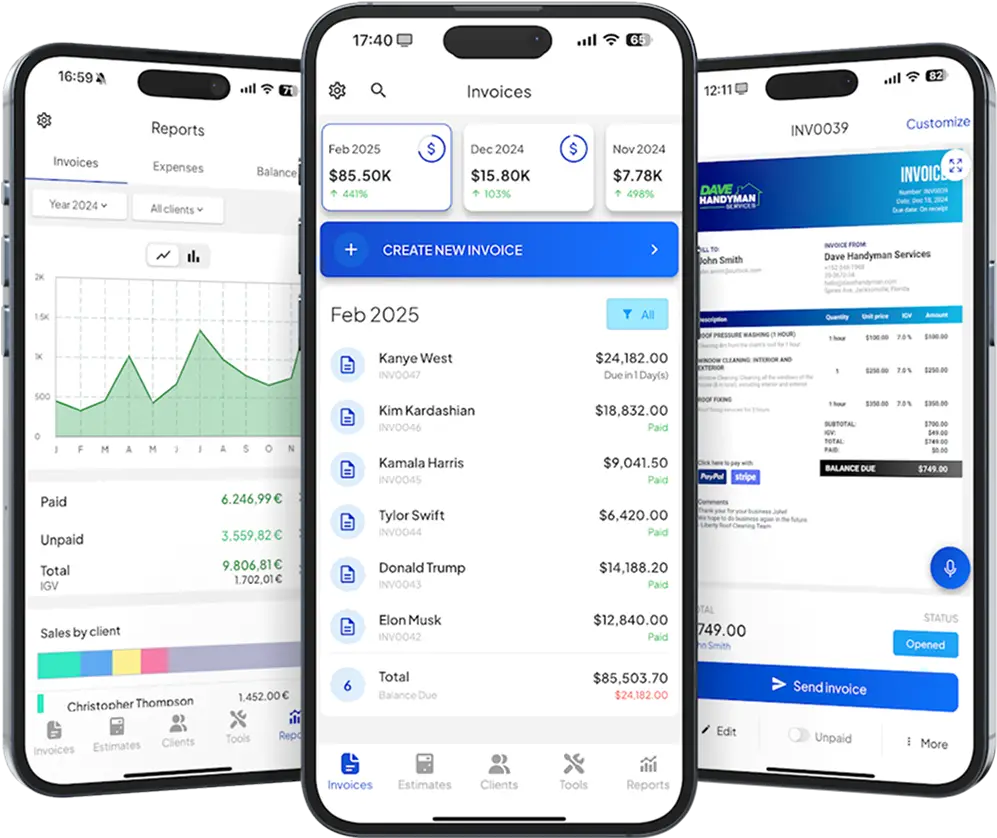
Calculating your salary is only one part of building a successful career in the trades. Home-service pros lose an average of 852.8 hours a year (~$25,000) to non-billable admin like quoting and invoicing. InvoiceFly users send estimates 50–70% faster and recover up to 400 hours a year by streamlining their workflow with estimate and invoice software. (Source: InvoiceFly Salary & Time Gap Report 2026; time data: Oasis Paychex Report.)
For blue collar professionals who run their own businesses, Invoice Fly’s estimate software helps create accurate quotes in minutes. When customers approve, you can convert estimates into invoices with Invoice Fly’s invoice software in just a few clicks.
Blue collar salary vs white collar salary

Comparing blue collar salary to white collar wages helps put earning potential into perspective, especially for business owners deciding hiring strategies.
Income comparison
On average:
- Blue collar workers: ~$53,440/year
- White collar workers: ~$60,000–$85,000/year
At first glance, white collar roles may seem higher paying. However, the gap is smaller than many expect—and often disappears in skilled trades.
Example: A software support specialist may earn $65,000/year, while an experienced electrician or plumber can earn the same or more, especially with overtime or self-employment.
Education vs earning potential
One key difference is education cost.
- White collar jobs often require a 4-year degree
- Blue collar jobs rely on apprenticeships or trade schools
Example: A college graduate may have $30,000–$50,000 in student debt. A trade worker may enter the workforce earlier and start earning immediately.
Over time, this can balance out lifetime earnings.
Job stability and demand
Blue collar jobs are often more stable in certain sectors.
- Infrastructure work cannot be outsourced
- Skilled trades are in short supply
- Demand is rising due to retiring workers
Example: During economic downturns, office jobs may be cut faster than essential trade jobs like plumbing, electrical repair, or HVAC maintenance.
For contractors, this means investing in skilled labor is often a safer long-term strategy than relying heavily on administrative roles.
Self-employment opportunities
Blue collar workers often have more opportunities to start their own businesses.
Examples:
- Independent plumbers
- Electrical contractors
- Landscaping companies
Example: A self-employed plumber charging $100/hour and working 30 billable hours per week could generate over $150,000 annually before expenses.
This flexibility gives blue collar workers a higher earning ceiling than many traditional salaried roles.
Manage blue collar jobs and payments more efficiently
Blue collar salary levels are more competitive than ever, with the average worker earning around $53,440 annually and many skilled trades surpassing $70,000 or even $100,000. Pay varies widely based on experience, location, certifications, and demand.
For contractors and small business owners, understanding these wage benchmarks helps you:
- Hire competitively
- Price jobs accurately
- Plan long-term growth
When managing labor costs you also need efficient systems to handle estimates, invoices, and cash flow.
For example, using a free estimate generator can help you quickly price jobs based on current labor rates, making it easier to stay profitable while remaining competitive.
Once the work is complete, tools like an invoice maker help you bill clients faster and keep your cash flow consistent. Especially important when managing multiple workers and weekly payroll.