Arborist Services: Complete Guide for Contractors to Grow Their Business
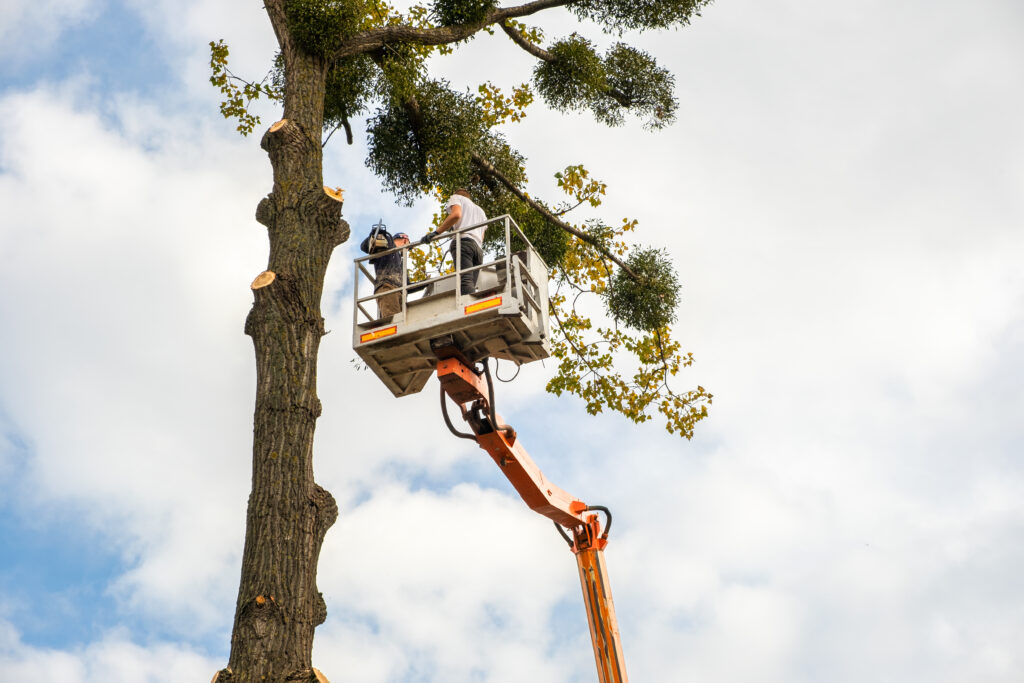
Table of Contents
- What are arborist services?
- Types of arborist services
- What arborist services contractors should offer
- How do arborists maintain tree health?
- When is it necessary to call an arborist?
- Can arborist services help with tree removal?
- What services does an arborist provide?
- Grow your arborist business
- Turn more tree service jobs into repeat clients
- FAQs
Arborist services focus on maintaining tree health, safety, and long-term value through professional care like pruning, disease management, and structural support. Unlike basic landscaping, arborist services involve specialized knowledge of tree biology, risk assessment, and proper maintenance techniques to prevent damage or failure. For contractors, offering services like tree health diagnostics, emergency storm response, and safe removals can significantly increase revenue while positioning your business as a full-service provider.
This guide will cover:
- What arborist services include
- The main types of arborist services
- Which services contractors should offer
- How arborists maintain tree health
- When to recommend arborist services to clients
What are arborist services?
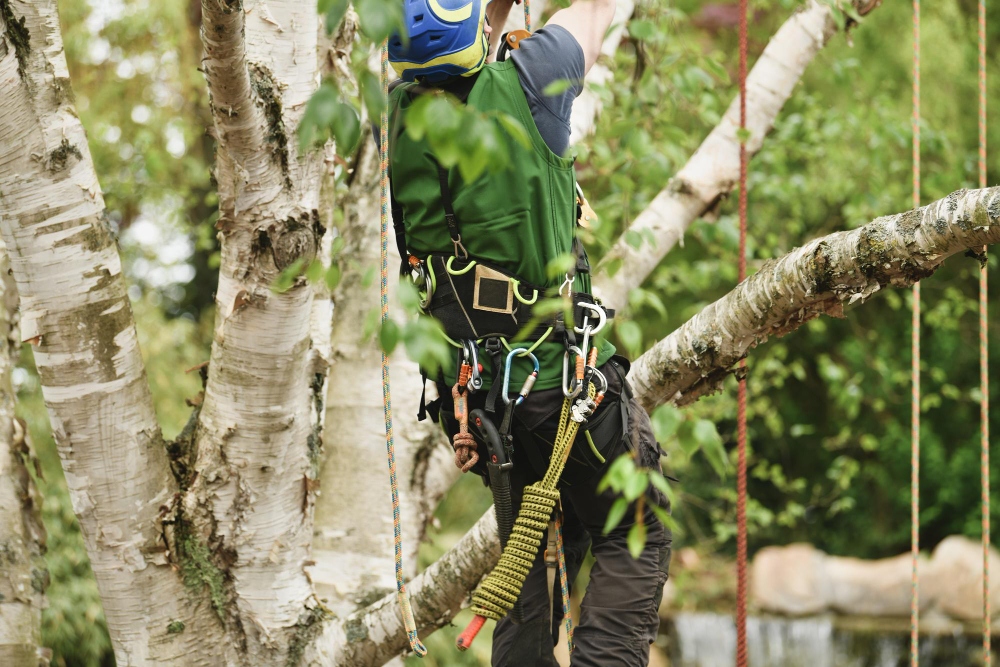
Arborist services are professional tree care solutions focused on maintaining the health, safety, and structure of trees. These services go beyond simple trimming and involve diagnosing issues, preventing damage, and managing long-term tree growth.
Certified arborists are trained to assess tree health, identify diseases, and apply treatments that support proper development. For example, instead of cutting branches randomly, an arborist will prune based on structure, removing weak or crossing limbs to improve stability.
Typical arborist services include:
- Tree pruning and trimming
- Tree removal (when necessary)
- Plant health care and disease treatment
- Risk assessment and safety inspections
- Soil management and fertilization
For instance, a homeowner with a large oak tree showing dead branches may need structural pruning and a health inspection, rather than removal. This kind of recommendation builds trust and often leads to repeat work.
For contractors, adding arborist services opens the door to higher-value jobs and long-term maintenance contracts. Many businesses expand into this space after learning how to start a tree removal business.
Types of arborist services
Arborist services can be grouped into several core categories, each offering different revenue opportunities and skill requirements.
- Tree pruning and trimming: This is one of the most common services. Proper pruning improves tree structure, removes hazardous limbs, and promotes healthy growth. For example, pruning a mature tree every 2–3 years can prevent costly damage during storms.
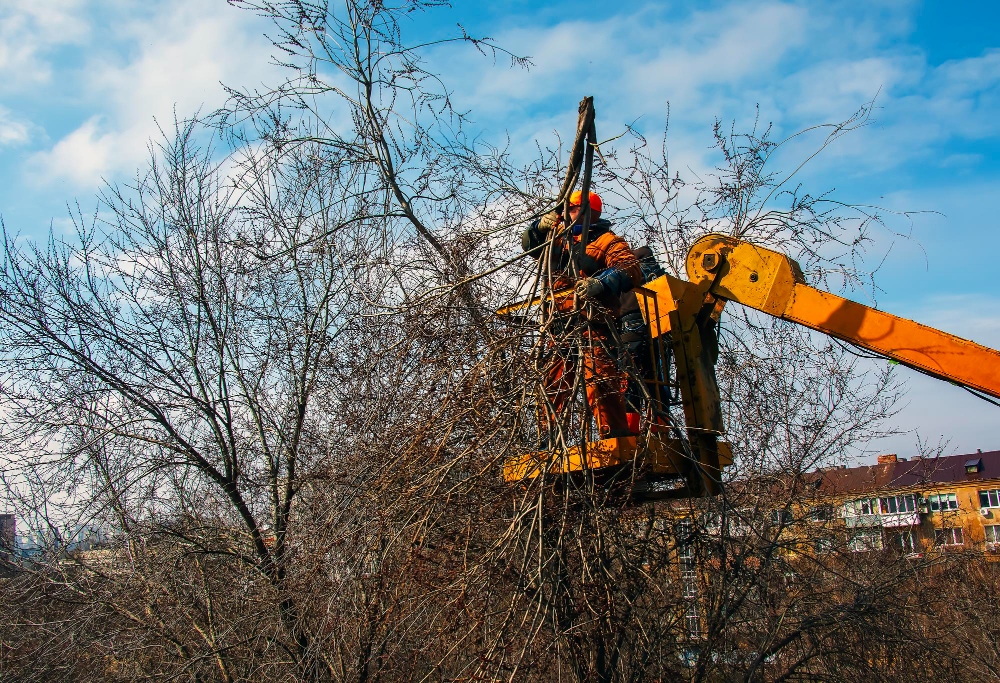
- Tree removal: Tree removal is typically a last resort when a tree is dead, diseased, or poses a safety risk. These jobs are higher value but require specialized equipment like cranes or rigging systems.
- Plant health care (PHC): This includes diagnosing diseases, managing pests, and improving soil conditions. For example, treating a tree for fungal infection early can save it and avoid removal costs.
- Emergency tree services: Storm damage creates urgent demand. Contractors may be called to remove fallen limbs or stabilize damaged trees within hours.
- Cabling and bracing: This involves installing support systems for weak branches or split trunks. For example, a large tree with multiple trunks may need cabling to prevent splitting.
- Tree planting and selection: Helping clients choose the right tree species for their property can prevent long-term issues and create future maintenance work.
Each category requires different tools, skills, and pricing strategies. Investing in the right tree trimming tools is essential as you expand your services.
What arborist services contractors should offer
Not every contractor needs to offer every service. The goal is to build a service mix that balances profitability, skill level, and equipment investment.
Most successful arborist businesses focus on:
- Pruning and trimming for steady recurring work
- Tree removal for high-ticket jobs
- Plant health care for long-term contracts
- Emergency services for quick, high-margin work
For example, a contractor might generate consistent income from weekly pruning jobs while relying on occasional removals to boost revenue.
Offering bundled services can also increase job value. Instead of just removing a tree, you might include stump grinding, cleanup, and future planting recommendations.
Contractors who understand pricing and service scope are better positioned to quote profitable jobs and avoid underpricing.
If you’re estimating jobs regularly, using a free estimate generator can help you create professional quotes quickly and win more clients without underpricing your work.
How do arborists maintain tree health?
Maintaining tree health requires a proactive approach rather than reactive fixes. Arborists focus on prevention, monitoring, and targeted treatment.
Key methods include:
- Proper pruning: Removing dead or weak branches to reduce stress
- Soil management: Improving nutrients and root conditions
- Pest and disease control: Identifying issues early and applying treatment
- Water management: Ensuring trees receive the right amount of moisture
For example, a tree showing yellowing leaves may not need removal, it could require soil treatment or pest control.
Arborists also follow industry safety and care standards. According to the OSHA, proper procedures and equipment are essential for safe tree work.
Regular inspections are essential. Many contractors offer annual tree health assessments to identify problems early and maintain client relationships.
When is it necessary to call an arborist?
Knowing when to recommend arborist services helps contractors build trust and avoid liability.
Common situations include:
- Dead or falling branches
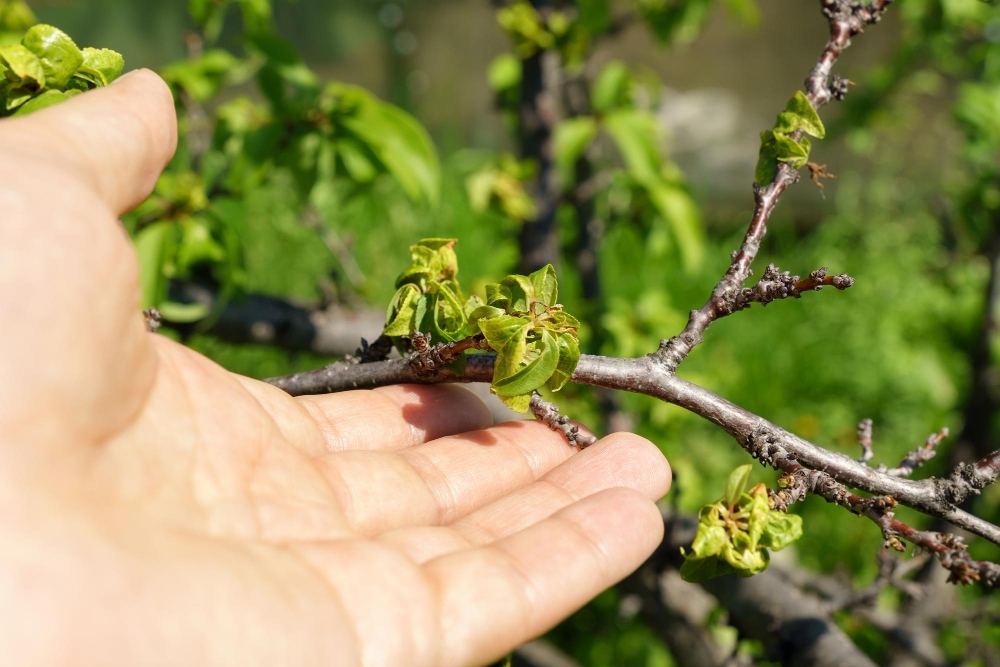
- Signs of disease or pest infestation
- Leaning trees or structural instability
- Trees damaged by storms
- Roots affecting foundations or sidewalks
For example, a homeowner may notice cracks in the soil or exposed roots near a tree. This could indicate instability that requires professional assessment.
Ignoring these signs can lead to property damage or safety hazards. In many cases, early intervention is much cheaper than emergency removal.
Contractors who educate clients on these warning signs often secure more long-term work and referrals.
Can arborist services help with tree removal?
Yes, arborist services play a critical role in safe and efficient tree removal. While removal is often seen as a separate service, it requires the expertise of trained professionals.
Arborists assess:
- Tree condition and structural integrity
- Surrounding hazards (buildings, power lines)
- Safe removal techniques
For example, removing a tree in a tight residential space may require sectional dismantling using ropes and rigging.
Arborists also ensure that removal is done only when necessary. In many cases, alternative treatments can save the tree.
For contractors, offering removal alongside arborist services increases job value and allows for complete project management.
If you’re just starting out, a free invoice generator or a tree removal invoice template can help you look professional from your first client.
What services does an arborist provide?
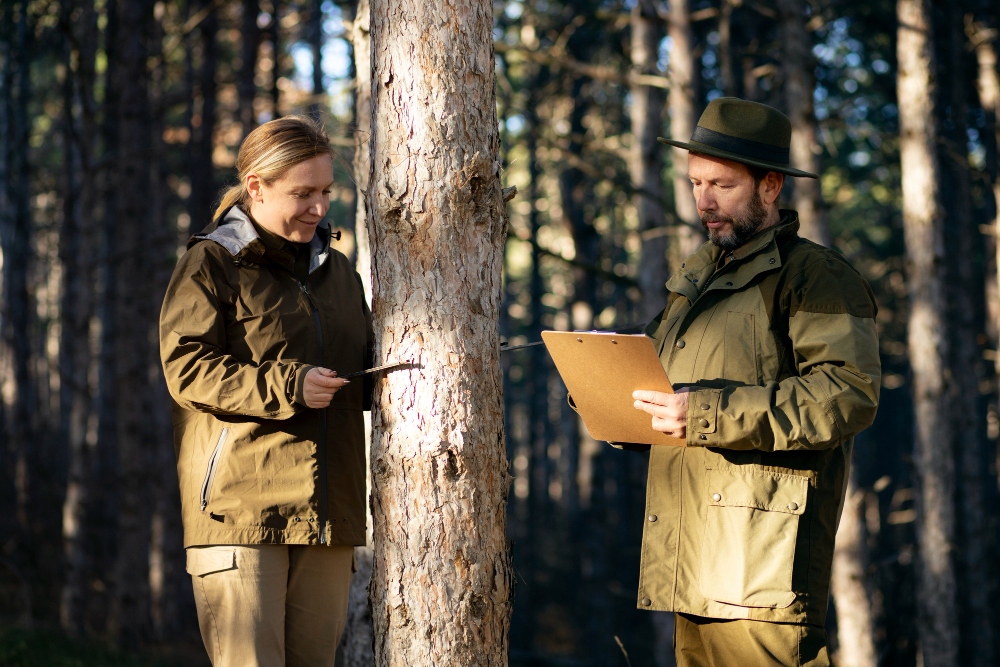
Arborists provide a wide range of services that go beyond basic tree work.
Core services include:
- Tree inspections and risk assessments
- Pruning and trimming
- Disease and pest management
- Soil and root care
- Emergency storm response
- Tree removal and replacement
For example, a commercial property manager may hire an arborist to inspect multiple trees and create a long-term maintenance plan.
These services can be packaged into ongoing contracts, creating predictable income for contractors.
Expanding into multiple service areas allows businesses to serve both residential and commercial clients effectively. Many contractors also review benchmarks like this arborist salary guide when planning business growth.
Grow your arborist business
Arborist services offer contractors a strong opportunity to increase revenue while providing high-value, specialized work. By expanding beyond basic tree cutting into health care, inspections, tree removal and emergency services, you can build a more resilient and profitable business.
The most successful contractors focus on:
- Offering a mix of recurring and high-ticket services
- Educating clients on tree health and safety
- Investing in proper tools and training
- Building long-term maintenance relationships
With the right approach, arborist services can turn one-time jobs into ongoing contracts and position your business as a trusted expert in tree care.
Turn more tree service jobs into repeat clients
As your arborist business grows, managing estimates, scheduling, and invoicing becomes just as important as the work itself.
Using software for tree service specialists helps you keep track of jobs, client history, and maintenance schedules in one place. An invoice maker allows you to send professional invoices quickly, while an estimates app helps you quote jobs accurately and win more work.
Staying organized makes it easier to handle more jobs, improve customer experience, and grow your business without getting overwhelmed.