How Much Does Termite Treatment Cost? 2026 Pricing Guide
Table of Contents
Termite treatment costs typically range from $250 to $2,500, with a national average around $1,500 depending on the home size, infestation severity, and treatment method. For pest control contractors, knowing how much termite treatment cost helps you price jobs competitively while covering materials, labor, travel, and warranty follow-ups. Liquid barrier treatments for subterranean termites usually fall between $1,000–$3,200, bait systems cost $1,500–$3,000, and full fumigation tenting can reach $1,200–$3,800 or more for larger homes.
This guide will cover:
- Average termite treatment costs by type
- Pricing breakdowns by home size and infestation level
- Key factors that impact termite control pricing
- How contractors can track costs and set profitable rates
How much does termite treatment cost?
The short answer: termite treatment costs vary widely based on the situation.
Here’s a realistic pricing breakdown contractors can use:
- Minor infestations: $250 – $500
- Moderate infestations: $800 – $2,000
- Severe infestations: $2,500 – $6,000+
Most residential jobs fall around $1,200 to $2,500, especially for standard suburban homes.
Cost by treatment type
Different termite control methods come with very different price points:
- Liquid termiticide barriers: $1,000 – $3,200
- Bait systems: $1,500 – $3,000 (plus annual fees)
- Fumigation (tenting): $1,200 – $3,800+
- Spot treatments: $200 – $1,000
Example: A pest control contractor treating a 2,000 sq ft home for subterranean termites might charge $1,800 for a full liquid barrier system. That price includes drilling, trenching, chemicals, and labor.
Another example: A drywood termite infestation in an attic may require full fumigation, costing $2,500–$3,500 depending on structure size and preparation work.
Costs also scale with complexity. Homes with slab foundations often require drilling through concrete, increasing labor time and price.
Understanding these ranges helps contractors confidently explain pricing to customers and justify higher estimates when needed.
To learn how pricing fits into your broader business setup, review this guide on starting a pest control business.
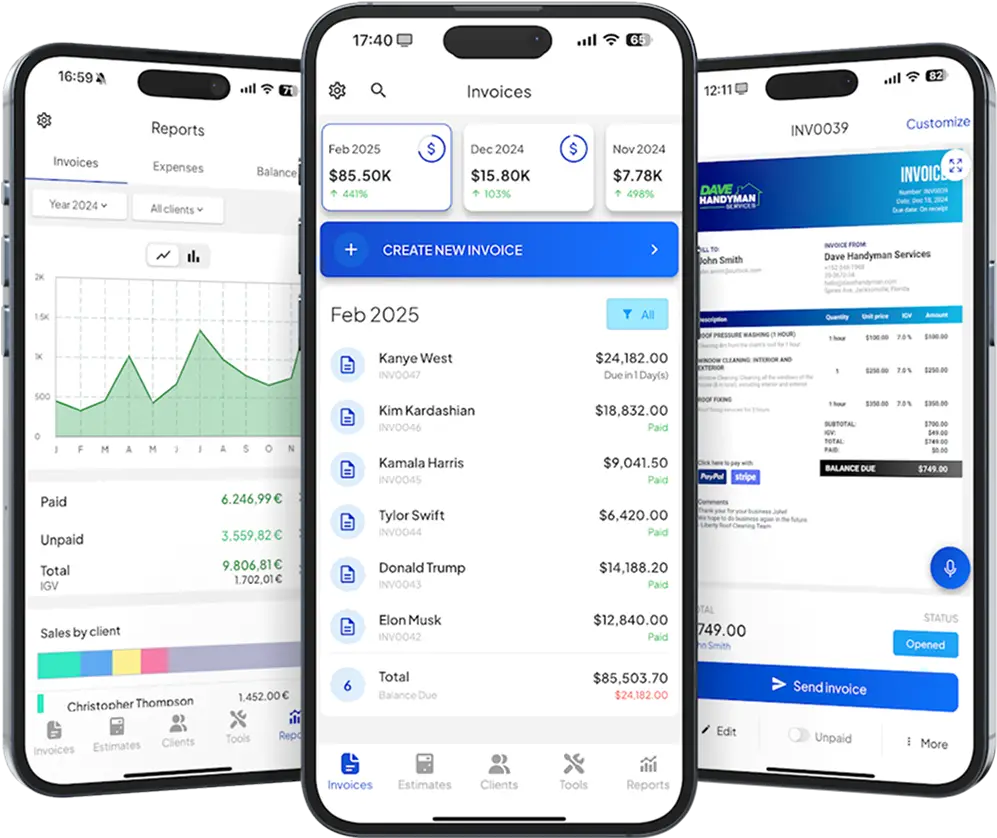
When it comes to estimating termite jobs, speed and clarity matter. Using a free estimate generator helps you create professional, detailed quotes on-site so customers understand pricing instantly and are more likely to approve the job.
Factors that affect termite treatment pricing

Termite pricing isn’t one-size-fits-all. Several key variables determine the final cost of a job.
Geography
Location plays a major role in termite treatment pricing.
- High-risk states (Florida, California, Texas) have higher prices
- Labor costs vary by region
- Climate impacts termite activity
Example: A treatment in Arizona may cost $1,200, while the same job in California could cost $2,000 due to higher labor rates and stricter regulations.
Areas with year-round termite activity also require more aggressive treatments, which increases costs.
For broader service benchmarks, compare termite pricing against general pest control costs.
Property
The size and structure of the property directly affect pricing.
- Larger homes require more chemicals and labor
- Multi-story homes increase access difficulty
- Crawlspaces and slab foundations add complexity
Example: A 1,200 sq ft home may cost $900 to treat, while a 3,000 sq ft home could cost $2,500+ for the same service.
Obstacles like decks, patios, or limited access areas also increase labor time and material use.
The level of the infestation
The severity of the infestation is one of the biggest cost drivers.
- Early-stage infestations: cheaper and localized
- Moderate infestations: require full perimeter treatment
- Severe infestations: may require fumigation and repairs
Example: A small termite colony found during an inspection may cost $300 to treat. A widespread infestation across multiple walls could cost $3,000+.
The longer termites go undetected, the more expensive treatment becomes.
The types of termites
Different termite species require different treatment methods.
- Subterranean termites: soil treatments and barriers
- Drywood termites: fumigation or localized treatments
- Dampwood termites: moisture control and targeted treatment
Example: Subterranean termites often require trenching and chemical barriers costing $1,500+. Drywood termites may require tenting, which can exceed $3,000.
According to the Environmental Protection Agency, proper identification of termites is critical because treatment methods vary significantly between species.
Tracking costs and profit to determine pricing

For pest control contractors, knowing how much termite treatment costs is only half the equation. You also need to understand your own costs to ensure every job is profitable.
Key cost components
Every termite treatment job includes:
- Labor (technicians, time on-site)
- Materials (chemicals, bait systems)
- Equipment (sprayers, drills, safety gear)
- Travel and fuel
- Insurance and licensing
Example: A contractor charging $1,800 for a job might have:
- $400 in labor
- $250 in chemicals
- $150 in overhead
- $1,000+ remaining as gross profit before taxes
Tracking these numbers helps avoid underpricing.
If you are planning payroll or hiring, this pest control salary guide can help you estimate technician labor costs.
Estimating jobs accurately
Accurate estimates build trust and improve close rates.
Example: If a homeowner receives two quotes—one vague and one clearly itemized—they are more likely to choose the contractor who explains costs in detail.
A strong estimate includes:
- Treatment type
- Scope of work
- Warranty details
- Follow-up visits
Contractors who standardize their estimating process can reduce errors and increase efficiency.
For teams that quote termite jobs often, an estimates app helps keep pricing consistent across technicians and service areas.
Setting profitable pricing
To stay profitable, contractors should aim for healthy margins.
Typical targets:
- 40–60% gross margin on termite jobs
- Higher margins for specialized treatments
Example: If your total job cost is $1,000, pricing the job at $1,800 gives you room for profit, marketing, and unexpected expenses.
Underpricing is a common mistake, especially for new businesses trying to win jobs quickly.
Licensing and insurance also affect overhead, so review guides on pest control licensing and pest control insurance before setting long-term rates. For industry-specific workflows, revisit this guide on starting a pest control business.
Price and quote termite jobs more efficiently
Termite treatment costs range from $250 for small jobs to over $3,800 for full fumigation, with most homeowners paying between $1,200 and $2,500. Pricing depends on home size, infestation severity, location, and treatment type.
For pest control contractors, understanding these variables is essential to:
- Set competitive prices
- Maintain strong profit margins
- Build trust with customers
But beyond pricing, your workflow matters just as much.
Using an invoice maker helps you send professional invoices immediately after completing a job, reducing delays and improving cash flow.
For quoting work upfront, an estimates app allows you to calculate treatment costs, present options, and close deals faster.
Contractors who combine accurate pricing with efficient tools are the ones who grow faster and stay profitable long-term.