Pest Control Technician Job Description: Skills and Qualifications
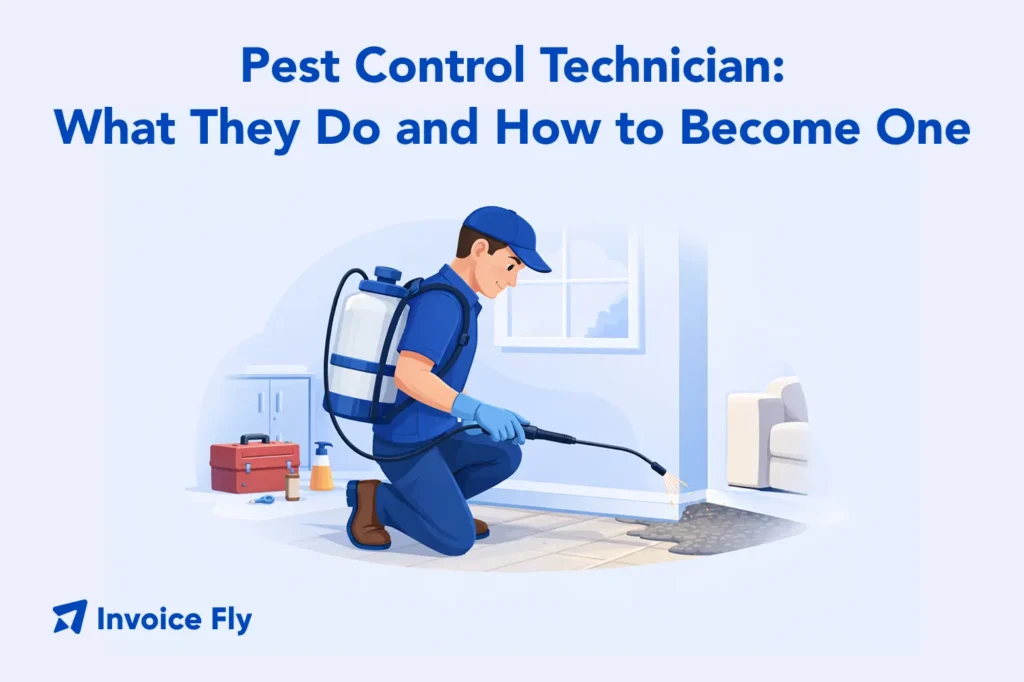
Table of Contents
- What is a pest control technician?
- What do pest control technicians do?
- How much do pest control technicians make?
- Pest control technicians job outlook
- Work environment for pest control technicians
- Top skills for a pest control technician
- Job requirements for pest control technicians
- How to become a pest control technician
- Turn more service calls into paid jobs
- FAQs
A pest control technician is a trained professional who inspects homes and businesses for pests, identifies infestations, and applies treatments to eliminate and prevent them. On a typical day, a pest control technician may visit 10–15 properties, use tools like sprayers and traps, and educate customers on how to avoid future pest problems. Most entry-level roles require a high school diploma or GED, on-the-job training, and a state-issued license to handle pesticides safely.
This guide will cover:
- What a pest control technician does
- Typical salary and job outlook
- Work environment and daily responsibilities
- Key skills and qualifications
- Step-by-step path to becoming a licensed technician
What is a pest control technician?
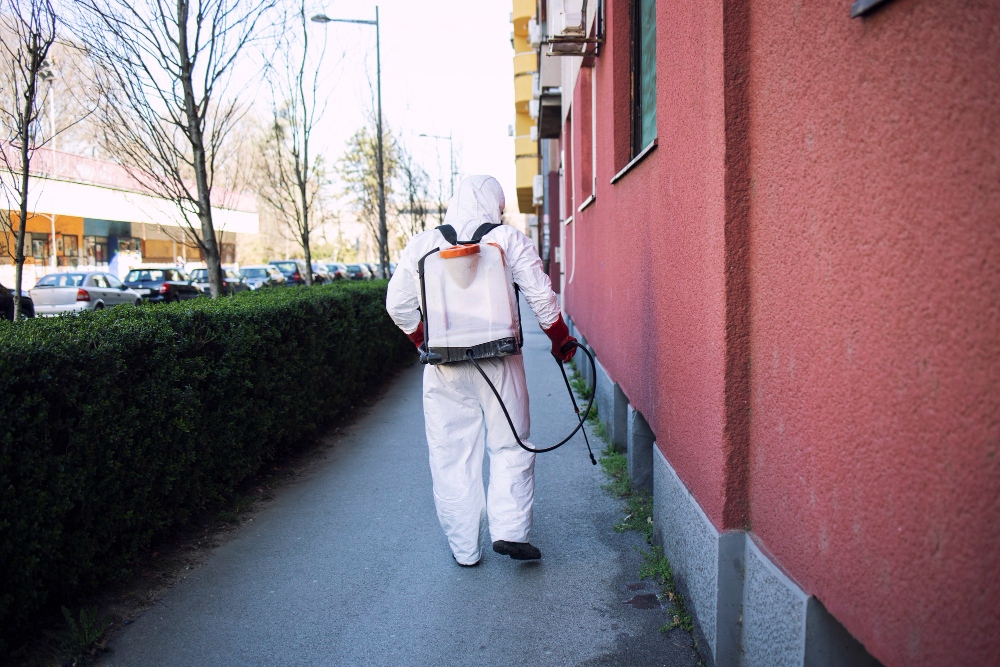
A pest control technician is a service professional responsible for detecting, managing, and preventing infestations of insects, rodents, and other pests in residential, commercial, and industrial settings.
These technicians work in a wide range of environments, including:
- Homes and apartments
- Restaurants and commercial kitchens
- Warehouses and factories
- Office buildings and retail spaces
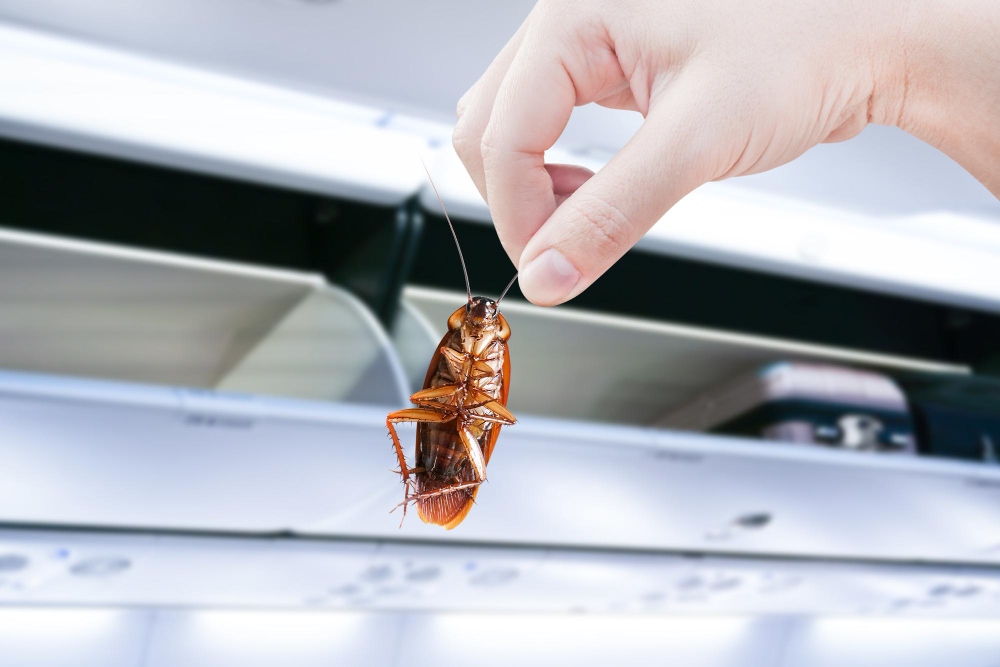
For example, a technician might inspect a restaurant kitchen for signs of cockroaches in the morning, then treat a suburban home for ants in the afternoon. Each job requires careful inspection and a tailored treatment plan.
Pest control technicians are often the first line of defense against health risks caused by pests. Rodents and insects can spread diseases or damage property, so the technician’s role is both preventative and corrective.
Many professionals in this field eventually move into business ownership. Understanding how the job works day-to-day is the first step toward learning how to start a pest control business.

What do pest control technicians do?
The daily tasks of a pest control technician combine technical work, problem-solving, and customer service.
Core responsibilities include:
- Inspecting properties for pest activity
- Identifying pest species and infestation levels
- Applying treatments such as sprays, baits, or traps
- Sealing entry points to prevent future infestations
- Educating customers on prevention methods
- Keeping records of treatments and chemical use
For example, during a termite inspection, a technician may check wooden structures for damage, use moisture meters, and apply targeted treatments to affected areas.
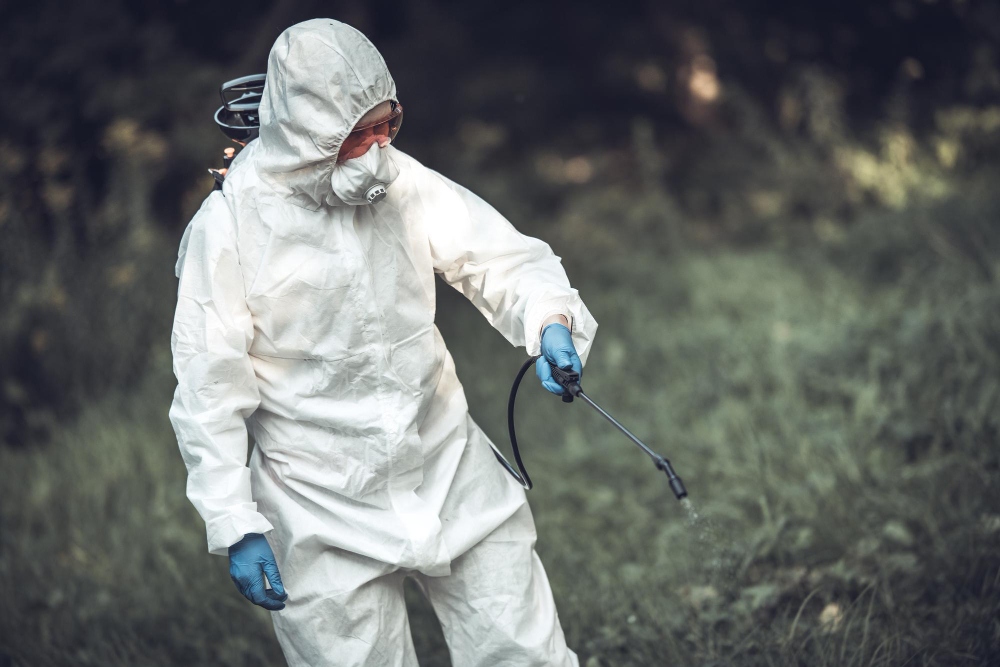
Technicians must also follow strict safety guidelines when handling pesticides. This includes wearing personal protective equipment (PPE) and ensuring chemicals are applied correctly.
In many jobs, technicians work independently, managing their own schedule and traveling between appointments. This makes time management and organization critical for success.
If you’re regularly quoting jobs, using a free estimate generator helps you create professional estimates quickly and improves your chances of winning more work.
How much do pest control technicians make?
Pest control technician salary can vary based on experience, location, and specialization, but most technicians earn between $30,000 and $60,000 per year.
Typical pay breakdown:
- Entry-level: $30,000–$40,000 annually
- Mid-level: $40,000–$50,000 annually
- Experienced/specialized: $50,000–$60,000+
Hourly pay typically falls between $20 and $30, with the average in the U.S. around $21.51, and many technicians earn additional income through performance or sales bonuses.
For example, a technician handling 12 jobs per day may earn base pay plus commission for upselling services like termite protection or preventative treatments.
Specializations can increase earnings. Technicians working in commercial pest control or termite treatment often earn more due to the complexity of the work. You can explore detailed pay ranges in this pest control salary guide.
Pest control technicians job outlook
The job outlook for pest control technicians is strong, with steady demand expected over the next decade. Pest problems are ongoing, and both residential and commercial properties require regular treatment and prevention.
Employment is projected to grow steadily due to:
- Increased urban development
- Greater focus on hygiene and health standards
- Ongoing need for pest prevention in businesses
For example, restaurants and food facilities must maintain strict pest control standards, creating consistent demand for technicians.
This stability makes pest control a reliable career choice, especially for those looking for year-round work.
Work environment for pest control technicians
Pest control technicians work in a variety of environments, often moving between multiple job sites each day.
Common work conditions include:
- Indoor and outdoor locations
- Tight spaces like attics and crawl spaces
- Exposure to weather and environmental conditions
- Driving between appointments
For example, a technician might treat a residential home in the morning, inspect a warehouse in the afternoon, and finish with a commercial service call.
The job is physically demanding. Technicians may lift equipment weighing 50+ pounds and spend long hours on their feet.
Safety is also a major factor. Technicians handle chemicals and must follow strict procedures. Understanding pricing and service expectations also helps communicate value to customers.
Top skills for a pest control technician

Success as a pest control technician depends on both technical ability and customer interaction.
Key skills include:
- Attention to detail: Spotting early signs of infestations
- Problem-solving: Choosing the right treatment approach
- Communication: Explaining issues clearly to customers
- Time management: Managing multiple daily jobs
- Technical knowledge: Understanding equipment and chemicals
For example, a technician who clearly explains treatment steps builds trust and increases repeat business.
Strong customer service skills are essential since technicians interact directly with clients daily.
Job requirements for pest control technicians
To work as a pest control technician, you need to meet basic education, training, and licensing requirements.
Common requirements include:
- High school diploma or GED
- Valid driver’s license
- On-the-job training
- State pest control license or certification
For example, most states require passing an exam covering pesticide safety and application methods before working independently. You can learn more about the process in this guide on how to get a pest control license.
Some employers may also require background checks or physical fitness assessments.
Continuing education is often required to maintain certification and stay updated on industry regulations.
How to become a pest control technician
1. Earn a high school diploma or GED
Start with basic education. Most employers require a high school diploma or GED.
Courses in biology and chemistry can help you understand pesticides and treatment methods.
2. Complete in-class training
Employers often provide classroom training covering:
- Pest identification
- Chemical safety
- Application techniques
- Regulations
For example, new hires may spend several days learning safety procedures before fieldwork.
3. Gain hands-on training
Hands-on experience is essential. New technicians typically:
- Shadow experienced workers
- Assist with inspections
- Gradually take on independent jobs
For example, a trainee may begin by setting traps before managing their own route.
4. Get a pest control license
Most states require licensing to apply pesticides legally.
This usually involves:
- Passing an exam
- Demonstrating safety knowledge
- Completing training hours
5. Maintain your license
Licenses must be renewed every 1–3 years.
This includes:
- Continuing education
- Staying updated on regulations
- Renewing certifications
Turn more service calls into paid jobs
A pest control technician plays an essential role in protecting homes and businesses from pests while maintaining safety standards. The job combines hands-on work, problem-solving, and customer interaction.
With steady demand and relatively low barriers to entry, this career offers strong opportunities for growth. Whether you want to specialize or eventually run your own business, pest control provides a clear path forward.Using pest control software can help you manage schedules, track jobs, and keep customer records in one place. An invoice maker allows you to send professional invoices quickly, while an estimates app helps you quote jobs accurately and win more clients.