What Is Concrete? Composition, Types, and Uses
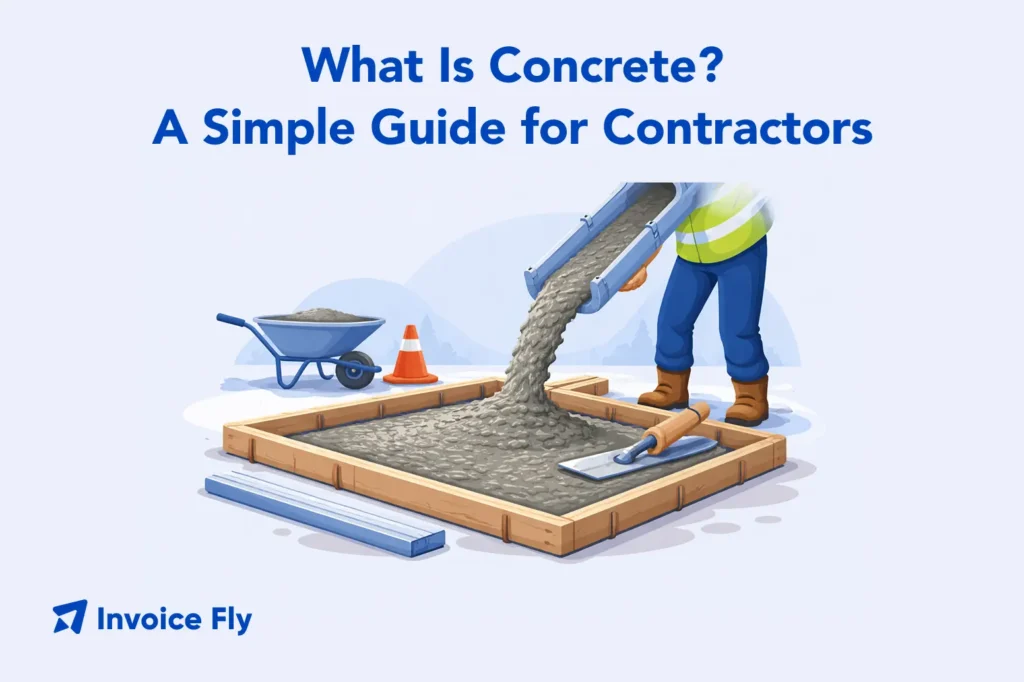
Table of Contents
What is concrete is a question most contractors and crew members ask when starting work on foundations, slabs, or structural repairs. Concrete is a durable construction material made by mixing cement, water, and aggregates like sand and gravel. Once combined, the mixture forms a paste that coats the aggregates and hardens over time into a strong, stone-like mass. This process, called hydration, gives concrete its strength and long-lasting performance in buildings and infrastructure.
What is concrete?
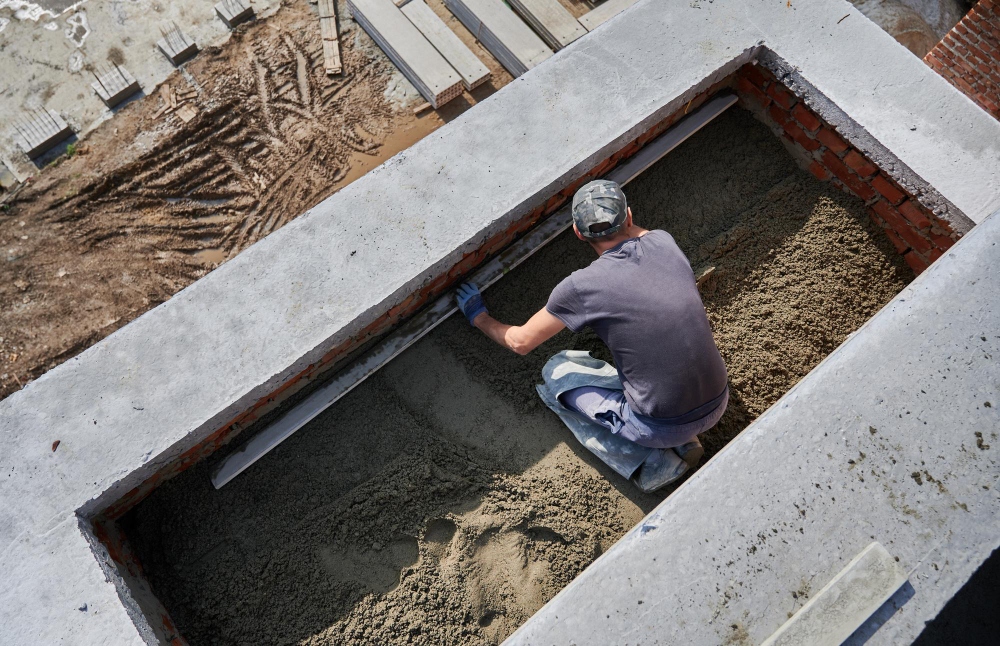
Concrete is a composite building material used in almost every type of construction project. It is created by combining cement, water, and aggregates, then pouring the mixture into forms where it hardens into a solid structure.
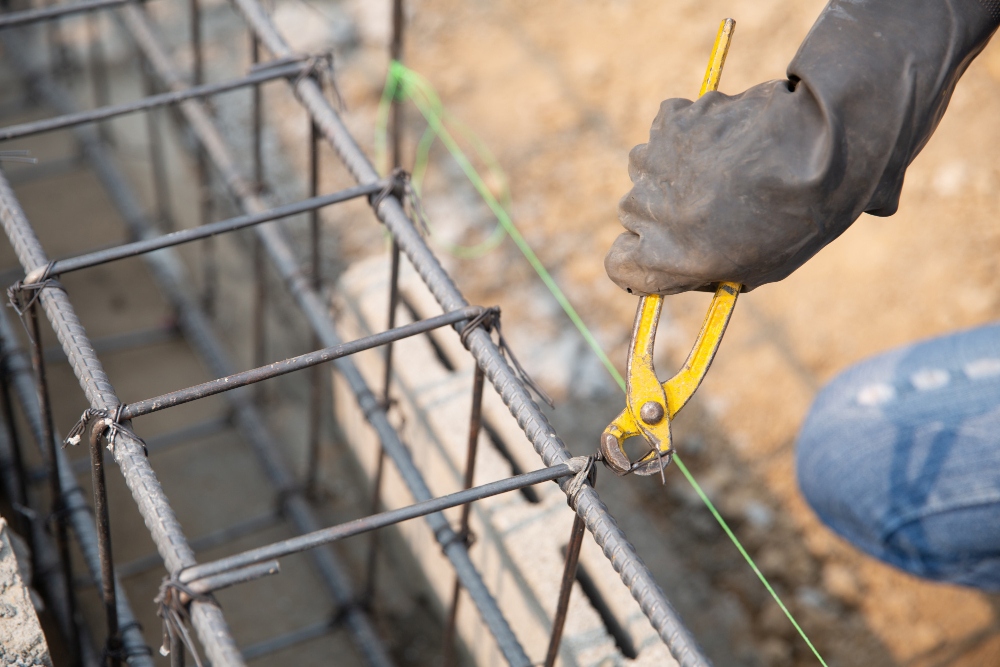
Concrete is known for its high compressive strength, which means it can support heavy loads without crushing. However, it has low tensile strength, so it is often reinforced with steel bars (rebar) to prevent cracking under tension.
Unlike many materials, concrete doesn’t dry—it cures. This chemical reaction between cement and water creates a strong bond that continues to gain strength over time.

How concrete is used in construction
Concrete is one of the most widely used materials in the world. It is used in:
- Foundations for homes and buildings
- Concrete slabs for floors and patios
- Structural elements like beams and columns
- Roads, bridges, and highways
- Sidewalks and driveways
For example, a residential home typically uses concrete for its footing and slab foundation. The concrete is poured into forms, leveled, and allowed to cure, creating a stable base that supports the entire structure.
If you’re planning to start working in this space, understanding the basics is essential before diving into guides like how to start a concrete business.
If you’re estimating materials or planning a pour, using a concrete calculator helps you get accurate quantities and avoid costly mistakes on-site.
Example
A contractor building a garage slab mixes concrete with a standard ratio and pours it into a prepared form. After leveling and finishing, the slab cures over several days. Once hardened, it can support vehicles, tools, and structural loads for decades.
What is concrete made of
Concrete is made from a combination of materials that work together to create strength and durability. Each component plays a specific role in the final mix.
Main components of concrete
- Cement (10–15%): Acts as the binding agent that holds everything together
- Aggregates (60–75%): Sand and gravel provide bulk and strength
- Water (15–20%): Activates the cement and starts the curing process
- Admixtures (optional): Chemicals added to improve workability, strength, or curing time
The ratio of these ingredients affects how strong, workable, or durable the concrete will be.
Cement vs concrete
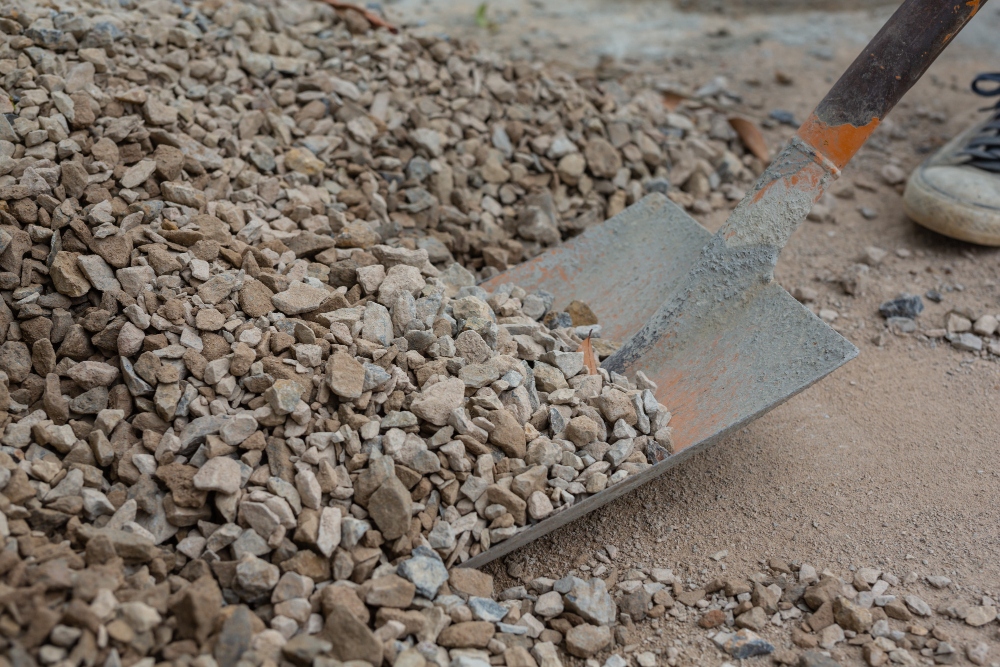
A common misunderstanding is thinking cement and concrete are the same. Cement is only one ingredient in concrete.
- Cement = binding powder
- Concrete = cement + water + aggregates
For example, if you remove aggregates from the mix, you get a paste and not concrete. The aggregates are what give concrete its structure and load-bearing ability. For more technical details, you can refer to cement.org.
Example
A contractor pouring a driveway may adjust the mix by adding more water for easier pouring. However, too much water weakens the final structure. A proper mix ensures the concrete is workable but still strong once cured.
Properties of Concrete

Concrete has several important properties that determine how it performs on a job site. Understanding these helps contractors choose the right mix for each project.
Compressive strength
Concrete is extremely strong under compression. Standard residential concrete typically has a strength of 3,000–4,000 PSI.
For example, a foundation slab must support the weight of an entire house. Using the correct strength rating ensures it won’t crack or fail under pressure.
Workability
Workability refers to how easy it is to mix, pour, and finish concrete.
Concrete that is too stiff is hard to spread, while overly wet concrete loses strength. Contractors often adjust water content or use admixtures to improve workability.
Durability
Concrete is resistant to weather, fire, and wear. It can last decades with minimal maintenance.
For example, highways made from concrete can handle heavy traffic and harsh weather conditions for many years.
Slump and consistency
Slump measures how fluid the concrete mix is. It is tested by filling a cone and measuring how much the concrete collapses when the cone is removed.
- Low slump = stiff mix
- High slump = more fluid mix
A sidewalk pour might use a medium slump for easier finishing, while structural concrete requires tighter control. Safety practices when handling materials are outlined by OSHA.
Example
On a hot day, a crew pouring a patio may notice the concrete setting too quickly. They might adjust the mix with admixtures to slow curing and maintain workability.
Advantage of using concrete for construction
Concrete is widely used because it offers several advantages over other building materials.
Strength and durability
Concrete can handle heavy loads and withstand harsh conditions. It does not rot, rust, or degrade easily.
For example, bridge supports made from reinforced concrete can last for decades under constant stress and weather exposure.
Versatility
Concrete can be molded into almost any shape.
It can be used for:
- Flat slabs
- Curved structures
- Decorative finishes like stamped concrete
This flexibility makes it ideal for both structural and architectural projects.
Cost-effectiveness
Concrete is relatively inexpensive compared to other materials.
Its long lifespan and low maintenance requirements reduce overall costs over time. Energy and manufacturing insights are available from the Department of Energy.
Fire resistance
Concrete does not burn, making it a safe option for buildings.
This is especially important in commercial construction where fire safety is a priority.
Example
A contractor choosing between wood and concrete for a foundation will often select concrete because it lasts longer, requires less maintenance, and provides better structural support.
Types of concrete
Different types of concrete are used depending on the project requirements. Each type offers specific benefits.
1) Reinforced concrete
Reinforced concrete includes steel bars or mesh to improve tensile strength.
This combination allows concrete to handle both compression and tension.
For example, reinforced concrete is used in beams, columns, and slabs in multi-story buildings.
2) Lightweight concrete
Lightweight concrete uses lighter aggregates like pumice or expanded clay.
This reduces the overall weight of the structure.
For example, it is used in high-rise buildings where reducing load is important.
3) High-strength concrete
High-strength concrete has a compressive strength above 6,000 PSI.
It is used in structures that require extra load-bearing capacity.
For example, skyscrapers and bridges often use high-strength concrete for critical components.
4) High-performance concrete
High-performance concrete is designed for durability and resistance to environmental conditions.
It may include special admixtures for improved performance.
For example, it is used in marine structures exposed to saltwater.
5) Precast concrete
Precast concrete is made in a controlled environment and transported to the site.
This ensures consistent quality and faster construction.
For example, precast panels are commonly used in commercial buildings and parking structures. Contractors often combine this with planning tools like how to price concrete jobs to ensure profitability.
Build and manage concrete jobs more efficiently
Concrete is one of the most important materials in construction. It is strong, versatile, and cost-effective, making it the foundation of modern building projects.
By understanding what concrete is made of, how it works, and the different types available, contractors can make better decisions on the job site. Whether pouring a simple slab or building a large structure, choosing the right mix and type of concrete is essential for long-term performance.
If you’re growing your business, combining technical knowledge with the right tools makes a big difference. Using an estimates app or a free estimate generator helps you price jobs accurately and win more work.