
Contratos de Cubiertas: Guía para contratistas de cubiertas

Tabla de contenidos
Un contrato de techado es un acuerdo escrito entre un techador y un cliente en el que se especifica el alcance del trabajo, los materiales, el precio, el calendario del proyecto, las garantías y las condiciones de pago de una reparación, sustitución o mantenimiento del tejado. Los contratos de tejado claros protegen a ambas partes reduciendo los malentendidos, documentando las expectativas y creando un punto de referencia en caso de que surjan preguntas sobre la mano de obra, las órdenes de cambio, las reclamaciones al seguro o el pago final.
¿Qué es un contrato de tejado?

Un contrato de techado es un acuerdo legalmente vinculante entre una empresa de techado y un cliente. En él se describen las responsabilidades de ambas partes y se documenta exactamente el trabajo que se va a realizar.
Muchos contratistas creen que basta con una propuesta. Una propuesta puede proporcionar precios y una descripción básica del trabajo, pero un contrato de acuerdo de techado va mucho más allá. Define las expectativas antes de que empiece el trabajo y crea una protección jurídica si surgen desacuerdos happen más adelante.
Por ejemplo, imagina que un propietario contrata a una empresa de tejados para que le sustituya todo el tejado por valor de $18.500. Durante el proyecto, el equipo descubre daños en la cubierta bajo las tejas. Si el contrato no explica cómo se gestionan los daños ocultos o las órdenes de cambio, las disputas pueden empezar inmediatamente.
Los contratos suelen incluir:
- Alcance del trabajo
- Materiales y detalles del producto
- Calendario estimado del proyecto
- Calendario de pagos
- Información sobre la garantía
- Datos del seguro
- Procedimientos de orden de modificación
- Responsabilidades de limpieza
- Condiciones de cancelación
En los trabajos residenciales, los propietarios suelen centrarse en el coste y las fechas de finalización. Los contratos de cubiertas comerciales pueden implicar programas de mantenimiento, inspecciones continuas y requisitos legales de mayor envergadura.
Los contratos de techado también ayudan a las empresas a mantener la profesionalidad. Un contratista que entrega un acuerdo manuscrito de una página crea una impresión diferente a la de una empresa que utiliza plantillas de contrato organizadas y una documentación clara.
A medida que crecen las empresas de tejados, los acuerdos estandarizados adquieren aún más importancia, porque las cuadrillas, los representantes de ventas y los jefes de proyecto necesitan procesos coherentes.
Los contratistas que planifican un crecimiento a largo plazo pueden beneficiarse de aprender más sobre cómo crear una empresa de tejados.
Tipos de contratos de cubiertas
No todos los contratos de techado siguen la misma estructura. Los distintos tipos de proyectos requieren acuerdos diferentes.
Contratos de cubiertas residenciales

Los contratos de cubiertas residenciales abarcan proyectos de viviendas, dúplex y propiedades residenciales más pequeñas.
Estos acuerdos suelen centrarse en:
- Sustitución del tejado
- Reparación de tejados
- Instalación de tejas
- Daños por tormentas
- Reclamaciones de seguros
- Cobertura de la garantía
Por ejemplo, un propietario que sustituye un tejado de tejas de asfalto puede firmar un contrato por un total de $14.000 con hitos de pago vinculados al progreso del proyecto.
Los contratos residenciales suelen incluir un lenguaje más sencillo porque los propietarios pueden no entender los términos técnicos de las cubiertas.
Muchos techadores también incluyen en estos contratos la selección de materiales, la elección de colores y los procedimientos de eliminación.
Contratos de cubiertas comerciales
La contratación de cubiertas comerciales suele requerir acuerdos más detallados.
Los grandes edificios suelen implicar:
- Sistemas de cubierta plana
- Instalaciones TPO
- Acuerdos de mantenimiento continuo
- Requisitos de seguridad
- Programas de inspección
- Múltiples partes interesadas
Por ejemplo, sustituir el tejado de un almacén de 40.000 pies cuadrados puede implicar presupuestos de seis cifras y programas de trabajo por fases.
Los contratos de mantenimiento de tejados comerciales suelen incluir intervalos de servicio y plazos de inspección recurrentes.
A diferencia de los trabajos residenciales, en los proyectos comerciales es frecuente que abogados, administradores de fincas y departamentos de compras revisen los acuerdos antes de la 1TP16Aprobación.
Contratos de mantenimiento de tejados
Los contratos de mantenimiento de tejados se centran en un servicio continuado, no en proyectos puntuales.
Estos acuerdos suelen incluir:
- Inspecciones programadas
- Reparaciones menores
- Limpieza de desagües
- Prevención de fugas
- Visitas anuales de mantenimiento
Por ejemplo, un centro comercial puede pagar a una empresa de tejados $4.500 anuales por mantenimiento preventivo e inspecciones trimestrales.
Los acuerdos de mantenimiento crean ingresos recurrentes para las empresas de cubiertas, al tiempo que ayudan a los propietarios a evitar costosas reparaciones de emergencia.
Una pequeña gotera en el tejado reparada durante una inspección puede evitar un problema de daños de $25.000 más adelante.
Los acuerdos recurrentes también refuerzan las relaciones a largo plazo con los clientes.
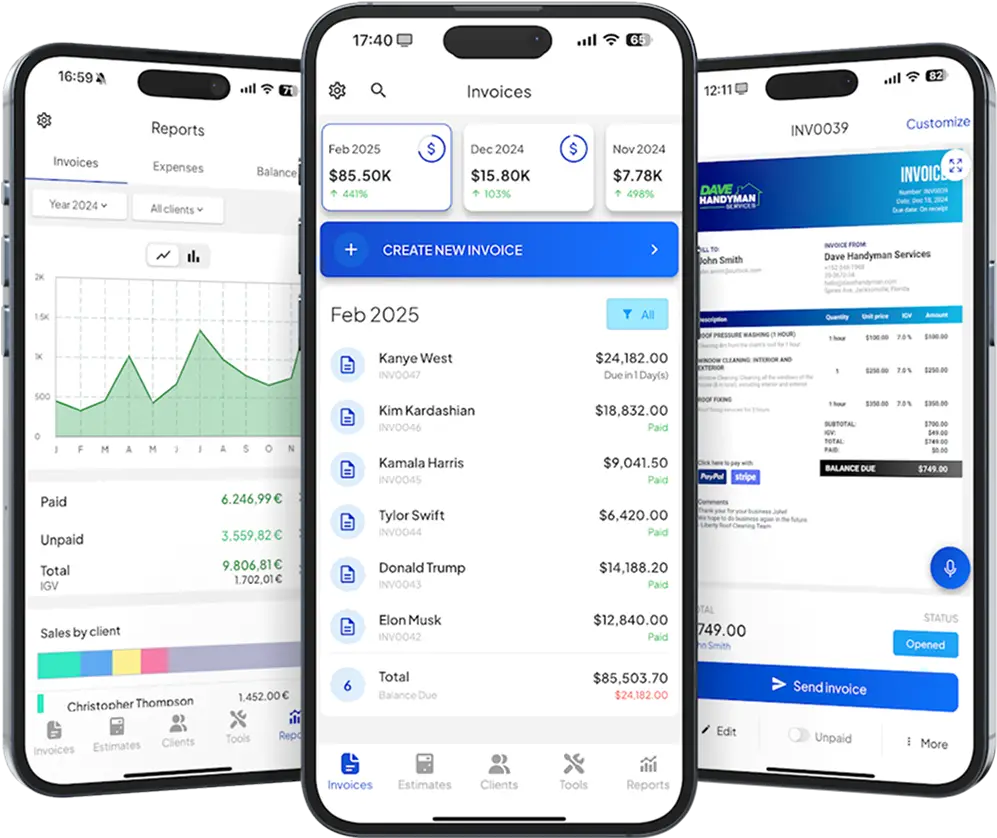
¿Necesitas una forma más rápida de organizar la facturación de proyectos y el papeleo de los clientes? Acelera tu flujo de trabajo con nuestro creador de facturas y mantener organizados los proyectos de techado desde el presupuesto hasta el pago final.
Términos clave de los contratos de cubiertas

Un contrato sólo entra en vigor cuando los detalles importantes están claramente escritos.
Alcance del trabajo
El alcance del trabajo explica exactamente qué trabajos se realizarán y cuáles no.
Por ejemplo: Sustituye las tejas de asfalto existentes por tejas arquitectónicas en un tejado de 2.300 pies cuadrados.
Sin un lenguaje claro, los clientes pueden asumir que el trabajo adicional está incluido.
Las secciones de alcance suelen definir:
- Procedimientos de arranque
- Especificaciones del material
- Sustitución del respiradero
- Trabajo intermitente
- Expectativas de limpieza
- Responsabilidades del permiso
Una redacción imprecisa crea confusión. Decir “sustituir el tejado” parece sencillo, pero los proyectos de tejado implican muchos componentes. Cuanto más específico sea el alcance, menos disputas se producirán.
Los techadores que mejoran la precisión de las estimaciones suelen utilizar un plantilla gratuita de presupuesto de tejado antes de convertir las propuestas en contratos.
Condiciones de pago
Las condiciones de pago explican cuándo y cómo el dinero cambia de manos.
Muchos contratos de techado incluyen:
- Importes de los depósitos
- Pagos progresivos
- Condiciones finales de pago
- Formas de pago aceptadas
- Detalles de financiación
Por ejemplo:
- 10% depósito a la firma
- 40% después de la llegada de los materiales
- 50% tras la finalización del proyecto
Los calendarios de pago ayudan a los contratistas a gestionar el flujo de caja y a establecer las expectativas de los clientes. Un lenguaje claro sobre los pagos también reduce los problemas de morosidad. Algunos estados regulan los importes de los depósitos, por lo que los requisitos locales son importantes.
Las empresas de tejados que crean propuestas más sólidas suelen mejorar los resultados aprendiendo Cómo presupuestar un trabajo de techado.
Garantías y seguros
El lenguaje de la garantía protege tanto a los contratistas como a los clientes.
Los contratos de techado deben explicarlo claramente:
- Garantías del fabricante
- Garantías de fabricación
- Longitud de la cobertura
- Limitaciones de la garantía
- Responsabilidades del seguro
Por ejemplo, un contratista puede ofrecer una garantía de mano de obra de cinco años, mientras que las tejas tienen una garantía del fabricante de 30 años.
Sin detalles por escrito, los clientes pueden malinterpretar la cobertura. El lenguaje del seguro también importa.
Las empresas de tejados deben documentarse:
- Cobertura de responsabilidad civil general
- Seguro de accidentes laborales
- Procedimientos de reclamación
- Prueba de disponibilidad del seguro
Esta sección adquiere especial importancia durante los proyectos de restauración por tormentas y los contratos de techado para reclamaciones de seguros.
Los contratistas que amplíen los servicios también deben comprender requisitos del seguro de tejado.
Cómo redactar mejores contratos de tejado

Los contratos de techado sólidos son detallados sin llegar a ser difíciles de entender.
Los contratistas suelen cometer errores copiando plantillas genéricas de contratos de techado que encuentran en Internet. A modelo gratuito de contrato de tejado pueden proporcionar un punto de partida, pero cada empresa debe personalizar los acuerdos en función de los servicios y los requisitos locales.
Los clientes no quieren documentos legales llenos de formulaciones confusas, así que mantén un lenguaje sencillo.
En lugar de eso:
- Utiliza un lenguaje sencillo
- Explicar términos técnicos
- Evita descripciones vagas
- Esboza los hitos del pago
- Definir los procedimientos de las órdenes de cambio
- Incluir responsabilidades de limpieza
Por ejemplo, en lugar de escribir
“Los trabajos de techado imprevistos adicionales pueden dar lugar a obligaciones financieras modificadas”.”
Úsalo:
“Si se descubre que la tarima de madera está dañada, los costes adicionales de reparación requieren una 1TP16Autorización por escrito antes de comenzar los trabajos”.”
Los sistemas de contratos digitales también mejoran la organización. Muchas empresas de tejados utilizan ahora plantillas de contratos de tejados rellenables y firmas electrónicas para agilizar approvals.
Por ejemplo, un representante de ventas que se reúna con un propietario puede generar una propuesta, actualizar la selección de materiales y enviar los acuerdos para su firma inmediatamente.
Los contratistas a menudo mejoran las operaciones invirtiendo en software CRM para tejados y sistemas de gestión de clientes.
Según la CSLB, documentación y comunicación siguen siendo partes importantes del éxito de la gestión de un proyecto de techado.
Las listas de comprobación de revisión de contratos también pueden verificar:
- Información al cliente
- Selección de materiales
- Precisión de precios
- Detalles del calendario
- Lenguaje de la garantía
- Documentación del seguro
Los sistemas de revisión normalizados reducen los costosos errores.
Las empresas que planean un crecimiento futuro también pueden obtener más información sobre cómo crear una empresa de tejados y construir sistemas más sólidos desde el principio.
Gestiona los proyectos de cubiertas de forma más eficaz
Los contratos de techado crean estructura, establecen expectativas y protegen tanto a los contratistas como a los clientes a lo largo de un proyecto de techado.
Tanto si el acuerdo abarca la sustitución de tejados residenciales, contratos de mantenimiento de tejados comerciales o trabajos de servicio continuados, los contratos detallados reducen los malentendidos y mejoran la profesionalidad.
Los contratos más sólidos definen claramente el alcance, los plazos de pago, las garantías y las responsabilidades del proyecto.
Las empresas de tejados que invierten tiempo en acuerdos más sólidos suelen crear proyectos más fluidos, menos disputas y mejores relaciones con los clientes.
Utilizando software para tejados puede ayudar a organizar los detalles del proyecto y mantener los trabajos en marcha desde el presupuesto inicial hasta el pago final.
Las empresas en crecimiento también pueden simplificar los flujos de trabajo de facturación con un plantilla gratuita de factura de tejado y crear una experiencia de cliente más organizada.