
Guía de inspección de control de plagas para contratistas
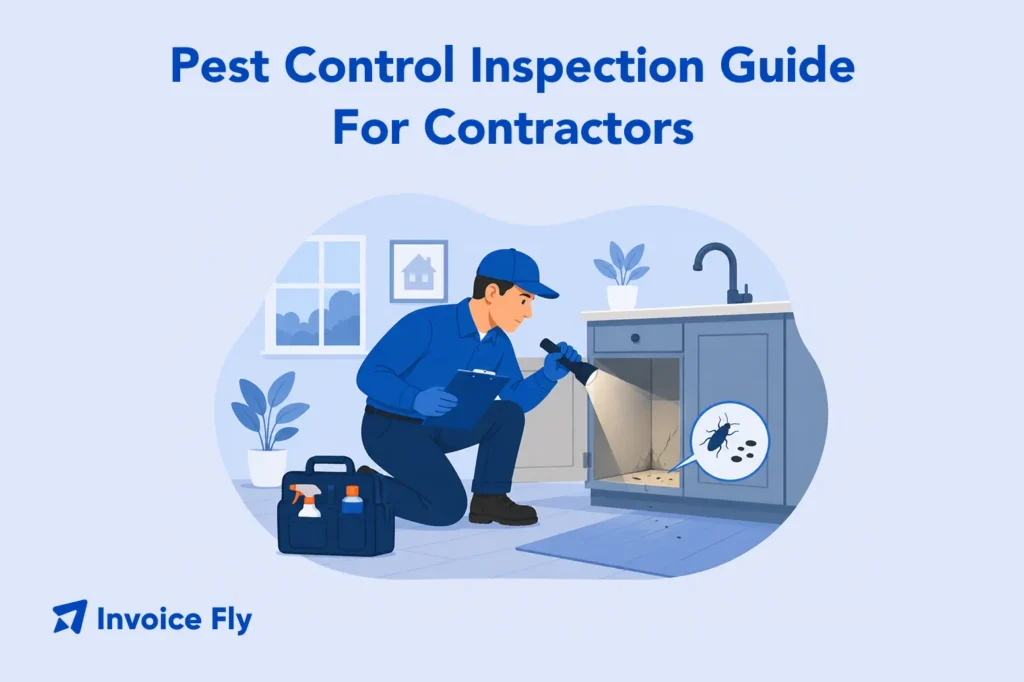
Tabla de contenidos
- ¿Qué es una inspección de control de plagas?
- ¿En qué consiste una inspección de control de plagas?
- Cómo hacer una inspección de control de plagas
- Lista de comprobación para la inspección del control de plagas
- ¿Cuánto cuesta una inspección de control de plagas?
- ¿Deberías ofrecer una inspección gratuita de control de plagas?
- Gestiona las inspecciones de control de plagas de forma más eficaz
- Preguntas frecuentes
Una inspección de control de plagas es un examen detallado del interior y el exterior de una propiedad para identificar indicios de plagas, daños estructurales y condiciones que podrían dar lugar a infestaciones. Durante las inspecciones de control de plagas, los técnicos comprueban los cimientos, áticos, sótanos, cocinas y otras zonas de alto riesgo en busca de termitas, roedores y otras plagas.
Los hallazgos suelen documentarse en un informe de inspección de control de plagas que incluye pruebas, áreas de riesgo y recomendaciones de tratamiento.
Tanto si trabajas en el control de plagas residencial como comercial, comprender cómo funcionan las inspecciones ayuda a mejorar la calidad del servicio, la documentación y la confianza del cliente.
¿Qué es una inspección de control de plagas?
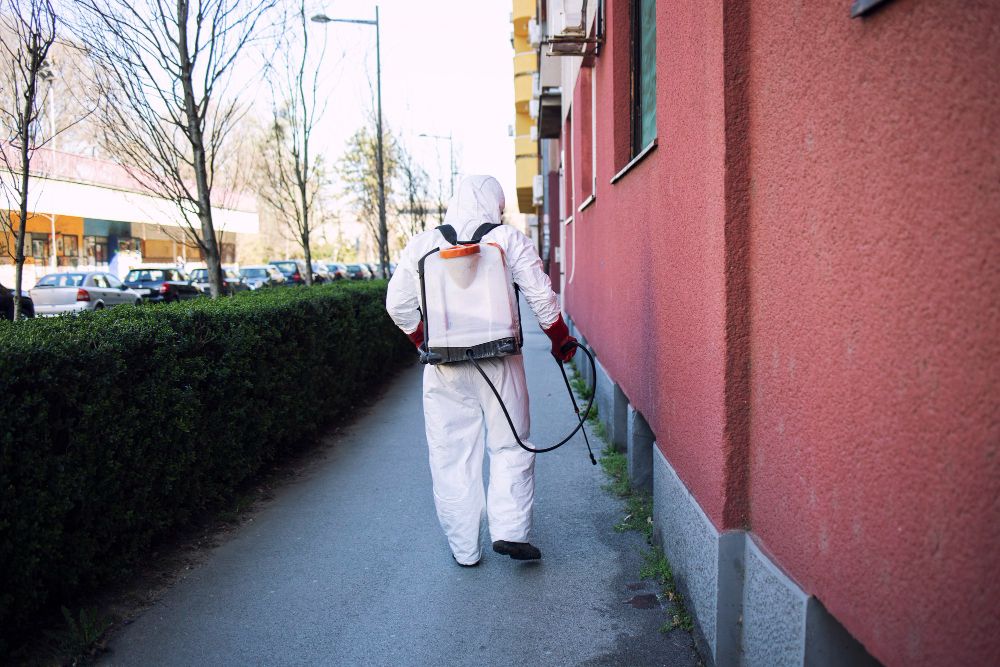
Una inspección de control de plagas es un recorrido estructurado en el que un técnico busca indicios de plagas, daños y condiciones que aumenten el riesgo de infestación. El objetivo es identificar los problemas actuales y prevenir futuras actividades de las plagas antes de que se agraven.
Las inspecciones suelen centrarse en:
- Actividad de las termitas
- Infestaciones de roedores
- Actividad de las cucarachas
- Problemas de humedad
- Daños estructurales
- Puntos de entrada
- Problemas sanitarios
Por ejemplo, una inspección de termitas puede descubrir tubos de barro a lo largo de los cimientos de un espacio de acceso o madera blanda detrás del revestimiento. Una inspección de roedores puede revelar excrementos, material para anidar o marcas de masticación en áticos y zonas de servicios.
Las inspecciones profesionales de control de plagas son habituales en:
- Residencias
- Complejos de apartamentos
- Restaurantes
- Almacenes
- Edificios de oficinas
- Centros sanitarios
Algunas inspecciones son preventivas, mientras que otras happen lugar después de que los clientes adviertan signos de plagas.
Las inspecciones de plagas también ayudan a las empresas a documentar las condiciones antes de iniciar el tratamiento. Los informes detallados crean un registro de la actividad de las plagas, recomendaciones de tratamiento y planes de seguimiento.
Las empresas que planifican un crecimiento a largo plazo pueden beneficiarse de aprender más sobre cómo crear una empresa de control de plagas y los sistemas de inspección de edificios en una fase temprana.
¿En qué consiste una inspección de control de plagas?
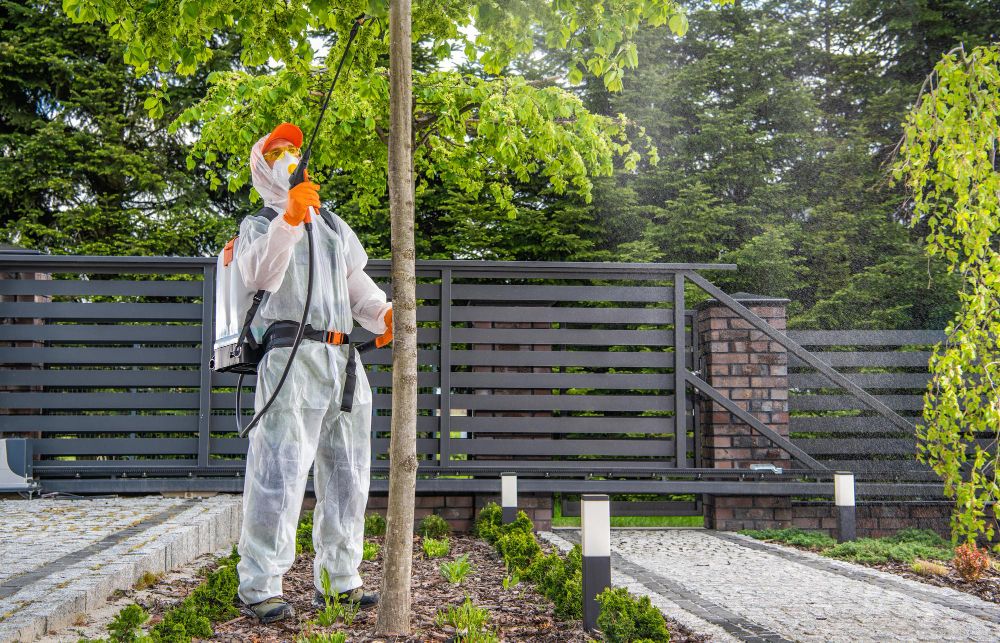
La mayoría de las inspecciones de control de plagas incluyen evaluaciones interiores y exteriores. Los técnicos inspeccionan las zonas de alto riesgo donde las plagas suelen esconderse, anidar o entrar en la propiedad.
Inspección exterior
Las inspecciones exteriores suelen centrarse en las condiciones que permiten a las plagas entrar en los edificios.
Los técnicos suelen inspeccionar:
- Fundaciones
- Revestimientos y paredes exteriores
- Tejados
- Paisajismo
- Áreas de drenaje
- Ofertas de empleo
- Rejillas de ventilación
Por ejemplo, las termitas pueden dejar tubos de barro cerca de los cimientos, mientras que los roedores pueden entrar por respiraderos dañados o huecos de servicios públicos.
La vegetación que toca la estructura también puede crear vías de entrada de plagas.
Los técnicos que mejoran las operaciones también pueden beneficiarse de comprender servicios de control de plagas y cómo encajan las inspecciones recurrentes en los programas de mantenimiento a largo plazo.
Inspección interior
Las inspecciones interiores se centran en la actividad de las plagas, los problemas de humedad y los problemas de saneamiento.
Los técnicos suelen inspeccionar:
- Cocinas
- Baños
- Sótanos
- Áticos
- Lavaderos
- Zonas de almacenamiento
- Armarios y huecos de pared
Los signos habituales de actividad de las plagas son
- Excrementos
- Materiales de nidificación
- Senderos de grasa
- Madera dañada
- Muda las alas de los insectos
- Insectos muertos
Por ejemplo, las infestaciones de cucarachas suelen appear cerca de fuentes de comida y humedad en cocinas o zonas de servicios.
Informe de inspección de control de plagas
Tras la inspección, los técnicos suelen elaborar un informe de inspección de control de plagas en el que se documenta:
- Hallazgos de plagas
- Observaciones de daños
- Enfermedades de alto riesgo
- Recomendaciones de tratamiento
- Sugerencias de prevención
Los informes detallados ayudan a los clientes a comprender la gravedad de las infestaciones y los siguientes pasos recomendados.
Muchas empresas utilizan ahora sistemas digitales de información y software de control de plagas para organizar informes de inspección y programas de servicio recurrentes.
¿Necesitas una forma más rápida de organizar el papeleo de facturación e inspección de clientes? Acelera tu flujo de trabajo con nuestro creador de facturas y mantener organizados los trabajos de control de plagas, desde la inspección hasta el pago.
Cómo hacer una inspección de control de plagas
Una inspección profesional de control de plagas sigue un proceso estructurado diseñado para identificar la actividad de las plagas con precisión y coherencia.
Empieza por las preocupaciones de los clientes
Antes de inspeccionar el inmueble, los técnicos suelen hacer preguntas a los clientes sobre:
- Avistamientos de plagas
- Sonidos u olores
- Historia de la propiedad
- Problemas de humedad
- Tratamientos anteriores
Por ejemplo, oír ruidos de arañazos en las paredes por la noche puede indicar actividad de roedores.
La información del cliente suele ayudar a delimitar las áreas de inspección.
Inspecciona las zonas de alto riesgo
Los técnicos deben inspeccionar las zonas donde las plagas suelen esconderse o entrar.
Entre las áreas de inspección de alto riesgo se incluyen:
- Áticos
- Gateras
- Cocinas
- Baños
- Cimientos exteriores
- Penetraciones de servicios públicos
- Zonas de almacenamiento de basura
Una inspección de termitas puede requerir revisar cuidadosamente las estructuras de madera, los espacios de acceso y los revestimientos para detectar daños o tubos de barro.
Los técnicos también pueden utilizar linternas, medidores de humedad, escaleras y espejos de inspección durante las inspecciones.
Detallado inspección de termitas son especialmente importantes durante las transacciones inmobiliarias y las inspecciones de organismos destructores de la madera.
Documenta cuidadosamente los resultados
La documentación es una de las partes más importantes de las inspecciones de control de plagas.
Los técnicos deben grabar:
- Pruebas de plagas
- Localización de daños
- Condiciones propicias
- Recomendaciones de tratamiento
- Requisitos de seguimiento
Las fotos suelen mejorar la comunicación con el cliente y ayudan a justificar los planes de tratamiento.
Muchas empresas utilizan ahora formularios de inspección digitales y app móviles para organizar los informes más rápidamente.
Los contratistas que crean informes detallados a menudo mejoran la precisión de los precios gracias a la organización presupuesto control de plagas antes de recomendar planes de tratamiento.
Lista de comprobación para la inspección del control de plagas
Utilizar una lista de comprobación de la inspección de control de plagas ayuda a los técnicos a ser coherentes y evitar pasar por alto detalles importantes.
Una lista de comprobación básica de inspección de control de plagas puede incluir:
Lista de control exterior
- Comprueba si hay grietas y tubos de barro en los cimientos
- Inspecciona el revestimiento en busca de daños en la madera
- Examina los tejados y las rejillas de ventilación
- Busca agua estancada
- Inspecciona el paisajismo tocando las estructuras
- Comprueba si hay huecos en los pasamuros
Lista de control interior
- Inspecciona las cocinas en busca de excrementos y rastros de grasa
- Comprueba si hay problemas de humedad en los baños
- Inspecciona los áticos en busca de nidos o daños en el aislamiento
- Examinar sótanos y entresuelos
- Busca madera dañada o actividad de termitas
- Inspecciona las zonas de almacenamiento de alimentos
Lista de control de la documentación
- Registra las pruebas de plagas
- Fotografía daños
- Completa los formularios de inspección
- Recomendar tratamientos
- Programar visitas de seguimiento
Por ejemplo, un técnico que inspeccione un edificio de apartamentos puede utilizar listas de comprobación separadas para las unidades individuales, los cuartos de servicio y las zonas de basura compartidas.
Las empresas que realizan inspecciones comerciales recurrentes suelen confiar en informes y plantillas de inspección normalizados para mejorar la coherencia entre los técnicos.
Las empresas que planifican un crecimiento a largo plazo también pueden obtener más información sobre cómo crear una empresa de control de plagas y construir sistemas operativos más sólidos.
¿Cuánto cuesta una inspección de control de plagas?
El coste de la inspección de control de plagas depende del tamaño de la propiedad, el tipo de inspección, los problemas de plagas y la ubicación.
Los costes medios de una inspección de control de plagas pueden incluir
- Inspección general de viviendas: $75-$250
- Inspección de termitas: $100-$300
- Inspecciones comerciales: $250–$1,000+
- Inspecciones inmobiliarias WDIR: $75-$200
Algunas empresas apply cobran tasas de inspección para futuros servicios de tratamiento.
Por ejemplo, una empresa de control de plagas puede cobrar $150 por una inspección de termitas, pero renunciar a la tarifa si el cliente compra el tratamiento.
El precio de la inspección puede aumentar cuando haya propiedades implicadas:
- Grandes espacios de arrastre
- Edificios de varias unidades
- Infestaciones graves
- Acceso al tejado
- Múltiples estructuras
Las inspecciones comerciales suelen costar más porque requieren informes detallados y un seguimiento recurrente.
Las empresas que comparan estructuras de precios también pueden revisar cuánto cuesta el control de plagas cuando los paquetes de inspección de edificios y los planes de servicio.
Según la EPA, una adecuada inspección y prevención desempeñan un papel importante en la reducción segura de los problemas de plagas a largo plazo.
¿Deberías ofrecer una inspección gratuita de control de plagas?

Muchas empresas de control de plagas ofrecen inspecciones gratuitas como estrategia de marketing para generar clientes potenciales y ganarse la confianza de los clientes.
Las inspecciones gratuitas pueden ayudar a las empresas:
- Aumentar 1TP16Volumen de citas
- Construye relaciones con los clientes
- Identificar oportunidades de tratamiento
- Mejorar las tasas de conversión
Por ejemplo, un propietario que busque “inspección gratuita de control de plagas cerca de mí” puede programar una inspección antes de comprometerse a un plan de tratamiento.
Las inspecciones gratuitas suelen funcionar bien para:
- Control de plagas residencial
- Inspecciones de termitas
- Inspecciones inmobiliarias
- Programas de mantenimiento preventivo
Sin embargo, las inspecciones gratuitas pueden no tener sentido para todas las empresas.
Las empresas que se ocupan de grandes propiedades comerciales o de inspecciones complejas de termitas pueden cobrar tasas de inspección por el tiempo y la documentación que requieren.
Algunas empresas también utilizan las inspecciones gratuitas sólo en áreas de servicio específicas o para determinados tipos de plagas.
El Departamento de Agricultura de Carolina del Norte recomienda que los clientes verifiquen licencias y credenciales de plaguicidas antes de contratar empresas de control de plagas.
Los técnicos que se incorporan a la industria también deben comprender cómo obtener una licencia de control de plagas antes de ofrecer inspecciones de forma independiente.
Gestiona las inspecciones de control de plagas de forma más eficaz
Las empresas de control de plagas gestionan a diario inspecciones recurrentes, registros de clientes, horarios de los técnicos, facturas y documentación de los tratamientos.
Utilizando software de control de plagas ayuda a las empresas a organizar informes de inspección, programar visitas periódicas y mejorar la comunicación con los clientes.
Los equipos en crecimiento también pueden simplificar los flujos de trabajo de facturación utilizando un generador de facturas gratis para servicios de inspección y programas de mantenimiento recurrentes.