
Handyman Contractor: Who to Hire and When
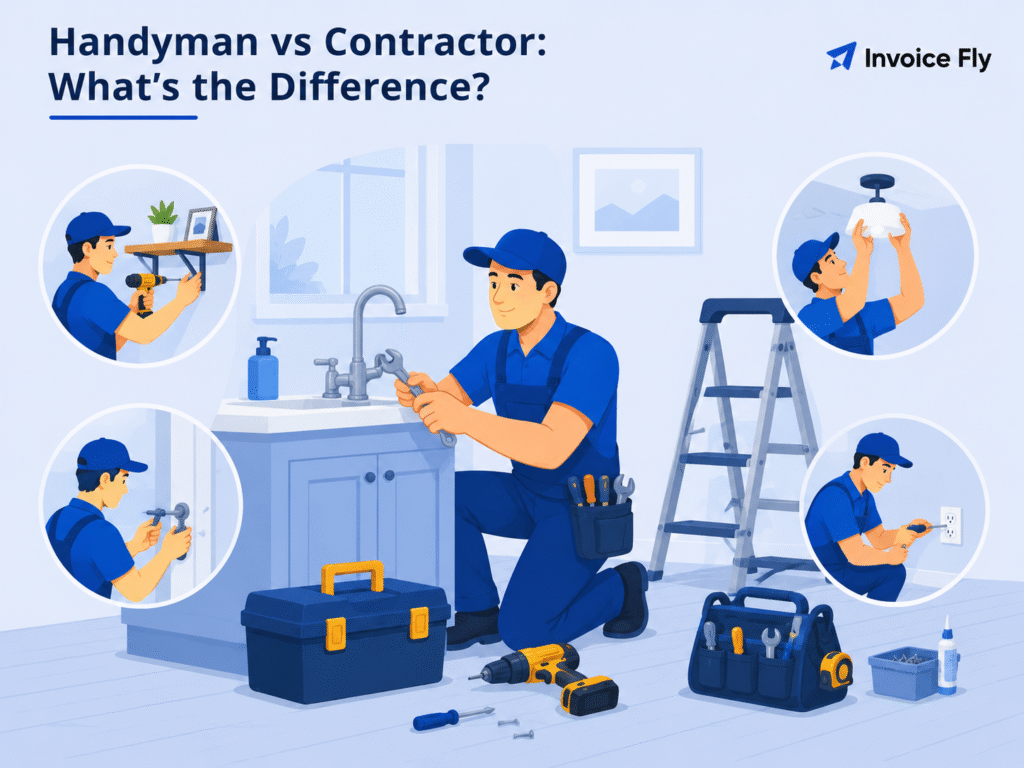
Tabla de contenidos
A handyman contractor is a self-employed repair and maintenance professional who handles small, non-structural jobs such as basic plumbing, carpentry, painting, drywall repairs, and home maintenance. Unlike a general contractor, a handyman contractor typically works alone or with a small team and does not manage large construction projects that require permits or multiple subcontractors.
Choosing between a handyman and a contractor depends on the size of the project, licensing requirements, and whether the work involves structural changes or multiple trades.
Key Differences Between Handymen and Contractors

Although the terms are sometimes used interchangeably, a handyman and a general contractor perform different types of work.
A handyman usually focuses on smaller repairs and maintenance, while a contractor oversees larger construction or renovation projects that often require permits, inspections, and multiple trades.
Understanding the difference helps homeowners hire the right professional while helping business owners choose the right path for their services.
If you’re planning to work independently, cómo montar un negocio de manitas explains the licensing, insurance, pricing, and business setup you’ll need before taking on your first customers.
Muchas empresas en crecimiento también utilizan software handyman to organize customer information, estimates, scheduling, and invoices from one place, making it easier to manage every job from enquiry to payment.

Quick Glance: Handyman vs. Contractor
| Característica | Mantenimiento | Contratista general |
| Lo mejor para | Small repairs and maintenance | Large renovations and construction |
| Typical projects | Painting, drywall repairs, fixture installation, furniture assembly | Kitchen remodels, home additions, structural work |
| Project size | Small, short-term jobs | Large, multi-phase projects |
| Licencias | Varies by state; often limited | Usually requires a contractor’s license |
| Permisos | Rarely required | Often required |
| Gestión de proyectos | Usually works alone | Manages subcontractors and timelines |
| Coste | Lower hourly or flat-rate pricing | Higher project-based pricing |
| Who should hire one? | Homeowners needing minor repairs | Homeowners planning major renovations |
Handyman Services vs. General Contractor Services

Handymen typically complete smaller jobs that can be finished in a few hours or days.
Común servicios de mantenimiento incluyen:
- Drywall repairs
- Pintura interior
- Montaje de muebles
- Door repairs
- Cabinet hardware installation
- Fence repairs
- Minor plumbing repairs
- Basic carpentry
General contractors usually manage projects such as:
- Kitchen remodels
- Bathroom renovations
- Room additions
- Roofing projects
- Major electrical work
- Armazón estructural
- Whole-home renovations
Contractors coordinate electricians, plumbers, roofers, painters, and other subcontractors while overseeing permits, inspections, and project timelines.
Handyman License vs. Contractor License
Licensing requirements vary by state. Many areas allow handymen to perform smaller repair jobs without holding a general contractor’s license. However, states often limit the value of projects or restrict certain types of work, particularly structural, plumbing, HVAC, and electrical jobs.
General contractors typically need state licensing, insurance, and sometimes bonding before managing larger construction projects.
If you’re unsure about your local rules, understanding handyman license requirements can help you determine which jobs you can legally perform.
Handyman vs. Contractor Revenue Streams
Handymen generally earn income from completing a high volume of smaller repair jobs.
Revenue commonly comes from:
- Home maintenance
- Property management contracts
- Rental repairs
- Small renovations
- Assembly services
General contractors usually generate revenue from fewer but much larger projects involving multiple trades, subcontractors, and longer timelines.
If you’re deciding which business model is right for you, comparing the typical handyman salary with contractor earnings can provide useful insight.
Both paths can be profitable, but they require different levels of experience, licensing, and project management.
When Do You Choose a Handyman vs. Contractor?

The right professional depends on the project.
Choose a handyman for:
- Minor home repairs
- Pintores
- Drywall patching
- Fixture replacement
- Montaje de muebles
- Fence repairs
Choose a contractor when your project involves:
- Structural changes
- Ampliaciones del hogar
- Remodelaciones importantes
- Requisitos del permiso
- Multiple licensed trades
- Large construction budgets
For example, replacing a damaged interior door is usually a handyman job. Removing a load-bearing wall during a kitchen remodel requires a licensed contractor who can coordinate permits, inspections, and multiple trades.
What Is a Handyman Contractor?

A handyman contractor is a professional who provides general home repair, maintenance, and improvement services. Many operate as independent business owners, completing a variety of small jobs for homeowners, landlords, and property managers.
Typical services include:
- Drywall repairs
- Pintores
- Minor plumbing
- Basic electrical work (where legally permitted)
- Fence repairs
- Door and window repairs
- Montaje de muebles
- Fixture installation
Many handyman contractors begin by offering general repairs before expanding their business or obtaining a contractor’s license to take on larger renovation projects.
Según la Oficina de Estadísticas Laborales de EE.UU., general maintenance and repair workers perform a wide range of repair and maintenance tasks, reflecting the diverse skill set needed for handyman work.
Starting a Handyman or Contractor Business?
The right business model depends on your experience, goals, and the type of work you want to perform.
A handyman business is often easier to start because it typically requires less equipment, lower startup costs, and fewer licensing requirements. Many owner-operators build a steady customer base by providing general repair and maintenance services before expanding.
Starting a general contracting business usually involves additional licensing, insurance, permits, and project management responsibilities. Contractors oversee larger renovations and coordinate multiple subcontractors, making the business more complex but capable of handling higher-value projects.
Before deciding, consider:
- The type of work you enjoy
- Local licensing requirements
- Startup costs
- Your experience level
- Whether you want to manage subcontractors
- Your long-term business goals
Many successful companies begin as handyman businesses before growing into licensed contracting firms.
If you’re planning to work independently, cómo montar un negocio de manitas explains everything from licensing and insurance to pricing and finding your first customers.
Ready To Build a Professional Handyman Business?
Whether you choose to operate as a handyman or become a licensed contractor, having the right systems in place makes it easier to manage jobs and deliver a professional customer experience.
Muchas empresas utilizan software handyman to organize customer information, schedule work, and track jobs from start to finish.
Before work begins, a plantilla de presupuesto de manitas helps you present clear pricing and win more jobs. Once the project is complete, a plantilla de factura de manitas, creador de facturas, y generador de facturas gratis make it easy to bill customers and maintain accurate payment records.
 English
 Español