
¿Qué hacen los contables? Cómo ayudan a su empresa

Tabla de contenidos
What do accountants do? In simple terms: they help you track money, stay compliant, and make smarter decisions. Accountants record income and expenses, prepare taxes, build reports, and guide your strategy so your contracting business runs smoothly. If you’ve ever wondered what does an accountant do day to day—or which type you need—this guide explains the core duties, skills, tools, and career paths in clear language.
Keeping accurate records is essential for cash flow, taxes, and growth. If you’re just getting started, bookmark our pillar guide on contabilidad de pequeñas empresas.
Core Duties of an Accountant
Accountants do a lot more than “do taxes.” Their work spans bookkeeping, reporting, analysis, and controls that keep your business healthy.

Financial reporting and bookkeeping
- Record transactions (sales, bills, payroll) using double-entry accounting and proper entradas de diario. Modern accountants follow Generally Accepted Accounting Principles (GAAP) and use standardized methods to ensure accuracy.
- Reconcile bank and card statements.
- Prepare financial statements: cuenta de resultados, balance general, y cash flow statement.
- Organize receipts and vendor invoices; create informes de gastos.
Tax preparation and compliance
- File federal, state, and local returns; estimate quarterly taxes for contractors.
- Track deductible expenses—see our deducciones fiscales consejos para pequeñas empresas.
- Help you choose between 1099 vs W-2 income setups and keep records for audits.
- Set up contabilidad de ejercicio if needed.
Budgeting and forecasting
- Build budgets, rolling forecasts, and job-level profit estimates.
- Model “what-ifs” for hiring, equipment purchases, or pricing.
- Align payment timing with condiciones de pago de las facturas to smooth cash flow.
Auditing and internal controls
- Create internal checks to prevent errors or fraud (approval workflows, document trails).
- Conduct internal reviews to ensure rules are followed and numbers are accurate.
Financial analysis for decision-making
- Analyze margins, job profitability, and capacity; compare beneficio bruto frente a beneficio neto.
- Price jobs correctly, track billable hours, and evaluate financing options.
- Prepare packages for lenders—see how to get business loans.
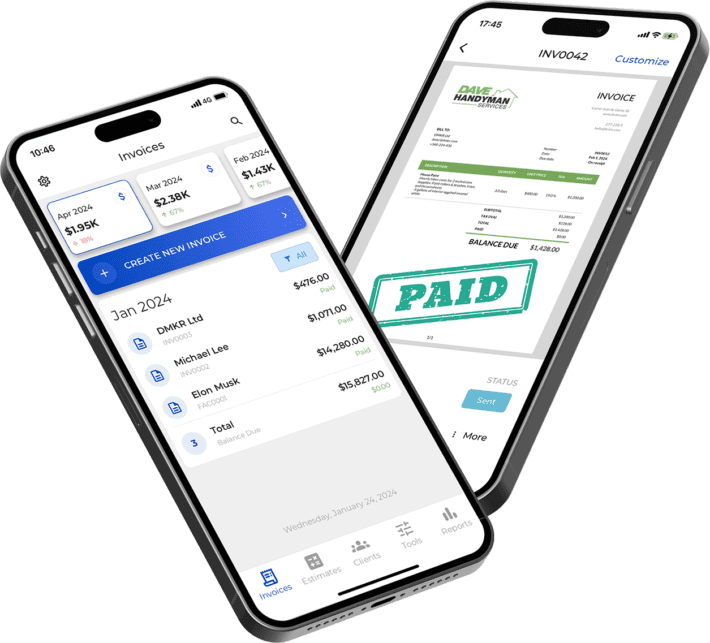
Consejo! Want clean books without the stress? Generate invoices and track payments the easy way with our Generador de facturas.
Key Skills Required
Great accountants blend technical skills with people skills:
- Accounting foundations: GAAP basics, double-entry, closing the books, amortización.
- Analysis & problem-solving: turning raw numbers into insights and action plans.
- Attention to detail: spotting inconsistencies and missing documents.
- Ethics & confidentiality: protecting sensitive data.
- Comunicación: explaining complex topics in plain English to owners and crews.
- Tech literacy: using cloud tools, spreadsheets, and integrations (more on tools below).
For deeper insights into career paths and job outlook, review the U.S. Bureau of Labor Statistics occupational outlook for accountants and auditors.

Types of Accountants
Different credentials serve different needs. Here are the most common accountant types you’ll encounter.
Certified Public Accountant (CPA)
- Licensed experts who can represent you before the IRS, perform audits or reviews, and handle complex tax and financial reporting.
- Ideal for growing contractors who need assurance work, multi-state tax, or financing.
Management Accountant
- Focuses on internal performance: job costing, budgets, forecasts, and pricing.
- Helps owners make day-to-day decisions that raise profits and reduce waste.
Forensic Accountant
- Investigates fraud, theft, or contract disputes.
- Useful when you suspect financial irregularities or need litigation support.
Staff Accountant
- In-house generalist handling daily bookkeeping, month-end closes, reconciliations, and reporting.
- A good fit when transactions grow and you need consistent internal capacity.
Tax Accountant
- Specializes in planning and filing: entity strategy, sales/use tax, payroll tax, and contractor-specific deductions.
- Helps avoid penalties and maximize legal savings.
Chartered Accountant
- International equivalent to CPAs in many countries
- Performs audit, tax, and advisory services with a chartered credential.
Not sure which you need? Start with bookkeeping plus a tax pro, then add management accounting or a CPA as jobs scale.

How to Become an Accountant
If you’re exploring accounting as a career—or trying to understand what qualifies an accountant—here’s the typical path:
- Educación: Many roles require a bachelor’s in accounting or related field; some states require 150 semester hours for CPA eligibility.
- Certificaciones: CPA is the most recognized in the U.S. Other options include CMA (Certified Management Accountant) and CFE (Certified Fraud Examiner).
- Experiencia: Internships and entry-level roles build practical skills in bookkeeping, month-end close, and audits.
- Continuing education: Tax laws and standards change; pros keep learning through CPE credits.
For a practical roundup of duties and career paths, see Indeed’s career overview and this career explainer from Nichols College.
Tools and Tech Accountants Use
Modern accountants use cloud software and automations to speed up close cycles and reduce errors:
| Tool Category | What It Does |
| Invoicing & AR | Create and send invoices, automate reminders, accept payments (see cómo redactar una factura). |
| AP & Expenses | Capture receipts, code purchases, and build informes de gastos. |
| Libro mayor | Post entries, reconcile accounts, and finalize monthly closes. |
| Reporting Dashboards | View KPIs, trends, and job profitability; compare period-over-period results with informes comerciales. |
| Client Collaboration | Share docs and approvals via a Portal del Cliente. |
| Time & Projects | Log labor, track billable hours, and assign costs to jobs. |
| Workflow Templates | Standardize close checklists, audit trails, and entradas de diario. |
Good tech doesn’t replace a pro, but it does give them better data, faster.

How Accountants Help Contractors Day to Day
Beyond the software and spreadsheets, accountants provide hands-on support that directly impacts your bottom line. Here’s how they help contractors tackle real business challenges every week:
- Pricing jobs: combine labor, materials, overhead, and risk to set winning bids.
- Cash flow planning: align billing schedules and deposits with condiciones de pago de las facturas so payroll and suppliers are covered. Manage the entire cycle with our guide to gestión del flujo de caja del contratista.
- Entity choice: guide you through LLC vs. sole proprietorship trade-offs.
- Conformidad: handle 1099s, payroll, and sales tax; understand the difference between factura vs recibo documentation.
- Financial clarity: explain variances, margins, and trends in plain language using your cuenta de pérdidas y ganancias y balance general. Track key metrics like activo y pasivo and monitor your liquidity ratio.
Ready for cleaner books and faster payments? Create beautiful invoices in minutes with our Generador de facturas—and keep your accountant happy. Need to document payments? Learn how to write receipt of payment.
Conclusion: Your Accountant Is a Strategic Partner
So, what do accountants do? They keep your numbers accurate, your taxes correct, and your business decisions informed. Whether you hire a bookkeeper, tax pro, CPA, or management accountant, the right expert pays for themselves through fewer mistakes, better pricing, and stronger cash flow.
With reliable reports and a trusted advisor, you’ll bid smarter, grow with confidence, and sleep better at night.