
Tree Inspection: What It Is, When to Do It, and Cost
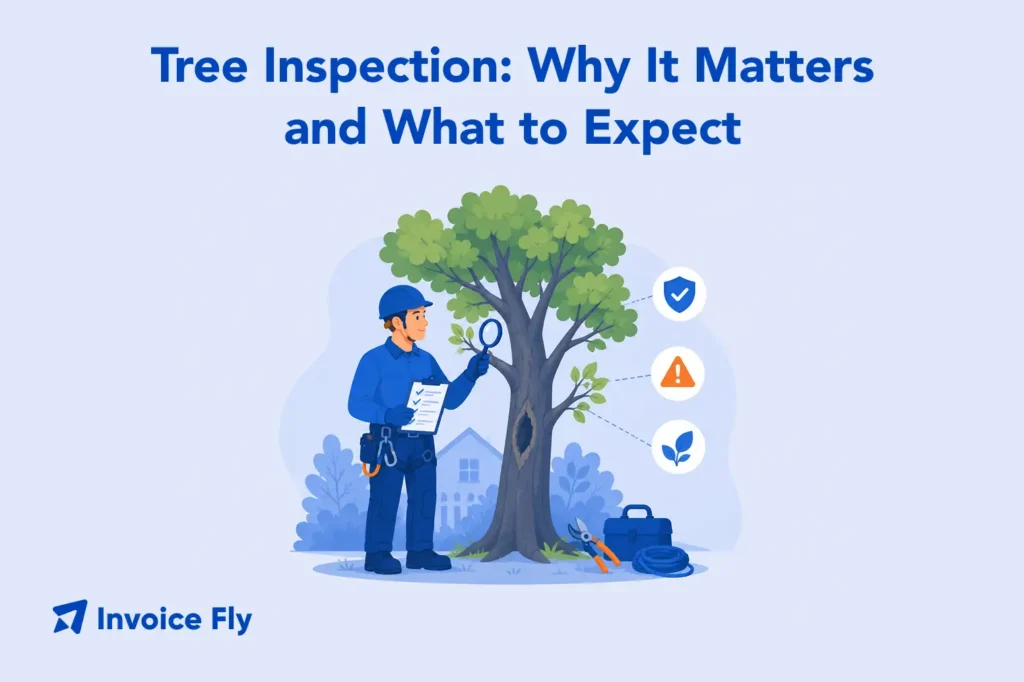
Tabla de contenidos
Tree inspection is a professional assessment of a tree’s health, structure, and safety. During a tree inspection, a certified arborist examines the roots, trunk, branches, and surrounding conditions to identify problems such as disease, decay, structural defects, or storm damage before they become hazardous.
Regular tree inspections help homeowners make informed decisions about pruning, treatment, or removal while reducing the risk of falling branches and property damage.
What Is Tree Inspection?
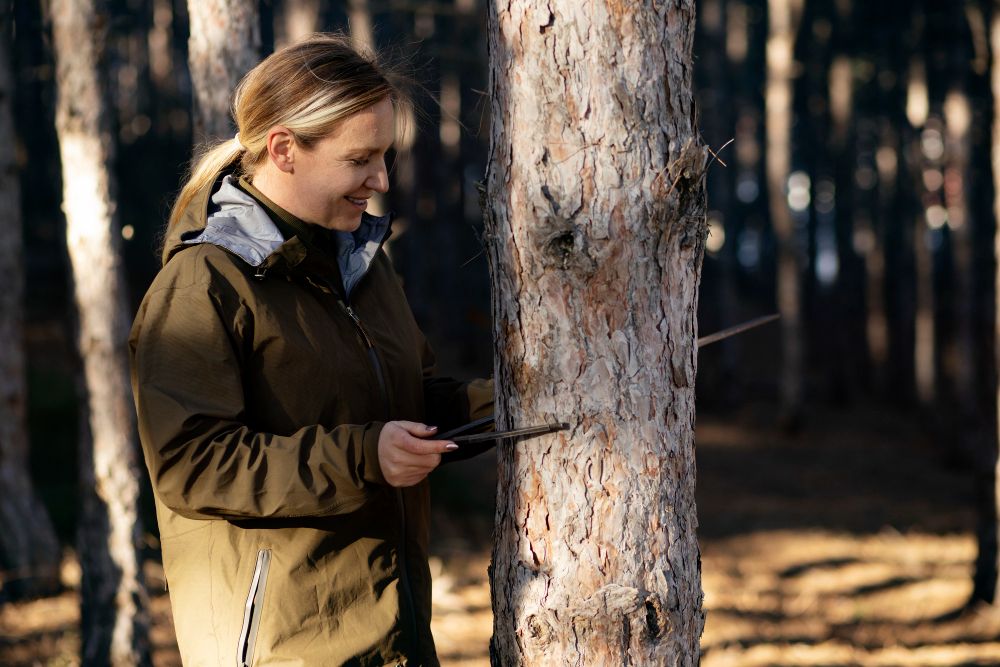
A tree inspection is a professional assessment performed by a certified arborist to evaluate a tree’s health, stability, and overall condition. The goal is to identify disease, decay, structural weaknesses, or safety hazards before they become serious problems.
During an inspection, the arborist checks the roots, trunk, branches, canopy, and surrounding site conditions. Depending on the findings, they may recommend pruning, treatment, cabling, monitoring, or tree removal.
Tree inspections are commonly requested by homeowners, businesses, property managers, insurance companies, and municipalities, particularly after storms or before construction projects.
If you’re planning to work in the industry, learning cómo montar un negocio de retirada de árboles can help you understand the services, equipment, and training involved in professional tree care.
Professional inspections are often the first step before recommending servicios de retirada de árboles or long-term maintenance plans.

Is Tree Inspection Legally Required?
Most homeowners aren’t legally required to schedule routine tree inspections.
However, inspections may be required during construction projects, property development, insurance claims, or when working around protected trees.
Even when they aren’t mandatory, property owners are generally responsible for maintaining reasonably safe trees. Ignoring visible signs of decay or structural damage could increase liability if a tree causes injury or property damage.
Some municipalities also require inspections before construction near protected trees. For example, the City of Portland outlines tree preservation inspection requirements for qualifying development projects.
What Does Tree Inspection Include?
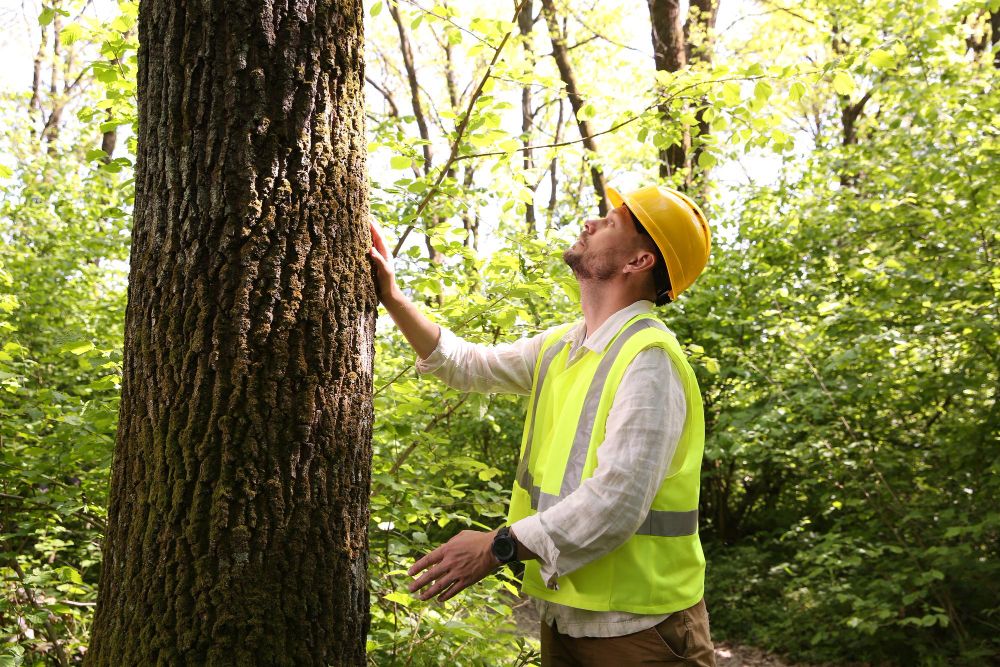
A professional checks every part of the tree, from the roots to the canopy.
Tree Health Assessment
The arborist looks for signs of disease, pests, fungal growth, deadwood, and poor growth that may indicate declining health.
Professionals providing servicios de arboricultura use inspections to diagnose problems before recommending treatment or removal.
En U.S. Department of Agriculture recommends inspecting trees regularly for signs of insects, disease, and environmental stress to identify problems early.
Trunk Inspection
The trunk is checked for cracks, cavities, decay, bark damage, and weak branch attachments that could affect the tree’s stability.
Some arborists use specialized tools to detect internal decay without causing significant damage.
Aprender what an arborist does can help homeowners understand when a professional inspection is needed.
Root Inspection
Healthy roots are essential for a stable tree.
The inspection may identify:
- Root decay
- Construction damage
- Soil compaction
- Poor drainage
- Exposed roots
Root damage is one of the most common reasons trees become unstable, making inspections especially important before nearby construction begins.
Canopy Inspection
The canopy is examined for:
- Dead branches
- Broken limbs
- Crossing branches
- Uneven growth
- Storm damage
For larger trees, arborists may use binoculars or drones to inspect higher branches safely.
Site Assessment
The surrounding area is also evaluated. Nearby buildings, sidewalks, driveways, utility lines, and other trees can all affect the level of risk and influence maintenance recommendations.
Professional tree inspections often lead to follow-up work such as pruning, cabling, or removal. Many tree service companies use software de arboricultura to schedule appointments, organize inspection reports, and manage customer communication from one place.
When to Do Tree Inspection
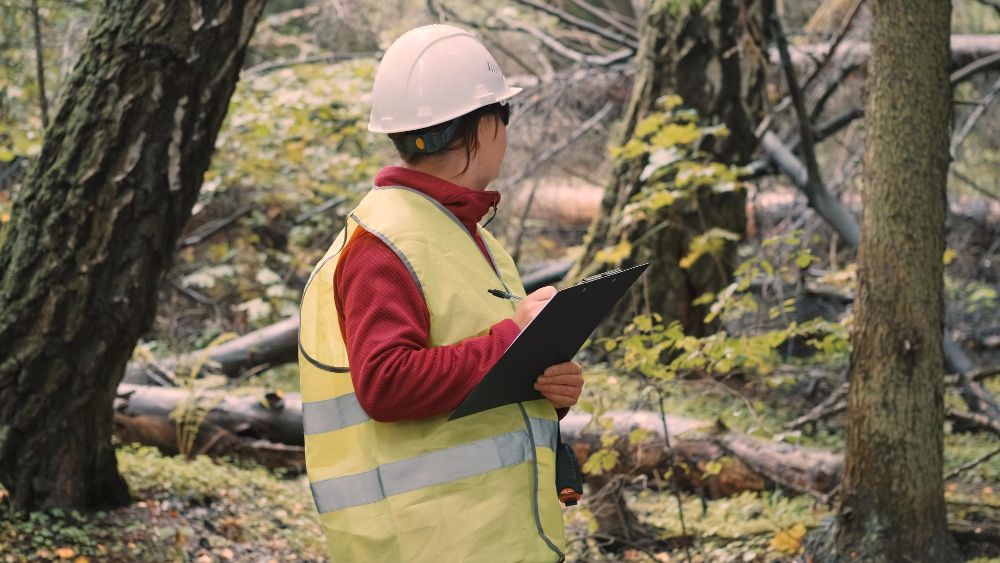
Most healthy trees should be inspected every two to three years. Older trees, high-value specimen trees, or trees growing near buildings may benefit from annual inspections.
Schedule a tree inspection if you notice:
- Dead or hanging branches
- Cracks in the trunk
- A tree leaning after a storm
- Mushrooms near the base
- Large cavities
- Exposed roots
- Sudden leaf loss
- Signs of insect activity
It’s also a good idea to arrange an inspection:
- After severe storms
- Before construction
- Before buying or selling a property
- Before major pruning or tree removal
En U.S. Forest Service recommends inspecting trees after severe weather to identify damaged limbs and structural weaknesses before they become safety hazards.
How Much Does Tree Inspection Cost?
Tree inspection costs vary depending on the size of the tree, accessibility, location, and the level of assessment required.
A basic visual inspection typically costs between $75 and $200, while more detailed inspections involving written reports or advanced diagnostic equipment may range from $250 to $600 or more.
Several factors influence the final price, including:
- Number of trees
- Tree height
- Property accessibility
- Emergency inspections
- Whether a written report is required
Some tree service companies offer free visual inspections when customers are considering pruning or removal, while others charge separately for professional assessments.
If you’re planning to grow your business, learning cómo montar un negocio de retirada de árboles can help you build stronger systems alongside your tree care expertise.
Tree Inspection Checklist for Experts

Professional arborists follow a structured process to evaluate a tree’s condition and identify potential risks.
A typical tree inspection checklist includes:
- Tree species identification
- Overall tree health
- Root condition
- Trunk stability
- Branch structure
- Signs of decay
- Pest or disease activity
- Soil condition
- Nearby hazards
- Evaluación de riesgos
- Maintenance recommendations
After the inspection, the arborist may recommend pruning, treatment, monitoring, or tree removal and provide a written report if required.
Arborists preparing reports also carry seguro de servicios de árboles to protect both their business and their customers.
Keep Your Tree Inspection Business Organized
Professional tree inspections often lead to follow-up work such as pruning, treatment, or tree removal. Staying organized helps ensure customers receive timely recommendations and accurate documentation.
Many tree service companies use software de arboricultura to manage inspections, customer records, schedules, and follow-up work from one place.
Creating professional paperwork is just as important. Understanding estimaciones, citas,facturas, facturación, y recibos helps create a smoother customer experience from the initial inspection through final payment.
 English
 Español