
What Is Pressure Washing? A Simple Guide for Professionals
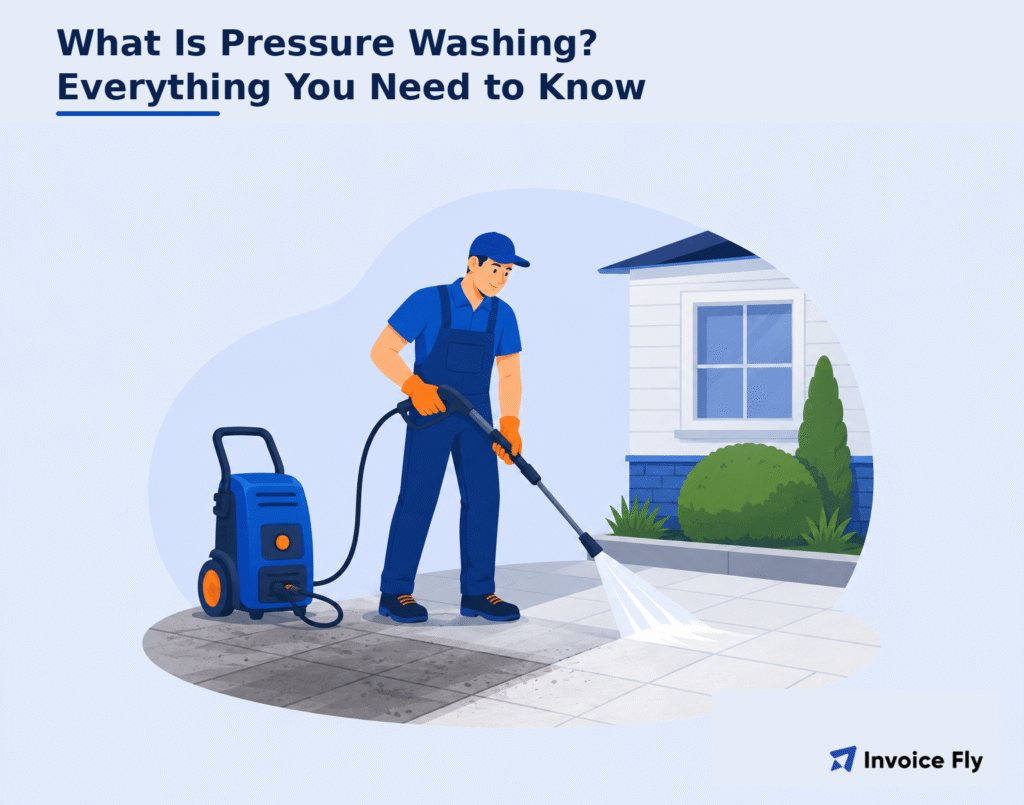
Tabla de contenidos
Pressure washing is a cleaning method that uses high-pressure water to remove dirt, mold, mildew, algae, loose paint, and other buildup from outdoor surfaces. It’s commonly used on driveways, patios, sidewalks, decks, fences, and building exteriors to restore their appearance without extensive scrubbing.
Professional cleaning companies use different methods depending on the surface, including traditional pressure washing, power washing, and soft washing.
What Is Pressure Washing?
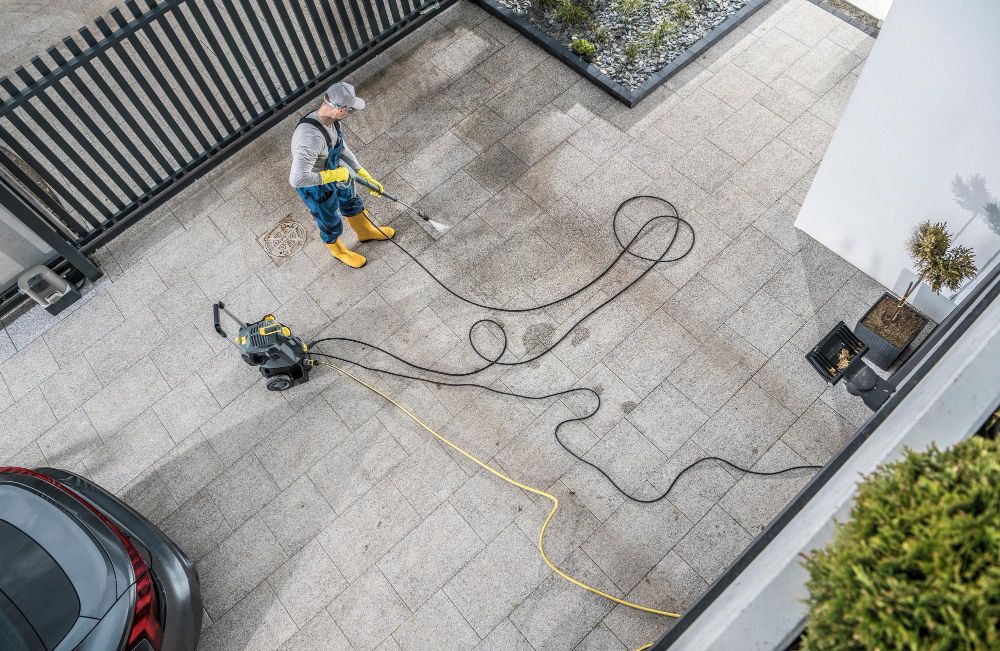
Pressure washing uses a machine that pumps water through a hose at high pressure to clean hard outdoor surfaces. Different nozzles control the spray pattern, allowing operators to remove dirt, grease, mildew, algae, and stains without damaging the surface when used correctly.
Pressure washers are commonly used to clean:
- Concrete driveways
- Aceras
- Patios
- Brick walls
- Fences
- Garage floors
- Commercial buildings
The amount of pressure depends on the material being cleaned. Concrete can usually handle much higher pressure than painted wood or vinyl siding.
Pressure washing is widely used by homeowners, contractors, landscapers, and dedicated pressure washing businesses because it’s faster and more effective than manual cleaning for many outdoor surfaces.
If you’re interested in turning pressure washing into a business, learning cómo iniciar un negocio de lavado a presión is a good first step before investing in equipment.
Businesses offering servicios de lavado a presión often combine house washing, driveway cleaning, roof cleaning, and exterior surface restoration to provide a complete property maintenance solution.

What SH Means in Pressure Washing
SH stands for sodium hypochlorite, a cleaning solution commonly used in soft washing to remove mold, algae, mildew, and organic stains.
Rather than relying only on water pressure, SH breaks down organic growth so it can be rinsed away using lower pressure. This makes it especially effective for cleaning roofs, siding, fences, and other delicate surfaces.
Professional contractors dilute sodium hypochlorite to the correct strength for each job and often combine it with surfactants that help the solution cling to surfaces for better cleaning.
Pressure Washing vs. Power Washing vs. Soft Washing
Although these terms are often used interchangeably, they describe different cleaning methods.
What Is the Difference Between Power Washing and Pressure Washing?
The main difference is heat.
Pressure washing uses cold or unheated water, while power washing uses heated water.
Hot water is better for removing grease, oil, and heavy industrial grime, making power washing common for commercial equipment, garages, and industrial surfaces. For most residential jobs, standard pressure washing provides more than enough cleaning power.
What Is Soft Wash Pressure Washing?
Soft washing combines low water pressure with specialized cleaning solutions to remove mold, mildew, algae, bacteria, and dirt.
Instead of relying on pressure, the cleaning solution breaks down organic growth before the surface is rinsed clean.
Soft washing is commonly used on:
- Roof shingles
- Vinyl siding
- Stucco
- Painted surfaces
- Screens
- Gutters
Aprender cómo lavar una casa a presión can help you understand when traditional pressure washing or soft washing is the better choice.
What Is the Difference Between Pressure Washing and Soft Washing?
Pressure washing cleans with high-pressure water, making it ideal for durable surfaces like concrete, brick, and stone.
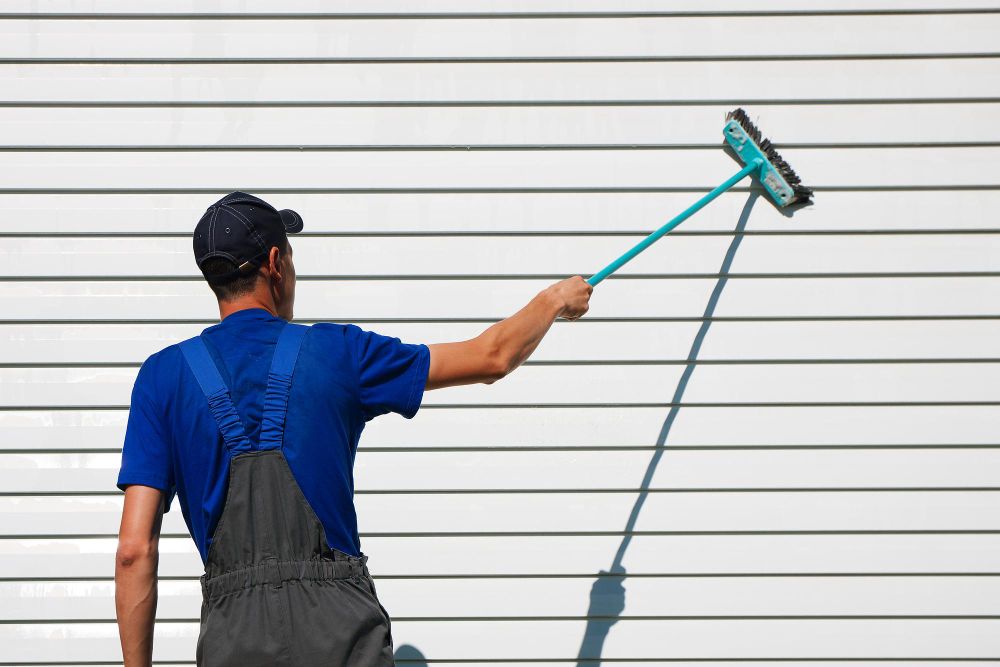
Soft washing uses low pressure and specialized cleaning solutions, making it safer for siding, roofs, painted wood, and other delicate materials.
Many pressure washing companies use pressure washing software to organize customers, schedule jobs, and manage estimaciones as their business grows.
When to Choose Soft Washing Instead of High Pressure
Soft washing is the better choice for:
- Tejas de asfalto
- Painted wood
- Vinyl siding
- Stucco
- Older exterior surfaces
- Areas with heavy mold or algae growth
Using excessive pressure on these materials can strip paint, crack siding, or force water behind exterior walls.
Professionals often rely on the right herramientas de lavado a presión to safely switch between high-pressure and soft washing techniques.
What Industry and Business Category Is Pressure Washing In?
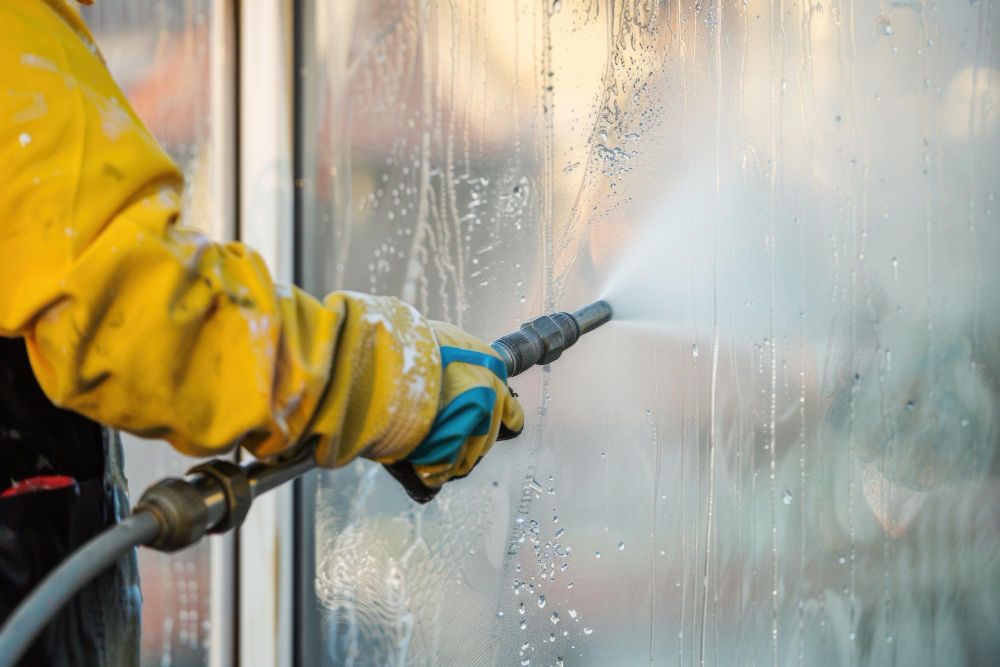
Pressure washing is generally considered part of the exterior cleaning and property maintenance industry.
Many companies also provide complementary services such as window cleaning, gutter cleaning, roof cleaning, and exterior house washing.
What Industry Pressure Washing Is Considered Under Official Codes
In North America, pressure washing businesses are commonly classified under NAICS 561790 — Other Services to Buildings and Dwellings, alongside other exterior property maintenance services.
This classification is often used for licensing, insurance, taxes, and government reporting.
What Business Category Pressure Washing Fits in on Facebook and LinkedIn
For business profiles, pressure washing companies are typically listed under categories such as:
- Pressure washing service
- Cleaning service
- Exterior cleaning service
- Home improvement
- Mantenimiento de la propiedad
Choosing the most accurate category helps customers find your business online.
What Business Industry Pressure Washing Belongs to in Home Services
Within the home service industry, pressure washing is commonly grouped with landscaping, gutter cleaning, roof cleaning, window cleaning, and exterior property maintenance.
Many contractors expand into pressure washing to increase revenue while serving the same customer base. Learning cuánto ganan las hidrolimpiadoras can help you understand the earning potential before adding the service.
Typical Uses and Limits of Pressure Washing
Pressure washing is an effective way to clean exterior surfaces, but it isn’t suitable for every material.
It’s commonly used on:
- Concrete driveways
- Aceras
- Patios
- Brick walls
- Retaining walls
- Garage floors
- Decks
- Fences
- Commercial buildings
Removing dirt, algae, mold, and mildew improves curb appeal while helping extend the life of outdoor surfaces.
What Should Not Be Pressure Washed and When Soft Washing Is Safer
Some materials can be damaged by high-pressure water.
Avoid pressure washing:
- Tejas de asfalto
- Older wood siding
- Painted surfaces
- Windows
- Outdoor electrical fixtures
- Delicate stucco
- Damaged mortar
For these surfaces, soft washing is usually the safer option because it relies on cleaning solutions rather than water pressure.
Older homes may also require extra precautions. According to the EPA, pressure washing painted surfaces can disturb lead-based paint if proper containment procedures aren’t followed.
If you’re planning to offer these services professionally, understanding precios de lavado a presión puede ayudarle cita different cleaning methods accurately.
Safety Basics for Pressure Washing and Soft Washing
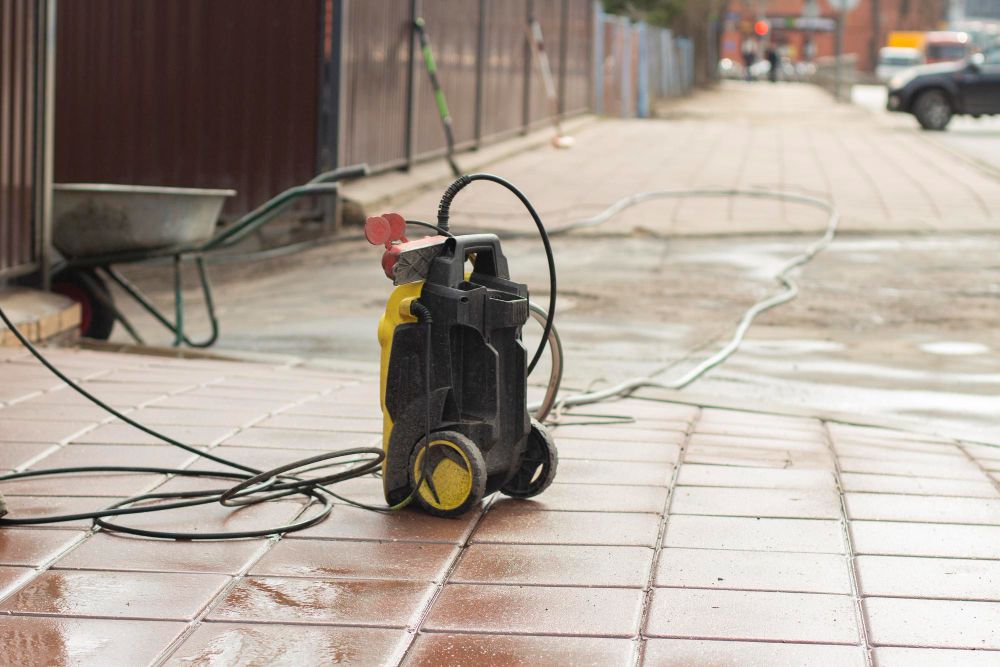
Pressure washers are powerful tools that can cause serious injuries if used incorrectly.
Before starting any job:
- Wear eye protection and closed-toe footwear.
- Never point the spray at people or animals.
- Check hoses and fittings for leaks.
- Use the correct nozzle for the surface.
- Keep electrical connections away from water.
- Test pressure on a small area first.
When using sodium hypochlorite for soft washing, always follow the manufacturer’s dilution guidelines and wear appropriate protective equipment.
En CDC also recommends using pressure washers carefully to reduce the risk of injection injuries, slips, and falls.
Start Pressure Washing the Right Way
Understanding the difference between pressure washing, power washing, and soft washing helps you choose the safest cleaning method for every surface. It’s also an essential first step if you’re planning to offer pressure washing as a professional service.
Muchos contratistas utilizan pressure washing software to manage customers, schedule jobs, and organize daily operations.
Preparing professional paperwork is just as important. A plantilla de presupuesto de lavado a presión helps you present pricing clearly before work begins, while an creador de facturas, generador de facturas gratis, y plantilla de factura de lavado a presión simplify billing once the job is complete.
If you’re ready to turn pressure washing into a business, learning cómo iniciar un negocio de lavado a presión can help you build a strong foundation.
 English
 Español