
What Is Roofing? A Simple Guide to Roof Types and Parts
Tabla de contenidos
Roofing is the process of constructing, installing, repairing, and maintaining the protective covering on top of a building. A complete roofing system does much more than keep rain out. It protects a structure from weather, improves energy efficiency, supports ventilation, and helps preserve the overall value of a property.
Whether you own a home, manage a commercial building, or run a roofing company, understanding the basics of roofing makes it easier to discuss repairs, replacements, and material options with confidence.
What Is Roofing?
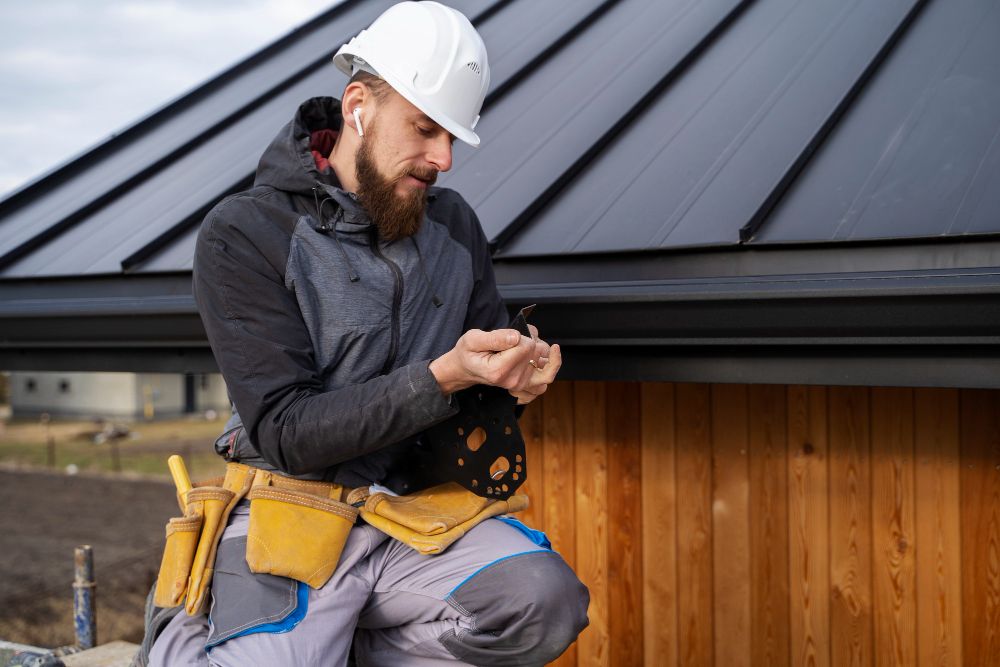
Roofing refers to the materials, structure, and systems that form the uppermost covering of a building. Its primary purpose is to protect the property from rain, wind, snow, sunlight, and temperature changes.
A modern roofing system consists of multiple layers working together, including:
- Roof decking
- Contrapiso
- Intermitente
- Ventilation components
- Roof covering materials
Each layer serves a specific purpose.
For example, shingles provide the visible weather barrier, while underlayment offers a secondary layer of protection against water intrusion.
The roofing industry covers both residential roofing and commercial roofing projects. Residential roofs commonly use asphalt shingles, while commercial buildings often use membrane roofing systems such as TPO, PVC, or EPDM.
Choosing the right roof depends on climate, building design, maintenance expectations, and budget.
If you’re planning to enter the industry, learning cómo crear una empresa de tejados can help you understand the operational side of roofing alongside the technical fundamentals.
Contractors who are expanding their services may also benefit from understanding common servicios de techado and the equipment discussed in this guide.

Types of Roofs
Knowing the different types of roofs is important for roofing contractors because each roof has its own design and installation process. Understanding these differences helps contractors do the job safely and more efficiently.
Gable Roof
A gable roof is one of the most common residential roof styles.
It features two sloping sides that meet at a central ridge, creating a triangular shape.
Los beneficios incluyen:
- Simple construction
- Good water drainage
- Cost-effective installation
- Strong attic ventilation
Hip Roof
A hip roof slopes downward on all four sides.
Unlike a gable roof, there are no vertical end walls.
Hip roofs are popular in areas with strong winds because their shape provides additional structural stability.
Flat Roof
Flat roofs are commonly used on commercial buildings.
Although called “flat,” they usually have a slight slope to allow drainage.
Flat roofs often use:
- TPO roofing
- EPDM roofing
- PVC roofing
- Modified bitumen roofing
Mansard Roof
A mansard roof features four sides with two slopes on each side.
The lower slope is steeper than the upper section.
This design creates additional interior space and is commonly found on historic and European-inspired buildings.
Shed (Skillion) Roof
A shed roof consists of a single sloping surface.
It is frequently used on modern homes, additions, and small commercial structures.
Its simple design makes it cost-effective and easy to build.
Gambrel Roof
A gambrel roof resembles a barn roof.
It features two slopes on each side, with the lower slope being much steeper.
This style maximizes attic or upper-floor space while maintaining a distinctive appearance.
Homeowners often compare roofing materials based on lifespan, maintenance requirements, and installation costs. Roofing contractors creating estimaciones for different material options frequently use a plantilla gratuita de presupuesto de tejado to present pricing clearly and help customers compare alternatives.
Many contractors also use software para tejados to manage projects, customer communication, inspections, and job scheduling more efficiently.
Elements of a Roof
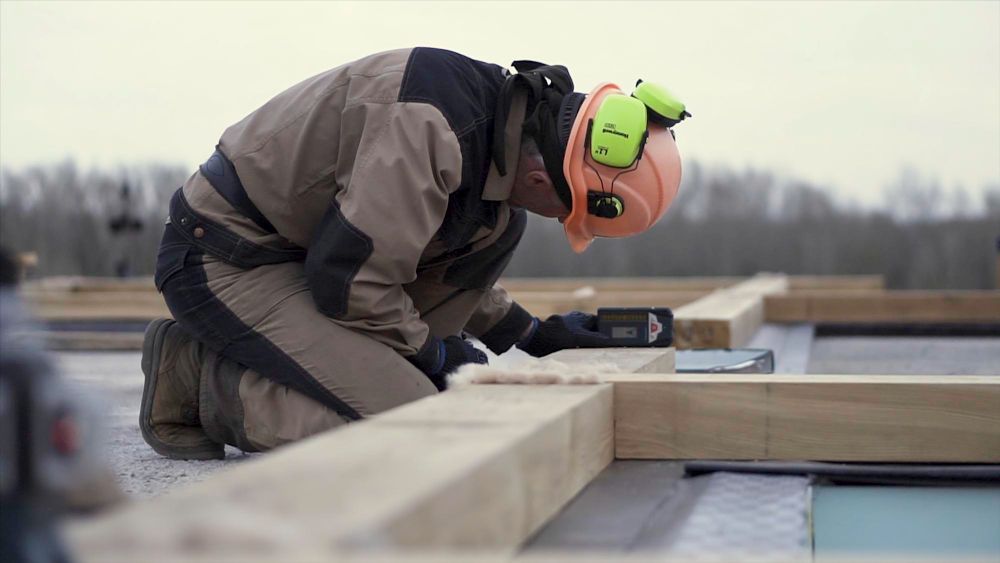
A roof is made up of many parts that work together to protect a building from the weather. Understanding these roof elements helps roofing contractors complete their work correctly and deliver long-lasting results.
Structural Frame & Decking
The structural frame supports the entire roof system.
Los componentes clave incluyen:
- Rafters
- Trusses
- Roof decking (sheathing)
Roof decking forms the structural foundation beneath roofing materials.
Underlayment & Protection
Before shingles or panels are installed, protective layers are added.
Entre ellas figuran:
- Roof underlayment
- Escudo contra el hielo y el agua
These materials provide additional leak protection and weather resistance.
Outer Roof Covering
The roof covering is the visible outer layer.
Algunos ejemplos comunes son:
- Tejas de asfalto
- Metal panels
- Slate
- Azulejos
- Membrane roofing
Starter shingles are often installed along roof edges to improve wind resistance and water protection.
Flashing & Sealing Components
Flashing is one of the most important parts of any roofing system.
It is installed around:
- Chimneys
- Skylights
- Roof valleys
- Plumbing vents
- Wall intersections
Flashing directs water away from vulnerable areas.
Edges & Overhangs
Several components protect roof edges.
Entre ellas figuran:
- Eaves
- Fascia
- Soffit
- Drip edge
- Rastrillo
Geometric Peaks, Ridges & Valleys
Roof shapes create several important features:
- Ridge
- Hip
- Valley
Valleys require special protection because they handle large volumes of water runoff.
Drainage & Ventilation
According to the National Roofing Contractors Association (NRCA), proper attic ventilation helps reduce moisture buildup, improve energy efficiency, and extend the life of roofing materials.
Important components include:
- Gutters
- Downspouts
- Ridge vents
- Pipe boots
Contractors performing routine roofing inspections often identify ventilation problems before they become expensive repairs.
Materiales para tejados
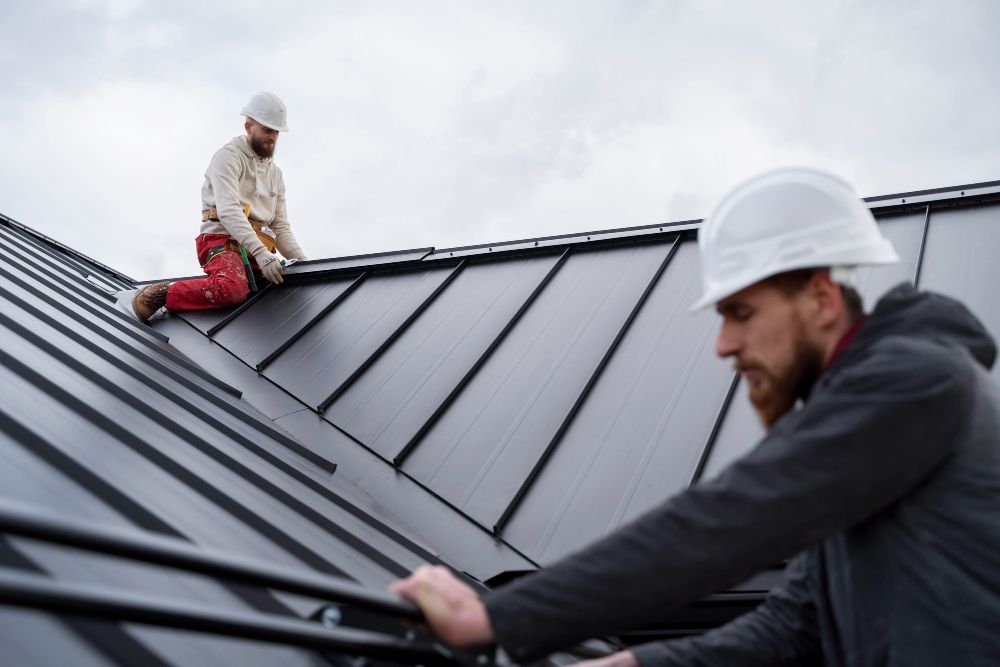
Choosing the right roofing material is an important part of every roofing project. Different materials offer different levels of durability, cost, and performance, so roofing contractors need to understand their options to recommend and install the best solution for each job.
Tejas asfálticas
Asphalt shingles are the most common residential roofing material.
Los beneficios incluyen:
- Precios asequibles
- Easy installation
- Wide color selection
- Good durability
Cubiertas metálicas
Metal roofing continues to grow in popularity. The U.S. Department of Energy notes that cool roofing materials can reduce heat absorption and lower cooling costs in warmer climates.
Standing seam metal roofs offer:
- Long service life
- Strong weather resistance
- Bajo mantenimiento
- Solar compatibility
Clay and Concrete Tiles
Tile roofing provides excellent durability and distinctive curb appeal.
Slate Roofing
Slate is one of the longest-lasting roofing materials available and can last for decades when properly maintained.
Wood Shingles and Shakes
Wood roofs provide a natural appearance but require more maintenance than asphalt or metal systems.
Membrane Roofing Materials
Common commercial roofing membranes include:
- EPDM roofing
- TPO roofing
- PVC roofing
If you’re planning long-term growth, learn cómo crear una empresa de tejados and build stronger systems alongside your roofing expertise.
Tips for Roofing
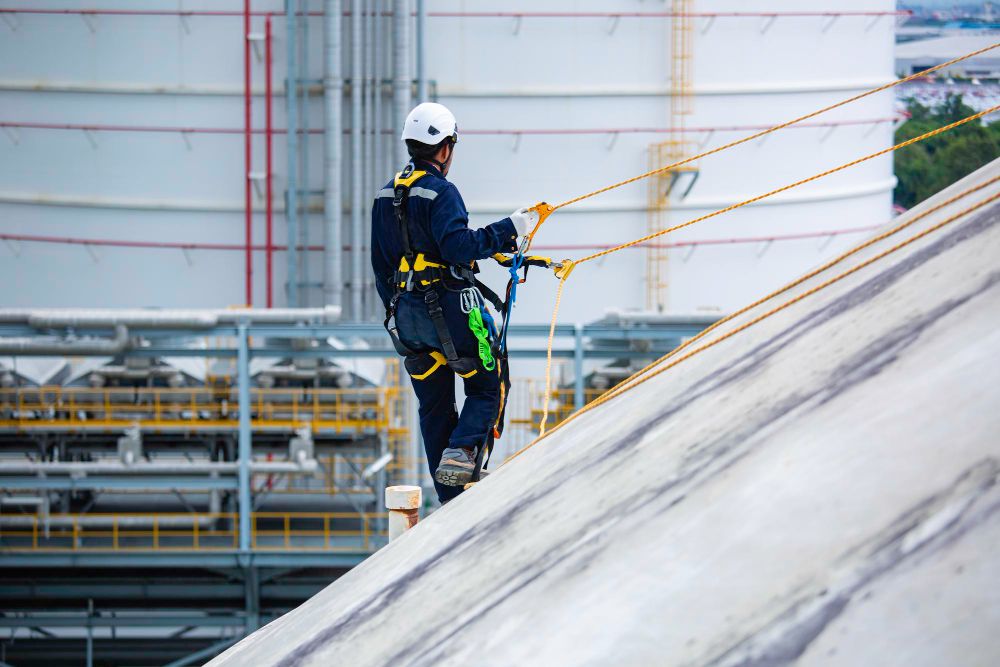
Whether you’re replacing a roof or maintaining an existing one, several best practices can help maximize performance.
- Schedule annual roof inspections.
- Address leaks immediately.
- Keep gutters clean.
- Trim overhanging tree branches.
- Ensure proper attic ventilation.
- Replace damaged shingles promptly.
- Verify contractor licensing and insurance.
Roofing is consistently one of the highest-risk construction trades. OSHA recommends using fall protection systems such as harnesses, anchors, and guardrails whenever working at height.
Property owners comparing options may also benefit from understanding cuánto cuesta un tejado nuevo before starting a replacement project.
Contractors bidding larger projects may also benefit from learning Cómo presupuestar un trabajo de techado and reviewing standard contratos de tejado antes de comenzar el trabajo.
Understand Roofing Before Your Next Project
Understanding roofing fundamentals helps homeowners make better decisions and allows contractors to communicate more effectively with customers.
Muchos contratistas utilizan software para tejados to organize projects, track customer information, create estimates, and manage payments from one place.
Creating professional paperwork is also an important part of running a successful roofing company. Contractors who understand facturación, facturación, citas y recibos can provide a smoother customer experience from the initial estimate through final payment.
For faster billing, contractors can also use an creador de facturas or generate professional documents with a generador de facturas gratis.
 English
 Español