
Receipt Paper Explained: Types, Use, and How It Works

Table of Contents
Receipt paper is a special type of paper used to print transaction records in cash registers, point-of-sale (POS) systems, and ATMs. Most modern receipts are printed on thermal paper, which contains heat-sensitive chemicals that create text and images when exposed to heat from a printer’s print head—meaning no ink or toner is required.
Receipt paper rolls are widely used in retail stores, restaurants, gas stations, and small businesses to provide customers with proof of purchase.
However, many business owners and consumers have questions about how receipt paper works, how long it lasts, and whether it is toxic or recyclable. Below, we’ll break it all down in simple terms.
What is receipt paper?
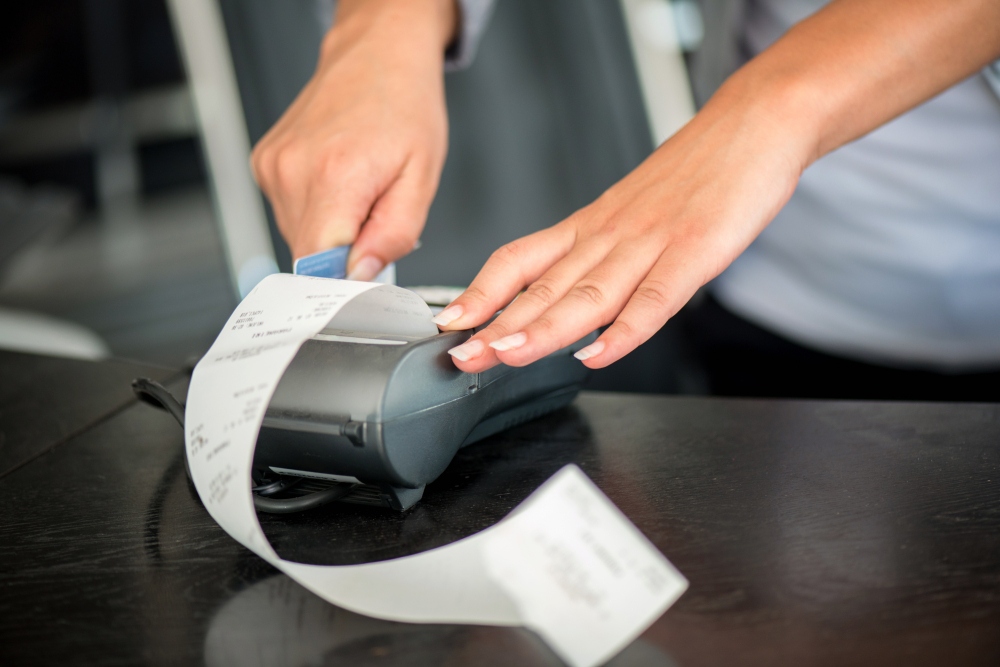
Receipt paper is a lightweight, specially coated paper used to print transaction details such as items purchased, prices, taxes, and totals. It’s commonly found in retail environments, restaurants, ATMs, and service businesses.
The most widely used type today is thermal receipt paper, which doesn’t require ink. Instead, it uses heat to create images and text. This makes printing faster, quieter, and more cost-effective for businesses.
For example, when you pay at a grocery store, the receipt you receive is usually printed instantly using thermal paper. The printer heats specific areas of the paper, which react chemically and turn black to form letters and numbers.
Other types of receipt paper still exist, including:
- Bond paper: Uses ink or ribbon printing (common in older systems)
- Carbonless paper: Used for duplicate or triplicate receipts (e.g., service invoices)
Receipt paper is sometimes referred to as:
- POS paper
- Register rolls
- Thermal printer paper
For business owners, understanding receipt paper is part of creating proper documentation. If you’re unsure what information should be included, this guide on how to write a receipt of payment can help clarify the essentials.
How to choose the right receipt paper?
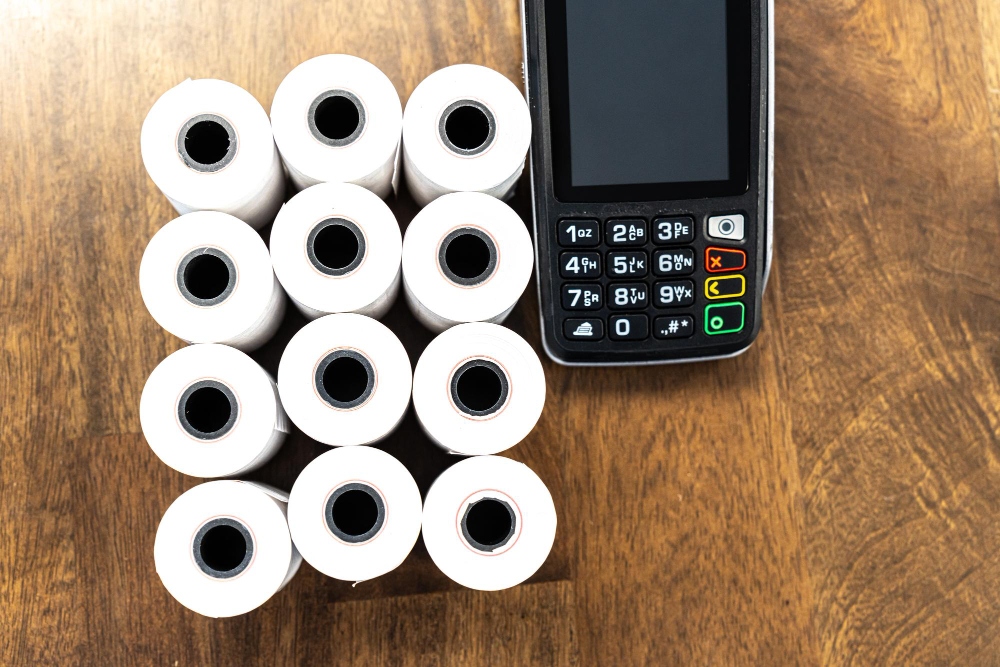
Choosing the right paper depends on your printer type, business needs, and how long you need receipts to last.
1. Match your printer type
Not all receipt paper works with every printer.
- Thermal printers require thermal paper
- Impact (dot matrix) printers use bond or carbon paper
For example, if you run a small retail shop using a modern POS system, you’ll almost certainly need thermal receipt paper rolls.
Using the wrong type of paper can result in blank receipts or damaged printers.
2. Choose the right size
Receipt paper rolls come in different widths and lengths, such as:
- 57mm (common for card machines)
- 80mm (standard for POS systems)
For example, a café using a compact card reader may use 57mm rolls, while a supermarket checkout typically uses 80mm rolls.
Always check your printer specifications before purchasing.
3. Consider durability
Thermal receipts can fade over time, especially when exposed to:
- Heat
- Sunlight
- Moisture
If you need receipts for long-term recordkeeping (e.g., tax purposes), consider:
- Higher-quality thermal paper with protective coating
- Switching to digital copies for backup
For example, contractors who keep receipts for several years may scan or photograph them to prevent data loss.
At this stage, many businesses switch to digital backups to avoid fading issues. Using a free receipt generator allows you to create clean, permanent digital receipts that won’t degrade over time.
4. Look for BPA-free options
Some thermal paper contains chemicals like BPA or BPS, which have raised health concerns. Many businesses now choose BPA-free receipt paper for safety and environmental reasons.
For example, restaurants and grocery stores that handle receipts frequently often switch to BPA-free options to reduce exposure.
What is receipt paper made of?
Receipt paper is not the same as regular printer paper. It is specifically engineered for fast, efficient printing.
Thermal receipt paper composition
Thermal paper typically includes multiple layers:
- Base paper layer: Provides structure
- Thermal coating: Contains heat-sensitive chemicals (leuco dyes and developers)
- Protective topcoat: Helps prevent fading and damage
When heat is applied, the coating reacts and creates visible text.
Chemicals and safety concerns
Many thermal papers contain:
- BPA (Bisphenol A)
- BPS (Bisphenol S)
These chemicals help trigger the color-changing process, but they have raised health concerns. BPA, for example, can be absorbed through the skin and has been linked to reproductive issues in humans and animals, as well as conditions like obesity and attention disorders.
Because of these risks, many businesses are moving toward BPA- and BPS-free receipt paper alternatives.
Other materials
Non-thermal receipt paper types include:
- Bond paper: Similar to regular paper but optimized for printing
- Carbonless paper: Contains microcapsules that transfer ink between layers
These are commonly used in industries like logistics, repair services, and delivery businesses.
How does receipt paper work?
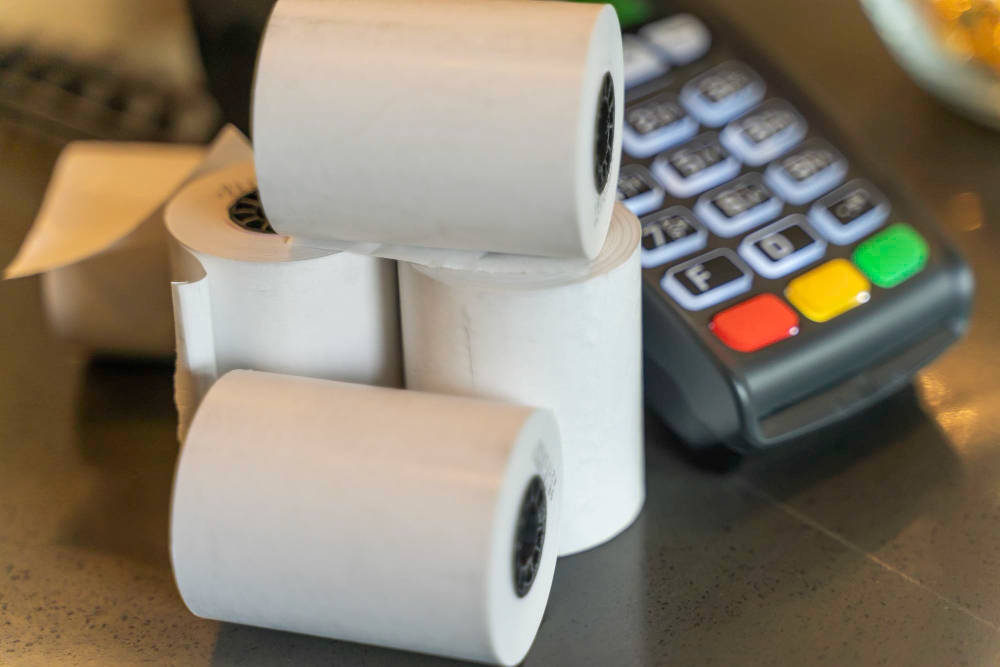
The way receipt paper works depends on the type, but thermal paper is the most common and efficient method.
Thermal printing process
Thermal printers use a heated print head that presses against the paper.
Here’s how it works step-by-step:
- The printer receives transaction data
- The print head heats specific areas of the paper
- The thermal coating reacts to heat
- The heated areas turn black, forming text and images
This process happens almost instantly, which is why receipts print so quickly.
Real-world example
When a customer pays at a retail store:
- The POS system sends purchase data to the printer
- The printer heats the paper in precise patterns
- The receipt prints in seconds without ink
This is why thermal printers are widely used—they are:
- Fast
- Quiet
- Low maintenance
Comparison to ink printing
Unlike standard printers:
- Thermal printers don’t use ink or toner
- There are fewer moving parts
- Maintenance costs are lower
However, the trade-off is that thermal receipts can fade over time, especially if not stored properly.
How long does receipt paper last?
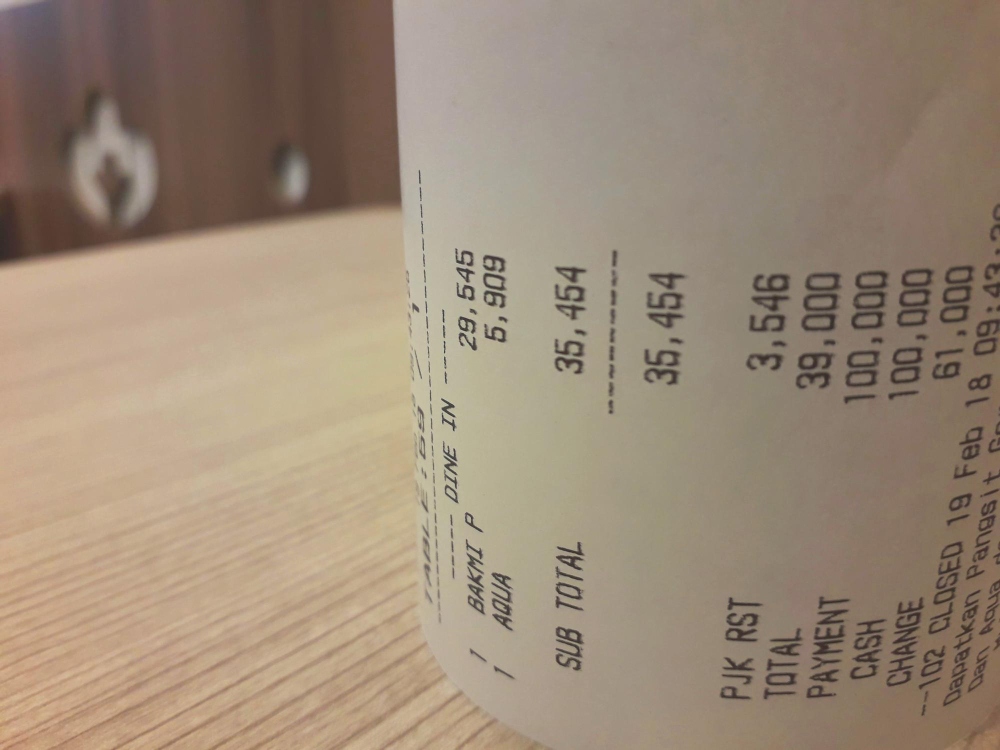
The lifespan of receipt paper depends on the type and storage conditions.
Thermal receipt lifespan
Thermal receipts typically last:
- 1–3 years under normal conditions
- Longer if stored properly
Factors that affect longevity include:
- Heat exposure
- Sunlight
- Humidity
- Friction
For example, a receipt left in a car on a hot day may fade within weeks, while one stored in a cool, dark place may last years.
Best practices for storage
To extend the life of receipt paper:
- Store in a cool, dry place
- Avoid direct sunlight
- Keep away from plastic that may react with the coating
Many businesses now digitize receipts for long-term storage.
For example, a small business owner might scan receipts monthly to ensure they have permanent records for accounting and taxes.
Are receipts recyclable?
Recycling receipt paper depends on the type:
- Thermal paper: Often not recyclable due to chemical coatings
- Bond paper: Usually recyclable
Because of BPA and BPS content, many recycling facilities do not accept thermal receipts.
Create and Manage Receipts More Efficiently
Understanding the different types of receipt paper, how thermal printing works, and how long receipts last can help you make better decisions for your business. Whether you’re choosing the right paper roll or managing records for tax purposes, having the right setup ensures efficiency and accuracy.
While receipt paper is essential for in-person transactions, many businesses now combine printed receipts with digital records for better organization and long-term storage.Using an invoice maker helps you create professional receipts, track payments, and keep your financial records organized without relying only on paper copies.
 English
  Español