
Deferral Meaning in Accounting: Definition, Types & Examples
Table of Contents
- What Is a Deferral in Accounting?
- Types of Deferrals
- Deferred Expenses (Prepaid Expenses)
- How Deferrals Work Under Accrual Accounting
- Common Examples of Deferrals
- Journal Entry Examples for Deferrals
- Deferral vs. Accrual Accounting
- Ready to Understand and Manage Deferrals More Easily?
- FAQs About Deferrals in Accounting
Understanding the meaning of deferral is essential for accurate bookkeeping, clean financial reporting, and better tax planning, especially for small businesses that rely on the accrual basis of accounting. Deferrals help you record revenue and expenses in the correct period, even when cash timing doesn’t match the economic activity.
This guide will cover:
- What a deferral means in accounting
- The four major types of deferrals
- How deferrals work under accrual accounting
- Real examples used by small businesses
- Journal entry examples
- Deferral vs. accrual accounting
- FAQs
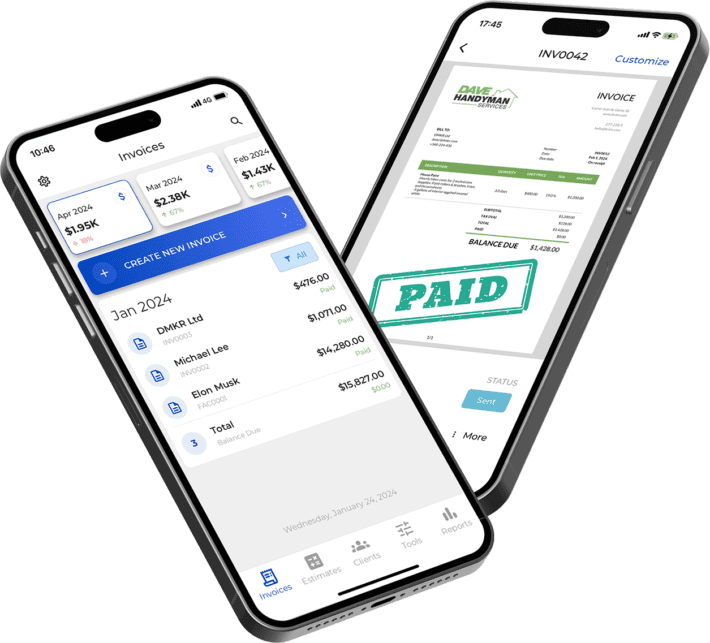
Before we get into the details: If you want easier financial tracking while handling prepaid expenses, deferred revenue, retainers, or early customer payments, try Invoice Fly’s online payments feature.
It helps small businesses accept payments faster, reduce manual errors, and keep customer balances accurate, making deferrals easier to manage.
What Is a Deferral in Accounting?

A deferral in accounting refers to postponing the recognition of revenue or expenses until a future period. Even though cash may already have changed hands, the business waits to record revenue until it is earned or waits to record an expense until the benefit is consumed.
This ensures financial statements reflect economic reality rather than cash movement.
In simple terms, when people ask what does deferral mean, the answer centers on timing: Cash first, recognition later.
Deferrals help businesses comply with the matching principle and the accrual method, supporting more accurate profitability measurement and stronger financial transparency.
Types of Deferrals
Understanding the four major categories of deferrals helps clarify how they affect both the income statement and the balance sheet, as well as everyday bookkeeping operations.
Deferred Revenue (Unearned Revenue)

Deferred revenue is money received before a business delivers goods or services. Because the company owes the customer something, it is recorded as a liability rather than income.
Examples include:
- Annual software or SaaS subscriptions
- Prepaid service packages (consulting hours, maintenance plans)
- Event tickets sold months in advance
- Rent collected early from tenants
- Gift card sales
Each month or period, a portion of this liability is shifted to revenue as services are provided. This prevents businesses from overstating income in the period cash is received.
To better understand how liabilities appear on financial reports, see our guide on assets and liabilities.
Deferred Expenses (Prepaid Expenses)
A deferred expense is a payment made for goods or services that will benefit the business in the future. These costs begin as assets and convert into expenses gradually.
Typical prepaid expenses include:
- Annual insurance premiums
- Prepaid rent
- Software licenses or subscriptions billed annually
- Prepaid advertising or marketing campaigns
- Maintenance or service agreements
These costs are expensed over time to match the period in which the benefit is actually received. This ensures accurate profit measurement.
You can learn how these entries are recorded in journal entry accounting.
Tax Deferrals
A tax deferral allows individuals or businesses to delay paying taxes until a future period. This is common in both small business tax planning and retirement savings strategies.
Examples include:
- Depreciation timing differences
- Retirement account contributions
- Installment sale income
- Deferral of payroll taxes under special IRS provisions
Salary & Employee Deferrals (401k, Roth, elective)
Employee salary deferrals occur when part of a paycheck is voluntarily redirected into a retirement plan or another deferred-compensation account.
Types of salary deferrals include:
- 401k deferral meaning: Pre-tax contributions that reduce taxable income this year
- Roth deferral meaning: After-tax contributions offering tax-free withdrawals later
- Elective deferral meaning: Any voluntary salary reduction into a retirement plan
- Employee elective deferral meaning: Employee selects the deferral amount
The IRS provides guidance on how much employees may defer each year under salary deferral limits.
Staying on top of deferred revenue, prepaid expenses, and customer deposits is easier when your payment tools work smoothly. With online payments and the client portal, Invoice Fly helps you keep billing organized and customer balances up to date without extra admin work.
How Deferrals Work Under Accrual Accounting

Deferrals support the core principles of accrual accounting, ensuring transactions are recorded when they truly happen economically, not when money moves.
Under accrual accounting:
- Revenue is recognized when earned
- Expenses are recognized when incurred
- Cash timing does not determine recognition
Deferrals prevent misinterpretation of financial performance by adjusting for early or advance payments. They also ensure:
- Revenue is not overstated when cash is received early
- Expenses are not overstated when prepaid
- Liabilities and assets accurately represent obligations and future benefits
- Profitability trends remain consistent
To learn why accrual accounting is essential for growing businesses, see: What is accrual basis accounting?.
Common Examples of Deferrals
Below are scenarios commonly encountered in daily small business bookkeeping.
Insurance
A business pays $2,400 for an annual insurance policy. Instead of recording the full amount as an immediate expense, the payment is recorded as a prepaid asset. Each month, $200 becomes an insurance expense until the prepaid amount reaches zero.
Rent
If a company pays a landlord three months of rent up front, that payment is a deferred expense. It becomes a monthly rent expense only as time passes.
Subscriptions
Many SaaS platforms bill annually. Businesses receiving annual subscription payments must treat the full amount as deferred revenue and recognize it monthly.
Prepaid Services
Businesses often pay contractors early such as marketing retainers, cleaning services, or maintenance programs. These create prepaid assets until work is completed.
Advanced Customer Payments
Customer deposits, down payments, and retainers must be recorded as liabilities because the company owes services or goods in the future.
Journal Entry Examples for Deferrals

Deferred revenue entry
When a business receives cash but hasn’t delivered the service:
- Debit: Cash
- Credit: Deferred Revenue
Deferred expense entry
When cash is paid early for future benefits:
- Debit: Prepaid Expense
- Credit: Cash
Revenue recognition over time
As the business earns revenue each period:
- Debit: Deferred Revenue
- Credit: Revenue
Expense recognition over time
As prepaid expenses are consumed:
- Debit: Expense
- Credit: Prepaid Expense
To understand how these transactions affect financial statements, see our guide on income statements.
Deferral vs. Accrual Accounting
These two systems work together to ensure financial accuracy.
| Category | Deferral | Accrual |
| Timing | Cash happens before recognition | Recognition occurs before cash |
| Examples | Prepaid rent, unearned revenue | Accrued wages, accrued utilities |
| Balance Sheet Impact | Creates assets or liabilities | Creates receivables or payables |
| Purpose | Ensures accurate future recognition | Ensures timely recognition of obligations |
Ready to Understand and Manage Deferrals More Easily?
Deferrals help businesses match expenses and revenue to the correct period, manage cash flow more strategically, and prepare for taxes with better accuracy.
Whether you’re handling deferred revenue, payment deferrals, deferred rent, prepaid expenses, or retirement contributions, the underlying principle stays the same: record activity in the period it belongs.If you want a smoother way to manage customer deposits, advance payments, and deferred revenue, Invoice Fly’s online payments feature can help. It gives your customers an easy way to pay and keeps every transaction organized, so your deferrals and revenue schedules stay accurate without extra work.