
Cash Receipts: How to Handle Cash Payments Properly

Table of Contents
A cash receipt is a simple record that confirms your business received payment from a customer, whether that payment was made in cash, by check, or through another immediate method. It shows who paid you, how much they paid, what the payment was for, and when the transaction happened, making it much easier to record payments correctly in your books. For small retail owners, contractors, and service providers, properly handling cash receipts helps prevent lost money, proves that customers have paid, and creates an audit trail for tax reporting if the IRS ever reviews your records.
In this guide, we’ll cover how cash receipts work, how to create them, and simple ways to keep them organized throughout the year.
How a Cash Receipt Works
A cash receipt is created at the time a payment is received, not later. When a customer pays in cash, writes a check, or makes another immediate payment for goods or services, the business issues a receipt to document the transaction and gives a copy to the customer for their records.
From an accounting perspective, a cash receipt increases your cash balance. If the customer was paying an invoice, it also reduces accounts receivable. If no invoice exists, the payment is simply recorded as a direct sale.
Most businesses follow the same basic four-step process when handling a cash payment:
- Receive payment — collect the money when the sale is completed or the service is finished
- Issue the receipt — create the receipt right away and keep a copy for your records
- Record the transaction — enter the payment into your cash receipts journal or accounting software
- Deposit the funds — ideally the same day or the next business day
The IRS requires businesses to keep records that support all income reported on tax returns, and cash receipts are one of the simplest ways to show where your income came from if questions ever arise.
How to Create a Cash Receipt
Even a simple cash receipt format should include the following details:
- Receipt number — a unique, sequential number for easy tracking
- Date — the exact date the payment was received
- Payer’s name — the customer or client making the payment
- Business name — your name or business as the receiving party
- Amount paid — total received, including any applicable tax listed separately
- Payment method — cash, check (include check number), or money order
- Description — what the payment is for — product sold, service rendered, or invoice number
- Signature — optional but useful for higher-value transactions
If you want step-by-step guidance, see our guide on how to write a receipt of payment.
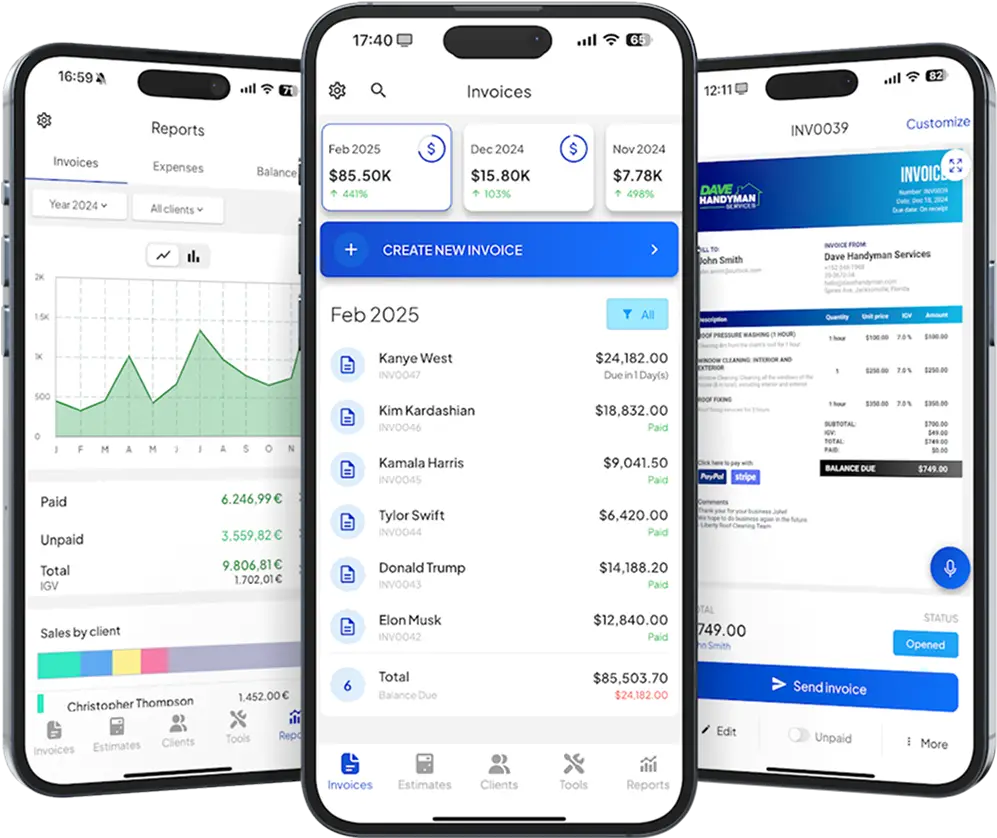
You can also use InvoiceFly’s free cash receipt template to quickly customize a receipt with your business details, or create one instantly with the free receipt generator that lets you produce a clean receipt on the spot without any setup.
Why Cash Receipts Are Necessary
Accepting cash without issuing receipts can create real problems for your bookkeeping, tax compliance, and ability to resolve disputes. Here are a few of the main reasons cash receipts matter:
Proof of payment: Unlike card payments, which generate a bank record automatically, cash transactions leave no trail unless you create one. A receipt is the only documentation that confirms money changed hands.
IRS compliance: The IRS expects businesses to document all income, including cash sales. For cash payments exceeding $10,000, the IRS requires Form 8300 to be filed.
Theft prevention: Numbered receipts make it much harder for cash to go missing between the customer’s hand and the bank deposit. Duplicate receipt books and daily reconciliation are standard practice in any cash-handling operation.
Dispute resolution: A signed receipt protects you from fraudulent claims and gives customers confidence that their payment has been properly recorded.
Benefits of Cash Receipts
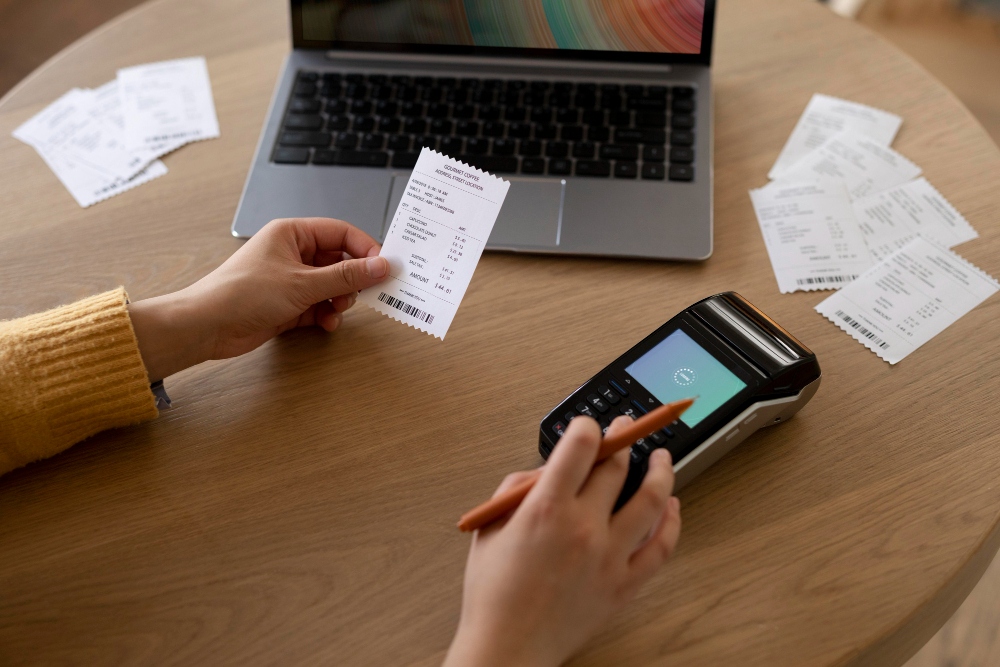
A consistent cash receipting process delivers practical day-to-day benefits beyond basic compliance. Numbered receipts help you reconcile payments at the end of the day, so discrepancies show up right away instead of weeks later. Organized records also make tax time faster and less stressful. And even for small transactions, issuing a proper receipt signals to customers that your business is professional and trustworthy.
For example, the Georgia State Accounting Office recommends sequential numbering, duplicate copies, and daily reconciliation when handling cash receipts—steps that mirror the same controls used in both government and private-sector accounting.
Cash Receipt Types
Cash receipts can take a few different forms depending on how and where you accept payments. Most small businesses use one of the following options:
- Printed receipt from POS system — generated automatically at the point of sale; handles numbering, date stamping, and storage
- Handwritten receipt book — carbon copy pages make it portable and reliable for contractors and field-based service providers
- Digital receipt — emailed immediately after payment; works well for any business with the customer’s email address
- Cash receipts journal — for higher-volume businesses; a running log where each entry references the corresponding receipt number
For a range of printable and digital formats, browse InvoiceFly’s free receipt templates.
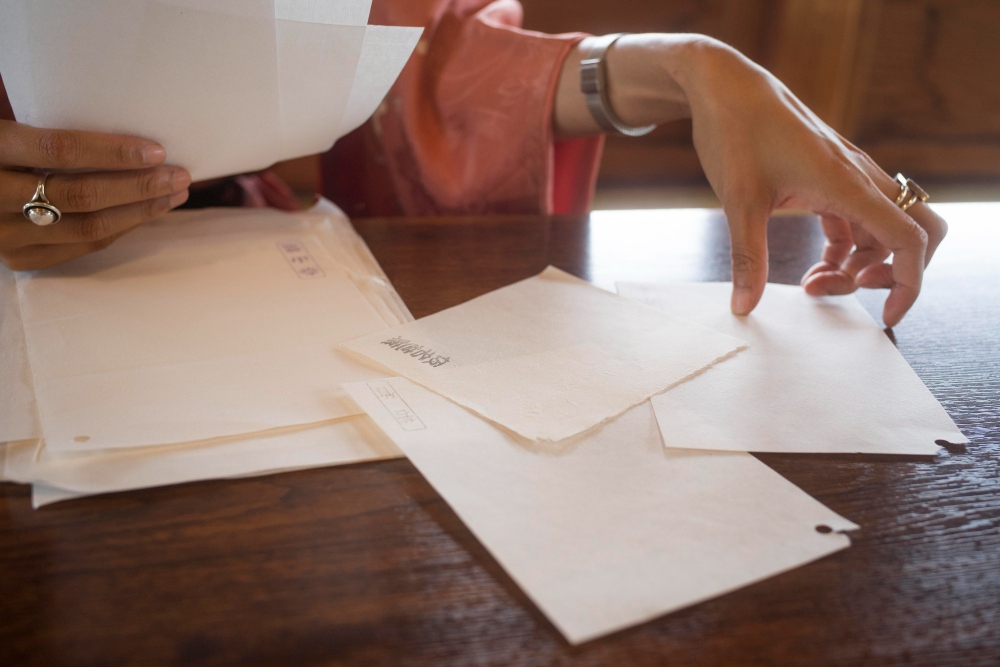
Keeping Track of Cash Receipts
Creating cash receipts is only part of the process. Keeping them organized and easy to review is what helps protect your business and keeps your records accurate over time. A few simple habits can make a big difference:
- Number every receipt sequentially — missing numbers are easy to spot and investigate
- Keep duplicates — carbon copies for receipt books; saved records for digital receipts
- Reconcile daily — match your cash receipts against actual cash on hand and deposits at the end of every business day
- Store receipts systematically — organized by date in labeled folders; the IRS recommends keeping records for at least three years
- Record promptly — enter each transaction into your accounting system the same day, not at the end of the week
For businesses that also issue invoices alongside cash receipts, InvoiceFly’s invoice maker keeps both in one place, making reconciliation straightforward and your financial records consistent.
Conclusion
Cash receipts are one of the simplest and most overlooked tools a small business can use to stay organized, compliant, and protected. Every cash transaction deserves a receipt. It proves payment, records income, helps prevent disputes, and gives you the documentation you need when tax time arrives.
Whether you use a receipt book in the field, a POS system at the counter, or digital receipts emailed to clients, the important thing is consistency. Use InvoiceFly’s free cash receipt template to get started, or the free receipt generator to create individual receipts on demand.