What Is an Asset? Meaning, Types, Examples & How They Work
Table of Contents
- What Is an Asset?
- How Assets Work
- Types of Assets
- Emerging and Alternative Assets
- Assets and Personal Finance
- What Are Examples of Assets?
- What Are Non-Physical Assets?
- Is Labor an Asset?
- How Are Current Assets Different from Fixed or Noncurrent Assets?
- Business and Personal Assets
- Three Key Properties of Assets
- Why Asset Classification Matters
- Asset Valuation Basics
- Managing Asset Depreciation
- Role of Assets in Business Performance
- Ready to Put Your Assets to Work?
- Frequently Asked Questions
An asset is anything of measurable value that a person or business owns or controls and can use to create future economic benefit, like cash, equipment, a building, or even a trademark. In practical terms, if you can reasonably expect it to help you earn money, reduce costs, or be converted into cash later, it’s likely an asset.
This guide will cover:
- What is an asset
- Assets vs. liabilities
- The main asset types (current, fixed, financial, intangible)
- Examples for small businesses and personal finance
- How assets are valued (market value vs. book value and more)
- Depreciation, impairment, and why classification matters
- FAQs
Before we get into the details: if you track assets for a small business, clean invoicing and records matter. Tools like Invoice Fly’s invoice management software help you stay organized so assets like receivables and equipment are easier to manage from day one.
What Is an Asset?
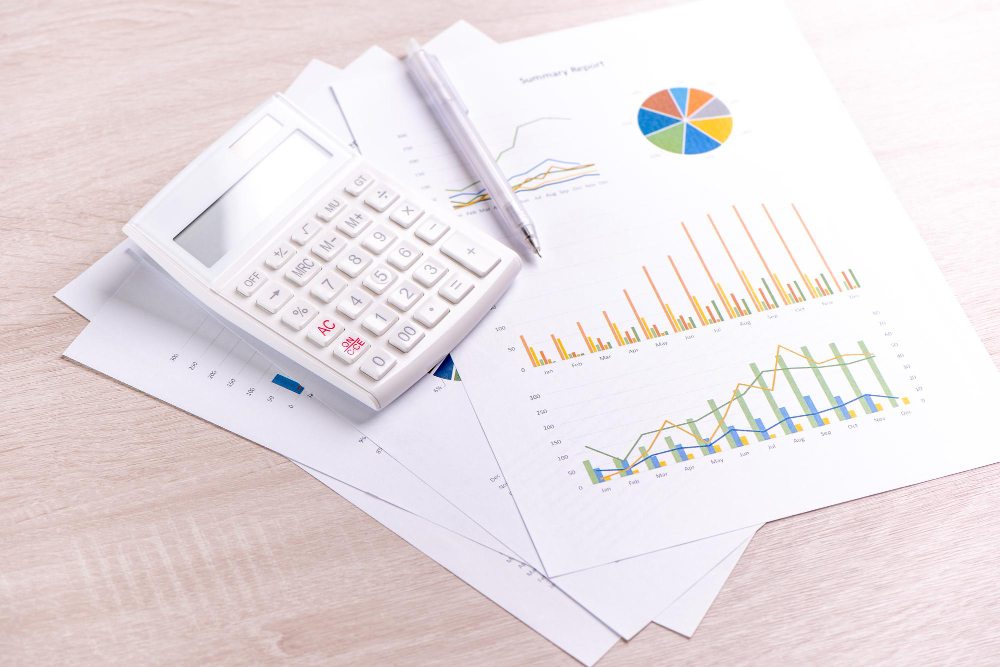
At its core, an asset is a resource with economic value that you own or control. Assets can be physical (like inventory or machinery) or non-physical (like software or patents). In law and finance, an asset is broadly described as something of value owned by an individual or organization.
In everyday life, “anything of value that is owned” can sound vague—so the easiest test is:
- Does it have value today, or can it reasonably create value later?
- Do you own it or have a legal right to benefit from it?
- Can you sell it, use it to earn income, or use it to reduce costs?
If yes, it’s typically considered an asset.
Assets vs. Liabilities
A fast way to understand the difference between what is an asset and what is a liability:
- Assets = what you have (resources you control that provide value)
- Liabilities = what you owe (debts and obligations)
Assets vs liabilities examples:
- Your business checking account (asset) vs. credit card balance (liability)
- A work truck (asset) vs. the truck loan (liability)
- Accounts receivable (asset) vs. accounts payable (liability)
The difference is about direction: assets bring value in; liabilities represent claims against that value.
This distinction also shapes how information is organized on financial statements, where assets vs liabilities are grouped based on standard classifications and supported by consistent bookkeeping methods.
How Assets Work
In accounting, assets are recorded on the balance sheet and grouped by how quickly they can be converted into cash or how they’re used in the business.
Assets matter because they:
- Support day-to-day operations
- Affect cash flow and liquidity
- Influence borrowing power
- Help measure overall business value
Each asset is tracked in an asset account, such as cash, accounts receivable, equipment, or inventory. These accounts roll up into financial statements that lenders, investors, and owners rely on.
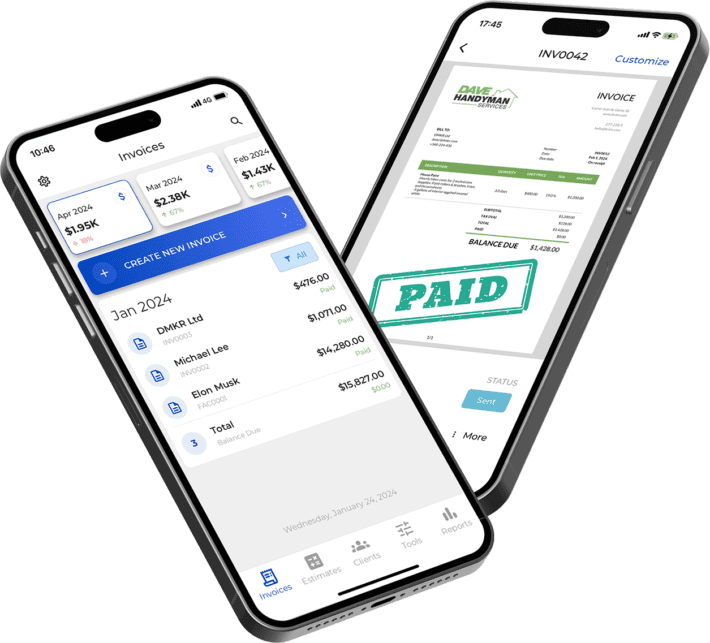
Accurate invoicing plays a direct role here. When you send an invoice, the unpaid amount becomes accounts receivable, which is an asset until it’s collected.
Types of Assets
There are different kinds of assets, and each asset type matters because it affects reporting, taxes, and decision-making. Most small businesses classify assets into four broad buckets.
Current Assets
Current assets are expected to be used, sold, or converted into cash within one year.
Common examples:
- Cash and bank balances
- Accounts receivable
- Inventory
- Short-term investments
Cash is the most liquid asset, followed by items that can quickly be sold or collected.
Fixed Assets

Fixed assets (also called long-term or noncurrent assets) are used over multiple years.
Examples include:
- Buildings
- Machinery
- Tools and equipment
- Vehicles used for business
These assets are typically depreciated over their useful lives.
Financial Assets
Financial assets represent contractual claims or investments, such as:
- Stocks and bonds
- Mutual funds
- Retirement accounts
- Certificates of deposit
Their value often fluctuates based on market conditions.
Intangible Assets
Intangible assets don’t have a physical form but still provide value.
Examples:
- Trademarks and patents
- Software
- Licenses
- Brand goodwill
Although harder to value, intangible assets can be some of the most valuable resources a business owns.
Emerging and Alternative Assets
Beyond traditional categories, many people now consider “alternative assets,” including:
- Digital assets (certain tokens or digital property rights)
- Collectibles (art, rare items)
- Private equity interests
- Some specialized real estate arrangements
These can be harder to value and may be less liquid, so they require careful documentation and sometimes professional advice.
Assets and Personal Finance
In personal finance, assets directly affect net worth:
- Net worth = total assets − total liabilities
In personal finance, assets matter because they shape net worth: the difference between what you own and what you owe.
Personal assets often include a home, savings, retirement accounts, and a vehicle, while liabilities may include a mortgage, student loans, or credit card balances.
Over time, financial stability usually comes from building assets that can grow or produce income. These are often referred to as investable assets, such as stocks, bonds, funds, or certain types of real estate.
What Are Examples of Assets?
Here are practical examples many people recognize immediately.
Business assets
- Cash in a business bank account
- Unpaid customer invoices
- Inventory held for sale
- Computers, tools, or machinery
- Company vehicles
- Software licenses
Personal assets
- Home equity
- Savings accounts
- Investment portfolios
- Vehicles owned outright
An asset statement is simply a summary of these items and their estimated values, often used for loans, insurance, or financial planning.
What Are Non-Physical Assets?

Non-physical assets include:
- Trademarks and patents
- Customer lists (in some contexts)
- Software licenses
- Brand value/goodwill
- Certain contractual rights
An asset tag is not an asset itself. It’s a label (often a barcode or QR code) attached to physical items like laptops or tools to help track inventory, depreciation, maintenance, or loss.
Is Labor an Asset?
In accounting, labor itself is not recorded as an asset. Businesses don’t own employees, and labor cannot be controlled or sold like property or equipment.
However, certain labor costs can be capitalized when they are directly related to creating or improving an asset. This means the cost is added to the asset’s value rather than expensed immediately.
How Are Current Assets Different from Fixed or Noncurrent Assets?
This distinction affects cash flow planning, lending decisions, and performance metrics. The key difference comes down to how long an asset is expected to be used and how quickly it can be converted into cash.
Current Assets
Current assets support short-term operations and liquidity. They are expected to be used, sold, or collected within about one year.
- Cash and bank balances
- Accounts receivable
- Inventory
- Short-term marketable securities
Long-Term Investments
Long-term investments can still be assets, but they are not typically intended for short-term use or quick conversion into cash.
- Certain investment accounts
- Strategic equity stakes
- Long-term holdings not used in daily operations
Fixed Assets
Fixed assets, also known as noncurrent assets, support long-term production and revenue generation. Financial references commonly describe fixed assets as those held for more than one year.
- Equipment and machinery
- Buildings and structures
- Land improvements
- Vehicles used in business operations
Asset-Heavy vs. Asset-Light Business Models
How a business relies on assets often shapes its operating model.
- Asset-heavy businesses, such as manufacturers or trucking fleets, depend on expensive equipment and physical property.
- Asset-light businesses, including many service companies and software firms, rely more on people, systems, and intangible resources than on physical assets.
Intangible Assets
Intangible assets do not have a physical form but still provide economic value.
- Software and digital tools
- Patents and trademarks
- Licenses and intellectual property
- Brand value and goodwill
Tangible Assets
Tangible assets are physical items that can be seen and touched.
- Land
- Buildings
- Machinery
- Tools and equipment
Wasting Assets
Some assets decline in value as they are used or depleted over time. These assets require specialized accounting treatment.
- Natural resource interests
- Assets subject to extraction or consumption
- Property that loses value as resources are exhausted
Business and Personal Assets

Ownership matters for taxes, liability, and financial planning, especially when assets are held through a legal entity like an LLC or corporation.
What Is a Business Asset?
A business asset is owned by the business entity and used to generate income or support operations.
Common business assets include:
- Cash and bank balances
- Equipment and tools
- Inventory
- Accounts receivable
- Intellectual property
How these assets are treated can depend on how the business is set up, since different business structure options affect ownership, liability, and tax reporting.
Fixed or Long-Term Business Assets
Fixed or long-term business assets are resources expected to be used for more than one year.
Examples include:
- Durable tools and machinery
- Buildings and improvements
- Vehicles used for business
- Certain technology purchases
These assets are typically depreciated over their useful lives.
Other Business Assets
Not all business assets are physical or long-term.
Other common examples include:
- Prepaid expenses, such as insurance paid in advance
- Licenses and permits
- Customer deposits, which are often recorded as liabilities until the related work is completed
Classification depends on how and when the asset provides value.
What Are Personal Assets?
Personal assets are owned by an individual or household rather than a business entity.
They commonly include:
- A home or other property
- Personal vehicles
- Savings and investment accounts
- Retirement funds
Together with personal liabilities, these assets determine an individual’s net worth.
Tangible Personal Asset Examples
Tangible personal assets are physical items, such as:
- A home or real estate
- Vehicles
- Jewelry or collectibles
- Cash
Intangible Personal Asset Examples
Intangible personal assets don’t have a physical form but can still hold value.
Examples include:
- Certain intellectual property rights
- Contractual rights
- Royalties or licensing income
When business and personal assets overlap, separating finances becomes especially important. Using a dedicated business account helps keep ownership clear and records clean.
Three Key Properties of Assets
Most assets share three practical traits:
- Ownership/control: you have legal rights to the benefit
- Measurable value: you can reasonably estimate or record value
- Future benefit: it can generate cash, reduce expenses, or be converted later
Why Asset Classification Matters
Correctly classifying assets helps:
- Improve financial reporting accuracy
- Support tax planning and depreciation
- Make financial statements easier to understand
- Provide clearer insights into business performance
Poor classification can distort profitability, cash flow, and asset values.
Asset Valuation Basics
Assets can be valued in different ways depending on context.
- Market value: what someone would pay today
- Book value: original cost minus depreciation or amortization
- Cost basis: amount invested for tax purposes
- Liquidation value: estimated value in a quick sale
For accounting purposes, book value is most commonly used.
Managing Asset Depreciation
Depreciation spreads the cost of long-term tangible assets over their useful lives. It doesn’t affect cash directly, but it does affect reported profit and taxes.
Good depreciation tracking depends on:
- Accurate purchase records
- Clear business-use documentation
- Consistent accounting methods
This is another area where organized records and invoicing make asset management easier over time.
Role of Assets in Business Performance
Assets influence:
- How much a business can produce or sell
- How efficiently work gets done
- Whether financing is available
- Long-term growth potential
Businesses with heavy equipment needs operate very differently from asset-light service businesses, even if revenue is similar.
Ready to Put Your Assets to Work?
Once you understand what qualifies as an asset and how different assets are classified, you’re in a stronger position to make informed financial decisions. Clear asset records support better tax planning, cleaner reporting, and more predictable financing outcomes.
Making asset tracking manageable comes down to a few habits:
- keeping purchase documentation
- recording depreciation consistently
- and maintaining a clear separation between personal and business finances.
When billing and recordkeeping stay aligned, tools like invoice management help ensure receivables are tracked accurately, while longer-term planning fits naturally into broader financial projections.