
What Is a Concrete Contractor? Duties, Types & How to Become One

Table of Contents
A concrete contractor is the person behind some of the most important parts of any construction project—from the foundation your home sits on to the driveway you use every day. Whether it’s pouring a patio, building a slab, or repairing cracked concrete, their work quite literally forms the base of everything that follows.
Whether you’re thinking about starting a concrete contractor or building a business around concrete work, this guide breaks down the duties the job involves and what it takes to succeed.

What Is a Concrete Contractor?
A concrete contractor is a licensed professional or business entity that specializes in concrete and cement construction work. Unlike general contractors who manage all trades across a project, concrete contractors focus specifically on concrete — developing deep expertise in mix design, formwork, structural requirements, and finishing techniques.
To understand what a concrete contractor does, it helps to look at each stage of a concrete project from prep to final cure. Concrete contractors work across a broad range of project types:
- Flatwork — horizontal surfaces including slabs, driveways, patios, and sidewalks
- Structural work — foundations, footings, walls, and beams
- Decorative concrete — stamped, stained, and polished concrete finishes
- Concrete repair — resurfacing, crack injection, waterproofing, and restoration
- Precast and specialty work — precast panels, custom concrete forms, and specialty mix applications
The range of project types within concrete contracting creates multiple paths to specialization and revenue growth. For a look at what services are most in demand, see our full guide on concrete services.
Ready to build a business around concrete work? Our guide on how to start a concrete business covers licensing, insurance, equipment, and landing your first clients.

What Does a Concrete Contractor Do?
Concrete contractors manage the full lifecycle of a concrete project. While every job is different, most follow this clear step-by-step process from preparation to final repair:
- Site Preparation Before any concrete is poured, the site must be properly prepared — cleared, graded, and compacted. Installing drainage where required and ensuring a stable subbase prevents settling, cracking, and premature failure. Proper site prep is what determines whether a slab lasts 30 years or starts cracking within three.
- Formwork and Reinforcement Concrete contractors build and set the forms — temporary molds that hold concrete in shape while it cures. Structural projects also require rebar or wire mesh placed within the forms to reinforce the concrete against cracking and movement under load. Setting forms accurately is critical for achieving the specified dimensions and slope.
- Concrete Mix Selection and Pouring Selecting the right concrete mix for the application is a core technical skill. Mix design affects strength, workability, cure time, and finish potential. Contractors order ready-mix concrete or batch their own for smaller jobs. The pour must be executed efficiently — concrete has a limited working window before it begins to set.
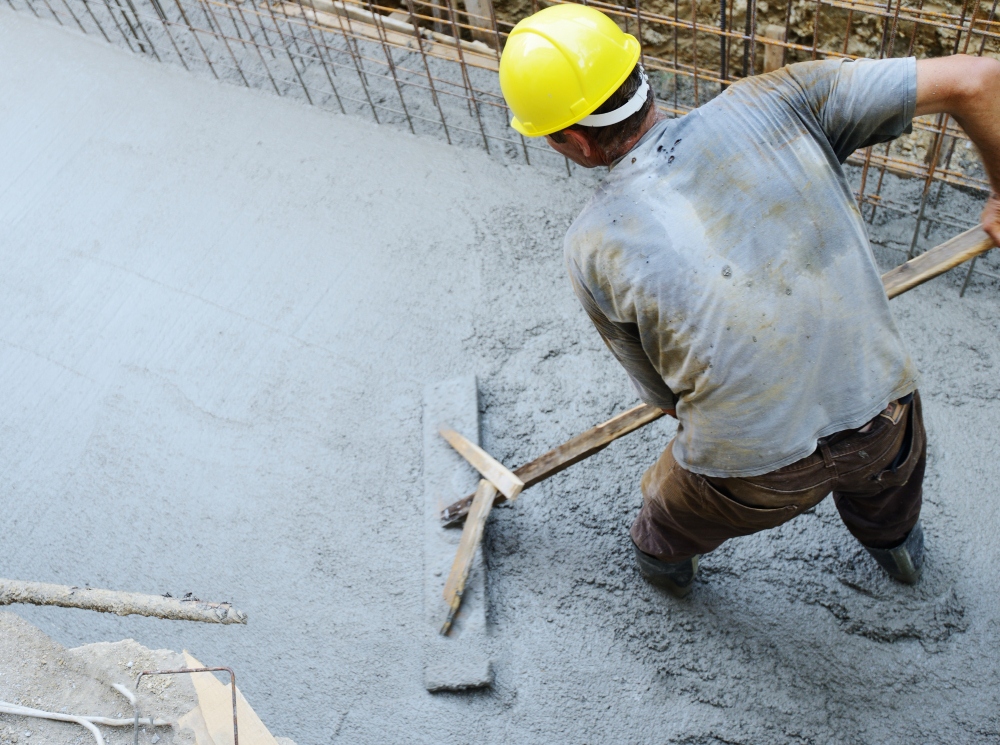
- Finishing Finishing covers the techniques applied to fresh concrete to achieve the required surface texture and appearance. This includes screeding, floating, troweling, and any decorative treatments such as stamping, staining, or broom finishing. A well-executed finish is both functional and aesthetically appealing — and it’s what clients remember.
- Curing and Protection Proper curing ensures concrete achieves its design strength. Contractors apply curing compounds, wet-cure with burlap and water, or use insulated curing blankets depending on ambient conditions. Protecting fresh concrete from heat, cold, rain, and premature foot traffic is a non-negotiable part of every job.
- Concrete Repair and Restoration Crack injection, joint resealing, resurfacing, and waterproofing are significant revenue streams for many concrete contractors. Existing concrete deteriorates over time, and property owners need specialists to assess whether repair or replacement is the more cost-effective solution.
- Project Management Concrete contractors estimate costs, manage material orders and delivery schedules, coordinate equipment (concrete pumps, screeds, power trowels), supervise workers, and ensure work meets local building codes and inspection requirements. Use Invoice Fly’s concrete calculator to calculate material quantities accurately and our guide on how to price concrete jobs to build profitable estimates.

Becoming a Concrete Contractor
Skills
Successful concrete contractors combine strong technical ability with solid business management skills.
Technical skills: Reading blueprints and specifications, understanding soil and subbase requirements, selecting the correct concrete mix for each application, operating placement and finishing equipment, and troubleshooting concrete problems like cracking, scaling, and surface defects. The right concrete tools make every pour more efficient and accurate.
Business skills: Estimating, invoicing, scheduling, contract management, and client communication are all part of running a concrete contracting operation. Invoice Fly’s free estimate generator lets you build itemized, professional proposals on-site. The invoice maker keeps billing clean and professional after every project.
Physical stamina: Concrete work is physically demanding — heavy materials, time-sensitive pours, and precision finishing, often in weather extremes. Physical endurance and the ability to work under time pressure are genuine job requirements.

Training & Education
Most concrete contractors enter the trade through apprenticeships or vocational training programs. Apprenticeships typically run 3–4 years, combining classroom instruction with hands-on field experience under a licensed journeyman. Vocational programs at community colleges or trade schools offer faster entry and cover concrete fundamentals, safety, and estimating basics.
Advanced credentials — such as those offered through ACI concrete certifications — demonstrate technical expertise and open doors to higher-value commercial and specialty projects.
Licensing Requirements
Licensing requirements vary significantly by state. Most states require a specialty contractor license for concrete work above a certain dollar threshold, along with passing a trade exam, demonstrating field experience, and carrying insurance and a surety bond.
Tip! See our guide on how to get your concrete license for a state-by-state breakdown. Before taking on any job, make sure you have the right insurance for concrete contractors in place — general liability and workers’ compensation are the baseline.
Salary
Concrete contracting offers strong earning potential at every level. According to BLS wage data, the median annual wage for cement masons and concrete finishers is in the $48,000–$55,000 range. Concrete contractors who own their businesses and manage crews earn significantly more, depending on project volume, market rates, and operational efficiency. For a full earnings breakdown by role and experience, see our concrete worker salary guide.
Job Outlook
The job outlook for concrete contractors is consistently solid. According to BLS industry data, concrete and masonry contractors represent one of the largest specialty contractor segments in U.S. construction. Infrastructure investment, new residential and commercial construction, and ongoing demand for concrete repair and restoration across aging infrastructure all support long-term demand for skilled concrete professionals.
Conclusion
A concrete contractor is a skilled specialist who manages the complete scope of concrete work — from site preparation and formwork through pouring, finishing, curing, and repair. Whether you’re a tradesperson looking to build a concrete contracting business or a property owner trying to understand what the role involves, knowing what concrete contractors do helps you make smarter decisions at every stage.
Ready to launch your concrete business? Our complete guide on how to start a concrete business covers every step from licensing to landing clients. Use Invoice Fly’s concrete estimating software to manage estimates, invoicing, and clients in one place — and the free estimate generator to send professional proposals that win more bids. For a look at how established concrete companies structure their services and pricing, see our industry guide.