
What Is a Ledger in Accounting? Complete Guide for Small Businesses

Table of Contents
- What Is a Ledger in Accounting?
- Why Ledgers Are Important in Bookkeeping
- Types of Ledgers in Accounting
- How a Ledger Works (with Example)
- Double-Entry System Explained
- Ledger Formats in Accounting
- How to Maintain a Ledger for Your Business
- Common Ledger Mistakes to Avoid
- Final Thoughts: Mastering Your Accounting Ledger
- Ledger FAQs
A ledger is one of the most important tools in accounting. It’s a record book where a business keeps track of all its financial transactions: money coming in and going out. By using a ledger, business owners can see how much they spend, earn, and owe, helping them stay on top of their finances and make informed business decisions.
Without a clear ledger, it’s easy to lose track of where your money is going. A well-organized ledger gives you complete visibility into your business finances at any time.
In this guide, you’ll learn what a ledger is, the different types of ledgers, how they work, and how to keep one organized with tools like Invoice Fly.
What Is a Ledger in Accounting?
In simple terms, a ledger in accounting is a master book or digital file that contains all the financial accounts of your business. Every transaction your business makes gets categorized and recorded in the appropriate account within your ledger.
Your ledger organizes transactions by account type. All cash transactions go in one account, all sales in another, and all expenses in their respective categories. This organization makes it easy to see how much money you have in each area of your business.The ledger plays a key role in the accounting cycle. After you record a transaction in your journal, you transfer or “post” that information to the appropriate account in your ledger. This process helps organize your bookkeeping so you can prepare accurate financial statements like your balance sheet and income statement.

Ledger vs Journal
Many people confuse ledgers with journals, but they serve different purposes in bookkeeping.
A journal is where you first record every transaction in chronological order. Each journal entry includes the date, accounts affected, amounts, and a brief description. It’s like a diary.
A ledger takes those journal entries and sorts them by account. Instead of seeing transactions in date order, you see them grouped by type.
Here’s a table to make it clear how they differ in purpose, format, and usage:
| Feature | Journal | Ledger |
| Purpose | Records transactions in chronological order | Groups transactions by account type |
| Format | Includes date, debit, credit, and short description | Shows running totals for each account |
| Order | Listed by date | Organized by account (cash, sales, expenses, etc.) |
| Example Entry | “June 5 – Debit Cash $800, Credit Service Revenue $800” | Cash Account +$800 / Service Revenue +$800 |
| Goal | Record all activity as it happens | Summarize and balance financial accounts |
Why Ledgers Are Important in Bookkeeping
Ledgers are the backbone of small business bookkeeping. Here’s why they matter:
- Organized Financial Records: A well-maintained business ledger keeps all your financial information organized and easy to find.
- Accurate Financial Reporting: Your ledger feeds directly into your financial statements. Without accurate ledger entries, your profit and loss statement and balance sheet will be wrong.
- Tax Compliance: The IRS requires businesses to maintain accurate records of all financial transactions. Your ledger serves as proof of income and expenses during tax season.
- Better Decision Making: When you can quickly see how much money flows through each account, you make smarter business decisions.
Error Detection: Regularly reviewing your ledger helps catch bookkeeping mistakes before they become bigger problems.

Types of Ledgers in Accounting
Different types of ledgers help businesses track specific aspects of their finances. Each one serves a unique purpose in organizing and analyzing your financial data.
| Ledger Type | Description | What It Tracks |
| General Ledger | The master record that summarizes all business accounts. Every transaction eventually makes its way into the general ledger. The accounts in your general ledger mirror your chart of accounts. | Assets, liabilities, equity, income, expenses |
| Subsidiary Ledger | Provides detailed information that supports the general ledger. Each sub-ledger focuses on one type of account, such as accounts receivable or accounts payable. | Customer balances, supplier accounts, inventory details |
| Cash Ledger | Tracks all cash inflows and outflows. Maintaining a cash ledger helps you manage your cash flow, which is critical for small business survival. | Sales receipts, cash payments, bank deposits, and withdrawals |
| Debtors & Creditors Ledgers | The debtors ledger (accounts receivable ledger) tracks customers who owe you money, while the creditors ledger (accounts payable ledger) tracks what you owe to vendors. | Customer invoices, supplier bills, and payment due dates |
How a Ledger Works (with Example)
As we’ve mentioned before, you can think of your journal as the daily diary and your ledger as the organized filing system. Here’s how they work together in practice:
Step 1: Record the transaction in your journal
Marcus runs a landscaping business. On June 5th, he completes a job and receives $800 cash. First, he records the transaction in his journal with the date, description, and amounts: Debit Cash $800, Credit Service Revenue $800. This creates a complete record of what happened.
Step 2: Post the entry to your ledger accounts
Next, Marcus transfers this information to his ledger. He opens his Cash account ledger page and adds the $800 debit. Then he moves to his Service Revenue account and records the $800 credit. Now each account shows its own running history. This posting process connects the journal entry to the specific accounts it affects.
Step 3: Calculate account balances
At the end of the month, Marcus reviews each ledger account to find the current balance. For his Cash account, he adds up all the debits (money in) and subtracts all the credits (money out). This gives him his actual cash position. He repeats this for every account, creating a complete financial snapshot.
This three-step cycle—record, post, balance—happens continuously throughout your business operations. The more consistent you are with this process, the more reliable your financial records become.
Double-Entry System Explained
Most businesses use double-entry bookkeeping, which is the foundation of how ledgers work. According to federal recordkeeping regulations, this system provides the most accurate way to track financial transactions.
In double-entry bookkeeping, every transaction affects at least two accounts. One account gets a debit entry and another gets a credit entry. The total debits always equal the total credits.
For asset and expense accounts, debits increase the balance and credits decrease it. For liability, equity, and revenue accounts, credits increase the balance and debits decrease it.
Let’s say Jane buys $500 worth of office supplies and pays with her business credit card. She debits Office Supplies Expense $500 (increases expenses) and credits Accounts Payable $500 (increases what she owes). Both sides equal $500, keeping the books balanced.

Ledger Formats in Accounting
Ledgers come in several formats depending on your business needs.
- Paper Ledgers: Traditional paper ledgers work for very small businesses with few transactions. While simple, they require careful handwriting and calculations.
- Spreadsheet Ledgers: Many small business owners use Excel or Google Sheets to maintain their ledgers. Spreadsheets offer more flexibility than paper while remaining relatively simple.
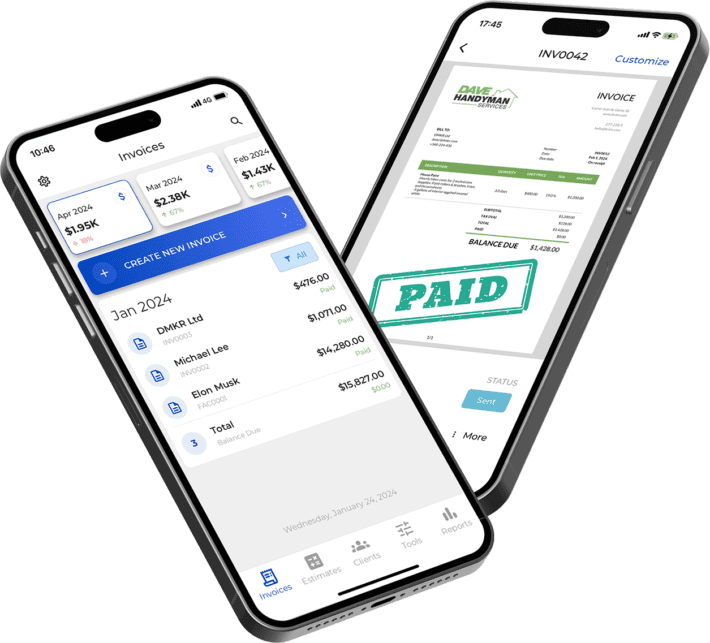
- Accounting Software: Modern accounting software like Invoice Fly’s invoice management system maintain digital ledgers automatically. When you enter a transaction once, the software posts it to the appropriate accounts.
- T-Account Format: Many ledgers use a T-account format where each account looks like a large “T” with debits on the left side and credits on the right side.
How to Maintain a Ledger for Your Business
Maintaining an accurate ledger requires consistent effort.
- Set Up Your Accounts: Start by creating all the accounts you’ll need based on your chart of accounts.
- Record Transactions Promptly: Don’t wait until the end of the month. Record transactions as they happen or set aside time daily to post from your journal.
- Keep Supporting Documents: Save receipts, invoices, and other paperwork that proves each transaction.
- Reconcile Regularly: Compare your ledger to your bank statements monthly. This reconciliation process catches errors and ensures your records match reality.
- Use Professional Tools: Consider using business reports software to generate financial statements from your ledger automatically.
Daily vs Monthly Posting
- Daily Posting works best for businesses with many daily transactions, like retail stores. Recording everything daily prevents backlogs and keeps your financial information current.
Weekly or Monthly Posting may work for businesses with fewer transactions, like consultants. For businesses handling accrual basis accounting, daily posting helps ensure you recognize revenue and expenses in the correct period.

Common Ledger Mistakes to Avoid
Watch out for these common issues:
- Mixing Personal and Business Finances: Keep separate ledgers for personal and business transactions.
- Forgetting to Post Transactions: Create a routine where posting happens immediately after journaling.
- Posting to the Wrong Account: Double-check account numbers and names before posting.
- Not Backing Up Digital Records: Back up your ledger files regularly.
- Ignoring Small Discrepancies: Investigate all discrepancies until you find the cause.
If bookkeeping isn’t your strength, consider whether it’s time to hire a bookkeeper.
Final Thoughts: Mastering Your Accounting Ledger
A ledger is essential for tracking your business finances accurately. By recording transactions consistently and reviewing your ledger regularly, you’ll have reliable financial information for making decisions, understanding profitability, and preparing tax returns.
You don’t need to be an accounting expert to maintain a proper ledger. Start with a simple system that works for your business—whether that’s paper, spreadsheets, or software. Build the habit of updating it weekly, and you’ll thank yourself when tax season arrives or when you need clear financial data for an important business decision.