What Is a Transaction? Types & Examples in Accounting

Table of Contents
A transaction is any measurable exchange of value between two or more parties. In accounting, they are the foundation of your books, because every one affects at least two financial accounts. This process (known as double-entry accounting) keeps your balance sheet, account balance, and journal entries accurate and compliant with U.S. accounting standards.
Transactions occur constantly in small businesses. Every time you sell goods and services, pay a bill, receive a payment, move money between bank accounts, incur expenses, or adjust asset values, you’re creating transaction data that must be captured through proper transaction recording in your accounting system.
This guide covers:
- The meaning of a transaction in accounting
- What they include
- Types of transactions
- Real-world examples
- Financial vs. non-financial
- Step-by-step accounting workflow
- How they impact business operations
- Common mistakes to avoid
- FAQs
What Is a Transaction?
In accounting it is defined as:
A business event that has a measurable financial impact and must be recorded in the accounting system using debit and credit entries.
This definition aligns with the U.S. GAAP framework and the Uniform Commercial Code (UCC), which governs commercial transactions across U.S. states. The UCC defines it as a legally enforceable exchange or transfer of value.
What does “a transaction” mean?
The meaning is simple: it occurs when your business gives something and receives something in return. This exchange can happen immediately (cash), later (credit), or electronically (online banking).
Transaction examples include:
- Selling goods and services
- Purchasing inventory or supplies
- Paying rent, utilities, or wages
- Client payments
- Bank transfers
- Loan repayments
- Sales tax obligations
- Internal accounting adjustments
If it affects your cash account, accounts payable, account balance, valuation, or any part of your balance sheet, it is a financial transaction.
Example of a transaction
A client pays $1,200 for consulting services.
Your accounting entries:
- Debit: Cash account + $1,200
- Credit: Sales revenue + $1,200
- Two accounts change: this is the foundation of double-entry accounting.
For more detail on recording payments, see How to Write a Receipt of Payment.
Types of Accounting Transactions

The types you record influence how they flow through your bookkeeping system.
1. Cash Transaction
These happen when money changes hands immediately.
Examples:
- Customer pays cash at checkout
- You buy supplies with cash
- Same-day bank transfers
Simply put: cash transactions affect the cash account instantly.
2. Credit Transaction
Here, payment occurs in the future — this is essential for accrual accounting.
Examples:
- You invoice a client (accounts receivable increases)
- You buy inventory on credit (accounts payable increases)
Additional reading: The Federal Reserve explains how credit creates financial obligations measured over time.
3. Electronic Transaction
More than 90% of U.S. consumers report using digital payments therefore ensuring you have the facilities to support this is vital. Examples include:
- Card payments
- ACH transfers
- Online banking payments
- Payment portal activity
- Merchant account settlements
Use our Online payments feature to accept electronic transactions smoothly.
4. Internal Transaction
These do not involve external parties.
Examples:
- Depreciation
- Adjusting entries
- Reclassifications
- Inventory write-downs
- Valuation changes
These still produce journal entries even without cash movement.
5. External Transaction
These involve outside parties, such as:
- Vendors
- Customers
- Banks
- Employees
- Government agencies
For example, when you purchase equipment, IRS rules require capitalization and depreciation.
Transaction Examples in Business

Here are the most common real-world examples across U.S. small businesses:
1. Sales transactions
Selling goods or services for:
- Cash
- Credit
- Electronic payment
- Online checkout
Pro Tip: See Professional Invoice Elements on guidance on how to issue compliant invoices.
2. Purchase
These impact accounts payable and your business operations. Examples include:
- Tools and equipment
- Raw materials
- Software subscriptions
- Inventory restock
3. Payroll
Payroll is one of the most detailed types. It includes:
- Wages
- Taxes
- Benefits
- Employer contributions
4. Operating Expense
Examples:
- Rent
- Utilities
- Website hosting
- Internet & phone
- Insurance
- Marketing software
5. Loan and Credit Card
Each contains principal and interest rate components. Tracking these is essential for your business reports.
6. Bank
Bank activity is governed by federally regulated online banking standards.
- Transfers
- Withdrawals
- Deposits
- Automatic payments
Financial vs. Non-Financial Transactions

Financial transactions
A financial transaction changes your financial position. For example:
- Receiving payment
- Purchasing goods
- Paying rent
- Borrowing or lending
These must be recorded using debit and credit, the foundation of double-entry accounting.
Non-Financial transactions
These do not immediately affect your assets or liabilities but still matter for compliance.
Examples:
- Updating inventory quantity
- Approving internal documents
- Changing valuation methods
- Depreciation adjustments
The Financial Accounting Standards Board (FASB) sets the U.S. rules for these adjustments.
How Transactions Work in Accounting
To have a clear understanding, you must acknowledge the full flow from event → analysis → journal entry → reporting.
1. Transactions Occur
A business event creates a financial impact.
2. Analysis
You determine:
- Which accounts change
- Whether to debit or credit
- What the valuation impact is
3. Recording Transactions
A journal entry is created. Example:
Date: March 4, 2025
Debit: Office Supplies ………. $250
Credit: Cash Account ………… $250
Description: Purchased office supplies
4. Posting to the Ledger
Each account’s activity is recorded in the general ledger, sorted by:
- Asset
- Liability
- Equity
- Revenue
- Expense
5. Adjusting Entries
These include depreciation, accruals, and corrections.
6. Financial Statements
Posted transactions flow into:
- Income statement
- Balance sheet
- Cash flow statement
This full transaction processing cycle is what makes your accounting system accurate.
For business owners new to bookkeeping, check out our guide on Bookkeeping for contractors.
Why Transactions Matter in Bookkeeping

Accurate transaction recording helps small businesses:
1. Track Cash Flow
Knowing where money moves helps you avoid shortages and delays.
2. Maintain Accurate Financial Records
Clean books ensure:
- Tax compliance
- Loan approvals
- Investor confidence
- Reliable reporting
3. Improve Decision-Making
Every business operation relies on accurate financial data:
- Pricing
- Hiring
- Budgeting
- Expense management
4. Ensure Legal Compliance
Many transactions carry legal precedent under U.S. consumer law.
For example, some legal compliance within the U.S includes:
5. Prepare for Tax Season
The IRS requires a complete, accurate transaction trail for auditing and reporting.
Common Mistakes to Avoid
1. Failing to Record Small Purchases
Even minor expenses affect profitability.
2. Mixing Personal and Business Transactions
This is one of the top causes of IRS audits.
3. Ignoring Online Banking Transaction Data
Banks process increasing numbers of microtransactions — every one must be matched.
4. Incorrect Debit and Credit Entries
A single wrong entry can skew your balance sheet.
5. Missing Receipts
Use tools like a cash receipt template.
6. Not Using an Accounting System
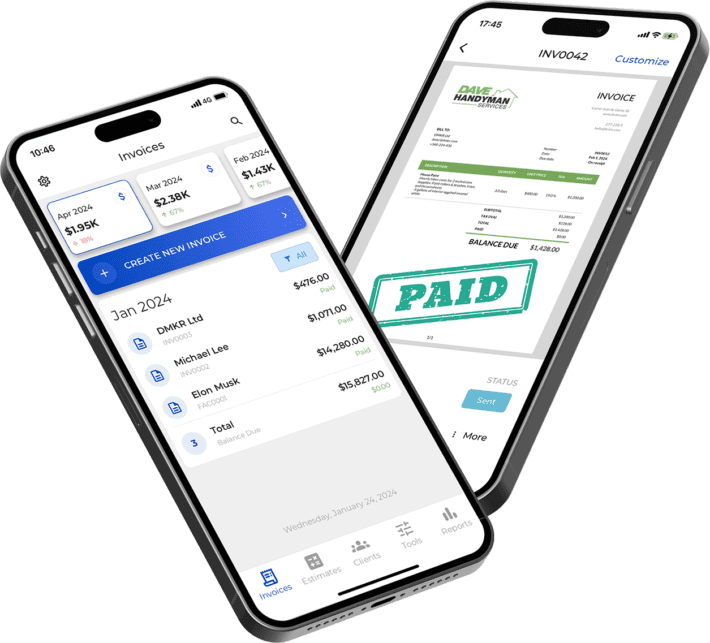
Manual spreadsheets lead to errors and missing entries. For best accuracy, use our free Invoice management tool today.
Ready To Track Accurately?
Transactions are the backbone of every financial system. Every sale, purchase, adjustment, and payment contributes to the overall health of your business. Understanding how they occur, how to record them correctly, and how they impact your accounting system helps you maintain clean books, prevent errors, and make informed decisions.
Understanding what a transaction is, how transactions occur, and how to record transactions using debit and credit entries is essential for clean bookkeeping, tax compliance, cash flow management, and regulatory requirements.To track all your transactions in one place, from invoicing to online payments to business reports, by using our free Invoice management tool.