
Cost Accounting Explained: Definitions, Types, and Examples
Table of Contents
- What Is Cost Accounting?
- Types of Costs in Cost Accounting
- Types of Cost Accounting Methods
- Cost Accounting vs. Financial Accounting
- Examples of Cost Accounting in Action
- Purpose and Benefits of Cost Accounting
- Cost Accountants, Careers, and Tools
- Ready to Use Cost Accounting in Your Business?
- FAQs about Cost Accounting
Cost accounting is one of the most valuable tools businesses use to understand where money is being spent, how efficiently operations run, and how to improve profit margins across products or services. Whether you’re running a small shop, managing a growing service company, or working in construction companies that rely heavily on accurate job numbers, cost accounting provides the clarity needed for smarter financial decision-making.
Cost accounting also fits into your broader small business bookkeeping system so your records stay complete and organized.
This guide will cover:
- What cost accounting is and how it works
- Types of costs and why they matter
- Major costing systems and when to use them
- Practical examples to help you apply cost accounting in your business
- Benefits, use cases, and essential insights for better budgeting and pricing decisions
- Frequently asked questions about cost accounting
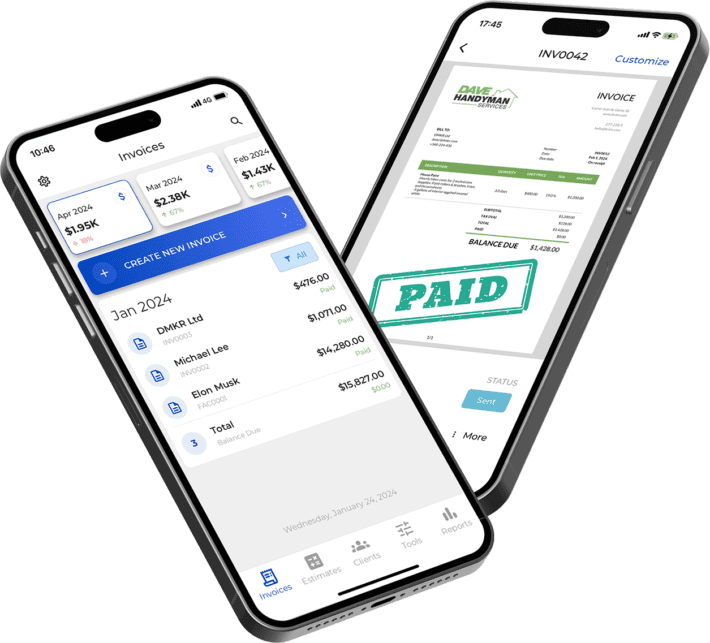
Before we get into the details: If you want an easier way to create professional invoices while tracking job details and payments, try Invoice Fly’s online payment software — designed for freelancers, contractors, and small businesses that need simple accounting processes.
What Is Cost Accounting?

Cost accounting is a branch of managerial accounting that focuses on capturing, organizing, and analyzing all costs involved in producing goods or delivering services. In simple terms, it’s the system that turns day-to-day costs into usable insights so you can control spending and protect your margins.
Unlike financial accounting, which reports past performance for external stakeholders using standards like GAAP, cost accounting is used internally by managers and owners. It looks at the details behind your numbers so you can:
- Set accurate pricing
- Control costs across departments, jobs, and projects
- Evaluate performance by product, service line, or team
- Plan budgets and forecasts
- Increase profitability over time
- Decide whether to outsource, automate, or expand production
A clear cost accounting definition is:
A system for measuring, classifying, and analyzing costs so management can make better decisions about pricing, operations, and long-term strategy.
In accounting, cost accounting works alongside tools like your ledger, chart of accounts, and income statement to give you a detailed view of where money really goes. It is one of the fundamentals of cost accounting and management accounting that supports smarter day-to-day choices and long-term planning.
Cost accounting standards (whether internal policies or regulatory frameworks) help ensure that costs are recorded in a consistent way over time so that comparisons are meaningful and cost audit work is easier to complete later.
Types of Costs in Cost Accounting
To understand cost accounting and how it supports your business, you first need to understand the main types of costs that drive production, pricing, and budgeting. These classifications appear in your transactions, journal entries, and financial reports, and they help you analyze cost behavior and allocate spending accurately.
Fixed Costs
Fixed costs stay the same regardless of how much a business produces. Examples include:
- Rent or mortgage payments
- Insurance premiums
- Salaried employees
- Long-term equipment leases
These costs must be covered even when production slows, which makes them crucial in break-even analysis and profit and loss statement planning.
Variable Costs
Variable costs change based on production volume. They increase as output increases and decrease when output falls. Common examples include:
- Raw material purchases
- Packaging supplies
- Hourly labor tied directly to production or service delivery
- Sales commissions
Understanding variable costs helps companies assess the marginal cost of producing one more unit. This is central to marginal costing and short-term pricing decisions. For manufacturers and contractors, tracking material costs accurately is a key part of the fundamentals of cost accounting.
Operating Costs
Operating costs include all expenses required to run the business day-to-day. They can be either fixed or variable. Examples include:
- Utilities
- Administrative salaries
- Office supplies
- Software subscriptions
Operating cost analysis supports decisions on cost reduction, workflow improvements, and budget planning. Many of these items will also appear in an expense report that documents what was spent, when, and why.
Direct Costs
Direct costs can be traced easily to a specific product, job, or service. These include:
- Direct labor (assembly workers, field technicians, installers)
- Direct materials (wood, steel, fabric, concrete, components)
Direct costs are essential for job costing in cost accounting, especially when you price custom projects, use a stores ledger for raw materials, or track inventory in manufacturing. They are the foundation for cost based accounting models that tie costs directly to outputs.
Indirect Costs (Overhead)
Indirect costs, or overhead, are necessary for operations but cannot be traced to a single product or job. Examples include:
- Rent for your entire facility
- Depreciation on shared machinery or vehicles
- Admin salaries and office staff
- Factory or office utilities
Cost accountants allocate overhead using cost drivers, activity rates, or standardized allocation methods. If you’re not sure whether a cost is direct or indirect, guides like overhead meaning can help you classify it correctly.
Types of Cost Accounting Methods

Businesses use different methods of cost accounting depending on industry, product mix, and internal goals. Some methods keep your system simple, while others improve accuracy in overhead allocation and decision-making.
Standard Costing
Standard costing assigns an expected, or “standard,” cost to materials, labor, and overhead. For example, you might set:
- Standard material cost per unit
- Standard labor hours per job
- Standard overhead rate per labor hour
Actual costs are then compared to these standards to create variances. Managers review those variances to explain cost differences and improve efficiency.
Because it’s highly structured, standard costing is often used in manufacturing and is a common focus in any cost accounting course. It’s also one of the easiest methods to model in Excel using diagrams and simple clipart to show how costs flow through your system.
Activity-Based Costing (ABC)
Activity-based costing (ABC) assigns costs to activities rather than broad departments. Costs are allocated based on actual resource consumption, which gives a more accurate cost picture when you have:
- Multiple products or service types
- Complex operations with many support activities
- High overhead compared to direct costs
For example, setup time, quality inspections, and customer support might each be separate activities. ABC helps you see which products or customers consume the most resources, so you can adjust pricing or redesign processes.
Lean Accounting
Lean accounting supports lean manufacturing and process improvement by:
- Simplifying reports
- Reducing waste in data entry and tracking
- Focusing on value streams instead of individual cost centers
This method aligns your finance function with continuous improvement initiatives so decisions are made quickly using clear, simple measures. In many organizations, lean accounting pairs with cost accounting software that automates entries and visual dashboards.
Marginal Costing
Marginal costing measures the change in total cost when producing one additional unit. It is used for:
- Pricing special orders
- Accepting or rejecting short-term projects
- Break-even and “what if” analysis
- Prioritizing products when capacity is limited
Marginal cost data is especially useful when management accounting and cost accounting come together to decide which products or services to promote, discount, or discontinue.
Job Order Cost Accounting and Process Costing
Two additional methods are especially important in construction, custom manufacturing, and mass production:
- Job order cost accounting tracks costs for individual jobs or projects like a remodeling project, a consulting engagement, or a custom machine. Materials, labor, and overhead are assigned to that specific job number.
- Process costing averages costs across identical units in a continuous production process—like chemicals, textiles, or food products—where individual units are indistinguishable.
Both approaches are a big focus in the fundamentals of cost accounting and show up often in cost accounting course material.
If you want accurate billing that lines up with your cost reports, tie your pricing and invoicing back to cost data. Invoice Fly’s service price calculator and profit margin calculator make it easier to test your prices, estimate labor and material costs, and confirm your target margins before you send a quote or invoice.
Cost Accounting vs. Financial Accounting
Cost accounting and financial accounting work together, but they serve different purposes:
- Cost accounting is for internal decision-making. It is flexible, forward-looking, and highly detailed. You can change your model as the business changes.
- Financial accounting is for external reporting and follows strict rules and produces standardized reports.
Think of cost accounting as the detailed map the management team uses to steer the business, and financial accounting as the summary report used by investors, lenders, and tax authorities.
Examples of Cost Accounting in Action
Example 1: Manufacturing Company
A furniture manufacturer wants to understand the cost per table produced. They track:
- Direct materials such as lumber, screws, and finish
- Direct labor for cutting, assembly, and finishing
- Indirect overhead for factory utilities, depreciation, and supervision
Using process costing and standard costing, they determine the average cost for each unit and compare it to market prices.
Example 2: Service Business
A consulting firm reviews direct labor hours, software subscriptions, and office expenses. Activity-based costing shows that:
- Some clients require far more meeting time and revisions
- Complex projects use more senior staff and specialty software
With this information, the partners raise prices on high-resource projects, introduce minimum fees, and build better business structure around scoping work.
Example 3: Construction Companies
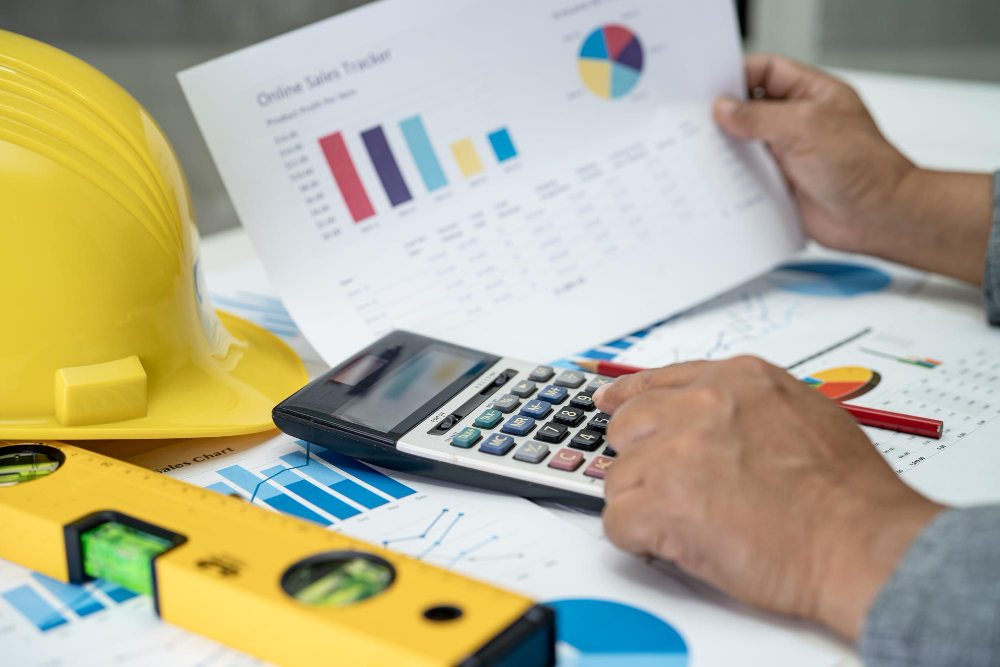
Construction firms rely heavily on job costing in cost accounting. Each job requires tracking:
- Materials, subcontractor invoices, and permits
- Field labor hours by crew
- Machinery usage and fuel
- Allocated overhead like project management and back-office staff
Accurate cost data determines whether a project stays within budget and whether the company should adjust future bids.
Purpose and Benefits of Cost Accounting
Cost accounting provides insights that inform decisions, strengthen operations, and improve financial performance for businesses. Key objectives include:
1. Pricing Accuracy
By understanding the true cost to produce a product or deliver a service (including direct costs and overhead) companies can set prices that are both competitive and profitable.
2. Cost Control and Reduction
Cost accounting identifies waste, inefficiencies, and overspending. Once you know which activities or departments are driving costs, management can:
- Redesign processes
- Automate manual tasks with cost accounting software
- Shift resources to higher-value work
- Plan targeted cost-saving projects
Pro Tip: Guides like the IRS business expense resources can help you understand which of these costs are deductible, improving your after-tax results.
3. Better Budgeting and Forecasting
Historical cost data gives a solid foundation for creating realistic budgets. Learning how to calculate your cash flow and your retained earnings helps your business plan for expansion, hiring, and capital investments.
4. Performance Evaluation
Comparing standard versus actual costs reveals how well departments, teams, or production lines perform. Managers can:
- Reward high-performing teams
- Offer training where costs are too high
- Adjust processes where variance patterns show recurring issues
Standards and variance analysis are central objectives in many cost accounting positions and cost accountant jobs.
5. Stronger Strategic Planning
Cost accounting supports critical choices such as:
- Make vs. buy decisions for components
- Expanding or discontinuing a product line
- Evaluating new product launches based on projected costs
- Accepting or rejecting special orders at reduced prices
Cost Accountants, Careers, and Tools

A cost accountant is the professional responsible for setting up and maintaining the cost accounting system. In many companies, they:
- Work closely with operations, project managers, and finance
- Design cost models and allocation methods
- Support management accounting and cost accounting reports
- Help with budgeting, forecasting, and cost audit work
There are a wide range of cost accounting positions, from entry-level analysts to senior cost managers and controllers. Job postings for cost accountant jobs often mention skills in Excel, ERP systems, and specialized cost accounting software.
A typical cost accountant salary depends on experience, industry, and location, but many roles offer strong career paths and exposure to strategic decision-making. If you’re early in your career, a cost accounting course can provide a solid foundation in theory and practice before you move into more advanced roles.
Ready to Use Cost Accounting in Your Business?
Cost accounting is essential for any business that wants to understand its cost structure, strengthen profitability, and make better decisions grounded in accurate data. Whether you use standard costing, ABC, job order cost accounting, or lean approaches, the fundamentals of cost accounting help you:
- See clearly where money is going
- Price work with confidence
- Reduce waste and protect margins
- Align day-to-day operations with long-term goals
When you’re ready to put these ideas into practice use Invoice Fly’s online payments and client portal to streamline billing and collections.