14 Common Invoicing Mistakes and How to Avoid Them

Table of Contents
Invoicing should be simple — you send a bill, receive payment, and move on. But in reality, a surprising number of small businesses and freelancers make invoicing mistakes that slow down payments, confuse clients, or even cost them money.
From forgetting to follow up to using outdated systems, these errors can pile up quickly and affect your cash flow and client relationships. However, most invoicing mistakes are avoidable with a little strategy and the right tools.
In this guide, we’ll cover the main invoicing mistakes and why invoicing mistakes happen, and other things you should watch out for to avoid these mistakes.
Avoiding invoice mistakes
Invoices are essential for getting paid accurately and on time. They outline what a customer owes for the goods or services provided, along with key details such as pricing, payment terms, due dates, and your business information.
But even small invoicing mistakes—like incorrect amounts, missing details, or unclear payment terms—can lead to delayed payments, disputes, and unnecessary administrative work. Avoiding these errors helps keep your payment process running smoothly, your records accurate, and your cash flow healthy.
Need a refresher on what an invoice should include? Check out our complete guide on what is an invoice for invoice essentials, types, and common use cases.
Want a full breakdown of invoice essentials, types, and use cases? Check out our guide on what is an invoice.
Why Do Invoicing Mistakes Happen?
Even experienced business owners slip up. Invoicing mistakes happen because:
- You’re juggling too many tasks
- You’re relying on outdated systems
- You don’t have a standardized invoicing process
- Staff aren’t properly trained
Manual systems often lack backup and consistency — leading to delays in receiving payments or creating confusion with clients.
14 Invoicing Mistakes to Avoid
Here’s a breakdown of the most common invoice errors — with tips to help you avoid them.
1. No Reminders
One of the easiest ways to ensure you get paid on time is to remind clients when a payment is due. Without reminders, even great clients can forget to pay. Set up automatic payment reminders using accounting software or invoicing tools.
2. Missing or Incorrect Information
A common invoicing mistake is leaving out key details like your business contact information, invoice number, or purchase order references. To avoid this mistake on your invoice, always include:
- Client details
- Dates
- Clear breakdowns of the goods or services provided
- Total amount due
3. Unclear or Missing Payment Terms
Not specifying terms and conditions creates ambiguity. Always include:
- When payment is due (e.g. Net 30)
- Accepted methods (bank transfer, card, etc.)
- Payment fee or late penalty if applicable
This keeps expectations clear from the start.
4. No Backup or Documentation
When invoicing for a product or service, you need records to support your charges. To avoid invoice mistakes, keep contracts, time logs, receipts, and email correspondence handy in case clients request proof.
5. No Late Fees
Without a payment fee or late charge, clients might deprioritize your invoice. Add a clear fee structure after a short grace period to help reduce outstanding invoices. Check out our article on invoice late fees to learn more.
6. Unbranded Invoices
A generic or unbranded invoice can feel impersonal or even suspicious. Including your logo, business name, and consistent formatting builds professionalism and reassures clients.
7. Inconsistent Invoicing
Sending invoices on an irregular schedule confuses clients and disrupts cash flow. Choose a billing cycle that suits your workflow and stick to it.
8. Paper-Based Systems
Relying on paper is inefficient and outdated. Switching to electronic invoicing or accounting software helps you invoice promptly, store records securely, and track payments more easily.
9. Hidden Fees or Charges
Unexpected fees damage trust and often lead to delayed or disputed payments. Always itemise everything and ensure your client agrees to all pricing, including any additional charges, in advance.
10. Not Sending Invoices Promptly
Waiting too long to send an invoice delays everything — including when you receive payment. For every product or service delivered, invoice promptly to stay ahead of your cash flow. Knowing when to send invoices helps you avoid unnecessary delays and keep cash flow moving.
11. Lack of Professionalism
A common invoice issue is sloppy presentation. Typos, vague descriptions, or unclear formatting can look unprofessional. Clearly describe the amount of time or resources spent, and keep tone and design consistent.
12. Invoicing the Wrong Customer
Sending an invoice to the wrong contact or department leads to delays. Always confirm the billing contact’s name and email before sending, especially for larger organisations.
13. Giving Up on Unpaid Invoices
Don’t let overdue invoices slide. Use a polite, persistent follow-up process. Reminders, escalation steps, and recordkeeping all help you recover the amount of money you’re owed. Knowing how to follow up on unpaid invoices can help you recover outstanding balances without damaging client relationships.
14. Relying on Manual Invoicing
Manually creating each invoice increases your chance of error — and wastes a significant amount of time. To avoid invoicing mistakes, automate recurring invoices, use templates, and integrate payment tracking into your accounting software.
Not sure when to use manual vs. digital formats? Learn how formats like proforma invoices can clarify pricing early on: What is a Proforma Invoice?
The Consequences of Invoicing Mistakes
These common mistakes affect more than just your admin routine. They can:
- Delay when you receive payment
- Confuse or frustrate clients
- Damage your brand’s professionalism
- Create accounting headaches
- Disrupt your bottom line
Each mistake adds friction to your workflow. Over time, that can mean serious revenue loss.
5 Best Practices to Avoid Invoicing Mistakes
These simple strategies help reduce errors and keep your process smooth:
1. Review Before Sending
Double-check each invoice for correct dates, client contact information, and accurate totals. Review all essential professional invoice elements before sending, including dates, client details, totals, and payment information. It only takes a few extra minutes to avoid costly errors.
2. Use an Invoicing Tool
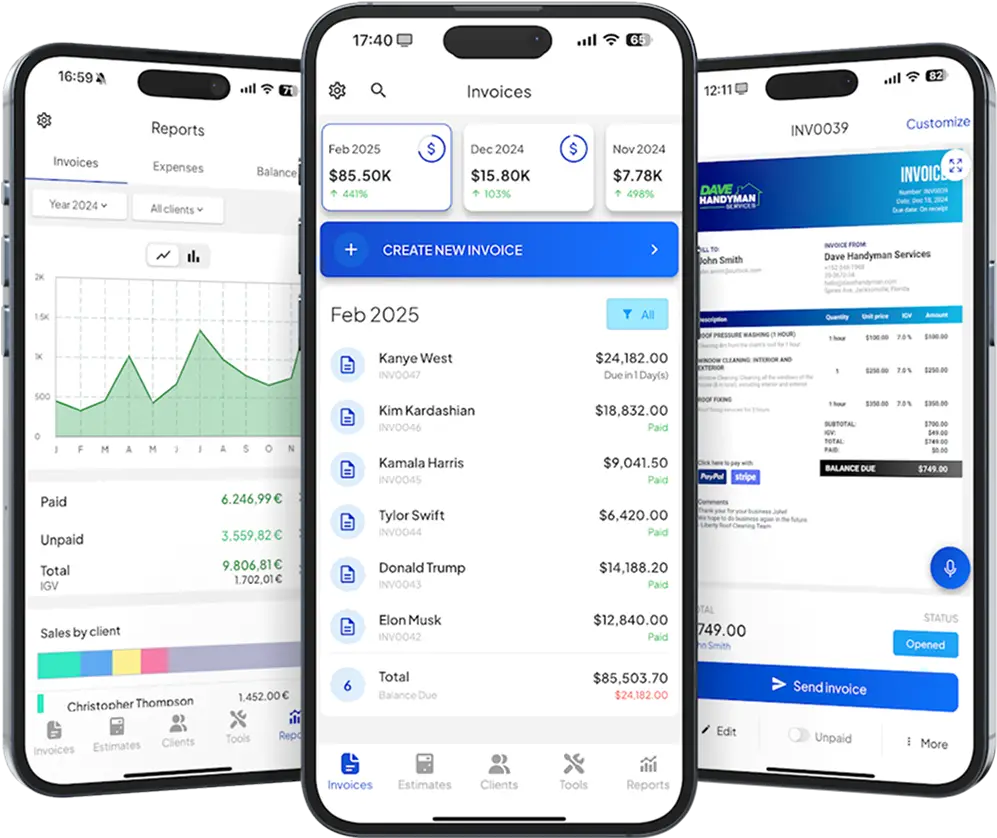
A tool like Invoice Fly’s Invoice Maker makes it easy to:
- Customise and send professional invoices
- Automatically apply terms and conditions
- Track when payment is due and when it’s received
- Send recurring or saved items for repeat work
3. Implement Grace Periods
Give clients a short window (e.g. 3–5 days) beyond the due date before adding fees. This shows flexibility while still reinforcing boundaries.
4. Set Reminders
Use automation to follow up on any overdue invoice. Reminders should be sent:
- Before the payment due date
- 1–2 days after the due date
- Weekly until the balance is cleared
Schedule reminders around the invoice due date.
5. Make Sure All Staff Know the System
If multiple team members handle invoicing, standardise everything — from the invoice template to how bank account details are shared.
Looking to ensure your payment systems are ready to receive funds? Here’s what to include for smooth transactions: What Information is Needed for Direct Deposit Setup?
6. Save Time With Saved Invoice Items
If you regularly bill for the same goods or services, save time and stay consistent by saving those line items. This improves accuracy, helps you invoice promptly, and simplifies your workflow for repeat clients.
How Invoice Fly Can Help
Whether you’re a solo freelancer or growing team, Invoice Fly helps you:
- Create, send, and track invoices in real-time
- Accept payments via card, PayPal, or bank transfer
- Save invoice items for repeat billing
- Reduce admin with automation
Simplify your billing method and start collecting payments faster — without chasing clients.