
Tree Service Insurance: Coverage, Costs, and Requirements Explained
Table of Contents
Tree service insurance helps protect arborists, tree trimmers, and tree removal companies from the real risks that come with the job—property damage, serious injuries, and costly liability claims. When you’re working at height with heavy equipment and unpredictable trees, even a small mistake can quickly turn into a big problem.
Because tree care is one of the most dangerous trades in the U.S., proper insurance coverage is often required by law and expected by clients before they’ll hire you. In this guide, you’ll learn what insurance a tree service should carry, how much coverage typically costs, what it means to be bonded and insured, and how to choose the right policies for your business—whether you’re just getting started or reviewing your current coverage.
Tree Service Insurance Requirements
If you’re running a tree service business, insurance isn’t optional—it’s essential. Most states don’t legally require tree service companies to carry insurance, but clients almost always demand proof of coverage before hiring you. A certificate of insurance has become the industry standard for landing jobs.
Commercial property owners, municipalities, and homeowner associations typically won’t let you work without seeing a valid business insurance certificate. Some require you to be both bonded and insured before they’ll even consider your bid. The certificate holder (your client) wants assurance that if something goes wrong, they won’t be stuck with the bill.
Beyond client requirements, workers compensation is mandatory in most states if you have employees. According to the DOL, tree trimming and removal ranks among the most hazardous occupations, with serious injury rates significantly higher than most other industries. This makes workers comp coverage both legally required and financially critical.
Many tree care professionals also need commercial auto insurance for their work trucks and equipment haulers. If you’re transporting wood chippers, stump grinders, or other tree trimming tools and equipment, standard personal auto policies won’t cover business use.
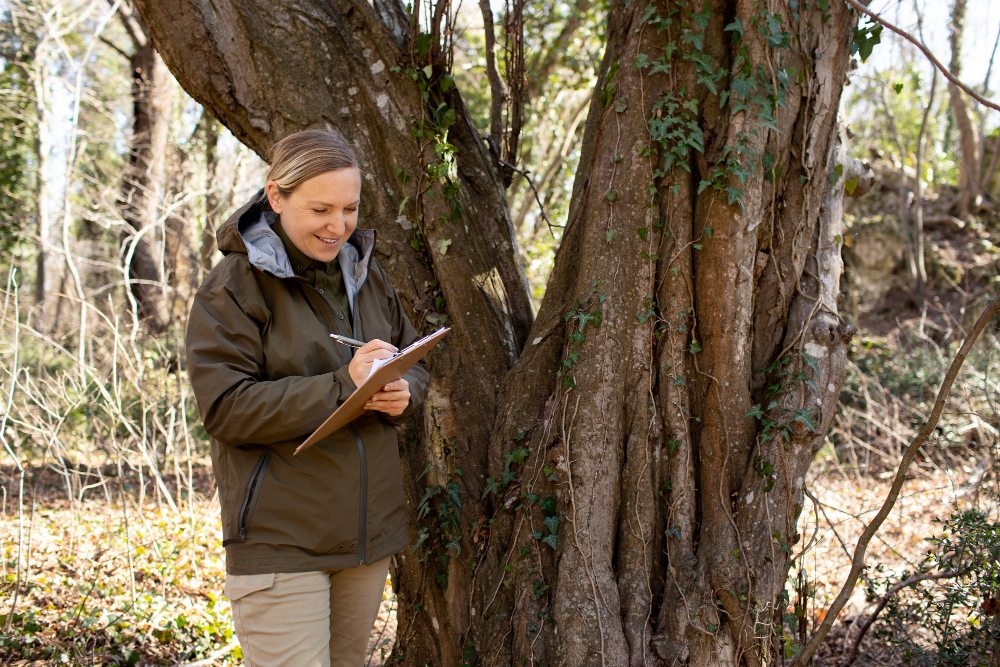
When you’re starting a tree removal service business, understanding insurance requirements early saves headaches later. Getting properly insured before your first job protects both your business and your reputation.
What Insurance Should a Tree Service Have?
The best tree service insurance combines multiple coverage types to protect against different risks. Here’s what most arborists and tree removal contractors need:
General Liability Insurance for Tree Service
Tree service general liability insurance covers property damage and bodily injury to third parties. This is your first line of defense when accidents happen.
When you’re removing a diseased oak and a large branch falls through the client’s fence and damages their neighbor’s shed, your general liability policy covers the repairs—preventing a lawsuit that could bankrupt your business.
General liability for tree service typically covers:
- Property damage to client or neighboring properties
- Bodily injury to clients or bystanders
- Legal defense costs if you’re sued
- Medical payments for minor injuries
Most policies have coverage limits ranging from $500,000 to $2 million per occurrence. For tree service liability insurance, higher limits often make sense given the inherent risks of the work.
Workers Compensation Insurance
If you employ anyone—even part-time seasonal workers—you need workers comp. This insurance covers medical bills, lost wages, and rehabilitation costs when employees get hurt on the job.
Tree care ranks among the most dangerous professions. Falls from heights, chainsaw injuries, and equipment accidents happen regularly. Workers compensation protects your employees and shields your business from lawsuits related to workplace injuries.
Commercial Auto Insurance
Your personal auto policy won’t cover business use of vehicles. Commercial auto insurance for tree services covers:
- Bucket trucks and service vehicles
- Trailers hauling equipment
- Collision and comprehensive coverage for your fleet
- Liability when driving to job sites
Commercial Property Insurance
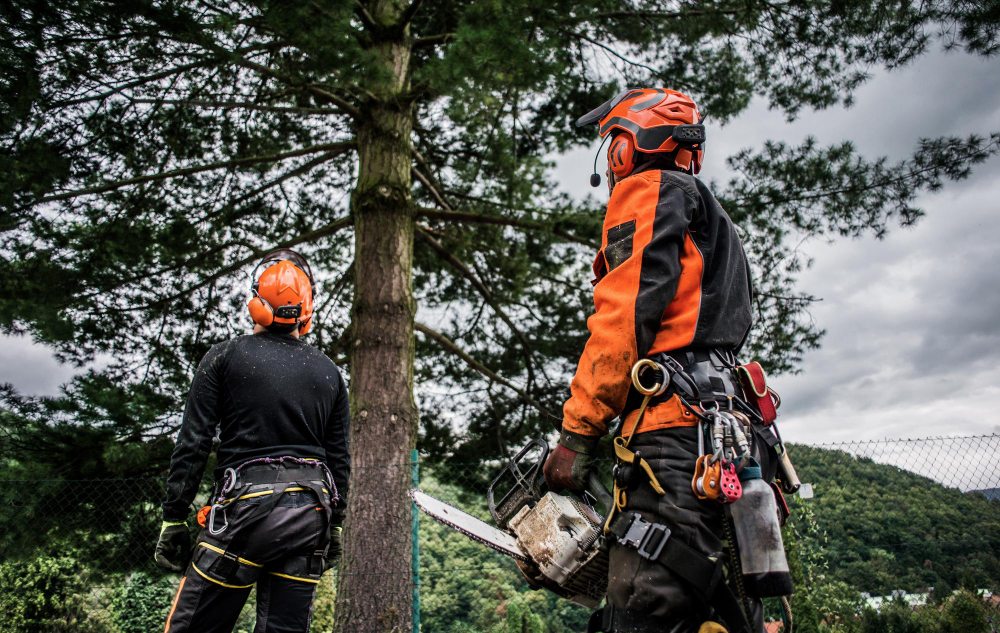
This covers your business equipment, tools, and office space. For tree services, that means protecting expensive items like chainsaws, climbing gear, wood chippers, stump grinders, bucket trucks, and office equipment.
Tools and Equipment Insurance
Also called inland marine insurance, this specialized coverage protects your equipment whether it’s at your shop, in your truck, or at a job site. Standard property insurance may not cover tools once they leave your business location.
Professional Liability Insurance
Also known as errors and omissions insurance, this protects against claims of professional negligence. If a tree you assessed as healthy falls and causes damage, or if your pruning advice leads to a tree’s death, professional liability covers legal costs and settlements.
Umbrella Insurance
Once you have your base coverage in place, umbrella insurance provides additional liability protection beyond your primary policy limits. If you face a catastrophic claim that exceeds your general liability limit, umbrella coverage kicks in.
How Much Is Insurance for a Tree Service?
Tree service insurance cost depends on your location, coverage needs, and business size. Understanding typical rates helps you budget accurately and find competitive quotes.
Average Cost of Tree Service Insurance
For a small tree service business with 1-3 employees, here’s what to expect:
| Coverage Type | Annual Cost |
| General liability insurance | $500-$1,500 |
| Workers compensation | $2,000-$8,000 |
| Commercial auto insurance | $1,200-$2,500 per vehicle |
| Equipment insurance | $500-$2,000 |
| Total (Small Operation) | $4,000-$15,000 |
Larger companies with more employees and higher coverage limits can pay $20,000-$50,000+ annually. For those wondering about tree service insurance cost per month, most policies break down to approximately $350-$1,250 monthly for basic coverage.
Tree Service Insurance Rates: What Affects Your Premium?
Several factors influence your liability insurance cost:
Business size and revenue: Higher annual revenue typically means higher premiums. Insurance companies assume larger operations face greater risk exposure.
Employee count: More workers means higher workers compensation costs. According to the Bureau of Labor Statistics, tree trimmers face elevated injury rates, which directly impacts insurance pricing.
Location: Tree services insurance rates vary dramatically by state and region. High-cost states for workers comp include California, New York, and Illinois. Lower-cost states include Texas, Florida, and Indiana.
Claims history: Previous insurance claims increase your rates. A clean record helps you qualify for cheap tree service insurance or at least competitive rates.
Coverage limits: Higher policy limits and lower deductibles increase premiums. Many tree service bonded and insured companies opt for $1-2 million in general liability coverage, which costs more than minimum coverage.
Services offered: High-risk work like emergency storm cleanup or crane-assisted removal increases premiums. Standard pruning and maintenance typically costs less to insure.
Experience and training: Becoming a licensed arborist and maintaining strong safety programs may qualify you for discounts. Insurance companies reward businesses that invest in training and safety equipment.
When shopping for tree service insurance quotes, get at least three estimates from insurance companies that specialize in tree care or contractors. Tree service insurance programs are specifically designed for arborists and tree removal contractors, offering coverage tailored to industry risks. General business insurers may not understand these unique needs, leading to either inadequate coverage or unnecessarily high rates.
When you first start out in a market like suburban Chicago, you might pay nearly $12,000 annually for basic coverage through a general business insurer. After switching to a specialized tree service insurance program, you could reduce your premium to $8,500 while actually increasing your coverage limits.
Managing insurance costs becomes easier with proper financial tracking. Many tree care professionals use tree service software to monitor expenses, track job costs, and ensure each project remains profitable after accounting for insurance and overhead.
Understanding how much tree removal service costs helps you price jobs appropriately while factoring in insurance expenses. A service price calculator can help you determine rates that cover labor, equipment, and insurance costs.
Managing Insurance Certificates and Client Requirements
Once you secure your insurance policies, you’ll need to provide proof of coverage to clients regularly. The certificate of insurance (COI) is a one-page document summarizing your coverage.
Professional clients expect you to:
- Provide current COI before starting work
- Name them as the certificate holder for specific jobs
- Show adequate coverage limits for the project scope
- Prove you’re both bonded and insured tree service providers
Many tree service contractors keep digital copies of their COI readily available to send to potential clients. Quick response times can help you win bids against competitors who are slower to provide documentation.
Using an estimates app streamlines the bidding process. You can attach your insurance certificate directly to estimates, showing clients you’re a legitimate, insured tree service from the first interaction.

After completing jobs, professional invoicing matters too. Whether you use a free tree removal invoice template or an invoice maker, creating detailed invoices reflects the professional, insured operation you run. A free invoice generator can also help you maintain consistency across all your billing.
Conclusion
Tree service insurance requirements, costs, and coverage options can feel overwhelming, but proper protection is non-negotiable in this high-risk industry. Whether you’re a solo arborist or running a crew, having the right insurance coverage protects your business, employees, and clients.
Start with general liability and workers compensation as your foundation. Add commercial auto, equipment coverage, and professional liability as your business grows. Shop around for tree service insurance rates from specialized insurers who understand your industry’s unique risks.
The investment in proper insurance pays for itself the first time you need it. More importantly, being bonded and insured tree services opens doors to better clients, higher-paying jobs, and sustainable business growth.
For tree service business owners, insurance is part of your operational cost—just like fuel, equipment maintenance, and competitive arborist wages. Budget for it appropriately and choose coverage that actually protects your business, not just the minimum to satisfy client requirements.
Whether you’re starting a tree removal service business or expanding an existing operation, proper insurance coverage forms the foundation of a sustainable, professional company.