
20 Types of Invoices You Should Know (as Freelancer or Small Business Owner)
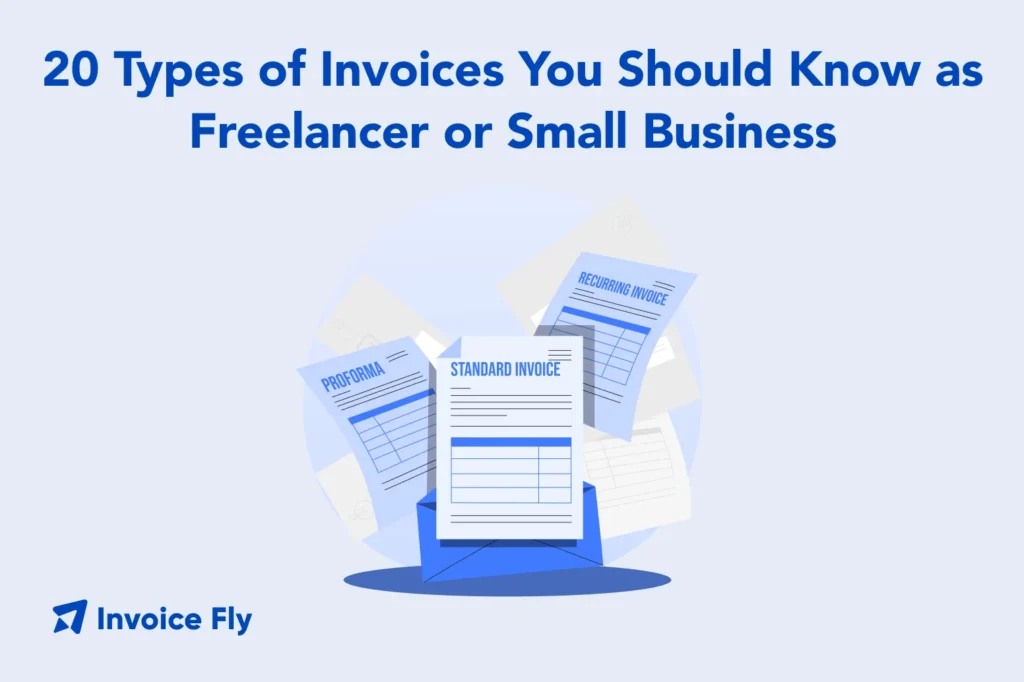
Table of Contents
Types of invoices vary depending on how and when you bill clients. Understanding the different types of invoices helps freelancers and small business owners choose the correct format for each situation, improve payment accuracy, and maintain organized financial records.
Whether you are billing for one-time services, recurring subscriptions, international shipments, or milestone-based projects, using the right type of invoice ensures clarity (for both you and the customer) and faster payments.
Invoices are formal payment requests issued after goods or services are provided. Some are standard and itemized. Others are estimates, recurring, partial, or adjustment documents. Choosing the correct invoice type improves professionalism and reduces billing disputes.
This guide will cover:
- Why different types of invoices matter
- 20 key types of invoices explained
- When to use each invoice format
- Examples and real business use cases
- How to streamline your invoicing process
Why Should You Use Different Types of Invoices?
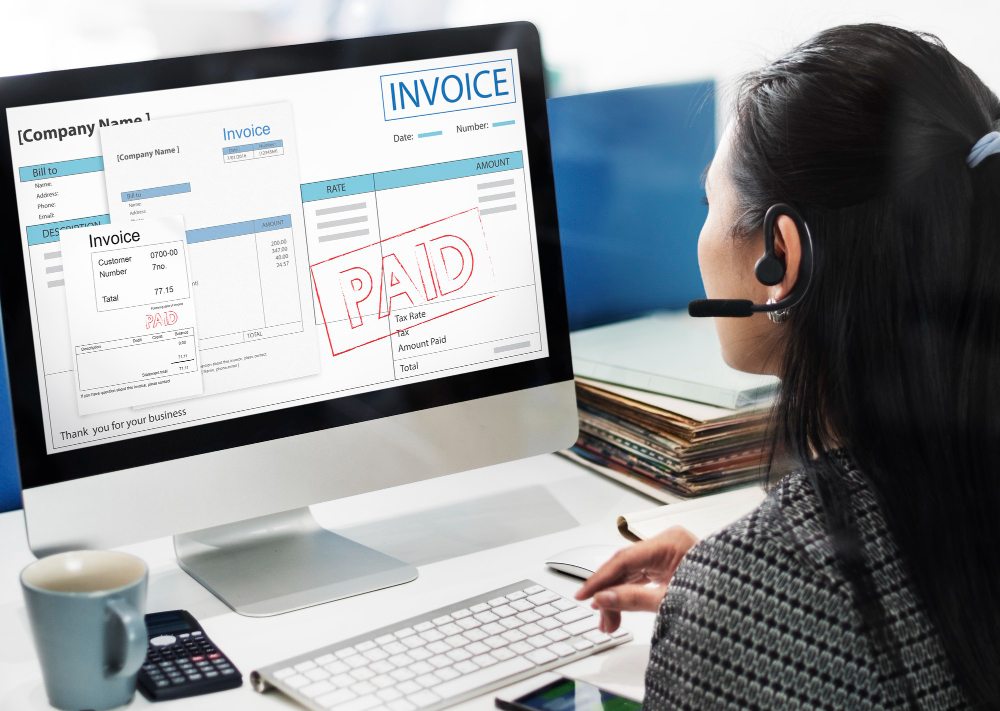
Not all billing situations are the same. A freelancer billing hourly work needs a different format than a wholesaler shipping internationally. Using the correct type of invoice in accounting improves:
- Payment clarity
- Cash flow predictability
- Recordkeeping accuracy
- Tax documentation compliance
For example:
- Subscription services require recurring invoices.
- Construction projects require interim invoices.
- International shipments require commercial invoices.
If you’re new to invoicing fundamentals, reviewing what is an invoice helps explain how these documents function within your accounting workflow.
According to the IRS recordkeeping requirements, businesses must maintain accurate financial documentation. Using the correct invoice type supports compliance and reduces audit risk.
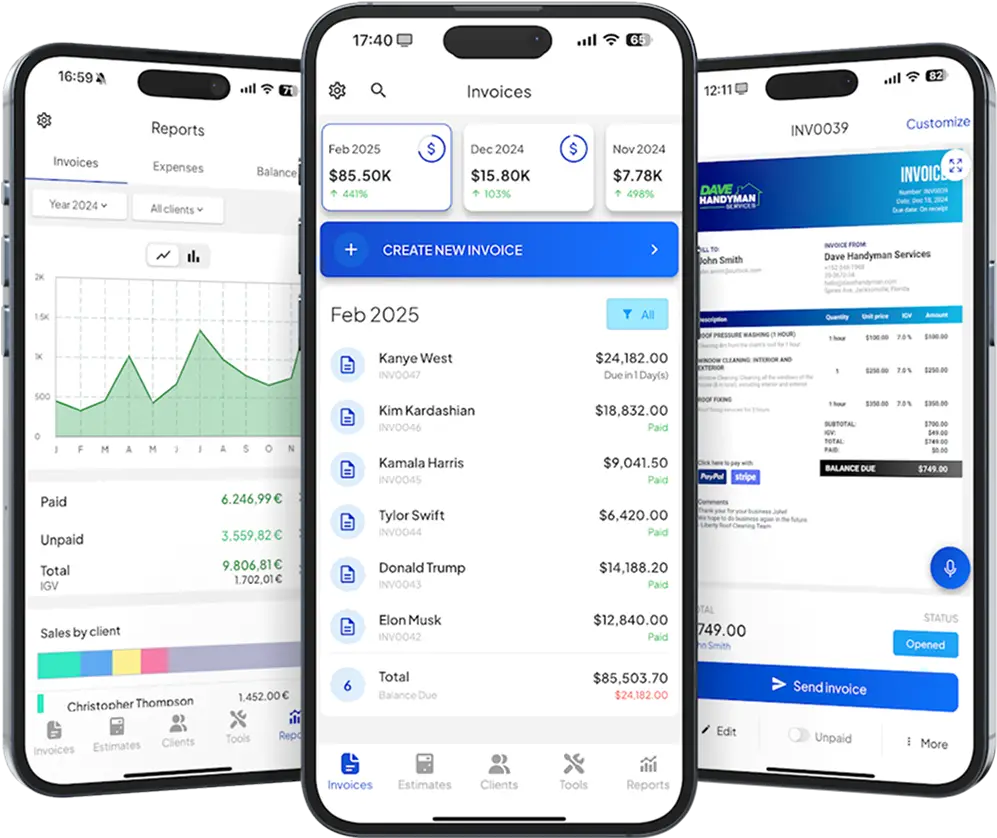
If you regularly issue multiple invoice formats, structured invoicing software helps you organize and track each invoice type efficiently.
Key Types of Invoices
Below are 20 different types of invoices you should understand.
1. Standard Invoice
The most common invoice type. It includes:
- Itemized services or products
- Quantity and pricing
- Payment terms
- Due date
If you’re unsure how to structure one properly, check out our guide on professional invoice elements.
2. Pro Forma Invoice
A pro forma invoice is a preliminary bill sent before goods are delivered or work begins. It outlines estimated costs, scope of work, quantities, and expected payment terms so the client understands the financial commitment upfront.
Unlike a standard invoice, a pro forma invoice is not a payment demand. Instead, it acts as a formal quote in invoice format. Businesses often use it for:
- International shipments
- Custom orders
- Large service contracts
- Situations where client approval is required before work starts
Once the client approves the pro forma invoice, you typically issue a standard or final invoice for payment. Using this invoice format reduces pricing disputes and clarifies expectations before resources are committed.
3. Recurring Invoice

A recurring invoice is used for subscriptions, retainers, or ongoing services that are billed on a consistent schedule. These invoice types are typically issued weekly, monthly, or annually, depending on the agreement.
Common use cases include:
- Marketing retainers
- Software subscriptions
- Maintenance services
- Coaching or consulting packages
Instead of creating a new invoice from scratch each cycle, recurring billing allows you to duplicate the format automatically. Businesses using recurring billing often rely on periodic invoices to standardize payments and reduce administrative workload.
4. Interim Invoice
An interim invoice is used for large or long-term projects that are billed in stages. Instead of waiting until the project is fully completed, businesses invoice at predefined milestones.
Common industries that use this type of invoice include:
- Construction
- Engineering
- IT development
- Long-term consulting contracts
Each milestone triggers partial payment based on completed work. This reduces financial strain on the service provider and spreads costs more evenly for the client.
Interim invoicing also improves cash flow stability and minimizes the risk of non-payment at the end of a lengthy project.
5. Final Invoice
A type of invoice issued when a project is completed. It reflects:
- Total cost
- Payments already made
- Remaining balance
6. Timesheet Invoice
Used by freelancers and consultants billing hourly, this type of invoice details:
- Hours worked
- Hourly rate
- Total charges
Clear line items prevent disputes about billed hours.
7. Retainer Invoice
Sent when clients pay upfront for future services. Common in legal, marketing, and consulting industries.
Payment terms should clearly define usage and expiration.
8. Consolidated Invoice
Combines multiple invoices into one document for easier payment processing. Often used with repeat customers.
9. Credit Memo (Credit Invoice)
Used to reduce the amount owed. Common scenarios:
- Refunds
- Returned goods
- Billing errors
This document adjusts the original sales invoice.
10. Debit Memo (Debit Invoice)
A type of invoice used to increase the amount owed due to underbilling or additional charges.
11. Mixed Invoice
Includes both charges and credits in one document. Often used when adjustments occur during billing cycles.
12. Account Statement Invoice

Summarizes multiple transactions over a period. Helps clients review outstanding balances.
Tracking accurate invoicing payments ensures statements remain up to date.
13. Commercial Invoice
An invoice type used for international shipping. Customs officials use it to calculate duties and taxes.
This invoice includes:
- Product description
- Country of origin
- Declared value
14. VAT / Tax Invoice
This type of invoice is used in regions where VAT or GST applies. Includes tax registration numbers and tax breakdowns.
Understanding the meaning of a tax invoice is essential for compliance.
15. Sales Invoice
Invoice issued after a sale of goods or services. It records the transaction and payment request.
To understand differences in terminology, review invoice vs bill.
16. Purchase Invoice
Received from suppliers when your business buys goods or services. This document affects accounts payable.
17. Overdue / Past Due Invoice
Sent when payment has not been received by the deadline.
Clear invoice due date calculations and structured invoice late fees reduce payment delays.
18. Retail Invoice
Issued at point of sale in retail transactions. Often generated automatically through POS systems.
19. Self-Billing Invoice
Created by the buyer instead of the seller. Typically used in contractor relationships or supplier agreements.
20. Expense Report Invoice
Used when billing clients for reimbursable expenses. Includes receipts and documentation.
Understanding the difference between an invoice vs receipt ensures accurate documentation.
Key Invoice Components

Regardless of the type of invoice, most should include:
- Unique invoice number
- Business contact details
- Customer information
- Itemized charges
- Total amount
- Payment deadline
If you need help formatting documents correctly, find tips and structure examples in how to write an invoice.
Payment terms should also be clearly defined using structured invoice payment terms. If offering credit terms, compare Net 30 vs Net 60 payment terms to understand cash flow implications.
Ready to Streamline All Your Invoice Types?
Using the correct types of invoices improves payment accuracy, strengthens recordkeeping, and reduces billing errors. Whether you’re issuing pro forma estimates, recurring invoices, credit memos, or commercial documents, standardization protects your business.
If you want to create and manage every type of invoice in one system, Invoice Fly’s professional invoicing software helps you generate, track, and organize invoices without manual errors.