What Is an Arborist and What Does an Arborist Do?
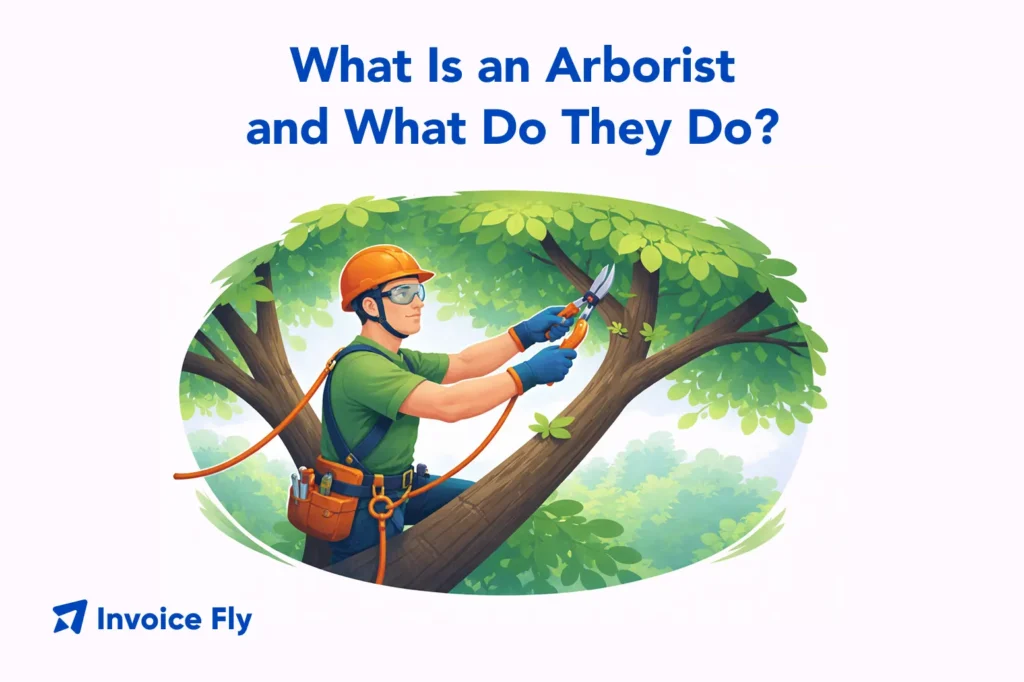
Table of Contents
An arborist is a trained tree care professional who specializes in planting, pruning, diagnosing, and safely removing trees. It’s a hands-on career that blends outdoor work with technical expertise. On a typical day as an arborist, you might climb trees using ropes and harnesses, operate chainsaws and chippers, check trees for disease or damage, and help clients protect the trees on their property. If you’re thinking about becoming an arborist—or starting your own tree care business—it helps to understand what the job actually involves, how certification works, and what tools and business basics you’ll need to succeed.
In this guide, we’ll walk through what arborists do day to day, how to get certified, and what it takes to run a professional arborist business.
What Is an Arborist?
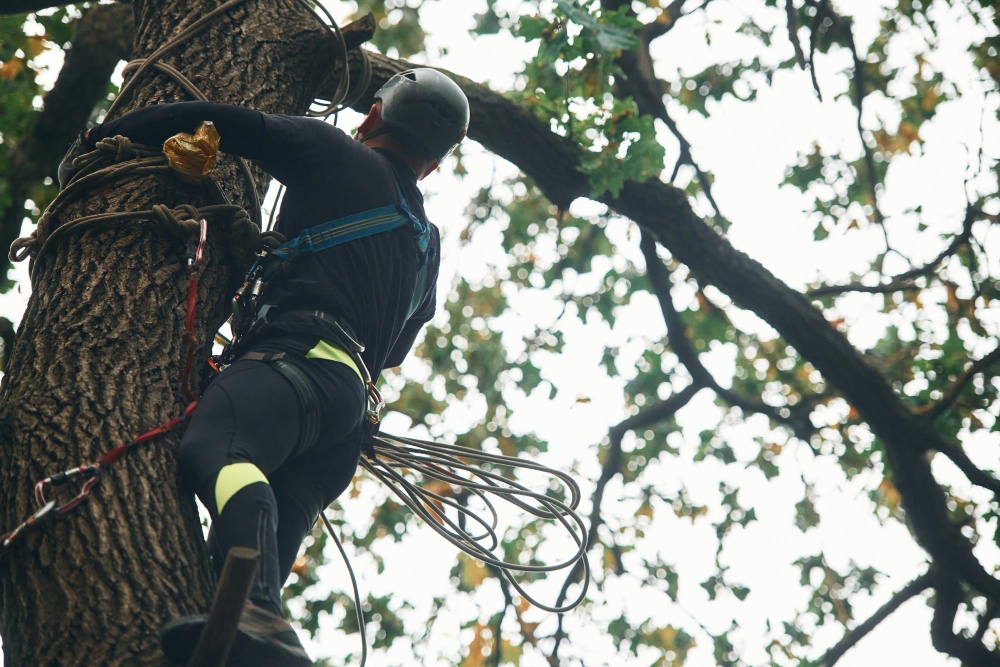
An arborist is a trained specialist in the cultivation, management, and care of individual trees, shrubs, and woody plants. The focus is on the health and safety of individual trees — not forest management or timber production, which falls under forestry. Arborists work in residential neighborhoods, urban green spaces, commercial properties, and anywhere trees need professional attention.
The term “tree surgeon” is sometimes used interchangeably with arborist, particularly in the UK, though in the US the preferred term is arborist or tree care professional. A certified arborist has passed a credentialing exam and meets ongoing education requirements — more on that below.
If you’re considering this as a career path or business opportunity, our guide on how to start a tree removal service business covers the full roadmap from licensing to landing your first clients.

Types of Arborists
Not all arborists do the same work. The field includes several specializations:
- Climbing arborists — work directly in trees using ropes, harnesses, and rigging equipment to prune, remove, or inspect from above
- Ground arborists — support climbing crews, operate chippers and cranes, and handle cleanup
- Consulting arborists — assess tree health and risk, write reports, and advise property owners, developers, and municipalities without doing physical removal work
- Municipal arborists — manage trees in public spaces like parks, streets, and city rights-of-way
- Utility line clearance arborists — specialize in trimming trees near power lines, often working for utility companies or their contractors
Many tree care businesses start with one or two people covering both climbing and ground roles, then specialize as the company grows.
What Does an Arborist Do?
The day-to-day work of an arborist covers a wide range of tree care services:
- Pruning — removing dead, diseased, or structurally weak branches to improve tree health and reduce hazard risk
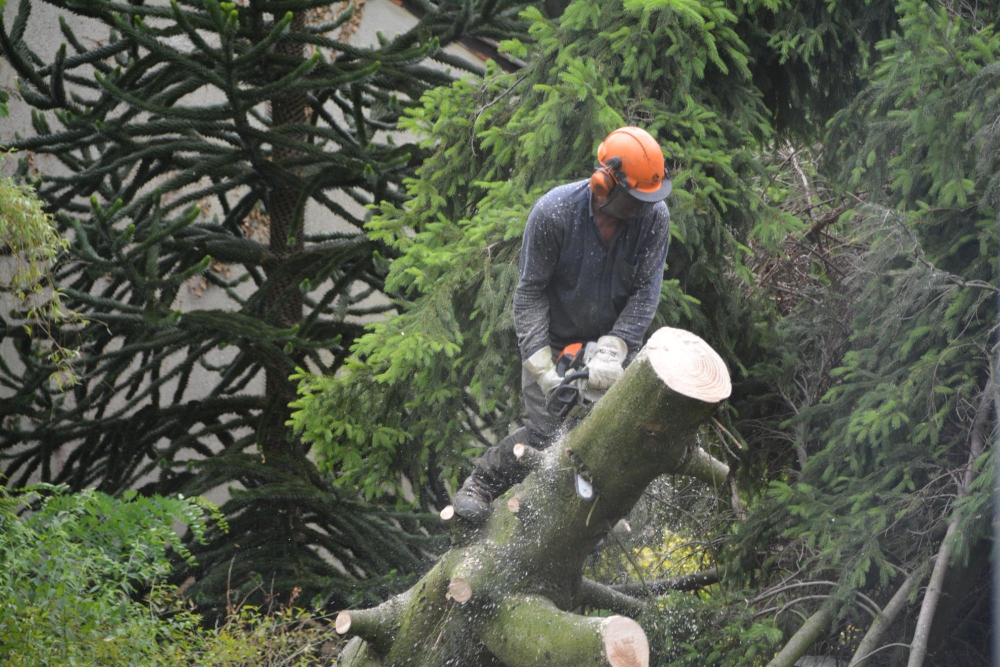
- Tree removal — safely taking down trees that are dead, dying, diseased, or pose a safety risk to structures and people
- Tree planting — selecting the right species for a site and ensuring proper planting depth and soil conditions
- Disease and pest diagnosis — identifying fungal infections, insect infestations, and nutritional deficiencies through visual inspection and testing
- Cabling and bracing — installing support systems in trees with weak branch unions to reduce the risk of failure
- Tree preservation — protecting existing trees during construction projects where root zones and canopy could be damaged
- Risk assessment — evaluating trees for structural defects and advising property owners on management options
How Arborists Work
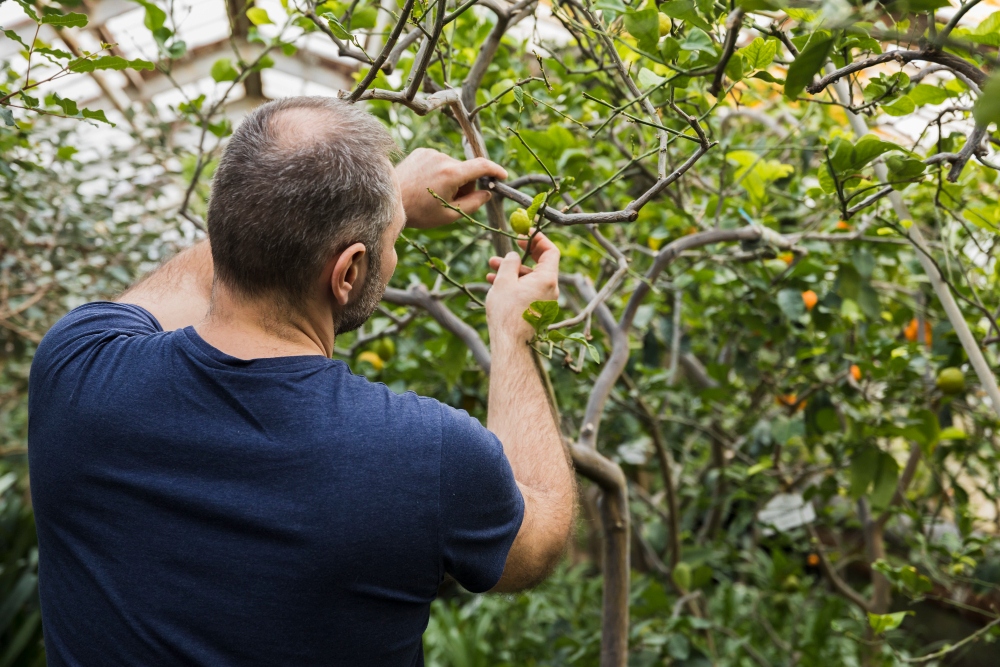
Most arborists work in crews of two to four people. A typical job starts with a site visit to assess the tree, identify hazards, and agree on a scope of work with the client. From there, the crew sets up rigging, climbs if needed, and works systematically through the job while a ground crew manages debris.
OSHA has specific inspection guidance for tree care and removal operations, covering fall protection, chipper safety, and struck-by hazards. Following these standards protects your crew and your business.
The right tools matter too. Our guide on tree trimming tools covers the equipment professional arborists rely on, from hand saws and pruners to aerial lift equipment and wood chippers.
Are All Arborists Certified?
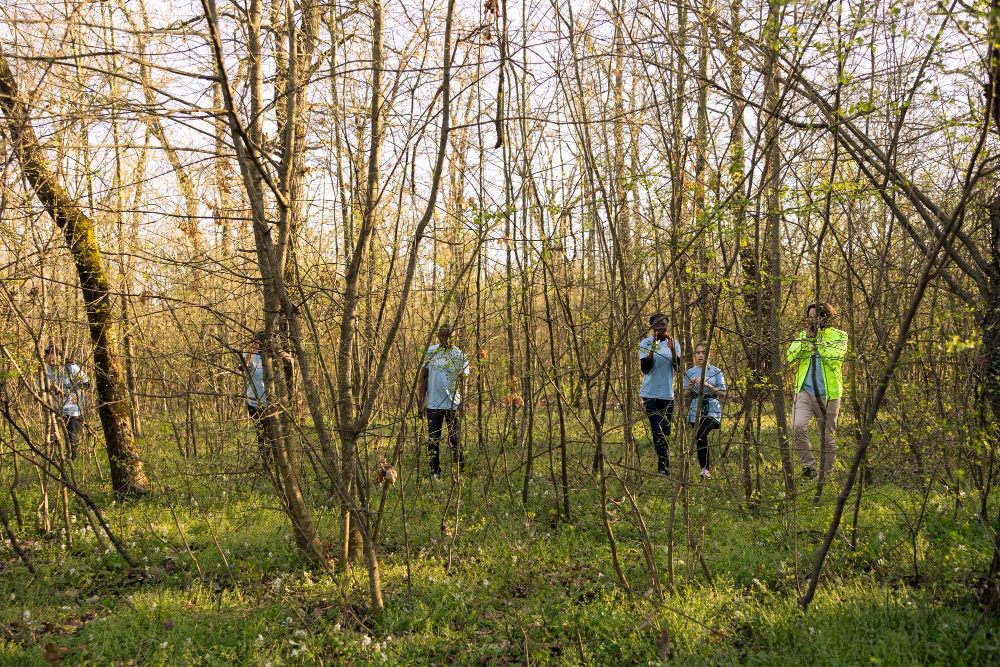
No — certification is not legally required to work as an arborist in most US states. Anyone can call themselves a tree service or tree trimmer without formal credentials. However, certification through the International Society of Arboriculture (ISA) is widely recognized as the industry standard and carries real weight with clients.
An ISA Certified Arborist has passed a comprehensive exam covering tree biology, pruning, diagnosis, safety, and soil management. Certification must be renewed every three years through continuing education. You can verify any arborist’s credentials through the ISA’s public directory.
For clients, hiring a certified arborist means working with someone whose knowledge has been independently verified. For arborists, certification opens doors to higher-value contracts, municipal work, and consulting opportunities.
What Qualifications Do You Need to Be an Arborist?
There’s no single required path into arboriculture, but most arborists follow one of these routes:
- On-the-job training — starting as a ground crew member and learning climbing and tree care from experienced arborists
- Vocational programs — community colleges and trade schools offer horticulture and arboriculture programs that combine classroom instruction with hands-on training
- ISA Certification — requires a minimum of three years of full-time tree care experience before you can sit the exam
Beyond formal credentials, successful arborists need physical fitness, comfort working at heights, mechanical aptitude for equipment maintenance, and strong client communication skills. For a full breakdown of the credentialing process, see our guide on how to become a licensed arborist.
Running your own tree care company also means understanding business basics — pricing, scheduling, invoicing, and insurance. Our software for arborists handles the admin side so you can focus on the work.
Do You Need to Hire an Arborist to Cut Down a Tree?
In most cases, you’re not legally required to hire a certified arborist for tree removal. But for anything beyond a small, straightforward tree, it’s strongly recommended. Here’s why:
- Safety: Tree removal involves chainsaws, falling wood, and working near structures. Improper technique causes serious injuries and property damage every year.
- Insurance: A licensed, insured arborist protects you if something goes wrong. An uncertified tree service with no insurance leaves you exposed.
- Cost of mistakes: Dropping a tree onto a fence, vehicle, or roof costs far more than a professional removal would have.
For permits, local regulations vary. Many municipalities require permits for removing trees above a certain size or in protected zones. Check with your local planning department before starting work.
If you’re on the business side, understanding how much tree removal costs helps you price competitively and set client expectations from the first call. And before any job, make sure you have the right tree service insurance in place.
Conclusion
Arborists are skilled professionals who keep trees healthy, properties safe, and urban landscapes thriving. Whether you’re drawn to the hands-on work of climbing and pruning or the business opportunity of running your own tree care company, understanding what arborists do and how the industry works puts you in a strong position to get started.
For the full picture on building a tree care operation — from licensing and insurance to tools and pricing — revisit our guide on how to start a tree removal service business. Use InvoiceFly’s free tree removal invoice template to bill clients professionally after every job, and the free estimate generator to send quotes that convert leads into paying clients.