
General Contractor Services: What Services Do GCs Offer?
Table of Contents
General contractor services cover the full management of a construction project from the first blueprint review to the final walkthrough. A general contractor acts as the main point of contact, coordinating subcontractors, suppliers, schedules, and inspections to keep the project moving smoothly. Think of them as the project’s quarterback, calling the plays while making sure every part of the build stays on track.
In this guide, we’ll break down what GCs do at every stage of a project, so you know exactly what to expect whether you’re hiring a contractor or planning to become one.

What Do General Contractors Do in a Construction Project?
A general contractor (GC) is the main point of contact on any construction project. They manage the entire process — from the first blueprint review to the final walkthrough. Think of them as the project’s quarterback, calling the plays while coordinating subcontractors, suppliers, and timelines. Understanding what a contractor does is key whether you’re hiring one or becoming one.
Pre-construction Stage Tasks
Before any work begins, a GC handles the groundwork that sets a project up for success. This stage takes more time than most clients expect, but skipping it leads to delays and cost overruns.
- Scope and planning: Review project plans, clarify goals, and define what the job includes.
- Permitting: Pull all required building permits and ensure the project meets local code requirements.
- Budgeting: Prepare detailed cost estimates to give clients a clear picture of total investment.
- Subcontractor selection: Hire and vet subcontractors for specialized work like electrical, plumbing, and roofing.
- Scheduling: Build a project timeline that sequences tasks efficiently to avoid costly downtime.
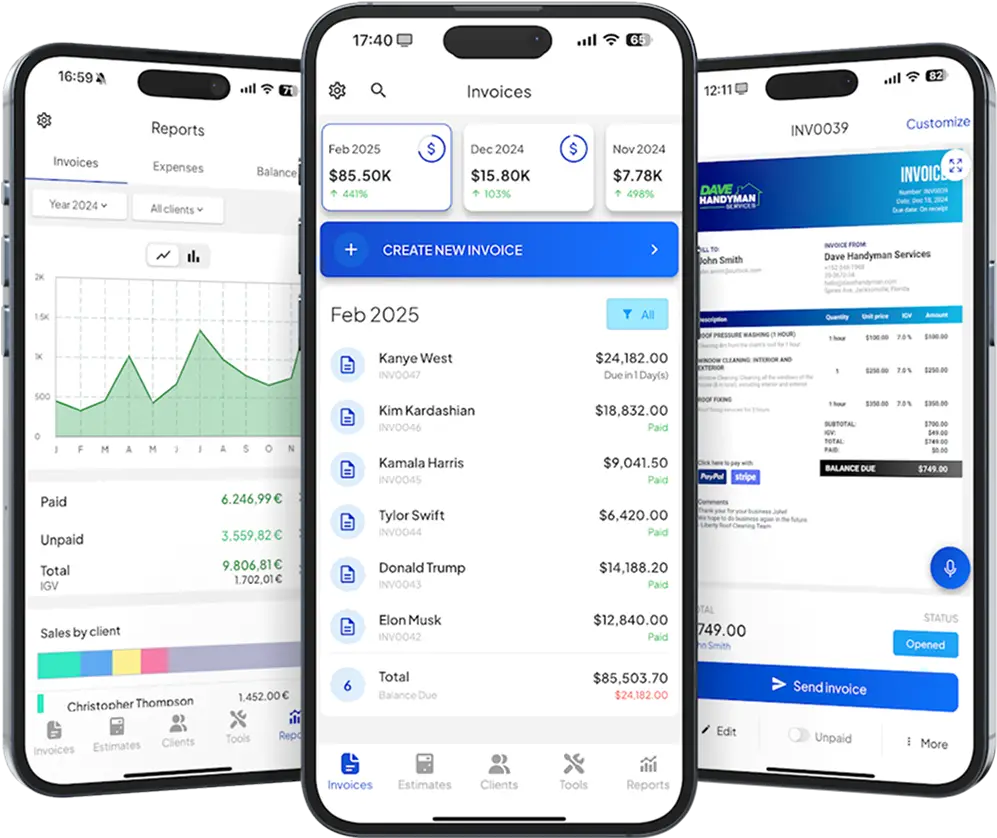
If you’re running a contracting business, professional estimates at this stage set the tone for client trust. Invoice Fly’s free estimate generator helps you create polished, accurate estimates that convert leads into paying clients.
Construction Stage Tasks
Once work begins, the GC’s job shifts to daily management and quality control. This is where craftsmanship and coordination matter most.
- Supervising subcontractors: Coordinating crews across trades — framing, electrical, HVAC, roofing, gutter cleaning, and more.
- Materials management: Ordering supplies on time and ensuring materials meet spec.
- Quality checks: Regular site inspections to ensure work meets code and client expectations.
- Budget tracking: Monitoring costs in real time to flag overruns before they become problems.
- Safety compliance: Enforcing OSHA standards and site safety protocols throughout construction.
Post-construction Stage Tasks
The final stage closes out the project cleanly and protects both the client and the contractor.
- Final inspections and walkthroughs with the client to confirm all work is complete
- Resolving punch list items — the small fixes that need attention before final sign-off
- Obtaining certificates of occupancy or final permits
- Collecting final payment and closing out subcontractor contracts
Summary of General Contractor Responsibilities at Each Stage
| Key Responsibilities | |
| Pre-construction | Review project scope, obtain permits, prepare estimates, hire subcontractors, and create the project schedule. |
| Construction | Supervise subcontractors, manage materials, monitor costs, inspect work quality, and enforce safety standards. |
| Post-construction | Conduct final inspections, resolve punch list items, secure certificates of occupancy, and close out payments. |
Using a reliable invoice maker at this stage keeps your billing clean, professional, and easy for clients to pay.
For a deeper look at building and running a contracting operation from the ground up, check out our guide on how to start a general contracting business.
What Services Do General Contractors Offer?
General contracting services typically include project planning, permit management, subcontractor coordination, budgeting, scheduling, and construction supervision. Most general contractor services also cover specific project types such as new construction, site improvements, remodeling, and turnkey builds. The exact list of general contractor services varies by company, but the goal is always the same: delivering a completed project safely, on time, and within budget.
Below is a list of general contractor services that most full-service GCs handle. Knowing these core project types helps contractors market their services clearly and helps clients hire the right professional for the job.
Turnkey Projects
A turnkey project means the contractor handles everything from start to finish. The client shows up at the end to a completed, ready-to-use space. This is common in commercial builds, residential new construction, and large-scale renovations. It’s the highest-value offering in a GC’s portfolio.
New Construction
New construction covers building from the ground up, whether it’s a single-family home in San Diego, a commercial office, or a multi-unit residential development. A GC managing new construction coordinates every phase, from site prep and foundation to final finishes. This type of work requires strong vendor relationships, tight scheduling, and careful cost control.

Site Improvements
Not every job is a full build. Site improvements include infrastructure upgrades, parking lots, landscaping, drainage, fencing, and utility work. According to the SBA, federal and state agencies frequently contract for site improvement work, making it a smart service category to offer if you want to pursue government contracts.
Remodels and Renovations
Remodeling and renovation work makes up a large share of residential general contractor services. This includes kitchen and bath remodels, basement finishing, room additions, roofing replacement, and full interior overhauls.
The key difference: a remodel changes the function or layout of a space, while a renovation restores or updates an existing one. Both require permits, subcontractors, and strong project management — the same skills that define great general contracting services.
If you’re growing your remodeling business, learning how to become a general contractor and getting properly licensed can open the door to higher-value projects. Before you get licensed, make sure you understand your state’s requirements. For example, see what’s involved in getting a Michigan builder’s license as a starting point for what most states require.

Taking Over Ongoing Projects
Sometimes a contractor walks off a job, or a client fires a GC mid-project. Taking over an incomplete project requires careful assessment — reviewing existing contracts, inspecting work already completed, identifying liabilities, and creating a realistic plan to finish. This service takes experience and confidence, but it’s a strong differentiator in competitive markets. When pricing materials for these jobs, knowing where to source supplies affordably matters.
Tip: A quick comparison of Lowe’s vs Home Depot can help you make smarter purchasing decisions.
Conclusion
General contractor services cover a wide range of responsibilities, but every category ties back to one core skill: project management. Great GCs plan carefully, communicate clearly, hire the right subcontractors, and deliver quality work on time and on budget. Whether you’re a homeowner planning a renovation or a contractor building out your service offerings, understanding the full scope of what a GC does helps you make smarter decisions.
Ready to build a more professional operation? Start your general contracting business on a strong foundation with the right licenses, systems, and project management tools in place.