Tree Removal Services: Methods and List of Services to Offer Clients
Table of Contents
Tree removal services are all about safely taking down trees that are damaged, diseased, or becoming a risk to people and property. Depending on the situation, this can involve everything from climbing and cutting sections by hand to using cranes, grinding down stumps, and clearing away all the debris.
In this guide, we’ll break down when tree removal is necessary, the different removal techniques available, and what you can expect in terms of cost and safety — whether you’re a certified arborist, contractor or just starting out building a tree service business.
When Should You Remove a Tree?
Not every damaged or leaning tree needs to come down, but some situations make removal the safest and most responsible option. As a tree service professional, identifying these situations helps you advise clients accurately and build long-term trust.
Recommend tree removal when:
- The tree is dead or dying. Dead trees lose structural integrity quickly and can fall without warning.
- The tree is severely damaged. Storm damage, split trunks, or major limb loss often leaves a tree unstable beyond repair.
- Disease or infestation is advanced. Fungal rot, emerald ash borer, and similar threats can spread to healthy trees on the same property.
- The root system is compromised. Heaving soil, root rot, or roots undermining a foundation signal serious structural risk.
- The tree is dangerously close to structures. Trees leaning toward a home, power lines, or outbuildings create immediate liability.
- Construction requires it. New builds and renovations sometimes require clearing healthy trees to make way for development.
Emergency tree removal services are needed when a storm, high winds, or sudden structural failure creates an immediate hazard. If a damaged tree is at risk of falling on a home, vehicle, or power line, it becomes a same-day job — not a scheduled one. Offering emergency response as a service line positions your business as a reliable call when clients need help most.
Benefits of timely removal
Acting early prevents property damage, reduces homeowner liability, and removes the risk of injury. It also creates space for new planting and improves the overall health of the surrounding landscape.
Environmental note: Tree removal should be considered carefully. Where possible, advise clients to replace removed trees with native species suited to the property — this preserves shade, supports local wildlife, and helps maintain air quality over time.
Ready to build a professional business around these services? Our guide on how to start a tree removal service business walks you through licensing, insurance, equipment, and finding your first clients.

How Tree Removal Works
Tree removal typically follows a clear step-by-step process:
- Site assessment — Evaluate the tree’s size, condition, lean, and proximity to structures or utilities.
- Method selection — Choose the safest removal technique based on site conditions.
- Permits — Check local requirements. Some municipalities require a permit before removing trees on residential properties.
- Safety setup — Establish a perimeter, brief the crew, and confirm escape routes.
- Removal — Execute the chosen method, section by section if needed.
- Stump grinding and cleanup — Grind the stump, haul debris, and leave the site clean.
Most accidents happen when steps like site assessment or safety setup are skipped. ANSI Z133 sets the safety standards all arborists should follow on every job, and OSHA’s tree care guidelines outline the employer obligations that protect your crew.
Using tree service software helps you manage jobs, crews, and estimates more efficiently as your business grows.
Tree Removal Services List
Professional tree removal services use different techniques depending on tree size, location, condition, and proximity to structures. Choosing the right method keeps the job safe, efficient, and cost-effective.
1. Felling
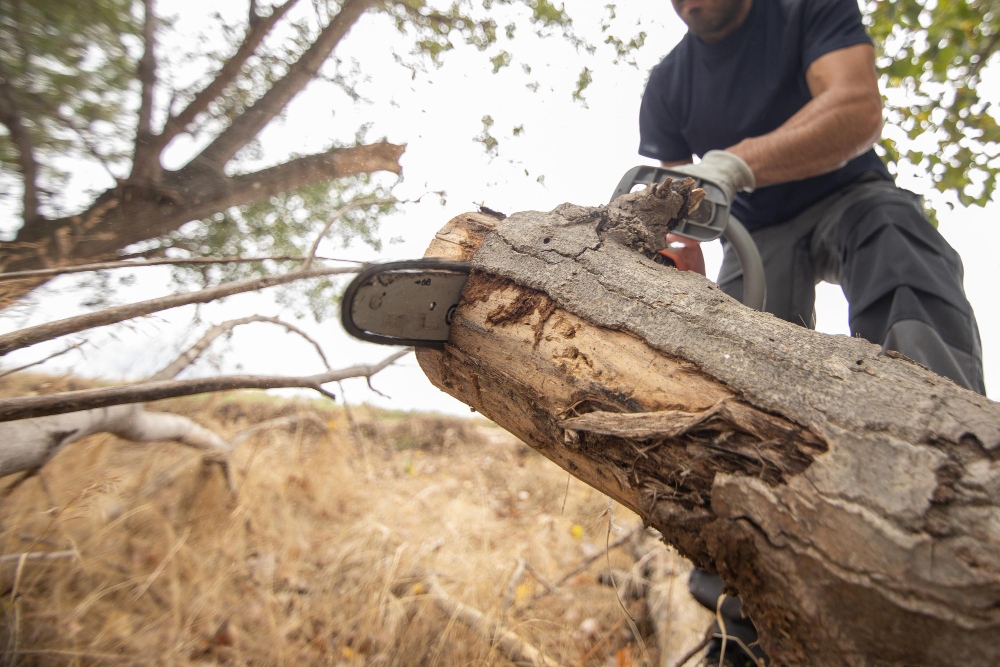
Felling is the most direct tree removal method. The arborist cuts the tree at the base and guides it to fall in a controlled direction away from structures, power lines, and bystanders.
- Best for: Open areas with a clear drop zone.
- What it requires: Precise notch and back cuts, wedges, and guide ropes. The right tree trimming tools make all the difference in controlling the fall direction.
- Risk level: Low to moderate in open spaces — increases significantly in tight residential settings.
Always assess the lean of the tree, clear the drop zone of people and obstacles, and have an escape route planned before the final cut.
2. Climbing
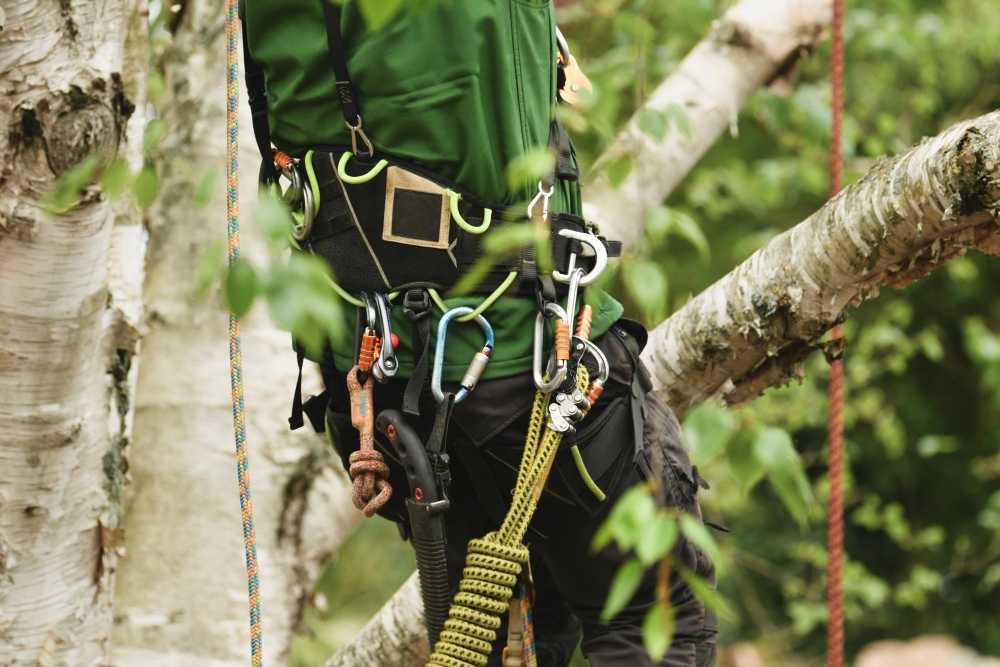
When a tree is too close to structures for safe felling, a certified arborist climbs the tree and removes it in sections from the top down. Each section is lowered to the ground using ropes and rigging.
- Best for: Trees close to buildings, fences, or other obstacles where felling isn’t an option.
- What it requires: Technical climbing skills, rope rigging, and full personal protective equipment.
- Risk level: Moderate to high — this method demands proper arborist certification and ongoing training.
Not yet licensed? Our guide on how to become a licensed arborist covers the certification path step by step.
3. Bucket Truck
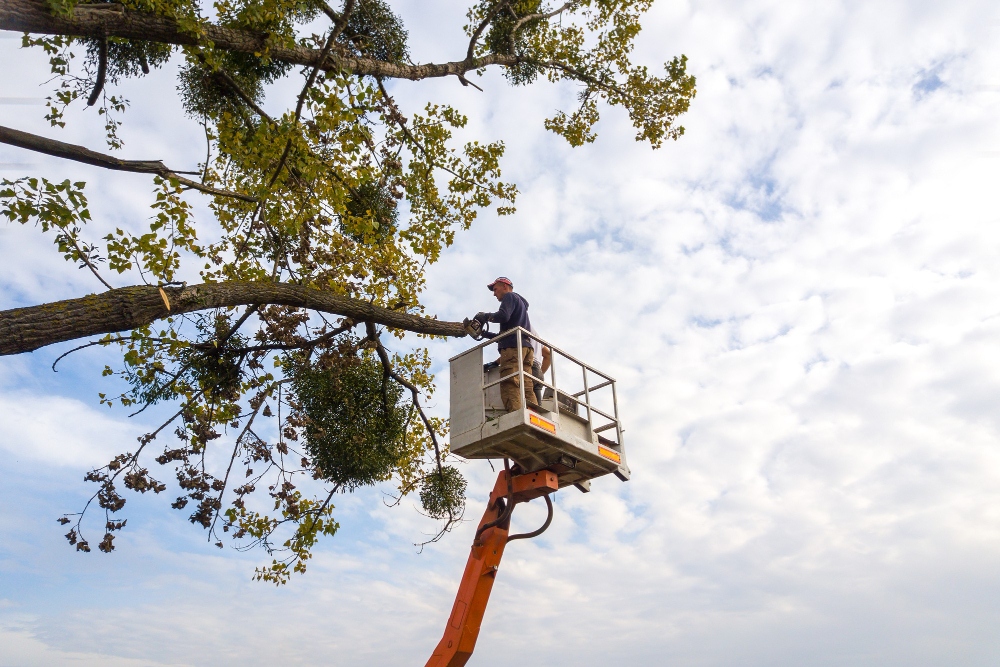
A bucket truck lifts the arborist into the canopy in an aerial work platform, allowing limbs and sections to be cut from a stable elevated position without physically climbing the tree.
- Best for: Medium to large trees near structures where climbing is difficult or risky, and where road access is available.
- What it requires: Level ground, road access, and enough clearance for the truck.
- Risk level: Lower than climbing for most jobs, but limited by terrain and access.
4. Crane Tree Removal Service
Crane tree removal is used for large, hazardous, or hard-to-reach trees. A crane lifts and lowers large sections of the tree in a controlled way as an arborist cuts them free — preventing them from falling onto structures or landscaping below.
- Best for: Very large trees, trees positioned over structures, or trees in tight urban spaces where other methods aren’t viable.
- What it requires: A crane operator, a certified arborist working in the tree, and a ground crew managing rigging and debris.
- Risk level: Lower than other methods for complex jobs when executed by a trained team.
Crane removal is the most expensive tree removal service option. When quoting these jobs, factor in crane rental, operator fees, additional crew time, and extended debris removal.
5. Tree Stump Grinding Service
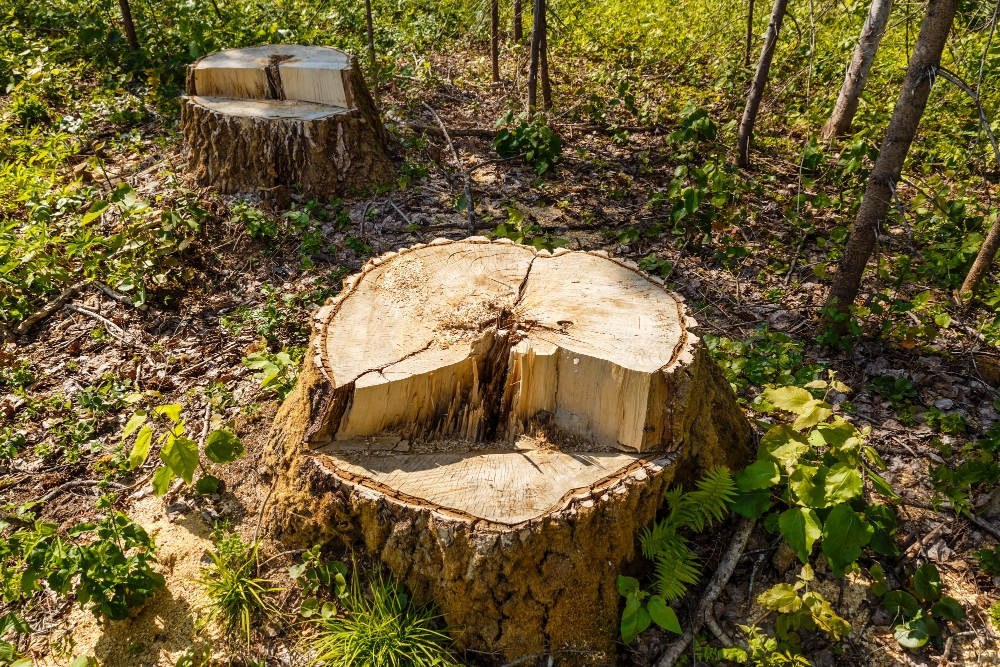
Once a tree is removed, the stump remains. Stump grinding uses a motorized machine to reduce the stump to wood chips just below ground level, eliminating the tripping hazard and preparing the area for replanting or landscaping.
Offer stump grinding as a standard add-on to every removal job. Most clients want the stump gone — it’s a simple upsell that adds meaningful revenue with minimal additional time on site.
6. Tree Trunk and Debris Removal Service
After the tree is down, the trunk, branches, and debris need to be cut into manageable pieces, loaded, and hauled away. Some clients want the wood kept for firewood; others want a clean property.
Tree debris removal services are often bundled into the project price, but be explicit in every quote about what’s included. Cleanup and hauling can represent a significant share of the total job cost, and vague estimates lead to disputes.
Tree Removal Methods Compared
| Method | Best For | Equipment Needed | Relative Cost |
|---|---|---|---|
| Felling | Open areas with clear drop zone | Chainsaw, wedges, ropes | Low |
| Climbing | Trees near structures | Climbing gear, rope rigging | Moderate |
| Bucket Truck | Medium-large trees with road access | Aerial lift truck | Moderate |
| Crane Removal | Large/hazardous trees in confined spaces | Crane, rigging team | High |
| Stump Grinding | Removing leftover stumps | Stump grinder | Low–Moderate |
| Debris Removal | Post-removal cleanup and hauling | Truck, chipper | Low–Moderate |
What Does Tree Removal Cost?
Pricing varies widely depending on tree size, removal method, access, and your location. For a full breakdown of market rates and how to price your services competitively, see our guide on how much tree removal service costs.
Clients searching for a tree removal service near me are comparing multiple quotes — so clear, itemized pricing gives you an edge. Use Invoice Fly’s free invoice generator to keep your billing consistent and professional on every job.
Conclusion
Tree removal services require technical skill, the right equipment, and a solid understanding of safety protocols. Whether you’re felling a dead tree in an open yard or coordinating a crane removal in a tight residential space, matching the method to the job is what separates professional tree service from a dangerous guessing game.
Use Invoice Fly’s invoice maker to get paid quickly once the work is done, and tree service software to manage clients, scheduling, and cash flow in one place.
Building your business from the ground up? Our full guide on how to start a tree removal service business covers everything you need.
Author