
Pest Control Services: 5 Methods of Pest Control
Table of Contents
Pest control services are at the core of any profitable pest management business. From residential termite treatment and bed bug removal to commercial mosquito control and rodent management, having a clear pest control services list helps you position your business, price your work, and grow with confidence. Whether you’re starting from scratch or looking to add new revenue streams, understanding the five methods of pest control—and the difference between pest control and extermination services—plays a big role in long-term success.
In this guide, we’ll walk through the main types of pest control services, explain the five control methods, and highlight the services you should add to grow your business in a smart, sustainable way.
What Is Residential Pest Control?
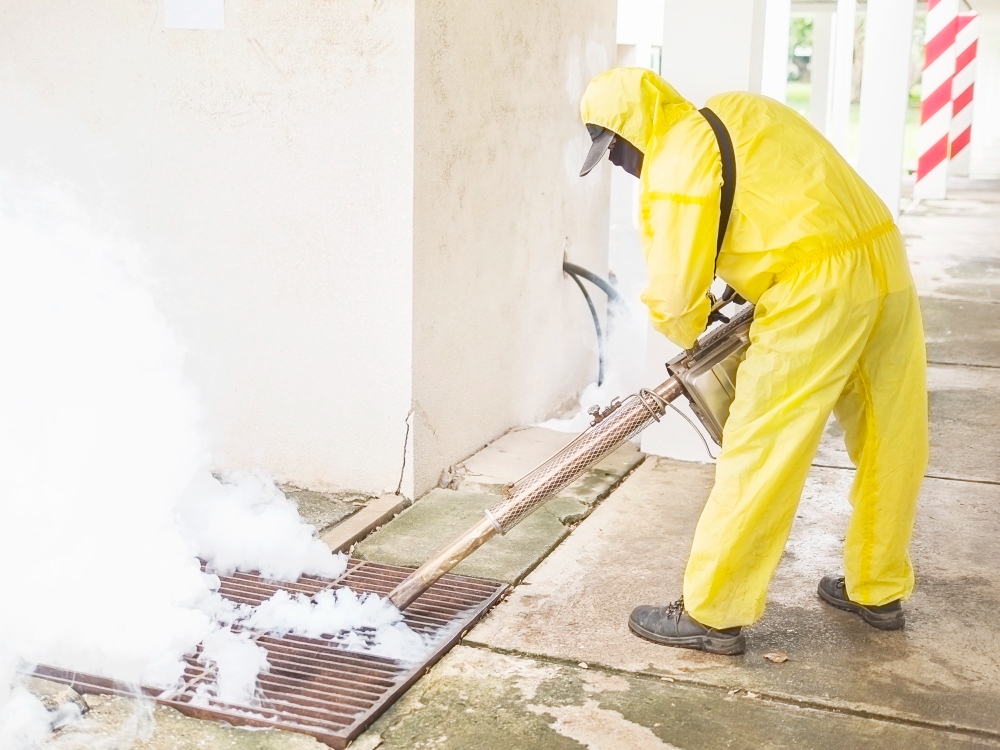
Residential pest control refers to the professional management of pests in and around private homes. It covers prevention, treatment, and ongoing monitoring to keep properties free from insects, rodents, and other pests that damage structures or pose health risks.
Residential clients typically deal with termites, roaches, bed bugs, ants, spiders, mosquitoes, and rodents. Unlike commercial pest control — which covers restaurants, hotels, offices, and industrial facilities — residential work focuses on the specific entry points, nesting areas, and treatment sensitivities of a home environment.
The EPA recommends that homeowners use licensed pest management professionals for any treatment involving pesticides, especially for termites and bed bugs, where DIY approaches rarely deliver lasting results.
Benefits of professional pest control
Routine pest management protects structural integrity, reduces health risks from pests like rodents and mosquitoes, and gives clients long-term peace of mind. For your business, recurring residential accounts are the most predictable and scalable source of revenue.
Want to build a business around these services? Our complete guide on how to start a pest control business covers licensing, insurance, equipment, and client acquisition from the ground up.
Types of Pest Control Services
Pest control services span residential and commercial markets, and the most profitable businesses operate in both. Here’s how the main categories break down:
General pest control
Covers the treatment of common household pests: ants, roaches, spiders, silverfish, and stinging insects. It’s typically offered as a recurring monthly, bi-monthly, or quarterly service — the backbone of most residential accounts.
Termite control
Termite control is a high-value specialty. Termites cause significant structural damage annually, and treatment requires a licensed professional. Services include inspections, liquid termiticide applications, bait systems, and fumigation for severe infestations.
Bed bug treatment
It involves heat treatment, chemical treatment, or a combination of both. Bed bug jobs take longer and require more specialized equipment, which justifies premium pricing.
Rodent control
Covers trapping, baiting, exclusion work, and ongoing monitoring. Sealing entry points and removing attractants are central to a complete rodent management program.
Mosquito and tick control
This is a fast-growing seasonal service. According to the CDC, mosquitoes are among the most dangerous disease vectors in the world — making professional yard treatment programs both a health service and a high-margin revenue stream for providers.
Commercial pest control
Serves restaurants, hotels, warehouses, healthcare facilities, and office buildings. Commercial accounts require more documentation and compliance reporting, but they also generate higher contract values.
Using pest control software can help you manage recurring service plans and keep clients on schedule as your business grows.
5 Methods of Pest Control
The five main methods of pest control include chemical, biological, physical, cultural, and electronic approaches. Understanding each helps you match the right technique to every situation and explain your methods to clients in plain language.
1. Chemical Control
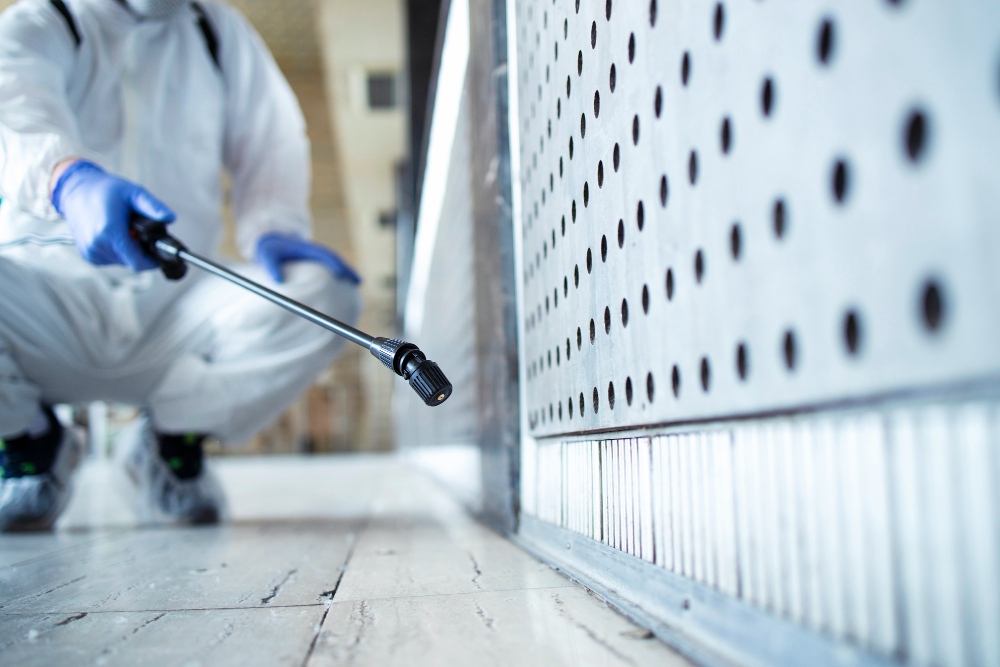
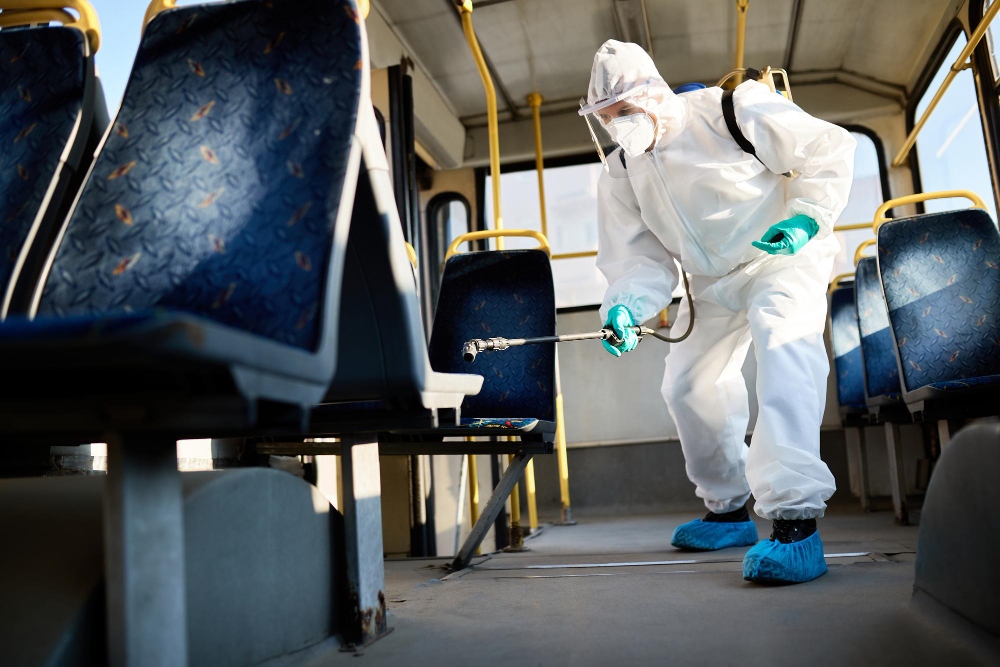
Chemical control uses pesticides — sprays, baits, dusts, and gels — to kill or repel pests. It’s the most widely used method in residential and commercial pest management. Always follow label instructions and EPA guidelines for safe, legal application.
Environmental note: Overuse or incorrect application of pesticides can harm non-target species, contaminate water sources, and accelerate pesticide resistance. Integrated Pest Management (IPM) frameworks treat chemical control as a last resort, not a first response.
2. Biological Control
Biological control uses natural enemies — predators, parasites, or pathogens — to manage pest populations. Common examples include introducing nematodes to control grubs or using Bacillus thuringiensis (Bt) to target mosquito larvae. This method is gaining traction in organic pest prevention programs and eco-conscious residential markets.
3. Physical and Mechanical Control
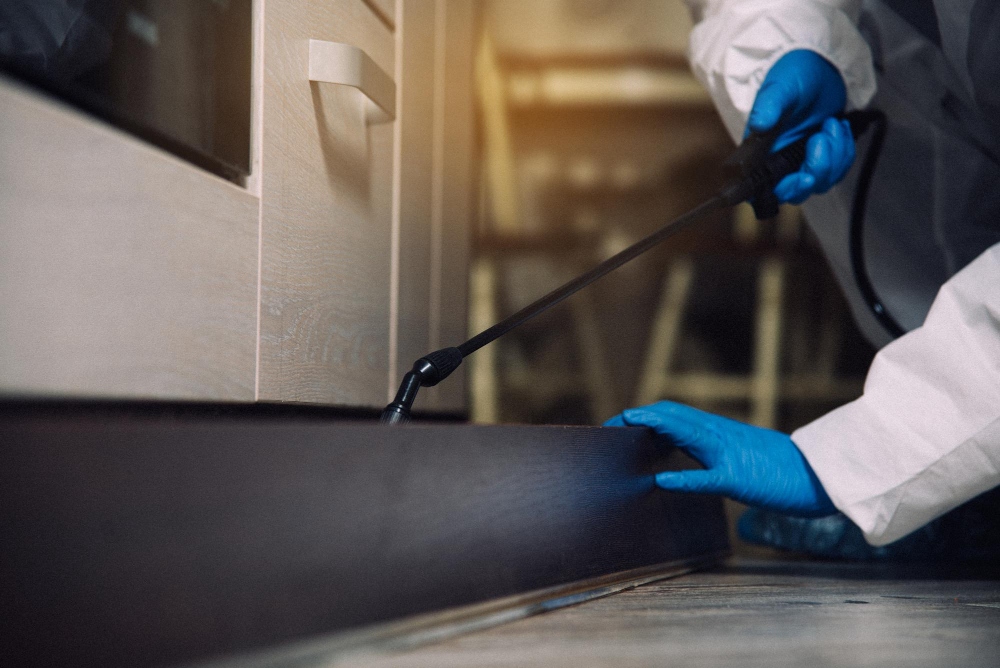
Physical control uses traps, barriers, screens, and exclusion work to prevent pests from entering or surviving in a space. Examples include rodent snap traps, door sweeps, mesh screens over vents, and caulking gaps around pipes. It’s non-toxic, durable, and pairs effectively with other treatment methods.
4. Cultural Control
Cultural control changes the environment or behaviors to make conditions less hospitable for pests. This includes advising on proper food storage, eliminating standing water to deter mosquitoes, or recommending landscaping changes that reduce pest harborage areas. It’s a prevention-first approach that builds client trust and reduces callback rates.
5. Electronic Control
Electronic pest control uses devices like UV light traps, electric traps, and heat treatment equipment. Heat treatment for bed bugs is well-established and highly effective. For other pests, electronic methods vary in effectiveness and are best used to complement other treatments rather than replace them.
Pest Control vs. Extermination Services: What’s the Difference?
Clients often use these terms interchangeably, but they describe meaningfully different scopes of work.
Pest control is ongoing. It involves regular inspections, treatments, and monitoring to keep pest populations in check over time. The goal is long-term prevention and management — not just eliminating a current infestation.
Extermination is typically reactive. An exterminator responds to an active infestation and focuses on eliminating it, usually through a one-time or short-term treatment. There’s less emphasis on follow-up, documentation, or prevention.
For your business, positioning yourself as a pest management professional rather than just an exterminator allows you to sell recurring service contracts — which are far more valuable and predictable than one-off jobs.
Many customers searching for pest control services near me are looking for fast, reliable response and clear pricing. A strong online presence paired with professional estimates helps you win those jobs consistently.
Services to Add to Your Pest Control Business
Adding complementary services is one of the fastest ways to grow revenue without dramatically increasing overhead.
- Wildlife removal — handling squirrels, raccoons, birds, and nuisance animals — is a natural extension of pest management. It requires additional licensing in most states but commands premium pricing and opens up a different customer segment.
- Lawn pest treatment — grub control, fire ant treatment, and exterior perimeter barrier programs — bridges the gap between pest control and lawn care, expanding your potential client base.
- Moisture control and exclusion work — sealing crawl spaces, installing vapor barriers, addressing moisture issues that attract pests — is a high-ticket add-on that delivers real long-term structural value for homeowners.
- Insulation replacement — particularly after rodent infestations that contaminate attic insulation — significantly increases average job revenue with relatively low additional labor.
Before expanding your service menu, make sure your licensing covers the new work. Our guide on how to get a pest control license covers state-by-state requirements, and getting the right pest control insurance ensures you’re protected when taking on higher-risk services.
For the full roadmap to building a profitable operation, see our guide on how to start a pest control business.
Conclusion
Pest control services cover a wide range of methods, pest types, and markets — and the most successful businesses build a strategic mix of residential and commercial work, recurring contracts, and profitable add-ons. Understanding the five methods of pest control and how they apply to different situations helps you deliver better results, build client trust, and grow revenue consistently.
Use Invoice Fly’s invoice maker to bill clients professionally after every job, and pest control software to manage scheduling, recurring contracts, and client communication in one place. Need a quick quote? The free estimate generator keeps your proposals fast, accurate, and professional.
For salary benchmarks and staffing guidance as you grow, see the pest control salary guide and pest control cost guide.