
Painting Services: Complete Residential & Commercial List
Table of Contents
Painting services cover a lot more than just putting paint on a wall. They include interior and exterior painting for homes and commercial spaces, along with cabinet refinishing, surface preparation, specialty coatings, and new construction projects. For contractors and entrepreneurs, having a clear home painting list of services makes it much easier to price jobs accurately, package your offerings, and build a profitable painting company.
From residential repainting to high-value upgrades like epoxy floor coatings, professional painting services can be structured in many different ways depending on your market. In this guide, we’ll walk through the full list of painting services, how to organize them, and how to grow your painting business with the right mix of work.

Types of House Painting Services
Interior Painting
Interior painting covers walls, ceilings, trim, doors, stair rails, and accent features inside residential and commercial spaces. It’s the most in-demand painting service and the entry point for most new clients.
Interior jobs range from a single room refresh to a full-home repaint. Paint finish selection matters here: matte and flat finishes work well in low-traffic spaces like bedrooms, while eggshell and satin hold up better in kitchens, bathrooms, and hallways. Semi-gloss and high-gloss are best for trim, doors, and cabinetry where durability counts.
Exterior Painting
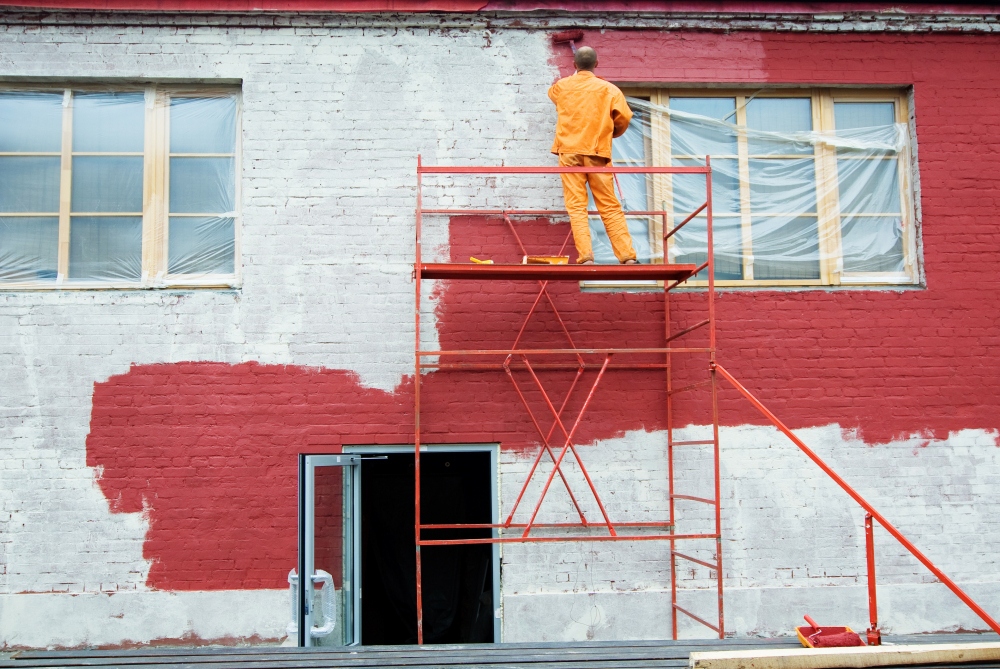
Exterior house painting protects and refreshes the outside of a property — siding, brick, stucco, wood trim, fascia, and railings. It’s weather-dependent, carries higher material and labor costs than interior work, and commands pricing to match.
Prep work is critical on exterior jobs. Proper cleaning, scraping, caulking, and priming directly determines how long the finish lasts. Clients who skip prep typically see paint failure within a few years, which reflects on the contractor regardless of who made the call.
Cabinet Refinishing & Painting
Cabinet refinishing is a high-margin, high-demand service. Instead of replacing kitchen or bathroom cabinets, clients refresh them with new paint or stain at a fraction of the replacement cost. It requires careful surface prep — sanding, degreasing, and priming — plus a finish that stands up to daily use and moisture.
Surface Preparation & Repairs
Surface prep is not optional, it’s the foundation of every quality paint job. Professional painting services include scraping old paint, sanding, caulking, filling cracks, priming, and minor drywall repair before a drop of finish goes on the wall.
Skipping surface prep is the most common reason paint jobs fail early. Making it a visible, itemized part of your service package signals quality and helps justify professional pricing over DIY.
Specialty Coatings & Finishes
Specialty coatings expand your service menu and attract higher-budget clients who need more than a standard wall finish.
Epoxy Floor Coatings
Epoxy floor coatings are applied to garage floors, warehouses, and commercial spaces to create a durable, seamless, chemical-resistant surface. They require surface grinding before application and command strong pricing due to material and labor intensity.
Deck & Fence Staining/Painting
Deck and fence staining protects outdoor wood from moisture, UV exposure, and foot traffic. Staining is typically recommended over solid paint for wood decks because it penetrates the material rather than sitting on top, which reduces peeling over time.
Metal Painting
Metal painting covers doors, wrought iron fences, gates, railings, and industrial equipment. It requires proper rust removal, metal-specific priming, and topcoats engineered to resist corrosion and UV damage.
Faux Finishes & Textures
Faux finishes — color washing, sponging, stenciling, and textured techniques — are decorative services that appeal to high-end residential clients. They take more skill and time but are priced accordingly, making them one of the highest-margin offerings in a painting company’s portfolio.
Surface-Specific Painting Services
Stucco Repair & Painting
Stucco surfaces require masonry-specific primers and paints. Before painting, any cracks or damaged areas need to be repaired and allowed to cure fully. Stucco painting is especially common in warmer climates and on commercial properties.
Vinyl/Aluminum Siding Restoration
Painting vinyl or aluminum siding refreshes a property without the cost of replacement. It requires thorough cleaning, etching primers, and flexible exterior paint that won’t crack as the substrate expands and contracts with temperature changes.
Wallpaper Removal & Installation
Many painting contractors offer wallpaper removal as a prep service before interior repainting. Removal time varies significantly depending on the number of layers and adhesive used. Some contractors add wallpaper installation as a premium service for clients who want a decorative finish instead of paint.
Painting Project Types
Residential Repainting
Residential repainting is the backbone of most painting businesses. These projects range from single-room refreshes to whole-home repaints, typically triggered by a move, renovation, or desire for an updated look. Repeat business and referrals are strong in this category when you consistently deliver quality results.
New Construction Painting
New construction painting involves completing interior and exterior finishes on a property before occupancy. You’ll typically work with builders, developers, and general contractors on set timelines, alongside other trades. These projects tend to be larger in scope and require tighter schedule management than residential repainting.
For both project types, accurate estimating makes or breaks profitability. Use the paint cost calculator to build precise job quotes and the free painting estimate template to present them in a format clients trust.
Ready to build a business around these services? Our guide on how to start a painting business covers licensing, insurance, tools, and landing your first clients.

Residential vs. Commercial Painting Services
Residential and commercial painting share the same core skills but differ in scale, scheduling, and client expectations.
Residential work is relationship-driven. Clients are homeowners making personal decisions about their space — they respond to professionalism, clear communication, and a clean job site. Projects are typically smaller in scope but generate strong referrals and repeat business.
Commercial work is contract-driven. Clients include property managers, developers, and business owners who prioritize schedule adherence, documentation, and minimal disruption to operations. Projects are larger, often requiring crews, tighter timelines, and compliance reporting, but they generate higher contract values and more consistent volume.
The most profitable painting companies serve both markets, using residential work to fill the calendar and commercial contracts to anchor revenue.
How Painting Services Work
Most professional painting jobs follow the same step-by-step process regardless of project type:
- Inspection and estimate — Assess the surfaces, identify prep requirements, and provide a detailed quote covering labor, materials, and timeline.
- Surface preparation — Scrape, sand, caulk, patch, and prime. This step determines how long the finished job lasts.
- Priming — Apply primer appropriate to the surface type — drywall, wood, masonry, or metal — to ensure proper adhesion and coverage.
- Painting — Apply finish coats using brushes, rollers, or spray equipment depending on the surface and client specification.
- Cleanup and walkthrough — Remove masking, clean up materials, and walk the client through the finished work before sign-off.
Presenting this process clearly during the estimate builds confidence with clients and helps explain why professional services cost more than DIY.
What Do Painting Services Cost?
Pricing varies by project type, surface condition, and location. As a general guide:
- Interior painting typically runs $2–$6 per square foot for labor, depending on prep complexity and number of coats.
- Exterior painting runs higher — $3–$7 per square foot — due to prep demands, equipment, and weather risk.
- Specialty services like epoxy coatings, cabinet refinishing, and faux finishes command premium rates that reflect the skill and material intensity involved.
Surface condition has a significant impact on final price. Heavy prep — stripping old paint, repairing damaged surfaces, or addressing lead paint in pre-1978 homes — adds both time and cost to any job. The EPA’s Renovation, Repair and Painting program requires contractors working in pre-1978 properties to follow certified lead-safe work practices, which affects both pricing and the permits required.
Homeowners searching for painting services near me are often comparing multiple quotes without knowing what separates a thorough estimate from a low-ball one. Itemized quotes that break out prep, labor, and materials help you win those comparisons on value rather than price. Use Invoice Fly’s free estimate generator to build professional, accurate proposals for every job.
For detailed market rates by service type and region, see our guides on how much painters charge and how much it costs to paint a house.
Additional Services to Offer as a Painting Contractor
Expanding beyond standard painting services is one of the fastest ways to grow revenue per client and stand out from competitors.
- Pressure washing is a natural lead-in to any exterior paint job. Offering it as a standalone service also generates new leads that convert into future painting projects.
- Lead paint testing and removal is a specialized service required in older properties. Getting EPA-certified opens the door to a regulated, premium-priced service category with less competition.
- Color consultation is a low-cost, high-value add-on. Many clients are overwhelmed by paint selection. Offering professional color guidance during the estimate builds trust and increases conversion rates, often without adding significant time to your visit.
- Drywall repair and patching is frequently needed before painting. Clients prefer a single contractor to handle both — keeping that work in-house keeps more revenue on your books.
Before expanding your service offerings, make sure your licensing covers the new work. See what’s required in our guide on how to get a painting license, and ensure you have the right painting business insurance before taking on higher-risk specialty services.
Our guide to painting tools covers the professional equipment you need for both residential and commercial jobs. And if you’re looking to streamline day-to-day operations, our roundup of painter apps covers the software tools working contractors rely on.
For the full roadmap to building a profitable operation, revisit our guide on how to start a painting business.

Conclusion
Painting services cover a wide range of project types, surfaces, and specialties — and the most profitable painting companies build a smart mix of residential and commercial work, recurring add-ons, and premium specialty services. Whether you’re starting with interior repainting or expanding into epoxy coatings and new construction, knowing the full list of painting services helps you serve clients better and grow revenue year-round.
Use Invoice Fly’s invoice maker to bill clients professionally after every job, and painting software to manage estimates, scheduling, and client communication — all in one place. Need a quick quote? The free painting invoice template keeps your billing clean and consistent on every job.
For current pricing benchmarks, see our guides on how much painters charge and how much painters make.