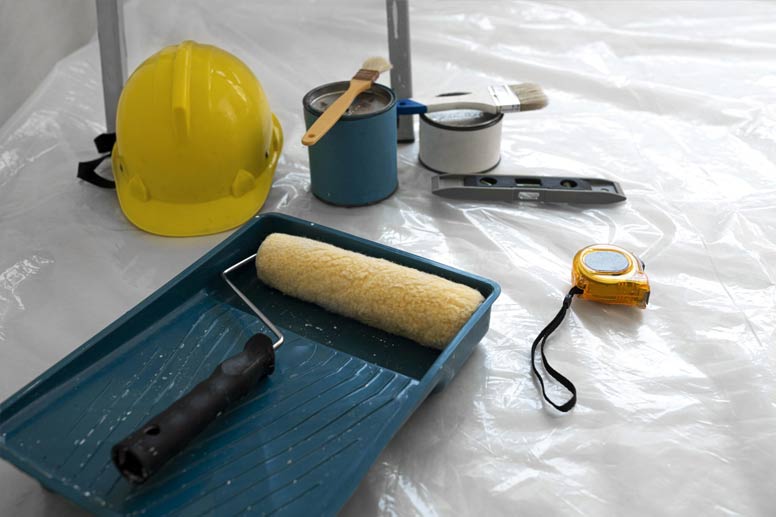
How Much Do Painters Charge? Painting Pricing Guide

How Much Do Painters Charge

If you’re a painter, you’ve probably heard this question a thousand times: “How much will this cost?” 

Getting your pricing right isn’t just about giving clients a number. It’s a crucial part of running a successful painting business. The right price helps you stay competitive, win clients, and make sure your hard work actually pays off.

Whether you’re just figuring out your rates or looking to fine-tune your estimates, nailing your pricing strategy is essential. And it’s a great time to be in the painting business! 

The U.S. painting industry is thriving, with the U.S. market expected to reach $43 billion. Homeowners and businesses alike are investing in repainting projects, from interior makeovers to commercial facelifts. 

For example, Zillow reports that a fresh coat of paint can boost a home’s value by up to 5%. That’s a powerful stat to share with your clients!

In this guide, we’ll answer questions like how much do painters charge per square foot, how much do painters charge per hour, and even how to estimate a paint job by square feet. By the end, you’ll have a clear understanding of painting costs and tips for estimating jobs accurately.

How Much Do Painters Charge?

The cost of hiring a painter depends on several factors, including location, project size, the complexity of the job, and the painter’s experience. On average:

  • How much do painters charge per square foot? For interior jobs, painters typically charge $1.50 to $3.50 per square foot, while exterior projects range from $2 to $4 per square foot.
  • How much do painters charge per hour? Hourly rates often fall between $25 and $50, but specialized or experienced painters may charge more.
  • How much do painters charge per room? Painting a single room can cost anywhere from $300 to $800, depending on its size and details like trim or ceiling work.
  • How much do interior painters charge? For a standard 12’ x 15’ room, the total cost might be around $450 to $750 for labor and materials.
  • How much do house painters charge? Full house projects range widely but typically cost between $2,500 and $10,000, depending on the square footage and type of paint used.

Tip! If you’re pricing jobs as a painter, always consider including a detailed breakdown in your estimate. Clients appreciate transparency and are more likely to trust you with their projects when they can see where their money is going.

Calculate paint costs to manage your pricing

Use our free paint cost calculator to estimate how much paint you need for your client’s project and what it will cost for the materials.

Whether you’re painting walls, ceilings, rooms, or larger surfaces, simply enter your measurements to get an accurate material estimate and better understand your project costs for quoting.

Paint Calculator

Area
Feet
Inches
Feet
Inches
Feet
Inches
Number of Doors and Windows
Doors
Windows
Moulding
Inches
Paint Coverage
Square Feet per Gallon
Invoice Fly Logo

Paint Estimate

Walls

This job requires 133.2 gallons of primer (estimated labor: 93.3 hours) and 233.1 gallons of finish (estimated labor: 139.9 hours).

Ceiling

This job requires 33.5 gallons of primer (estimated labor: 46.9 hours) and 58.7 gallons of finish (estimated labor: 58.7 hours).

Doors and Windows

This job requires 0.6 gallons of primer and 1.1 gallons of finish (estimated labor for doors: 4 hours; estimated labor for windows: 2.3 hours).

Moulding

This job requires 21.2 gallons of primer and 37.1 gallons of finish; estimated labor: 7.12 hours.

Now that you know your paint costs, you can create better estimates and turn those estimates into clear, professional quotes with Invoice Fly’s estimate software. When your customer approves, convert estimates into invoices in just a few clicks using Invoice Fly’s invoice software.

Home-service pros lose an average of 852.8 hours a year (~$25,000) to non-billable admin like quoting and invoicing. InvoiceFly users send estimates 50–70% faster and recover up to 400 hours a year. (Source: InvoiceFly Salary & Time Gap Report 2026; stats:
Oasis / Paychex Report.)


Create and Send Invoices with Invoice Fly

Whether you’re billing clients weekly, monthly, or per project, Invoice Fly helps you create professional invoices, track payments, and stay organized from anywhere.

invoice fly mobile dashboard

Invoice Fly’s on our platforms:
4.8/5.0 · +180,000 reviews
4.8/5.0 on Trustpilot, Capterra, GetApp, and Software Advice.
App Store (+88.000 positive reviews) and Google Play (+90.000 positive reviews)
Over 125,000 businesses trust us.

What users love about Invoice Fly:

“Easy to use, everything is self explanatory! Keeps me organized as well as keeping up with my clients too! You can personalize the app to your likings with YOUR logo!”

Shaii C. · Capterra · ★★★★★

Factors That Affect Painting Costs

Understanding the factors that influence pricing helps you set accurate and competitive rates.

1. Project Size and Complexity

The size of the job has a big impact on costs. Larger projects can be more efficient, resulting in lower per-square-foot rates. However, intricate designs, trim work, or multiple color changes will increase labor costs.

For complex jobs like multi-color accent walls or patterns, you might charge an additional $1–$2 per square foot to account for the extra time and skill required.

 A painter in Austin charged $3,500 to repaint a 2,000-square-foot home with simple walls, but another project with custom trim and accent walls cost $4,800 for the same size.

2. Surface Preparation

Don’t forget proper prep work, like sanding, filling cracks, and priming. It is essential for a professional finish but can add significant labor time. For heavily textured walls or damaged surfaces, expect prep work to account for 20–30% of the total cost.

Older homes often require even more attention, such as removing old wallpaper, addressing lead-based paint, or dealing with mold issues. Mold remediation, in particular, requires special care to ensure the problem is resolved before painting begins. 

Skipping this step can lead to peeling paint and health risks for the occupants. Mold removal can add anywhere from $500 to $2,000 to the total project cost, depending on the severity and area affected.

In Denver, a painter charged $1,200 to repaint a small living room because the walls required heavy patching, sanding, and mold treatment before applying the primer. The homeowner was grateful for the thorough prep work, which ensured a long-lasting and safe result.

Tip! If you encounter mold during an inspection, be upfront with the client about the need for proper remediation and discuss potential additional costs. Clients appreciate transparency and will trust your professionalism.

How Much Do Painters Charge

3. Type of Paint

The quality of paint you use matters. Premium brands like Sherwin-Williams or Benjamin Moore can cost $50 to $70 per gallon, while budget paints may be closer to $20 per gallon. Specialty finishes, such as low-VOC or high-gloss options, can also increase costs.

A homeowner in Dallas chose high-gloss paint for their kitchen, which added $400 to the total cost of the project due to the premium paint price and the additional labor required for application.

A commercial client in New York City requested eco-friendly paint for their office space. This added $2,000 to the total project cost for a 3,000-square-foot area due to the higher price of low-VOC paint.

4. Location

Painters in major cities or high-cost areas, like New York or Los Angeles, typically charge more due to higher overhead. In smaller towns, rates may be 10–20% lower.

A painter in Los Angeles charged $7,500 to repaint a 2,500-square-foot home, while a similar job in rural Iowa cost only $4,800, reflecting the lower local cost of living and labor.

Tip! If you work in a city with competitive rates, offering additional services like free touch-ups or a satisfaction guarantee can help justify your pricing and set you apart from competitors.

5. Experience Level

Highly skilled painters or those offering niche services, such as murals or faux finishes, often charge premium rates. While the upfront cost is higher, their expertise can save time and prevent mistakes.

If you’re just starting out as a painter, consider charging slightly lower rates while building your portfolio. Highlighting your growing experience and showcasing completed projects can help you increase your rates over time.

In Chicago, a professional muralist charged $4,000 to create a custom design on a feature wall, while a less experienced painter quoted $2,500 but lacked the precision and design skills the client required. The client chose the higher-priced muralist for the superior quality.

How to Estimate a Paint Job

Estimating a paint job is a key skill for any painter. It’s how you build trust with clients and make sure your work stays profitable. The good news? It doesn’t have to be complicated. Here’s a quick, simple guide to help you nail your estimates and keep your business running smoothly.

Service Price Calculator

Try our free painting service calculator

Need help pricing your painting services? Add in the details of your job and get a competitive range for your customers.

Step 1: Measure the Area

Calculate the square footage by measuring the height and width of each wall. Multiply these numbers and subtract areas for windows and doors.

Step 2: Factor in Coats

Divide the total square footage by 350 (the coverage of one gallon) to estimate how much paint you’ll need. Multiply by the cost per gallon.

Step 3: Account for Paint Costs

One gallon of paint typically covers about 350 square feet. Divide the total square footage by 350 to determine how many gallons you’ll need, then multiply by the cost per gallon.

Step 4: Add Labor Costs

If you’re hiring painters, use the hourly rate or square footage rate to calculate labor. For instance, a painter charging $2 per square foot for a 1,000-square-foot job would charge $2,000 for labor.

Let’s estimate a standard 12’ x 15’ room:

  • Wall area: (12 + 12 + 15 + 15) x 8 = 432 square feet
  • Paint: 432 ÷ 350 = ~1.25 gallons (rounded up to 2 gallons for two coats)
  • Paint cost: 2 x $35 = $70
  • Labor: 432 x $2 = $864
  • Total: $70 + $864 = $934

If the client requests extras, such as painting the ceiling or adding trim work, include these as separate line items in your estimate to ensure clarity.

How Much Do Painters Charge

How Much Do Painters Charge to Paint Exteriors?

Exterior painting costs more than interior projects due to prep work and exposure to weather.

  • Per square foot: Rates range from $2 to $4.
  • Per hour: Rates for exterior jobs can go up to $70 per hour, especially for multi-story homes.

Homes with intricate siding, shutters, or multiple stories often cost more due to the added complexity and safety requirements, such as scaffolding or harnesses.

A painter in Chicago charged $6,000 to repaint a 2,000-square-foot home, including power washing and minor repairs.

How Much Do Painters Charge for Specialty Work?

Some painting projects require advanced skills, specialized materials, or extra time, which can significantly impact pricing. Here’s a breakdown of common specialty work:

  • Cabinet Painting: Transforming an average-sized kitchen’s cabinets typically costs $2,000 to $6,000, depending on the amount of prep work, the type of finish, and whether the cabinets are sprayed or hand-painted.
  • Murals and Faux Finishes: Artistic jobs like custom murals or faux finishes range from $10 to $50 per square foot, depending on the complexity of the design and the materials used.
  • Trim Work: Painting baseboards, crown molding, and other trim usually costs $1 to $2 per linear foot, with additional charges for intricate or detailed profiles.

Tip! Always clarify your client’s expectations before starting specialty projects. Include a detailed description of the work in your estimate, outlining the process, materials, and timeline. This transparency not only avoids misunderstandings but also helps justify the higher cost of specialized services. Clients will appreciate the clear communication and be more likely to trust your expertise.

Tools to Simplify Estimating

Tools like Painting Contractor Software can simplify the process of estimating pricing by helping you:

Using tools like these not only saves you time but also enhances your professionalism, which can be a big selling point for potential clients.

How-Much-Do-Painters-Charge-03

Final Thoughts

Understanding how much painters charge and mastering how to estimate a paint job by square feet is crucial for running a successful painting business. 

As a professional, your pricing isn’t just about covering costs. It’s about reflecting the value and quality of your work. Clients rely on you to provide transparent and accurate quotes, and getting this right builds trust, secures repeat business, and enhances your reputation.

Remember, factors like project size, surface condition, materials, and location can all influence your pricing. A small, straightforward room might be quick and simple to paint, but a large, multi-story exterior with damaged siding requires more time, preparation, and expertise—and your rates should reflect that. 

Ready to start painting smarter?

Download Invoice Fly today!

Create and Send Invoices with Invoice Fly

Whether you’re billing clients weekly, monthly, or per project, Invoice Fly helps you create professional invoices, track payments, and stay organized from anywhere.

invoice fly mobile dashboard

What users love about Invoice Fly

“Great App, really helps not only to present a good bill but also enables you to track payments.”

— Sam Josiah · Trustpilot · ★★★★★ · 2026-05-12

FAQs

As a painter, you should calculate our material costs and your labor costs and use a simple calculation to determine how much to charge for painting a room. You can also use our free online paint calculator to determine how much paint you will need and then multiply the price of a gallon of paint with that number, plus add you labor costs and then use our service price calculator to determine the final price you will quote.

A fair price for painting depends on the size of the job, surface condition, location, and level of detail required. Most painters charge either by the hour or by square foot, with rates typically covering labor, materials, and overhead. A fair price should fully cover your costs and include a reasonable profit while staying competitive in your local market.

How much you can charge as a painter depends on your experience, location, and the type of work you do. Many painters charge hourly rates or per square foot, with higher rates for complex jobs, prep work, or specialty finishes. Your pricing should cover labor, materials, overhead, and include a profit margin that reflects your skill level and local market demand.

Common painting mistakes often come from poor preparation and rushed work. Painting contractors see issues like skipping surface prep, using the wrong type of paint, applying too thick or too thin coats, and not allowing enough drying time. Poor planning can also lead to inaccurate estimates, wasted materials, and lower profit margins on jobs.

To properly quote a painting job, you need to assess the size of the project, surface conditions, labor time, and material costs. A good quote should clearly break down all expenses, include your overhead, and add a fair profit margin. Using estimate software like Invoice Fly can help you create accurate, professional quotes quickly and convert them into invoices once the job is approved.

Jennifer Allerson is a Senior Copywriter specialising in business, finance and UX content, and the writer behind Invoice Fly Academy's guides on contracts, invoicing, estimates and pricing for contractors. She has spent more than ten years turning complex business and financial topics into clear, practical advice for small business owners.

  • Copywriter for global brands including Nespresso, San Pellegrino and SEAT, through Ogilvy
  • Former VP of Brand & Communications at Qustodio and Head of Communications at Fon
  • Fintech experience as UX writer for Juni, a B2B financial platform
  • Taught UX Writing at the Barcelona Technology School (University of Barcelona)
  • Former Accenture programmer · MBA, Stockholm School of Economics

Every guide Jennifer writes is researched from primary sources and reviewed under the Invoice Fly editorial policy. Connect with her on LinkedIn or at jenallerson.com.