
Plumbing Inspection: What to Expect and How to Prepare
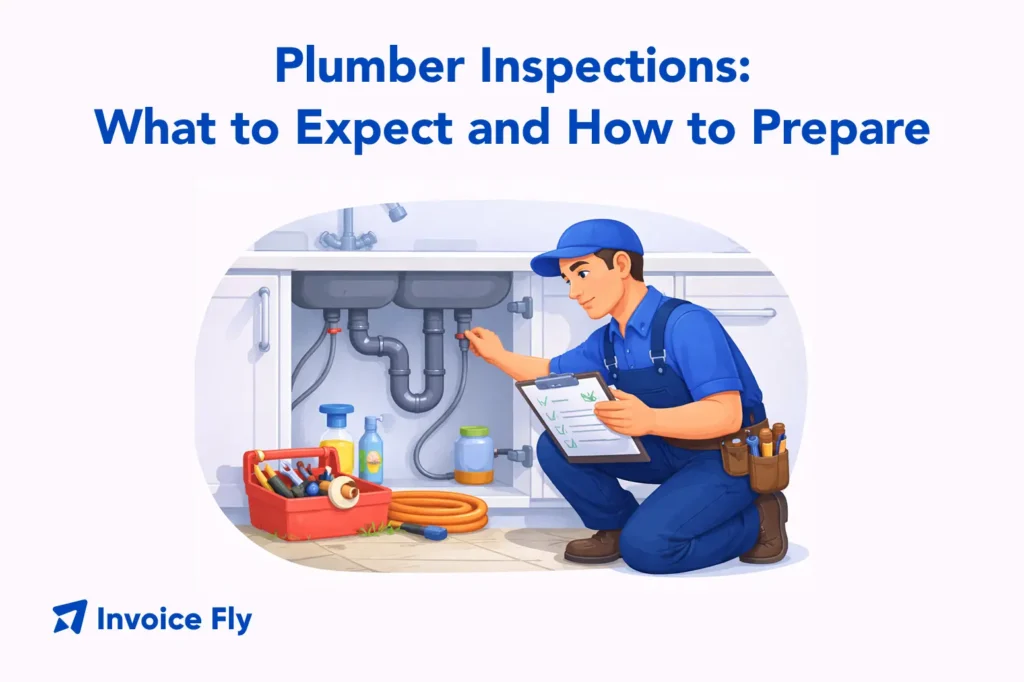
Table of Contents
A plumbing inspection is a routine check of a property’s plumbing system, from visible fixtures to hidden pipes and sewer lines. During the visit, a licensed plumber looks for leaks, corrosion, drainage problems, low water pressure, and code issues that could turn into costly repairs later. Depending on the scope, the inspection may be a quick visual review or include a camera check of underground drains. For plumbing contractors, knowing what’s included, what it typically costs, and how to prepare a client’s home helps make inspections smoother and reports more professional. Let’s walk through what to expect step by step.
What Is a Plumbing Inspection?
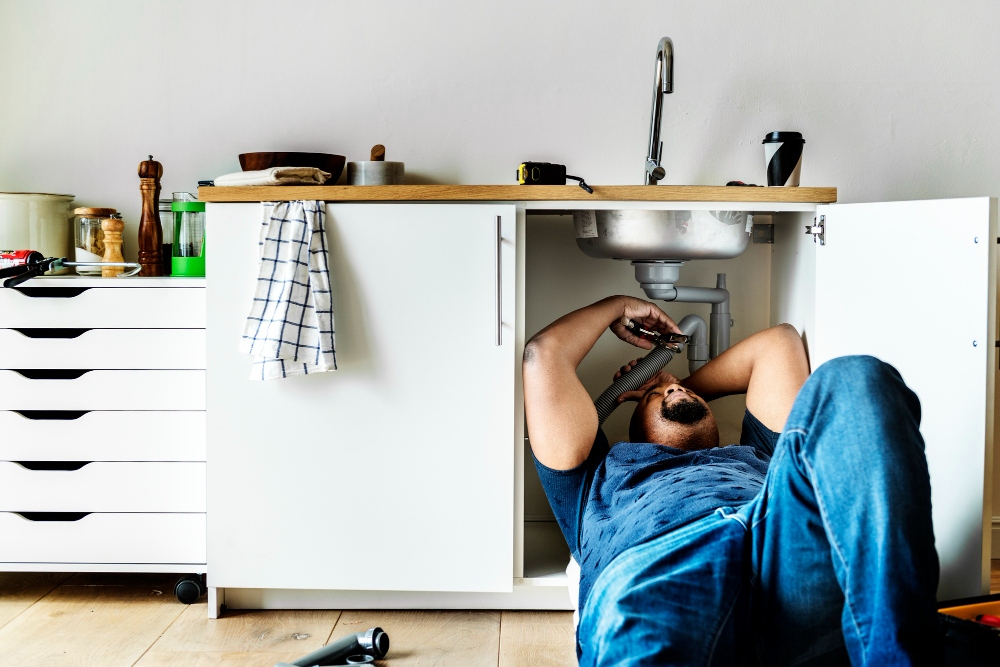
A plumbing inspection is a systematic evaluation of a property’s entire plumbing system carried out by a licensed plumber or certified inspector. The goal is to identify existing problems, flag potential issues before they escalate, and confirm that the system meets local building and safety codes.
Inspections differ from standard service calls. A service call addresses a specific, known problem — a dripping faucet, a blocked drain, a water heater that won’t fire. An inspection takes a broader view of the whole system, looking for issues the homeowner may not know about yet.
According to the Bureau of Labor Statistics, plumbers are responsible for installing, maintaining, and repairing pipe systems. Inspection work is also a core part of that professional scope. For contractors looking to build a full-service plumbing operation, our guide on how to start a plumbing business covers everything from licensing to pricing your first jobs.
Types of Plumbing Inspections
Not all plumbing inspections are the same. The type of inspection required depends on whether it’s a new build, a home purchase, or a routine maintenance check. Here are the four main types of plumbing inspections:
- Rough-In Inspection
A rough-in inspection takes place during new construction or a major renovation, before walls are closed up. At this stage, the inspector checks that all supply lines, drain pipes, vent stacks, and waste lines are correctly placed, properly supported, and free of leaks.
Pressure testing is standard at this stage — either air or water pressure is applied to the system to confirm there are no leaks before drywall goes up. Most jurisdictions require a passing rough-in inspection before work can continue. Cities like Portland publish specific scheduling requirements and notice periods for permitted plumbing inspections.
- Final Inspection
A final inspection happens once all fixtures are installed and the system is fully operational. The inspector confirms that everything functions correctly — water pressure is adequate, drains flow freely, fixtures are properly connected, and the completed system meets local code requirements.
- Pre-Purchase Inspection
A pre-purchase plumbing inspection is ordered by a home buyer, or recommended by their real estate agent, before closing on a property. It gives the buyer a clear picture of the plumbing system’s condition and flags any repairs that should be negotiated before the sale.
These inspections are particularly important in older homes where galvanized pipes, outdated water heaters, and aging sewer lines are common. A thorough pre-purchase inspection can save buyers thousands in unexpected repair costs after moving in.
- Home Maintenance Inspection
Routine plumbing inspections, typically recommended every one to two years, help homeowners catch small problems before they become major ones. For plumbing contractors, offering periodic maintenance inspections is a reliable way to build recurring revenue and maintain long-term client relationships.
Why Do People Get Plumbing Inspections?
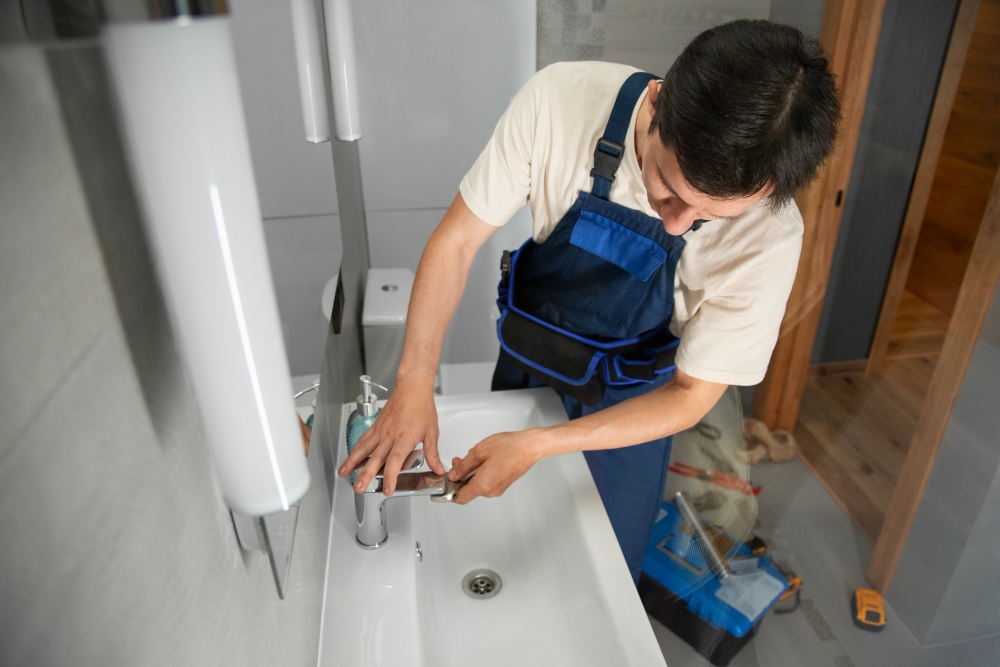
Clients usually request plumbing inspections when something feels off or when they want peace of mind before making a big decision. Understanding their reason helps you provide a more focused and helpful service.
- Buying or selling a home: Buyers want to avoid surprises after closing, while sellers can fix issues early and strengthen their negotiating position.
- Unexplained water bill increases: A sudden jump in water use often points to a hidden leak behind walls, under slabs, or along the main supply line.
- Older properties: Homes built before the 1980s may still have galvanized pipes, clay sewer lines, or outdated fixtures that are more likely to fail and need replacement.
- After major weather events: Freezing temperatures, flooding, or ground movement can damage pipes in ways that aren’t immediately visible.
- Permit compliance: Plumbing work tied to renovations, additions, or new construction usually needs inspection before it can be approved.
- Recurring plumbing problems: Slow drains, frequent clogs, low water pressure, or persistent odors are all signs the system needs a closer look.
What Does a Plumbing Inspection Include?
A standard plumbing inspection focuses on the visible and accessible parts of the system. The goal is to catch early warning signs before they turn into expensive repairs. Here’s what a thorough inspection usually covers:
Water supply system
The plumber checks how water enters and moves through the home, including:
- Incoming water pressure (normally 40–80 psi)
- Condition and operation of the main shutoff valve
- Supply pipe materials such as copper, PEX, galvanized steel, or polybutylene
- Signs of corrosion, pinhole leaks, or water stains around connections
Fixtures and appliances
Everyday fixtures often reveal the first signs of hidden problems. During inspection, plumbers typically:
- Test faucets for flow and drips
- Check toilets for proper flushing, tank leaks, and seal issues at the base
- Inspect showers and bathtubs for drainage speed and failing caulk
- Examine the water heater for age, corrosion, pressure-relief valve function, and sediment buildup
Drain, waste, and vent system
Drainage performance tells a lot about the health of the system overall. Inspectors usually:
- Test drains for slow flow or partial blockages
- Check P-traps for leaks and correct installation
- Review vent stacks for installation problems or obstructions
- Look for cracks, corrosion, or poor slope in exposed drain pipes
Sewer line inspection (camera inspection)
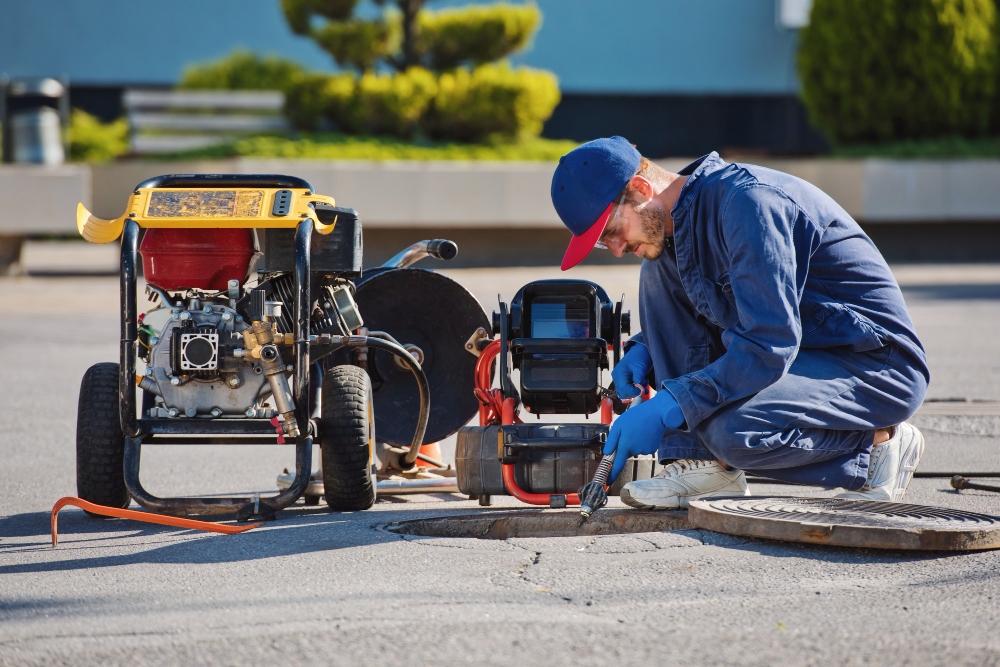
For older homes or recurring drainage issues, a camera inspection gives the clearest picture of what’s happening underground. A flexible camera is inserted through a cleanout and sends live video from inside the sewer line.
This helps identify problems like tree root intrusion, pipe collapse, offset joints, grease buildup, and hidden blockages that can lead to backups. Camera inspections are often recommended before buying a home and for properties more than 20 years old.
Plumbing inspection checklist summary
| System | What’s Checked |
| Water supply | Pressure, shutoff valve, pipe condition |
| Fixtures | Faucets, toilets, showers, water heater |
| Drainage | Flow rate, P-traps, vent stacks, pipe slope |
| Sewer line | Camera inspection for blockages and damage |
| Water heater | Age, corrosion, pressure relief valve |
| Code compliance | Permits, materials, installation standards |
How Much Does a Plumbing Inspection Cost?
Plumbing inspection costs vary based on property size, inspection scope, and local market rates. As a general guide:
| Inspection Type | Typical Cost | What’s Included |
| Basic visual inspection | $100–$250 | Fixtures, exposed pipes, shutoff valves, visible leaks |
| Full home plumbing inspection | $200–$500 | Supply lines, drains, fixtures, water heater, pressure checks |
| Camera / sewer inspection | $250–$500 | Interior sewer line video inspection and blockage detection |
| Rough-in or final permit inspection | $50–$200 | Required municipal approval for new plumbing work |
For plumbing contractors, offering clearly packaged inspection tiers makes pricing easier to explain and helps clients approve work faster. It also reduces scope confusion later in the job.
Use a free plumbing estimate template to present inspection pricing professionally before every job.
For more on setting competitive rates, see our guide on how to price plumbing jobs.
Conclusion
Plumbing inspections are one of the most valuable services a licensed plumber can offer — for clients who want peace of mind and for contractors building a sustainable, recurring revenue stream. Whether you’re completing a rough-in on a new build, helping a buyer assess a home before purchase, or providing a routine maintenance check, a thorough and well-documented inspection sets you apart as a professional.
After every inspection, send clients a clear written report along with a professional invoice that itemizes what was inspected and what repairs are recommended. InvoiceFly’s plumbing software keeps your inspection jobs organized from booking to billing, and the free plumbing invoice template makes it easy to present your findings and next-step costs in a format clients trust.
For the full picture on building a profitable plumbing contracting business, revisit our guide on how to start a plumbing business.