
What Is a Cleaning Contractor? Roles, Pay, and Business Structure
Table of Contents
- What Is a Cleaning Contractor?
- What Does a Cleaning Contractor or Subcontractor Do?
- Send Invoices in Seconds
- What a Cleaning Contractor Owns
- Why You Need a Cleaning Contractor
- Benefits of Hiring a Cleaning Contractor
- What Are Subcontractors in the Cleaning Industry?
- Pros of Using Subcontractors in Your Cleaning Business
- Cons of Using Subcontractors in Your Cleaning Business
- Subcontractors in Cleaning: Pros vs Cons at a Glance
- When Should You Consider Using Subcontractors?
- Best Practices for Managing Subcontractors Effectively
- Build a Sustainable Cleaning Contractor Business
- Send Invoices in Seconds
- FAQs
If you’re running a cleaning business, you’ve likely heard the term cleaning contractor used in different ways. Some use it to describe independent cleaners. Others use it when talking about subcontracting commercial jobs. Understanding how cleaning contractors actually operate affects how you price work, structure agreements, and grow your business.
This guide will cover:
- What a cleaning contractor does
- How cleaning subcontractor work operates
- What a cleaning contractor owns and manages
- When to use cleaning sub contractors
- Pros and cons of subcontracting
- Pay structure and compliance considerations
What Is a Cleaning Contractor?
A cleaning contractor is a self-employed cleaner or professional cleaning business hired under a written agreement. The contract outlines:
- Scope of services
- Frequency (daily, weekly, monthly)
- Payment terms
- Supplies and equipment responsibilities
- Performance standards
Cleaning contractors typically provide services such as:
- Commercial office cleaning
- Retail and industrial sanitation
- Residential house cleaning
- Post-construction cleanup
- Deep cleaning and specialty services
They are independent businesses, not employees. This means they control how the work is completed and are responsible for their own licensing, insurance, and tax obligations.
If you’re building your own operation, understanding how to start a cleaning business helps clarify registration, compliance, and business setup before taking on contracts.
What Does a Cleaning Contractor or Subcontractor Do?
A cleaning contractor performs services based on a signed agreement. Duties may include:
- Janitorial cleaning of offices
- Sanitizing restrooms and common areas
- Floor maintenance
- Window cleaning
- Post-construction cleanup
- Carpet cleaning
A cleaning subcontractor works under a primary contractor instead of contracting directly with the client. Many commercial cleaning companies that subcontract use this model to expand service areas without hiring full-time staff.
Subcontractor responsibilities often include:
- Bringing their own cleaning supplies
- Maintaining insurance
- Following client quality standards
- Completing work on schedule
Payment terms are defined in a cleaning contract, which protects both parties.
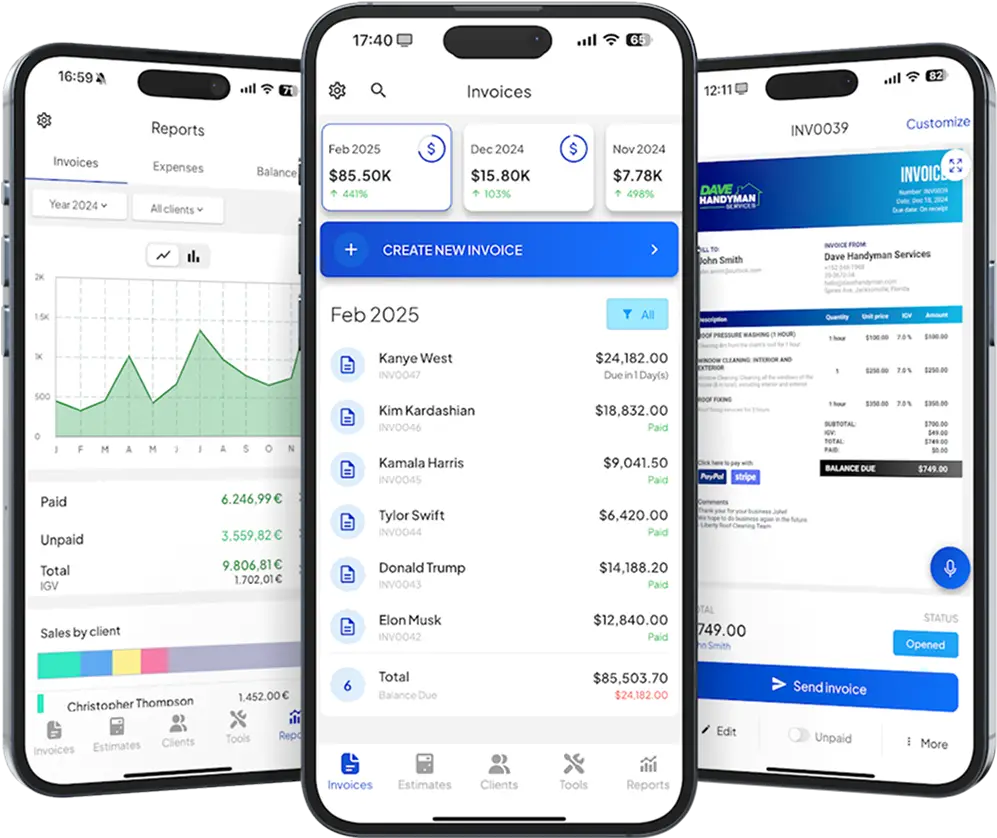
If you’re managing multiple cleaning subcontractors, speed and organization matter. Our estimates app allows you to generate professional cleaning estimates quickly, ensuring every contractor job starts with clear pricing and scope.
What a Cleaning Contractor Owns
A true cleaning contractor owns and manages their business assets, including:
- Cleaning equipment and supplies
- Transportation
- Insurance coverage
- Contracts and service agreements
- Pricing structure
They also control their financial records. Strong bookkeeping ensures income, expenses, and subcontractor payments are tracked correctly.
Insurance is critical. Proper cleaning business insurance (including general liability and workers’ compensation) protects against property damage claims and workplace injuries.
Contractors must also choose an appropriate business structure, such as sole proprietorship or LLC, to manage liability and taxes properly.
Why You Need a Cleaning Contractor
Businesses hire cleaning contractors for flexibility and expertise.
Instead of managing in-house janitors, companies can outsource janitorial services to a contractor who:
- Provides trained staff
- Supplies equipment
- Maintains consistent schedules
- Handles quality control
This reduces administrative burden while maintaining professional cleaning standards.
For commercial property managers, outsourcing also simplifies vendor management and contract renewal processes.
Benefits of Hiring a Cleaning Contractor
Hiring a cleaning contractor offers:
- Predictable monthly costs
- Professional-grade equipment
- Reduced HR responsibility
- Scalability
Contract cleaning also allows businesses to adjust service frequency as needs change.
For example, post construction cleanup may require short-term scaling, while daily janitorial services require long-term consistency.
What Are Subcontractors in the Cleaning Industry?

Cleaning sub contractors are independent cleaners or small cleaning businesses hired by a primary contractor to complete part of a service agreement. Instead of working directly for the end client, they perform cleaning subcontractor work under the main company’s contract.
For example, a commercial cleaning company may win a large office cleaning contract but subcontract floor care or post-construction cleanup to specialists. This allows the primary contractor to deliver full-service solutions without hiring additional employees.
Subcontracting is common among commercial cleaning companies that subcontract in order to:
- Reduce payroll and benefit costs
- Expand into new territories
- Take on larger contracts
- Offer specialty services such as deep cleaning or window cleaning
However, subcontractors must operate as true independent businesses. They typically:
- Set their own work methods
- Provide their own equipment and supplies
- Maintain separate insurance coverage
- Invoice the primary contractor for completed work
Improper classification can create serious legal risk. The U.S. Department of Labor’s guidance on worker misclassification explains that labeling employees as contractors without meeting independence standards can result in back wages, tax liabilities, and penalties.
To avoid compliance issues, cleaning subcontractors should have:
- A written cleaning subcontractor agreement
- Their own business registration
- Liability insurance
- Control over how and when work is performed
When structured correctly, subcontracting provides flexibility and scalability. When structured poorly, it can create financial and legal exposure.
Pros of Using Subcontractors in Your Cleaning Business
Reduced Overhead Costs
No payroll taxes, benefits, or workers’ compensation for employees.
Scalability During Demand Peaks
Easily take on post-construction cleanup or seasonal contracts.
Easily Expand Your Service Area
You can grow into new neighborhoods by partnering with subcontractors who already operate there. Clearly defining your service area supports organized expansion.
Cons of Using Subcontractors in Your Cleaning Business
Less Control Over Quality
Subcontractors operate independently, which can affect brand consistency.
Potential for Client Poaching
Without a strong contract agreement, subcontractors may attempt to work directly with clients.
Higher Costs for Skilled Work
Experienced subcontractors may charge higher rates.
Potential Penalties for Mislabeling Workers
Failure to comply with labor laws can trigger audits or fines.
Brand Consistency Challenges
Uniform procedures and communication standards must be enforced.
Subcontractors in Cleaning: Pros vs Cons at a Glance
| Advantages of Using Subcontractors | Challenges of Using Subcontractors |
| Lower Fixed OverheadNo payroll taxes, employee benefits, or workers’ compensation costs tied to in-house staff. | Reduced Quality ControlIndependent contractors may follow their own processes, which can affect service consistency. |
| Flexible ScalabilityTake on post-construction cleanup, seasonal spikes, or large contracts without permanently increasing payroll. | Risk of Client PoachingWithout strong agreements, subcontractors may attempt to work directly with your clients. |
| Faster Geographic ExpansionPartner with subcontractors already operating in nearby areas to grow your service footprint. | Higher Per-Job CostsExperienced subcontractors often charge premium rates for specialized work. |
| Specialized Skill AccessBring in experts for carpet cleaning, floor care, or deep cleaning without hiring full-time specialists. | Worker Misclassification RiskImproper classification can lead to audits, penalties, or back taxes. |
| Reduced Administrative BurdenLess HR management and fewer employment compliance obligations. | Brand Consistency ChallengesMaintaining uniform procedures and communication standards requires clear oversight. |
When Should You Consider Using Subcontractors?
Subcontractors make sense when:
- You exceed capacity
- You expand into new territories
- You secure large commercial contracts
- You handle specialty services like window cleaning
Before pricing subcontractor jobs, understand how much house cleaners make to ensure fair and competitive pay structures.
Best Practices for Managing Subcontractors Effectively

To maintain professionalism:
- Use written cleaning subcontractor agreements
- Define service standards clearly
- Protect your client relationships
- Monitor quality regularly
Accurate pricing also matters. Using a house cleaning cost calculator helps you price subcontracted jobs based on labor, materials, and margin targets.
When billing clients, sending invoices immediately improves cash flow. Our invoice maker allows contractors to generate professional invoices and accept payments quickly.
Build a Sustainable Cleaning Contractor Business
Understanding cleaning contracting is only the first step. Long-term success depends on how you structure contracts, manage subcontractors, control costs, and protect your margins.
Professional cleaning contractors win better contracts when they:
- Use clear service agreements
- Protect themselves with proper insurance
- Track income and expenses accurately
- Price jobs based on real labor and overhead costs
- Send estimates and invoices promptly
Managing multiple jobs, subcontractors, and invoices manually increases the risk of missed payments and disorganized operations. Using cleaning business software helps you create estimates, manage contracts, schedule crews, and invoice clients from one platform.