
What Does an Electrical Contractor Do?
Table of Contents
Whether you’re new to the trades or researching what kind of work electrical contractors do before launching your own business, one thing is clear: electrical contracting involves a lot more than just running wire. Electrical contractors manage projects, oversee installations, hire electricians, and ensure compliance with safety codes.
From residential wiring to commercial electrical services, knowing how much to charge, obtaining the proper licenses, and marketing your services effectively is critical. In this guide, we’ll break down what electrical contractors do, how much they earn, and best practices for running a profitable electrical contracting business.

What Is an Electrical Contractor?
An electrical contractor is a licensed business or individual that specializes in designing, installing, and maintaining electrical systems. This includes everything from wiring a single-family home to managing the full electrical build-out of a commercial office building or industrial facility. Electrical contractors don’t just do the hands-on work—they manage projects, hire and supervise electrical workers, source materials, pull permits, and take legal responsibility for ensuring all work meets safety codes.
There are four main types of electrical contractors, each serving a different part of the market:
- Residential electrical contractors – Focus on homes, apartments, and small buildings. Common work includes new construction wiring, panel upgrades, and lighting installation.
- Commercial electrical contractors – Work in office buildings, retail spaces, restaurants, and schools. Projects tend to be larger and more complex, with tighter code requirements.
- Industrial electrical contractors – Handle high-voltage systems, machinery wiring, and electrical infrastructure in factories and manufacturing plants. This covers everything from civil electrical work to large industrial builds.
- Low-voltage contractors – Specialize in fire alarms, security cameras, telecommunications, and data cabling. For a broader look at the full range of work in this field, see our guide to electrical services.
If you’re thinking about launching your own operation, our guide on how to start an electrical business is the right place to begin.
What’s the Difference Between an Electrical Contractor and an Electrician?
An electrician is a licensed tradesperson who performs hands-on electrical work. An electrical contractor is a business entity—often owned by a master electrician—that employs electricians to carry out work under a formal contract. Here’s a quick breakdown:
| Electrician | Electrical Contractor | |
| Typical work | Installs, repairs, and maintains wiring and systems | Plans, manages, and oversees full electrical projects |
| Can pull permits? | Usually no (depends on state) | Yes, with a contractor’s license |
| Who holds the contract? | Works under a contractor | Holds the contract directly with the client |
| Legally responsible for the work? | No | Yes |
| Hires other electricians? | No | Yes |
In short: all electrical contractors have electrical training, but not all electricians are contractors. The contractor manages the whole project: estimating the job, hiring the crew, ordering materials, scheduling inspections, and ensuring everything is completed on time and within budget.
What Electrical Contractors Do Day-to-Day
The day-to-day responsibilities of an electrical contractor vary based on the size of the business and the types of projects they take on. Core responsibilities include:
- Project planning and estimation – Reviewing project specs, calculating material and labor costs, and submitting competitive bids. A free electrical estimate template helps you present quotes clearly and win more jobs.
- System design – Working from architectural drawings to plan electrical layouts, load calculations, and circuit designs.
- Installation and oversight – Supervising or directly performing the installation of wiring, panels, fixtures, conduit, and equipment. Having the right electrical tools is essential for every job.
- Code compliance – Ensuring all work meets the National Electrical Code (NEC) and local jurisdiction requirements.
- Permit management – Applying for and managing electrical permits, coordinating inspections, and obtaining sign-offs. Our guide on electrical inspection costs breaks down what to expect at each stage.
- Client communication – Keeping homeowners, general contractors, and project managers informed throughout the job.
- Business operations – Managing invoices, payroll, scheduling, and subcontractors. Using an invoice maker keeps billing professional and organized from day one.

Electrical Contractor Job Requirements
Becoming a licensed electrical contractor involves more than years of field experience. Most states require a combination of formal education, hands-on training, and passing a licensing exam. Here’s a breakdown of what it takes.
Skills
Successful electrical contractors need both technical and business skills. On the technical side, that means mastery of electrical systems, the NEC, blueprint reading, and safety procedures. On the business side, you need to estimate jobs accurately, manage a crew, communicate clearly with clients, and keep your finances in order. Strong problem-solving skills are essential—no two job sites are identical.
Training and Education
Most electrical contractors start their careers as apprentice electricians, completing a 4–5 year apprenticeship that combines paid on-the-job training with classroom instruction. From there, they work as journeyman electricians before pursuing a master electrician license. For a full look at this career path, see our guides on how to become an electrician, the journeyman electrician level, and the electrical technician role.
Licensing Requirements
Licensing requirements vary by state, but most require electrical contractors to:
- Hold a master electrician license
- Pass a contractor licensing exam in the appropriate license class
- Carry general liability insurance and workers’ compensation
- Register their business with the state (some states also require a surety bond)
For a full state-by-state breakdown, see our guide on how to get an electrical license. Getting properly covered is equally important—see our overview of electrician insurance to understand what coverage you need.
Salary
According to the BLS, the median annual wage for electricians is $61,590. Electrical contractors who own their own electrical companies typically earn more, with pay scaling based on business size, location, and the mix of residential, commercial, and industrial projects they take on. For a detailed breakdown of earnings at each stage of the career, visit our guide on how much electricians make.
Job Outlook
The outlook for electrical contractors is strong. According to the BLS, employment for electricians is projected to grow 11% over the next decade, much faster than the average for all occupations. Related roles—such as line installers and repairers—are also seeing strong demand, driven by energy infrastructure investment and grid expansion. Overall, demand is being fueled by construction activity, EV infrastructure buildout, renewable energy projects, and aging electrical systems in older buildings that need upgrading.

How Much Does an Electrical Contractor Make?
Running your own electrical contracting business unlocks the highest earning potential in the field, but it also comes with overhead: insurance, equipment, vehicles, marketing, and payroll. Your actual take-home will depend on your market, your project mix, and how efficiently you run your operation. The BLS median is a useful benchmark for employed electricians, but self-employed contractors who build a strong client base and manage costs well can earn significantly more. See our full breakdown in how much electricians make.
How Much Should an Electrical Contractor Charge Per Hour?
Hourly rates for electrical contractors vary widely by region, experience, and the type of work involved. Residential service work tends to sit at the lower end of the range, while commercial and industrial electrical contracting commands higher rates due to project complexity, permitting requirements, and crew size. Specialty work—like EV charger installation, solar hookups, or high-voltage industrial systems—can push rates higher still.

When setting your rate, factor in your local market, your overhead costs per billable hour, the complexity and risk level of the work, and your credentials and experience. Many contractors combine hourly rates for service calls with flat-rate pricing for standard installations. For a full breakdown of how to structure your pricing, see our guide on how to price residential electrical work.
Your professional image matters too. Branded truck lettering, a clean uniform, professional estimates, and strong Google reviews all signal credibility before you ever step on a job site—and they support the rates you charge. Check our guide on electrical SEO to make sure clients can find you online in the first place.
Conclusion
Electrical contracting is one of the most in-demand and financially rewarding paths in the skilled trades. Understanding the full scope of what an electrical contractor does—from project management and compliance to client communication and pricing—sets you up for long-term success.
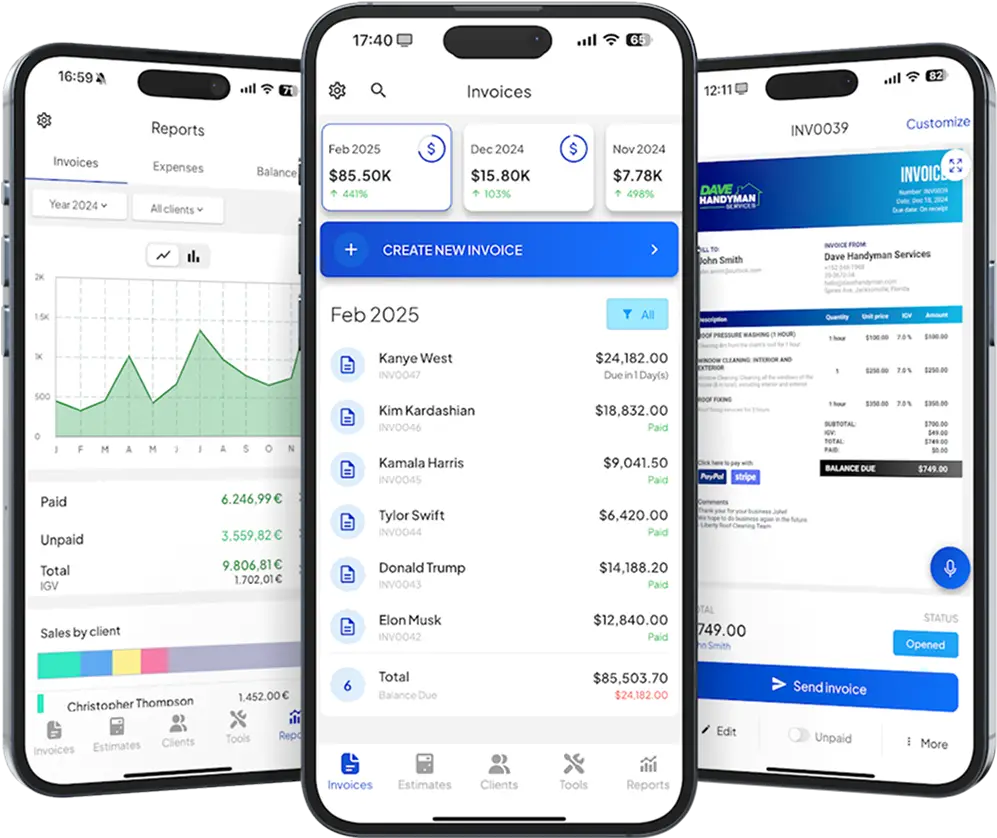
Once jobs start flowing in, make sure your back office keeps up. Our electrical contractor software helps you send estimates, manage jobs, and collect payments from your phone. Use our free estimate generator to send professional quotes that win more work, and revisit our complete guide on how to start an electrical business for the full roadmap.