
How to Start a General Contracting Business in 10 Steps
Table of Contents
- Step 1: Gain Experience in the Construction Industry
- Step 2: Weigh the Pros and Cons of Starting a General Contracting Business
- Send Invoices in Seconds
- Step 3: Create a Detailed Business Plan for Starting a General Contracting Business
- Step 4: Choose and Register Your Business Name
- Step 5: Choose a Legal Structure and Register Your GC Business
- Step 6: Obtain Licenses, Bonds, and Insurance
- Step 7: Open a Business Bank Account and Set Up Accounting
- Step 8: Purchase Equipment and Build Your Team
- Step 9: Develop Your Brand and Online Presence
- Step 10: Find Customers and Start Bidding on Projects
- Conclusion
- Send Invoices in Seconds
- FAQs About Starting a Business as a General Contractor
Starting a general contracting business takes more than just construction know-how. You’re looking at licensing requirements, insurance policies, legal paperwork, and building a solid business plan. If you’re wondering how to start a general contracting business, the path involves gaining real industry experience, registering your company properly, securing the right bonds and insurance, and building a network of reliable subcontractors.
With smart planning and the right systems, you can turn your construction skills into a profitable general contractor business. In this guide, you will learn how to do it step by step.

Step 1: Gain Experience in the Construction Industry
Before starting a contracting business, make sure you have solid hands-on experience. Most states require at least four years of journey-level experience to qualify for a general contractor license. Those years teach you how construction projects actually work from start to finish.
Why Hands-On Experience Matters
Time on job sites is where you really learn. You figure out how to read blueprints, estimate materials accurately, manage timelines, and handle the inevitable problems that pop up. You also build relationships with subcontractors and suppliers who can become trusted partners when you launch your business. Experience helps you spot potential issues early and avoid costly mistakes that can sink a new company.
Understanding Contractor Responsibilities
As a general contractor, you’re responsible for everything. Understanding what a contractor does means more than managing construction. Your contractor responsibilities include hiring subcontractors, ordering materials, keeping projects on schedule, ensuring safety compliance, and communicating with clients. You’ll read contracts, manage budgets, resolve disputes, and make sure projects meet building codes.
Working with Construction Companies and Managers
One of the smartest moves? Pay attention while working for established construction companies. Watch how construction managers handle client relationships, bid on jobs, and stay profitable. Notice their systems for tracking expenses, managing schedules, and communicating with teams. These operational details matter just as much as your technical skills when you’re running your own general contracting company.

Step 2: Weigh the Pros and Cons of Starting a General Contracting Business
Starting a general contracting business offers real rewards, but it’s not without challenges. Take an honest look at both sides before you commit.
On the upside, you control your schedule and choose your projects. You keep the profits and build equity in something that can grow in value. The construction industry sees steady demand for renovations and building construction, creating genuine opportunity.
The downsides? Income can be unpredictable at first. You’ll deal with difficult clients, weather delays, and unexpected problems. You need significant capital for licensing, insurance, equipment, and operating expenses before your first paid project. Construction accidents can lead to expensive lawsuits, and competing with established construction contractors for jobs gets tough when you’re new.
Talk to other contractors about their experiences. Make sure you have the financial cushion, risk tolerance, and determination to push through the hard parts.
Step 3: Create a Detailed Business Plan for Starting a General Contracting Business
A solid building contractor business plan guides your decisions and helps you secure financing. Your business plan should outline your vision, identify your target market, and project your financial needs.
What to Include in Your Business Plan
Include an executive summary, company description, market analysis, marketing strategy, organizational structure, and financial projections. Your plan should demonstrate you understand your local construction industry and have a clear path to profitability.
Define Your Services (Renovations, Building Construction, etc.)
Get specific about which services you’ll offer. Will you focus on residential or commercial projects? Will you specialize in new building construction, renovations, or both? Starting with a focused niche helps you build expertise and reputation faster. You can always expand your services as your construction firm grows.
Identify Your Target Market
Define who your ideal clients are. Are you targeting homeowners, property managers, real estate investors, or commercial building owners? Understanding your target market shapes your marketing strategy and pricing structure.
Startup Costs and Funding Requirements
Calculate how much capital you need to launch. According to the SBA, typical startup costs include licensing fees ($500 to $3,000), insurance ($3,000 to $10,000 annually), equipment ($5,000 to $50,000), marketing ($2,000 to $5,000), and working capital. Most contractors need $20,000 to $100,000 to start construction with proper coverage.
Here’s how those costs typically break down:
| Expense Category | Estimated Cost Range | Notes |
| Licensing Fees | $500 – $3,000 | Varies by state |
| Surety Bond | $500 – $3,000/year | Based on credit score |
| Insurance | $3,000 – $10,000/year | Liability + workers’ comp |
| Equipment | $5,000 – $50,000 | Depends on specialty |
| Marketing | $2,000 – $5,000 | Website, branding, ads |
| Working Capital | Varies | Covers gaps between payments |
Ongoing Operating Costs
Budget for regular expenses including insurance renewals, license renewals, vehicle maintenance, tool replacement, marketing, accounting services, and working capital for slow periods between projects. Many contractors fail because they underestimate their cash flow needs. Using reporting software helps you track expenses and maintain profitability across multiple projects.
Revenue Projections and Profit Margins
Project realistic revenue based on your local market. General contractors typically mark up labor and materials by 10% to 30% depending on project complexity. Your profit margin needs to cover overhead costs and provide reasonable returns.
Step 4: Choose and Register Your Business Name
When starting a general contracting business, the name you choose represents your brand and affects how clients perceive you. Choose a name that is professional, memorable, and reflects your services as a general contractor.
Checking Business Name Availability
Search your state’s business registry to ensure your preferred name is available. Consider names that clearly communicate what you do, like “Smith Building Construction” or “Precision Renovations.”
Securing a Domain Name
Check if your preferred name is available as a web domain. Register it even if you’re not ready to build a website immediately. This protects your name and costs only $10 to $20 per year.
Step 5: Choose a Legal Structure and Register Your GC Business
Your business structure affects your liability protection, tax obligations, and administrative requirements.
Sole Proprietorship vs. LLC vs. Corporation
A sole proprietorship is simplest but offers no liability protection. An LLC separates your personal assets from business liabilities. If someone sues your general contracting business, they typically cannot access your personal savings or home. Corporations offer the strongest protection but involve more complexity. Most small contractors choose sole proprietorship or LLC.
What Is the Best Legal Structure for Starting a General Contracting Business?
Most contractors benefit from forming an LLC. The liability protection justifies the modest additional cost and paperwork. Construction projects carry inherent risks, and an LLC helps protect your personal assets. Register your business with your state and obtain an Employer Identification Number from the IRS.

Step 6: Obtain Licenses, Bonds, and Insurance
Proper licensing and insurance protect you, your clients, and your general contracting business. Requirements vary by state and locality.
General Contractor License Requirements
Most states require general contractors to hold a valid license. Licensing typically requires proof of experience, passing exams, and demonstrating financial responsibility. Requirements differ significantly by state. For example, Michigan builders license rules differ from other states. The licensing process typically takes several months. Learn more about how to become a general contractor in your state.
Surety Bonds
A surety bond guarantees you will complete contracted work properly. Many states require bonds ranging from $10,000 to $100,000. Bond costs typically range from 1% to 3% of the bond amount annually, depending on your credit score and financial strength.
General Liability Insurance and Workers’ Compensation
General liability insurance covers property damage and bodily injury during your work. Workers’ compensation is required if you hire employees. According to the Occupational Safety and Health Administration (OSHA), construction has one of the highest injury rates of any industry, making proper insurance coverage essential. Never skip insurance to save money—one accident without coverage can bankrupt your business.
Step 7: Open a Business Bank Account and Set Up Accounting
Separating your general contracting business and personal finances simplifies accounting, protects your liability protection, and makes tax filing easier.
Separating Personal and Business Finances
Open a dedicated business checking account using your EIN. Run all business income and expenses through this account. Never mix personal and business transactions. Mixing funds can invalidate your LLC protection.
Construction Accounting Basics
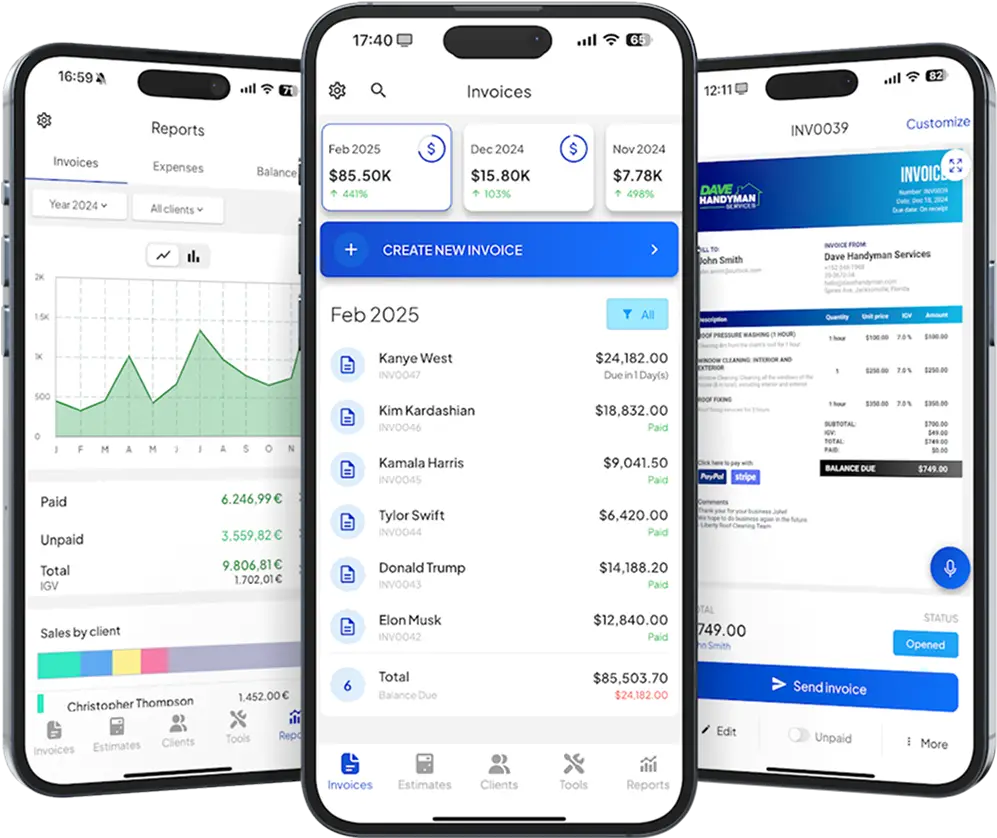
Construction accounting differs because of job costing. Track income and expenses for each project separately to understand profitability. Create professional invoices using an invoice maker to ensure timely payment. Clear, detailed invoices reduce payment delays. Consider using invoice payments features to make it easier for clients to pay you quickly.
Step 8: Purchase Equipment and Build Your Team
You need reliable tools and skilled workers to complete quality projects on time and within budget.
Essential Tools and Equipment
Start with essential tools for your specialty. Buy quality tools that last, and rent expensive equipment for specific projects. Establish vendor relationships at major suppliers. Whether you choose Lowes vs Home Depot for supplies, contractor accounts help you get materials quickly. Some contractors appreciate Home Depot benefits like dedicated contractor services and rewards programs.
Hiring and Managing Subcontractors
Most general contractors work with subcontractors for specialized work like electrical, plumbing, and HVAC. Build relationships with skilled, licensed subcontractors before you need them. Your reputation depends on their work quality. Manage subcontractors with clear contracts and pay them promptly. Use an estimates app to create professional estimates that include subcontractor costs.
Step 9: Develop Your Brand and Online Presence
Strong branding and marketing help you stand out from competitors and attract clients.
Creating a Professional Brand Identity
Your brand includes your business name, logo, colors, and the overall impression you create. Professional branding signals credibility to potential clients. Invest in a professional logo and consistent visual identity across all materials.
Building a Website and Social Media Presence
A professional website is essential for credibility. Your site should showcase your services, completed projects, and testimonials. Make sure it works well on mobile devices. Create business profiles on social media platforms where your target clients spend time. Consider adding a client portal where customers can view project details, invoices, and payment history.
Marketing Strategies to Find Your First Clients
Finding your first clients requires proactive marketing. Tell everyone about your new business and ask for referrals. Join networking groups and attend industry events. Connect with real estate agents, property managers, and architects. List your business on online directories like Google Business Profile and encourage satisfied clients to leave reviews. Building expertise in general contracting helps you market your services with confidence.

Step 10: Find Customers and Start Bidding on Projects
With your general contracting business established, it’s time to pursue projects and win clients.
Networking in the Construction Industry
Building relationships is crucial to how to be a successful contractor. Attend construction association meetings, home shows, and community events. Develop partnerships with architects, engineers, designers, and real estate professionals. Stay in touch with past clients who are your best source of repeat business and referrals.
Winning Bids and Writing Strong Proposals
Accurate estimates help you win profitable projects. Visit each job site to assess scope and calculate costs precisely. Include all materials, labor, permits, and contingencies. Create detailed proposals explaining your approach, timeline, and payment terms. Use a free estimate generator to create professional estimates. Compete on quality and service rather than price alone. Follow up promptly after submitting proposals.
Conclusion
Starting a general contracting business takes careful planning, significant investment, and hard work. By following these ten steps, you build a strong foundation for success in the construction industry. Gain experience, create a solid business plan, obtain proper licensing and insurance, and build relationships with reliable subcontractors. Invest in professional branding and marketing to attract clients. Price your services accurately and deliver quality work that generates referrals. With persistence and professionalism, you can build a thriving general contractor business that provides excellent income and long-term security.