
Periodic Invoice: Automate Your Invoices for Recurring Billing
Table of Contents
- What Is Recurring Billing?
- What Are the Benefits of Recurring Payments?
- Types of Recurring Billing
- Periodic Invoice vs One-Time Invoice
- Periodic Invoice vs Milestone Billing
- How to Set an Invoice Billing Period
- Invoice Payment Periods Explained
- Recurring Billing for Freelancers vs Contractors
- Managing Changes to Recurring Services
- Accounting and Recordkeeping for Periodic Invoices
- Common Mistakes With Periodic Invoicing
- Ready to Automate Your Periodic Invoices?
- FAQs about Billing Recurring Services
A periodic invoice is an invoice that’s automatically created and sent at regular intervals, such as weekly, monthly, or annually, for ongoing products or services. Instead of manually preparing invoices each billing cycle, businesses use periodic invoicing to automate recurring billing, reduce administrative work, and maintain predictable cash flow.
Periodic invoices are commonly used for subscriptions, retainers, utilities, maintenance contracts, and recurring services where billing follows a consistent schedule. For small business owners, freelancers, and finance teams, understanding how periodic invoicing works is key to getting paid on time and keeping finances organized.
This guide will cover:
- What recurring billing is and how periodic invoices work
- The difference between recurring payments and recurring invoices
- Benefits of recurring billing for cash flow and operations
- Types of recurring billing models and when to use each
- Periodic invoices vs one-time and milestone invoices
- How to set invoice billing periods and payment terms
- Best practices and common mistakes to avoid
Before we get into the details: managing recurring invoices manually becomes risky as your client base grows. Invoice Fly’s invoicing software lets you automate periodic invoices, apply consistent billing rules, and track payments in one place.
What Is Recurring Billing?
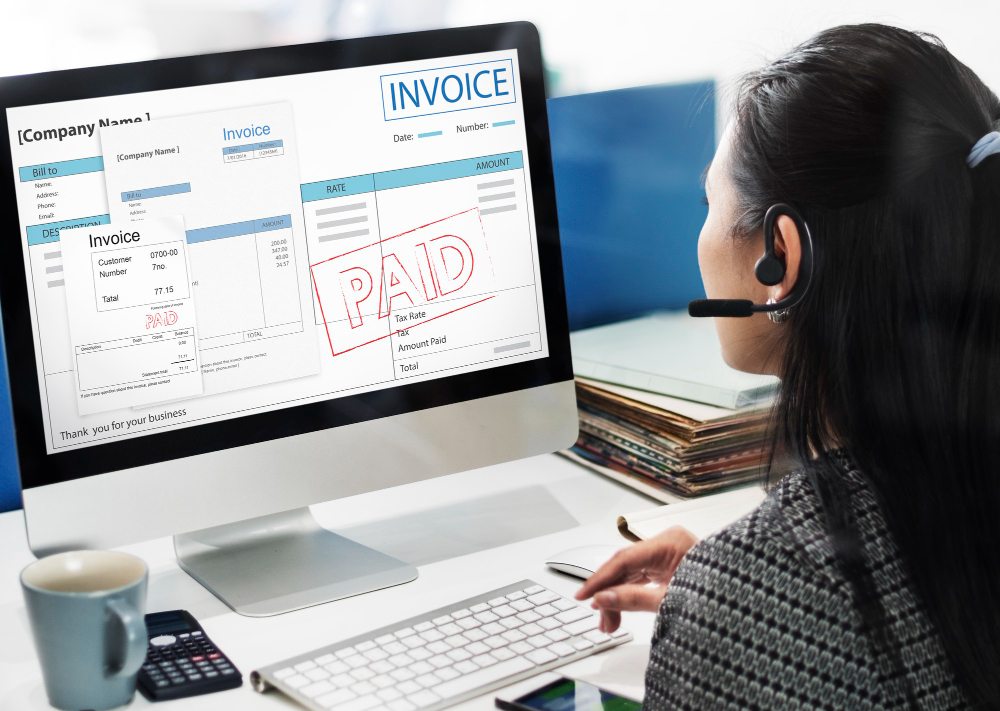
Recurring billing is a billing model where customers are charged automatically on a fixed schedule for ongoing services or repeat purchases. A periodic invoice is the formal invoice document generated during each billing cycle to record charges and request payment.
Recurring billing works best when:
- Services are delivered continuously
- Pricing is predictable or contract-based
- Clients expect regular billing
This model is widely used by freelancers, contractors, SaaS companies, agencies, and service providers who bill clients repeatedly over time.
What Are Recurring Payments?
Recurring payments are the actual payments collected on a repeating schedule. They may be automated (such as card-on-file charges) or manual (where the client pays each invoice when received).
Recurring payments are typically linked to:
- A service agreement
- A subscription plan
- An ongoing contract
While recurring payments focus on collecting money, periodic invoices focus on documenting and requesting payment.
Example of Recurring Payments
A marketing consultant charges a client $2,000 per month for ongoing services. Instead of creating a new invoice every month, the consultant sets up a periodic invoice that’s automatically sent on the first of each month with net-30 invoice payment terms. The client pays the invoice regularly, creating a predictable billing cycle for both sides.
What Are the Benefits of Recurring Payments?
Recurring billing combined with periodic invoices delivers clear benefits for businesses that bill clients regularly.
Flexibility and Convenience
Periodic invoices can be scheduled weekly, monthly, quarterly, or annually. This flexibility allows businesses to match billing frequency to how services are delivered.
Save Time
Automating recurring invoices removes repetitive admin work. Businesses no longer need to remember billing dates, re-enter line items, or manually send invoices. Pairing periodic invoices with automated invoicing further reduces errors and missed invoices.
Predictability
Recurring billing creates predictable revenue. Knowing when invoices go out and when payments are due makes it easier to forecast income and plan expenses.
Lower Transaction Costs
Consolidating charges into a single periodic invoice reduces processing time and transaction overhead, especially for businesses billing frequent or small amounts.
Improved Cash Flow
Consistent billing schedules improve payment reliability and help stabilize cash inflows. This is especially important for businesses facing cash flow problems or seasonal income fluctuations.
Improved Customer Retention
Clear, predictable billing builds trust. Clients know what to expect and are less likely to dispute charges, which supports long-term relationships.
Types of Recurring Billing

Not all recurring billing works the same way. The right structure depends on how predictable pricing and usage are.
Fixed Recurring Billing
Fixed recurring billing charges the same amount every billing cycle. This is the simplest and most common model.
Typical use cases include:
- Monthly subscriptions
- Retainers
- Flat-fee service contracts
Fixed billing works well when service scope and pricing rarely change.
Variable Recurring Billing
Variable recurring billing adjusts invoice amounts based on usage or activity during the billing period.
Examples include:
- Utility services
- Usage-based software pricing
- Hour-based recurring services
Periodic invoices consolidate variable charges into one invoice per billing period, making them easier for clients to review and approve.
Periodic Invoice vs One-Time Invoice
A one-time invoice is issued for a single transaction or completed project. It’s commonly used for fixed-scope work or milestone-based services.
A periodic invoice is designed for ongoing relationships where services repeat over time.
| Feature | Periodic Invoice | One-Time Invoice |
| Billing frequency | Repeating schedule | Issued once |
| Best for | Ongoing services | Single projects |
| Setup | Automated | Manual |
| Cash flow | Predictable | Irregular |
Businesses offering recurring services often transition from one-time invoices to periodic invoices as they scale.
Periodic Invoice vs Milestone Billing
Milestone billing invoices clients when specific project stages are completed. It’s common in construction, consulting, and long-term projects.
Periodic invoices differ in that they bill based on time periods, not project progress.
Milestone billing works best when:
- Deliverables are clearly defined
- Projects have distinct phases
Periodic invoices work best when:
- Services are continuous
- Billing is time-based
Some businesses use both models depending on the service type.
How to Set an Invoice Billing Period
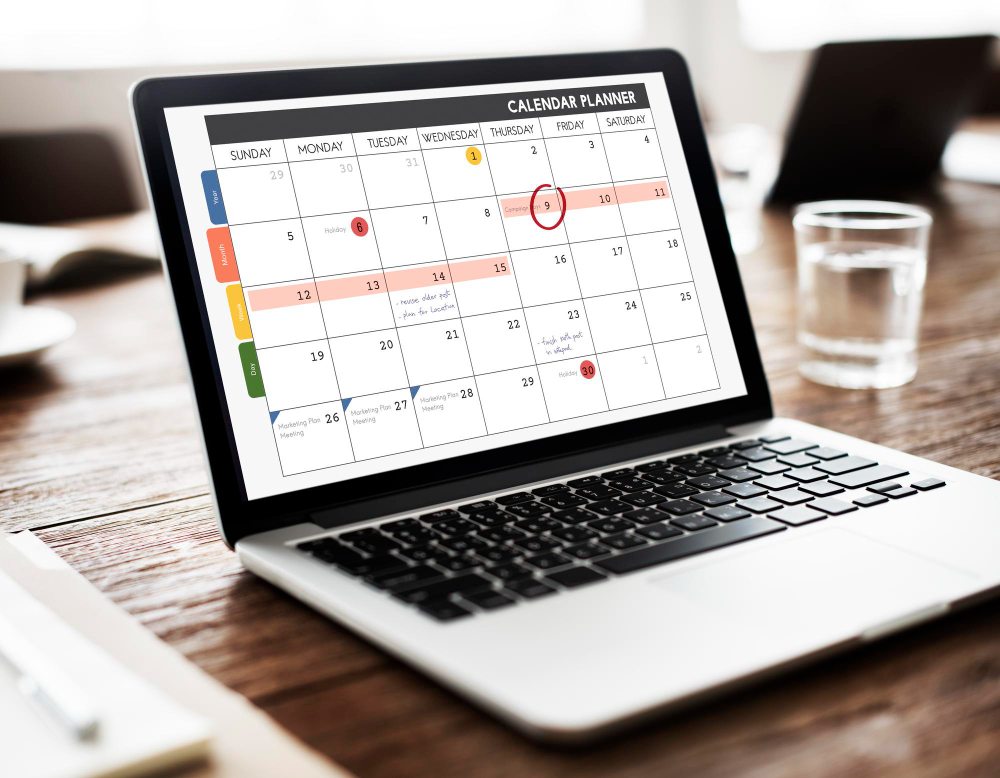
The invoice billing period defines the timeframe covered by a periodic invoice. Choosing the right billing period affects cash flow and client satisfaction.
Common billing periods include:
- Weekly (useful for high-frequency services)
- Monthly (most common for retainers and subscriptions)
- Quarterly (often used for maintenance or advisory services)
- Annually (common for prepaid plans)
Shorter billing periods improve cash flow but increase invoice volume. Longer periods reduce admin work but may delay payments.
Invoice Payment Periods Explained
The invoice payment period defines how long a client has to pay after receiving an invoice.
Common payment terms include:
- Net 7
- Net 15
- Net 30
Shorter payment periods improve cash flow but may require stronger client relationships. Longer periods may be necessary for enterprise clients but increase exposure to late payments.
Clear payment terms combined with payment reminders help reduce overdue invoices.
Recurring Billing for Freelancers vs Contractors
Recurring billing looks different depending on the business model.
Freelancers
Freelancers often use periodic invoices for:
- Monthly retainers
- Ongoing creative or consulting services
Clear scope definitions and regular reviews help prevent disputes.
Contractors
Contractors use periodic invoices for:
- Maintenance agreements
- Scheduled inspections
- Ongoing service contracts
Because costs fluctuate, contractors often combine periodic invoices with detailed documentation and strong cash flow management practices.
Managing Changes to Recurring Services

Recurring services change over time. Prices increase, scope shifts, or services pause.
Best practices include:
- Reviewing recurring invoices regularly
- Updating pricing promptly
- Communicating changes before the next billing cycle
- Aligning invoices with your cancellation policy
Failing to update periodic invoices is a common source of billing errors.
Accounting and Recordkeeping for Periodic Invoices
The IRS expects businesses to keep detailed records of recurring transactions, including invoice dates, billing periods, and payments received. Periodic invoices must be recorded accurately to maintain clean financial records.
They affect:
- Revenue recognition
- Accounts receivable
- Cash flow reporting
Following consistent journal entry practices ensures recurring invoices are reflected correctly in your income statement and cash flow reports. Accurate records also support small business bookkeeping and tax compliance.
Common Mistakes With Periodic Invoicing
Even automated systems can fail if they aren’t reviewed regularly. Periodic invoicing works best when billing rules, pricing, and service details stay aligned with what’s actually being delivered.
Common mistakes include:
- Forgetting to update pricing or scope: When services expand or rates change but invoices stay the same, underbilling or disputes can follow.
- Using unclear billing descriptions: Vague line items make it harder for clients to understand charges and increase the risk of delayed payments or questions.
- Mismatched billing and payment periods: Billing monthly while allowing long payment terms can strain cash flow and create confusion around due dates.
- Over-automating without review: Automation saves time, but unchecked invoices can continue sending outdated or incorrect charges.
Regularly reviewing recurring invoices and confirming they reflect current agreements helps prevent small errors from becoming ongoing billing problems.
Ready to Automate Your Periodic Invoices?
Periodic invoices are one of the most effective ways to streamline recurring billing, improve cash flow, and reduce admin work. When set up correctly, they create consistency for both you and your clients.Invoice Fly’s duplicate invoices,instant pay, and client portal make managing recurring services simple for contractors focusing on work and not chasing payments.