
What Is a Plumbing Technician? Jobs, Salary & Training Guide
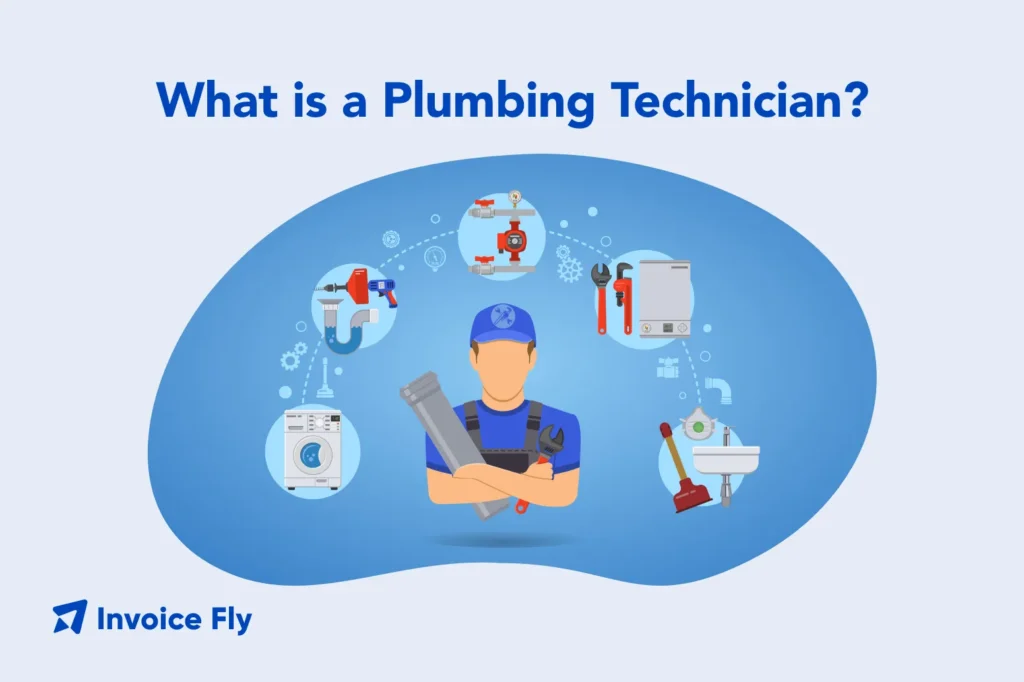
Table of Contents
A plumbing technician is a skilled professional who installs, maintains, and repairs plumbing systems in residential, commercial, and industrial settings. From using specialized tools to troubleshooting water, gas, and drainage systems, plumbing technicians ensure everything runs safely and efficiently.
This guide covers the roles, salary, training, and career paths for plumbing technicians, helping you understand what it takes to succeed in this essential trade.
What Is a Plumbing Technician?
A plumbing technician is a trained trade professional who works on the systems that move water, gas, and waste through buildings. They handle everything from routine maintenance and leak repairs to full system installations in new construction. Most plumbing technicians work under the supervision of a licensed plumber early in their careers, though many eventually earn their own licenses and advance into senior roles.
The role is hands-on and highly technical. You’ll need to read blueprints, understand local building codes, work safely with gas lines, and solve problems quickly — often in tight spaces under time pressure.
Plumbing Technician vs Plumber
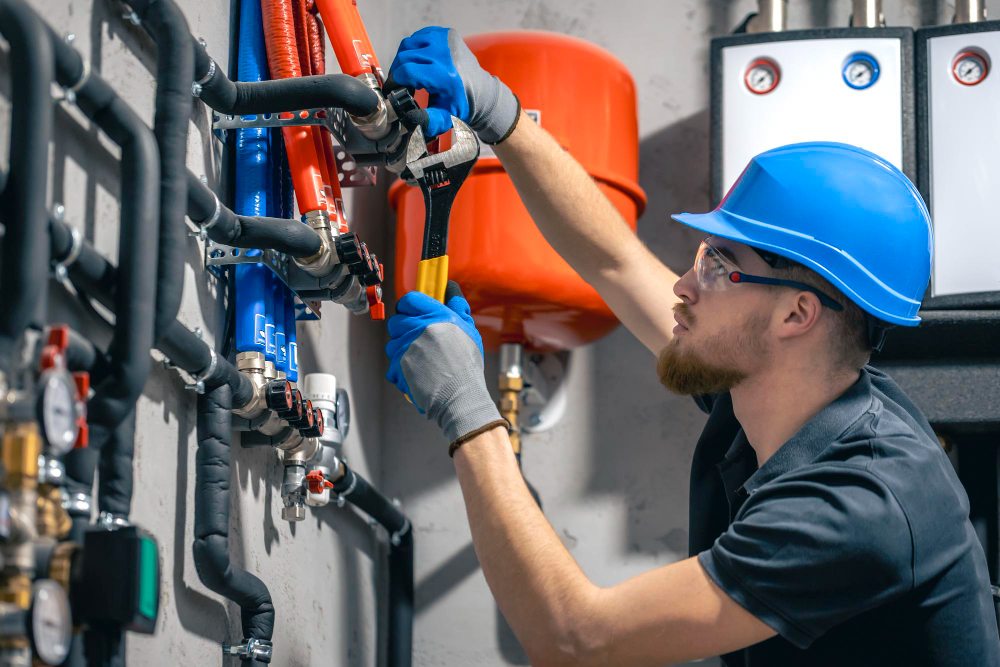
People often use these terms interchangeably, but there’s a practical distinction. A plumbing technician typically refers to someone in the earlier stages of their career — trained and capable, but still working toward full licensure. A licensed plumber has completed a formal apprenticeship and passed a state licensing exam, allowing them to pull permits, run jobs independently, and take on greater legal responsibility for the work.
| Category | Plumbing Technician | Licensed Plumber |
| Typical stage | Early-career / gaining hours | Fully licensed |
| Can pull permits? | Usually no | Yes (varies by state) |
| Works independently? | Often supervised | Can run jobs |
| Responsibility | Task-level | Legal + job oversight |
Think of it this way: all licensed plumbers started as plumbing technicians, but not all plumbing technicians are yet licensed plumbers. If you’re building toward full licensure, check out our guide on how to become a plumber for a step-by-step breakdown. For a complete picture of launching your own operation, our guide on how to start a plumbing business covers everything from day one.
Plumbing Technician Job Description
A plumbing technician job description covers a wide range of tasks depending on whether the work is residential, commercial, or industrial. Day-to-day responsibilities typically include:
- Installing, repairing, and maintaining pipes, fixtures, and fittings
- Diagnosing leaks, blockages, and pressure problems
- Reading and interpreting blueprints and technical drawings
- Connecting plumbing systems to water mains, sewer lines, and gas supply
- Testing systems for proper function and code compliance
- Performing routine maintenance on water heaters, pumps, and drainage systems
- Communicating with clients about the scope of work and issues found
- Keeping accurate records of materials used and work completed
On commercial plumbing jobs, technicians may work alongside HVAC technicians and other contractors as part of a larger build-out team. Industrial settings add another layer of complexity with large-scale pipe systems, chemical handling, and stricter safety protocols.
What Does a Plumbing Technician Do?
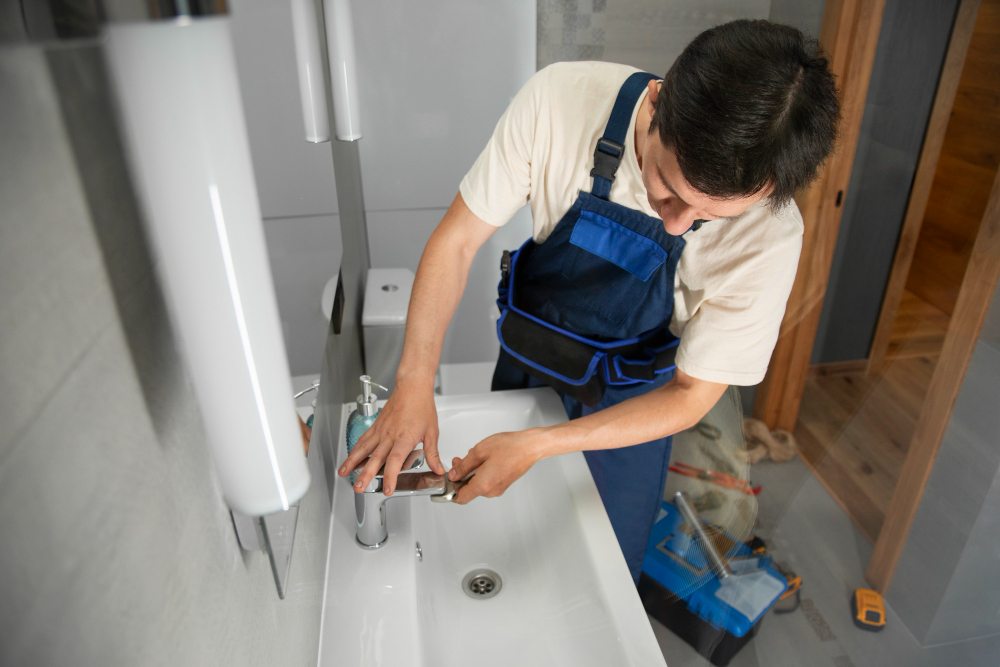
On any given day, a plumbing service technician might replace a water heater in a home, inspect a drainage system at a commercial property, and troubleshoot low water pressure in an apartment unit. The variety is one of the things people love about the trade — no two days are exactly alike.
Core tasks include:
- Residential plumbing — fixing leaky faucets, unclogging drains, replacing toilets, installing water heaters, and repiping older homes
- Commercial plumbing — maintaining restroom facilities, servicing large water heaters and boilers, and managing drainage in restaurants, hotels, and office buildings
- New construction — running pipe through walls and floors, connecting fixtures, and pressure-testing systems before walls are closed
- Emergency repairs — responding to burst pipes, gas leaks, and sewage backups, often outside normal business hours
Strong plumbing technicians are also good communicators. Explaining the problem clearly to a homeowner, providing an accurate estimate using a free plumbing estimate template, and following up after the job are just as important as the technical work. The right plumbing tools for each task make all of this faster and more professional.
How to Become a Plumbing Technician
There’s no single path into the trade, but most plumbing technicians follow one of these routes:
Trade School or Vocational Program — Many community colleges and trade schools offer plumbing technician programs that take 6 months to 2 years to complete. These cover pipe systems, blueprint reading, safety, and local codes, with hands-on lab work to simulate real job conditions.
Apprenticeship — A plumbing apprenticeship combines paid on-the-job training with classroom instruction, typically over 4 to 5 years. Apprentice plumbers earn a wage while learning — one of the most affordable ways to enter the trade. Apprenticeships are offered through union programs, contractor associations, and individual plumbing companies.
Entry-Level Employment — Some technicians start as plumber’s helpers or assistants, learning on the job while working toward formal training. This route takes longer but gets you earning right away.
Regardless of the path, most states require plumbing technicians to pass a licensing exam before working independently. Our guide on how to get a plumbing license walks through what’s required state by state.
Plumbing Technician Training
Formal plumbing technician training covers both theory and hands-on skills. A typical program includes pipe materials and joining methods, water supply and drainage system design, gas line installation and safety, blueprint reading, local plumbing codes and permit requirements, safety procedures and PPE, and basic business and customer service skills.
Programs like the Auburn University online plumbing technician course allow students to complete foundational training remotely before moving into hands-on work — an increasingly popular first step for career changers and those in areas without local trade schools.
After initial training, many technicians pursue continuing education in specialty areas like PEX installation, commercial plumbing, or HVAC plumbing systems to increase earning potential and expand their plumbing services.
Average Salary for Plumbing Technicians
Compensation varies based on experience, location, and whether you work for a company or run your own plumbing contractor business. According to the Bureau of Labor Statistics, the median annual wage for plumbers, pipefitters, and steamfitters was $62,970 as of May 2024, with the top 10% earning over $100,000 per year.
According to the Bureau of Labor Statistics, plumbers, pipefitters, and steamfitters earned a median pay of $62,970 per year ($30.27 per hour). Pay varies widely: the lowest 10% earned $39,740 or less, while the highest 10% earned $104,310 or more. Plumbing technicians early in their careers often start closer to the lower end of that range, then increase earnings as they gain hours, certifications, and licensure.
Location plays a big role too — plumbing technicians in high cost-of-living metro areas typically earn significantly more than those in rural markets. For a deeper look at earnings, check out our guide on how much plumbers make.
If you’re considering going out on your own, understanding how to price plumbing jobs is essential to staying profitable from day one.
Conclusion
A career as a plumbing technician offers solid pay, high demand, and a clear path to advancement. Whether you’re starting through a plumbing trade school program or apprenticeship, or you’re an experienced technician ready to branch out on your own, the opportunities in this trade are strong. Demand for skilled plumbing technicians stays strong because plumbing is essential in both homes and commercial buildings.
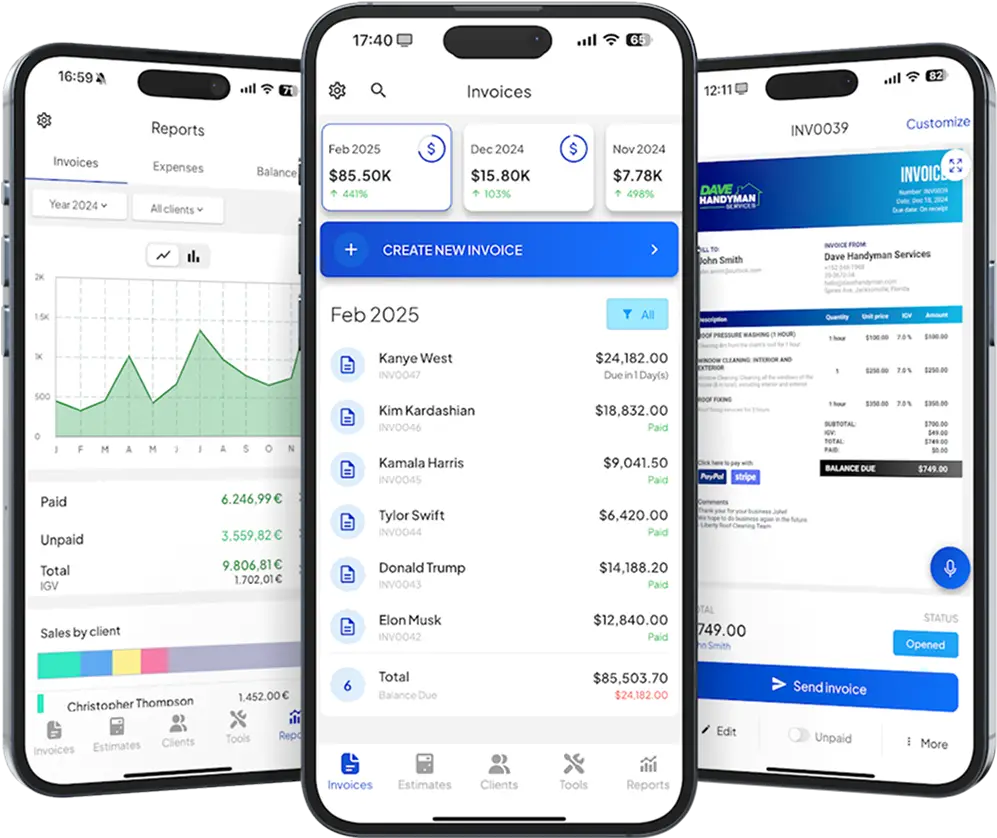
If you’re ready to launch your own plumbing business, our complete guide on how to start a plumbing business covers licensing, insurance, marketing, and pricing from the ground up. When jobs start coming in, use an invoice maker and plumbing software to look professional and get paid fast from every job you land.