
Termite Inspection: What It Includes & What Inspectors Look For
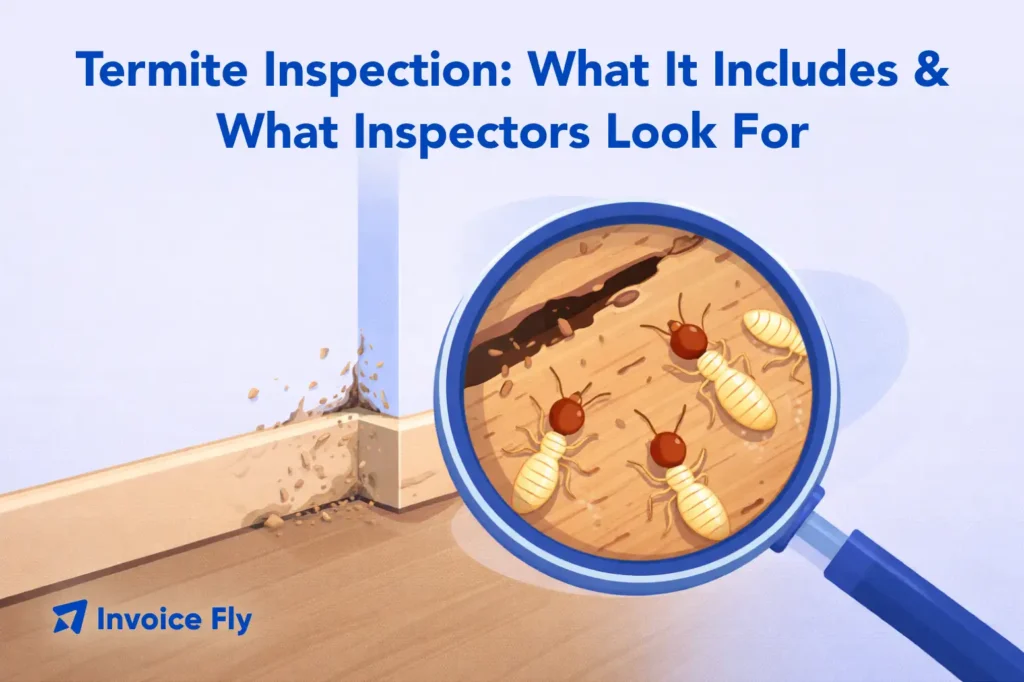
Table of Contents
- What is a Termite Inspection
- What a Termite Inspector Does
- When Do You Need a Termite Inspection
- How Do Pest Control Companies Check for Termites
- How to Prepare for a Termite Inspection?
- Why Termite Inspections Matter for Homeowners and Businesses
- Turn Inspection Findings Into Clear, Professional Estimates
- FAQs
A termite inspection is a professional evaluation of a home or building to identify signs of termite activity, wood damage, and conditions that attract wood-destroying insects. During an inspection, technicians examine crawl spaces, foundations, walls, and wooden structures to detect early-stage damage before it becomes costly.
This guide will cover:
- What a termite inspection includes and how it works
- What termite inspectors look for in your home
- When to schedule an inspection and how to prepare
Let’s get started.
What is a Termite Inspection
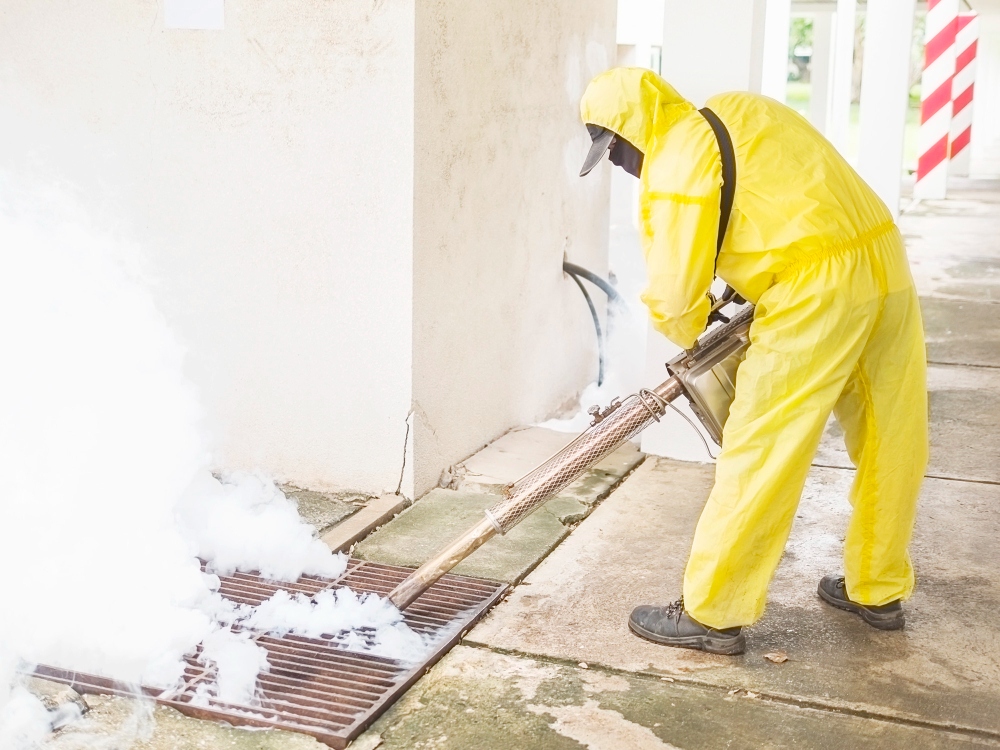
A termite inspection is a visual and physical assessment carried out by a trained pest control professional to detect termite activity or damage. The goal is to identify both active infestations and conditions that could lead to future problems.
During the inspection, the technician looks for signs such as mud tubes, damaged wood, and moisture issues. They also assess structural areas that are vulnerable to termites, including basements, crawl spaces, and exterior foundations.
For homeowners, this process helps prevent serious structural damage. According to the EPA, termites cause billions of dollars in property damage each year in the U.S.
For homebuyers, termite inspections are often required before closing. If you’re offering inspections as a service, understanding how to position your business matters—this guide on how to start a pest control business explains the key steps.
What a Termite Inspector Does
A termite inspector follows a structured process to evaluate both visible and hidden areas of a property.
First, they perform a visual inspection of accessible areas. This includes checking wooden structures, baseboards, and exposed beams for signs of damage or hollow wood. They also look for mud tubes, which termites use to travel between soil and wood.
Next, inspectors use tools such as moisture meters and flashlights to detect hidden risks. High moisture levels often indicate conditions that attract termites.
They also document findings in a termite report. This report outlines:
- Areas inspected
- Signs of termite activity
- Risk factors
- Recommended treatment options
For pest control businesses, turning findings into clear estimates is key. Using an estimates app helps you present pricing quickly and professionally after inspections.
Before we get further into the details: Keeping your inspection reports, estimates, and invoices organized makes a big difference when running pest control jobs. Using an invoice maker helps you create clear, professional documents so clients understand your findings and approve work faster.
When Do You Need a Termite Inspection
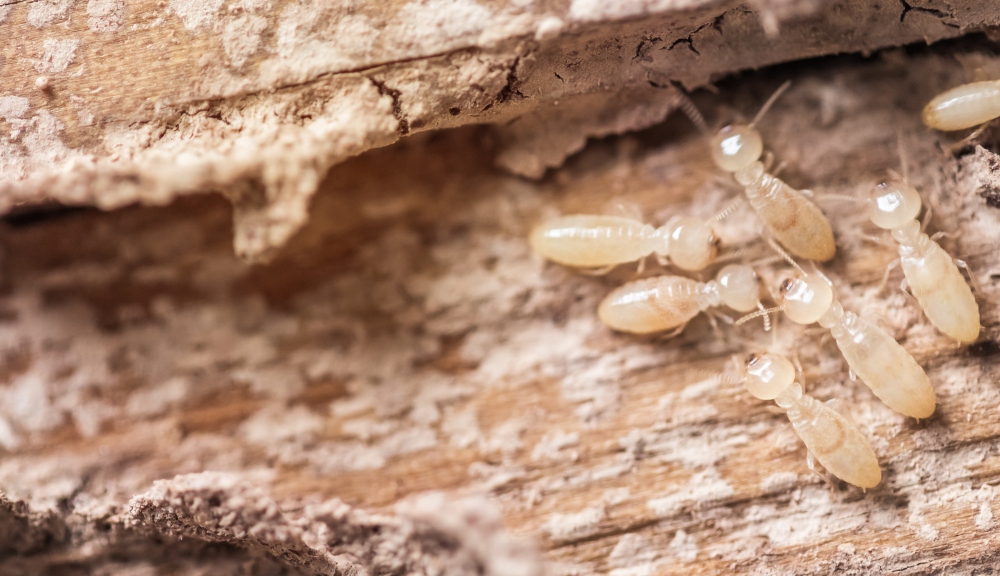
What Are Signs of Termites
There are several early warning signs that indicate you may need a termite inspection:
- Mud tubes along walls or foundations
- Hollow-sounding wood when tapped
- Discarded wings near windows or doors
- Small holes or tunnels in wood
- Warped or bubbling paint
These signs often appear after damage has already started, which is why regular inspections are important.
Is a Termite Inspection Worth It?
Yes, especially when compared to repair costs. Even a small infestation can lead to expensive structural damage if ignored.
Understanding service pricing can also help homeowners plan ahead—this guide on how much pest control costs gives a useful overview.
How Often Should I Schedule a Termite Inspection?
Most properties should be inspected once a year. Homes in humid climates or with prior termite activity may need more frequent checks.
For pest control professionals, knowing industry benchmarks like this pest control salary guide can help when pricing inspection services.
How Do Pest Control Companies Check for Termites
Pest control companies check for termites by inspecting key areas of a property for visible damage, moisture issues, and signs of termite activity using both visual checks and basic tools.
What Does a Termite Inspector Check?
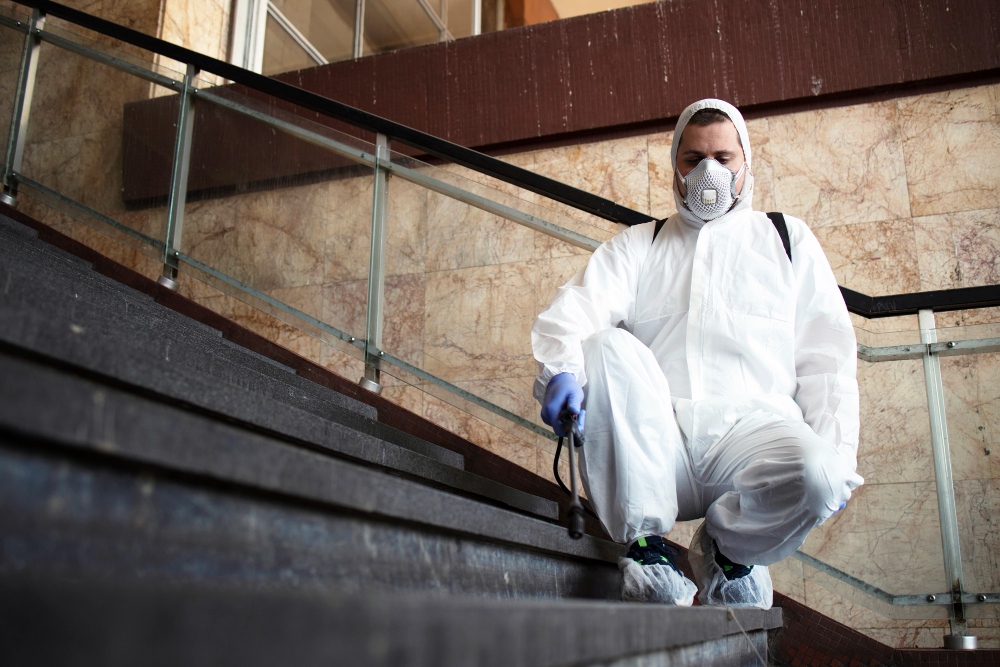
Inspectors focus on areas where termites are most likely to thrive. This includes both structural elements and environmental conditions.
They typically check:
- Wooden beams, floors, and walls
- Foundations and exterior surfaces
- Moisture-prone areas
- Signs of previous termite damage
Proper training is essential—this guide on how to get a pest control license explains what’s required to perform inspections professionally.
What Areas Do Termite Inspectors Inspect?
A full termite inspection covers:
- Crawl spaces and basements
- Attics and roof structures
- Exterior walls and foundations
- Decks, fences, and wooden structures
- Interior walls and flooring
These areas are common entry points or nesting environments for termites.
How Do They Test for Termites
Inspectors use a combination of visual checks and simple tools:
- Probing wood for internal damage
- Using moisture meters to detect damp areas
- Tapping wood to identify hollow sections
- Looking for droppings or mud tubes
In some cases, advanced tools may be used to detect hidden infestations.
How to Prepare for a Termite Inspection?
Preparing your home helps ensure a complete and accurate inspection.
Before the visit:
- Clear clutter from crawl spaces and basements
- Move furniture away from walls
- Trim vegetation around the exterior
Fixing moisture issues, such as leaks, also helps inspectors identify real risks more clearly.
For pest control businesses, having proper coverage is essential. This guide on pest control insurance explains what to include.
Why Termite Inspections Matter for Homeowners and Businesses

A termite inspection helps protect both your property and your finances.
For homeowners, it reduces the risk of structural damage. For buyers, it ensures the property is safe before purchase. For pest control companies, inspections create opportunities for ongoing service and preventative maintenance.
Managing multiple jobs becomes easier with systems built for the industry. Using pest control software helps organize inspections, estimates, and client communication in one place.
Turn Inspection Findings Into Clear, Professional Estimates
After completing a termite inspection, the next step is presenting your findings in a way the client can understand and act on.If your estimate is unclear or delayed, it can slow down approvals. Using a free estimate generator helps you quickly create itemized estimates that clearly show the scope of work and pricing—making it easier for clients to say yes.