
Termite Inspection Cost: Pricing Guide for Pest Pros
Table of Contents
Termite inspection cost typically ranges from $75 to $200 for a standard residential inspection, with more detailed inspections or real estate reports reaching up to $300. While some companies offer free inspections, pricing strategy plays a major role in profitability for pest control businesses.
This guide will cover:
- How to calculate termite inspection cost step by step
- What factors influence pricing and how to adjust your rates
- How to increase revenue with inspection bundles and termite bonds
How to Calculate Termite Inspection Cost
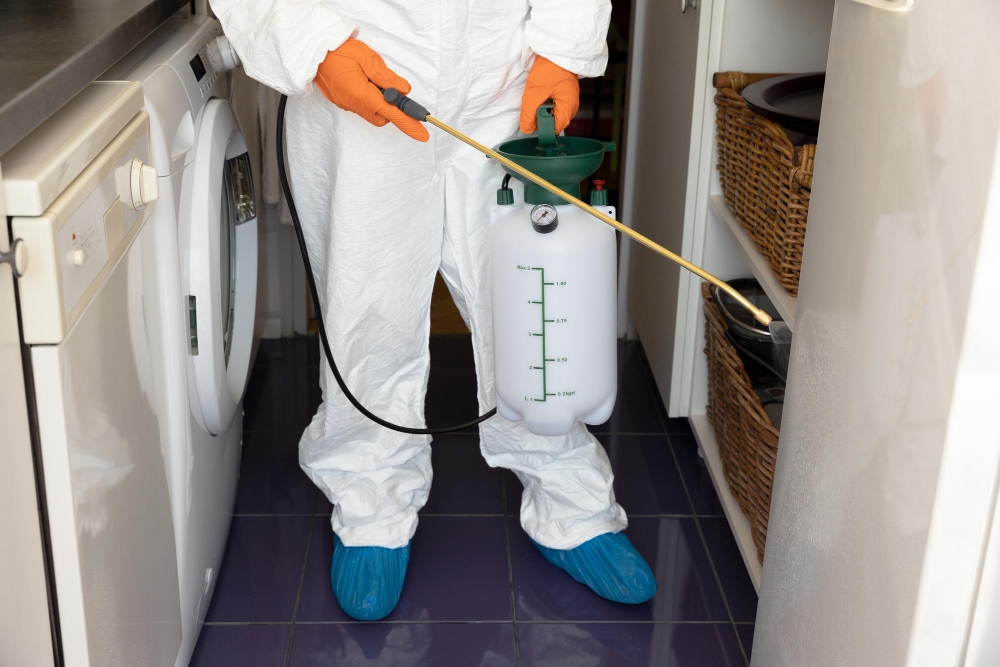
Setting the right termite inspection cost starts with understanding your time, overhead, and local market demand. Most inspections take between 30 minutes and 2 hours depending on the size and layout of the property.
A simple pricing formula includes:
- Labor time
- Travel costs
- Overhead (insurance, fuel, admin)
- Local competition
For example, if an inspection takes 1 hour and your target hourly rate is $75, your base price should meet or exceed that to stay profitable.
Most pest control companies charge between $75 and $150 for a standard inspection. However, this should increase for larger homes or more complex inspections.
If you’re building your pricing model from scratch, understanding how to structure services properly is key—this guide on how to start a pest control business explains how to set up profitable service pricing.
Cost by Location
Location has a direct impact on termite inspection pricing because it affects both demand and risk level.
In high-risk regions such as Florida, Texas, and California, termite activity is more common. This allows pest control companies to charge higher inspection fees.
For example:
- High-risk area: $125–$200
- Lower-risk area: $75–$125
Travel distance also plays a role. If an inspection requires significant travel time, many businesses add:
- $25–$50 for moderate travel
- $50–$75+ for remote locations
Urban areas may have more competition, which can keep pricing tighter, while rural areas often justify higher fees due to travel and time.
Cost by Type of Inspection
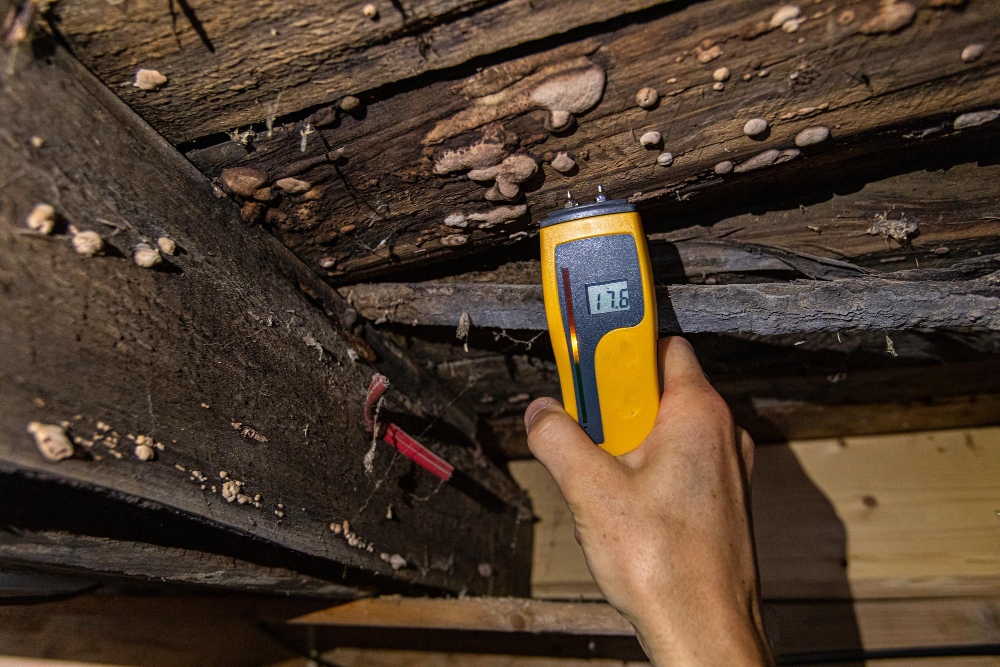
Not all termite inspections are priced equally. The type of inspection significantly impacts both time and pricing.
For example:
- Basic inspection ($75–$150)
A standard visual inspection for homeowners checking for early signs - Advanced inspection ($150–$300)
Includes tools like moisture meters or specialized detection equipment - Real estate/WDI inspection ($150–$300+)
Requires formal documentation and is often tied to property transactions
A key rule: More detail and liability = higher price
For instance, a basic inspection may take under an hour, while a real estate inspection with reporting can take 2+ hours and require more documentation.
Preventive Termite Inspection
Preventive inspections are designed to catch termite activity early and are often part of ongoing service plans.
Typical pricing:
- Annual inspection: $75–$125
- Included in service plans: discounted or free
This approach helps pest control businesses generate recurring work rather than relying on one-time jobs.
For example, offering a free annual inspection as part of a maintenance plan can increase customer retention and lead to additional services over time.
Real Estate Termite Inspection
Real estate inspections require more detailed reporting and are often time-sensitive.
These typically include:
- A Wood-Destroying Insect (WDI) report
- Detailed documentation for lenders
- Clear findings and recommendations
Because of the added work and responsibility, these inspections often include an additional $50–$100 fee on top of standard pricing.
Inspection Bundles
Bundling termite inspections with other services is one of the most effective ways to increase revenue.
Common bundle options include:
- Inspection + termite treatment
- Annual inspection + termite bond
- Inspection + general pest control plan
For example, offering a free inspection when bundled with treatment can increase conversion rates and secure higher-value jobs.
Understanding overall pricing benchmarks like how much pest control costs can help you position your bundles more effectively.
Cost of a Termite Bond
A termite bond is an ongoing service agreement that includes regular inspections and coverage for future termite issues.
Typical pricing ranges from:
- $300 to $1,000 per year
There are two main types:
- Retreatment bond
Covers future termite treatments if activity is detected - Repair bond
Covers both treatment and structural damage repair
For example:
- A retreatment bond may cost $350/year
- A repair bond may range from $700 to $1,000/year
From a business perspective, termite bonds create predictable, recurring revenue and increase customer lifetime value.
Instead of earning $100 from a one-time inspection, you build long-term income through annual renewals.
What’s Included in a Termite Inspection?
A professional termite inspection includes a detailed evaluation of both visible damage and risk factors.
Inspectors typically check:
- Foundations and exterior walls
- Crawl spaces and basements
- Wooden framing and structures
- Roof and attic areas
- Moisture-prone zones
They also look for:
- Mud tubes
- Hollow or damaged wood
- Termite droppings
- Signs of past infestations
According to the EPA, termites cause significant structural damage each year, making early detection critical.
For example, moisture buildup near a foundation may indicate a high-risk environment even if termites are not yet visible.
What Factors Influence Cost of Termite Inspection?
Several factors affect how termite inspection costs are calculated.
Property Size
A small home may take under an hour, while a large multi-level property can take 2+ hours.
Inspection Complexity
Limited access areas such as crawl spaces or attics increase inspection time.
Example:
- Easy access = standard pricing
- Difficult access = additional $25–$75
Location and Demand
High termite activity areas support higher pricing.
Inspection Type
Real estate inspections require more documentation and carry higher liability.
Tools and Technology
Using advanced tools increases both accuracy and service value.
A simple rule to follow: More time + more complexity = higher cost
If you’re running a business, protecting your operations is just as important—this guide on pest control insurance explains what coverage to include.
Termite Control Companies
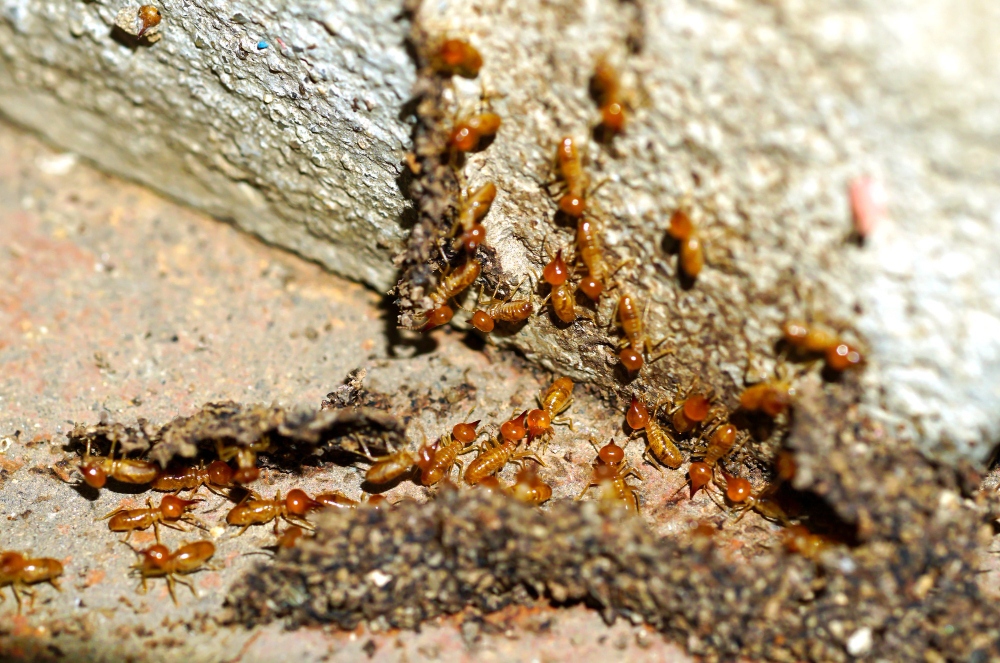
For pest control businesses, termite inspections are one of the best ways to generate new work.
A well-run inspection process allows you to:
- Identify treatment opportunities
- Build trust with customers
- Increase conversion rates
For example, a homeowner who books an inspection may also need treatment, prevention, or ongoing monitoring.
To operate professionally, proper certification is required. This guide on how to get a pest control license outlines the requirements.
Managing inspections efficiently becomes easier with the right systems. Using pest control software helps organize jobs, estimates, and customer communication.
Turn Inspections Into Higher-Value Jobs
Completing an inspection is only the first step. The real opportunity comes from turning that inspection into paid work.
If your pricing isn’t clearly presented, customers may hesitate or delay their decision.
As your business grows, combining consistent pricing with strong systems like how to start a pest control business supports long-term success.
Set Your Termite Inspection Pricing With Confidence
Setting the right termite inspection cost comes down to understanding your time, costs, and market conditions. When your pricing reflects the real value of your service, it becomes easier to stay competitive while protecting your margins.Using a free estimate generator allows you to quickly create itemized estimates based on your inspection findings, making it easier for customers to understand the work and approve it.