
What Is Billing? Meaning, Process & Types Explained
Table of Contents
Billing is the complete process of generating, sending, managing, and collecting payment requests for goods or services provided to customers. It includes creating invoices, tracking billing information, managing billing cycles, processing payments, following up on overdue balances, and recording transactions for financial reporting.
Many people use billing and invoicing interchangeably. However, invoicing is just one step in the broader billing process. Billing covers the entire payment life cycle — from issuing a charge to confirming receipt and recording revenue.
Understanding what billing means is essential for maintaining consistent cash flow, accurate financial records, and professional client relationships.
What Is Billing?

Billing is the structured process of charging customers for products or services. It involves:
- Collecting customer billing information
- Calculating totals, taxes, and discounts
- Generating an invoice or bill
- Sending the payment request
- Receiving and recording payment
- Managing outstanding balances
According to the IRS recordkeeping requirements, businesses must maintain accurate financial documentation. A clear billing system supports compliance and ensures proper revenue tracking.
Importance of Billing for Businesses
Effective billing ensures:
- Steady cash flow
- Transparent client communication
- Reduced payment disputes
- Accurate tax reporting
- Reliable financial forecasting
Without a structured billing process, businesses risk delayed payments, incorrect charges, and inconsistent records.
If you want to understand the foundation of billing documents, our guide on professional invoice elements clarifies what must be included in every payment request.
Types of Billing
There are many billing types depending on how a business charges clients. Choosing the correct model ensures fairness and predictability.
One-Time Payment Billing
Used for single transactions. The client pays once after receiving goods or services.
Example: A freelance designer charges $1,200 for a logo project and sends one invoice upon completion.
Recurring Payment Billing
Used for ongoing services. Charges repeat on a fixed schedule.
Common for:
- Maintenance contracts
- Marketing retainers
- Software services
Recurring billing depends on a defined billing cycle (weekly, monthly, annually).
Subscription Billing
Subscription billing is a structured form of recurring billing where customers pay regularly for continued access to a product or service. It’s common in SaaS, memberships, digital platforms, and ongoing service contracts.
| Billing Model | How It Works | Example |
| Fixed Recurring | Flat rate charged each cycle | $99 per month software subscription |
| Usage-Based | Charges depend on consumption | Paying per API call or data usage |
| Tiered | Pricing changes based on service level | Basic, Pro, and Enterprise plans |
| Metered | Amount billed reflects measured usage | Utility-style billing |
| Freemium Model | Basic version is free; premium features are paid | Free app with paid upgrades |
| Hybrid | Combines flat rate + usage-based charges | Base fee plus per-user fee |
Subscription billing requires consistent tracking of billing details, cycles, and payment status to prevent revenue leakage and failed renewals.
Payment Plans
Used when customers pay large balances in installments over time.
Milestone Billing
Payments are triggered when specific project milestones are completed.
Common in consulting and construction.
Progress Billing
Similar to milestone billing but based on percentage of project completion.
Billing on Completion
Full payment is requested after the service or project is fully completed.
Prorated Billing
Charges are adjusted based on partial use within a billing cycle.
Example: If a client starts a subscription mid-month, they are billed proportionally.
Sub-Line-Item Billing
Detailed billing where services are broken into smaller cost components. Clear line items reduce confusion and disputes.
To explore more invoice formats that support these billing structures, review our guide on the different types of invoices.
Billing vs Invoicing

Billing and invoicing are related but not identical.
Invoicing refers specifically to generating and sending a payment request.
Billing includes:
- Invoice creation
- Payment processing
- Tracking
- Follow-ups
- Reporting
For a deeper breakdown, see the difference between invoice vs bill.
If you need help structuring payment documents, how to write an invoice shows you exactly what to include, how to format it properly, and how to present payment terms clearly.
Step-by-Step Billing Process

Understanding the billing process improves efficiency and reduces errors.
1. Collecting Customer Information
Gather accurate billing information including:
- Billing address
- Shipping address (if applicable)
- Contact details
- Tax identification numbers
Inaccurate billing info leads to payment delays.
If transactions involve purchase orders, understanding PO numbers prevents processing errors.
2. Review and Approval
Before issuing the bill, carefully confirm that all services provided or products delivered are accurately recorded. Double-check pricing, quantities, discounts, and any agreed-upon adjustments. Make sure applicable taxes are calculated correctly based on location and service type.
This is also the stage to verify:
- Purchase order numbers (if required)
- Billing address and customer details
- Payment terms and due date
- Any previously agreed credits or deposits
A quick internal review helps prevent billing errors, client disputes, and payment delays. Catching mistakes before sending the invoice saves time and protects your professional credibility.
3. Creating the Bill or Invoice
Include:
- Unique invoice number
- Description of goods or services
- Total amount
- Payment terms
Clear invoice payment terms and defined invoice due date reduce misunderstandings.
Instead of creating billing documents from scratch, use customizable free bill templates to standardize your format, clarify payment details, and reduce billing errors.
4. Delivery or Presentation
Send the invoice via email, client portal, or accounting system.
Sending invoices promptly improves payment speed. Learn when to send invoices for best results.
5. Payment Collection
Accept payment via:
- ACH transfer
- Credit card
- Online payment systems
If payment is delayed, structured invoice late fees can encourage faster resolution.
6. Recording and Tracking
Once payment is received, update your accounting records right away. Accurate tracking prevents confusion and keeps your financial reports reliable.
At this stage, you should:
- Mark the invoice as paid
- Record the payment date
- Note the payment method (ACH, credit card, check, etc.)
- Document any partial payments and remaining balance
- Schedule reminders for outstanding amounts
Consistent tracking helps you monitor cash flow and avoid duplicate follow-ups.
Understanding billable expense income also ensures reimbursable costs are categorized correctly. This keeps revenue and pass-through expenses separate, so your financial statements reflect true profit.
7. Follow-Up on Outstanding Payments
Monitor unpaid balances and send reminders when necessary.
Avoid common invoicing mistakes that contribute to late payments, such as unclear due dates, missing payment terms, incorrect totals, or incomplete client information.
8. Reporting and Analysis
Use billing data to evaluate:
- Revenue trends
- Customer payment behavior
- Cash flow cycles
Common Challenges in Billing
| Challenge | What Happens | Why It Matters | How to Reduce the Risk |
| Inaccurate Data Entry | Incorrect billing details, totals, or customer information | Delays payment approval and creates rework | Double-check client details, pricing, and tax calculations before sending |
| Payment Processing Issues | Failed transactions or system errors | Interrupts revenue flow and requires manual follow-up | Use software and monitor transaction confirmations |
| Disputes | Clients question charges due to unclear descriptions or missing documentation | Slows payment and damages trust | Use detailed descriptions and follow clear itemized bill practices |
| Cash Flow Management | Payments arrive late or inconsistently | Creates instability in covering payroll, rent, or expenses | Set clear payment terms and monitor outstanding balances regularly |
| Poor Customer Communication | Clients misunderstand billing cycles or due dates | Causes confusion and delayed settlements | Clearly state billing cycle, due date, and contact details on every invoice |
How to Improve the Billing Process

Set Clear Payment Terms
Include structured invoice terms and conditions to define expectations.
Send Invoices Promptly
Billing delays directly impact cash flow.
Automate Repetitive Tasks
Automation reduces errors and saves time.
Use Software
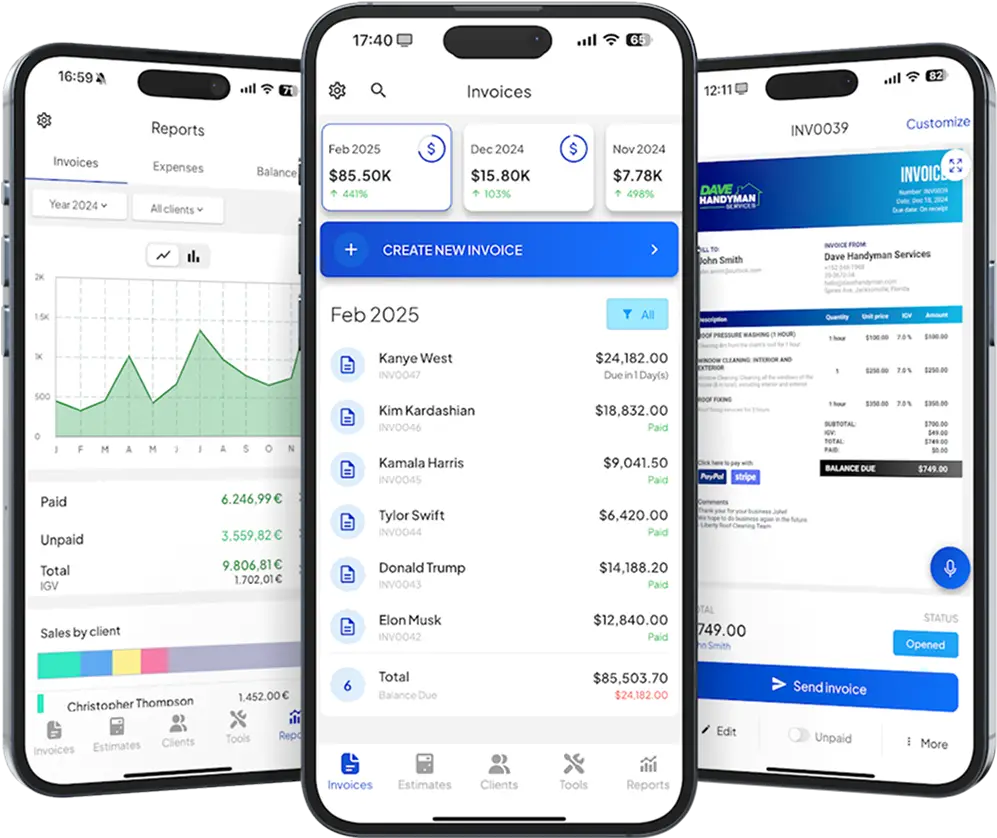
If you’re managing multiple clients or recurring billing cycles, Invoice Fly’s invoicing software lets you generate invoices, track payment status, set due dates, and send reminders without juggling spreadsheets.
You can also generate structured documents instantly using the free bill generator or customize layouts with ready-made invoice templates.
Ready to Simplify Your Billing System?
Billing is the full process of requesting, tracking, collecting, and recording payments. A structured billing system improves cash flow, strengthens client relationships, and supports long-term financial health.
If you want to automate billing cycles, manage billing information accurately, and track revenue in real time, Invoice Fly’s professional invoicing software helps you take control of your billing process with less manual work.