
Net 60 Payment Terms Explained: Meaning & Examples
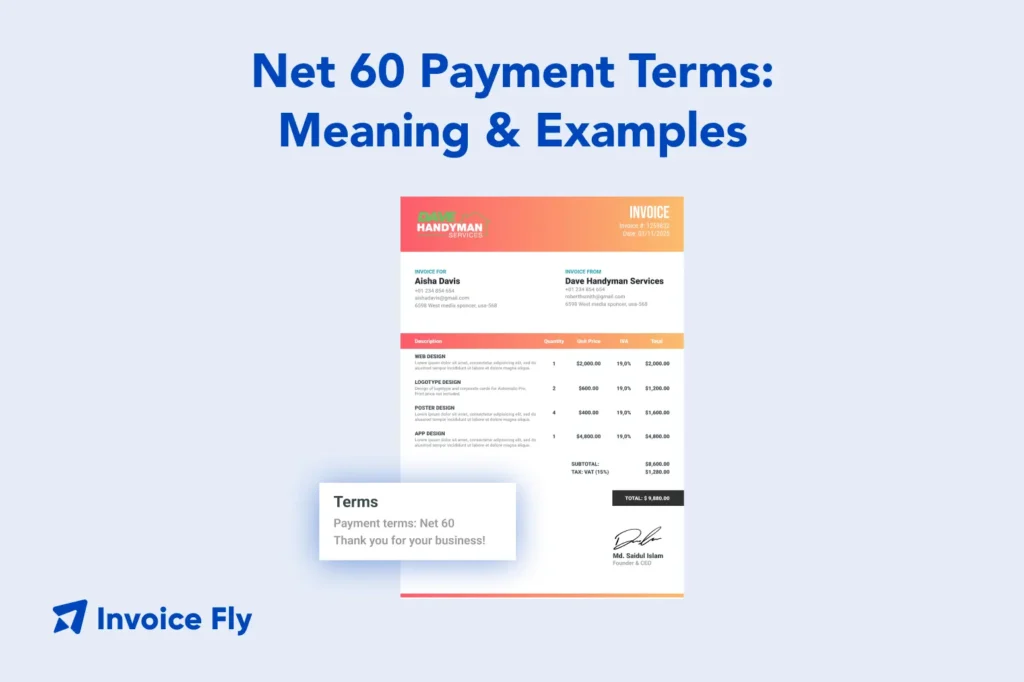
Table of Contents
Payment term net 60 means a customer has 60 calendar days from the invoice date to pay the full amount owed. Also known as net 60 payment terms or net 60 days payment terms, this arrangement gives buyers two months of short-term, interest-free trade credit.
Under payment terms net 60, the payment clock starts on the invoice date, the full balance is due 60 calendar days later, and weekends and holidays are usually included unless the invoice states otherwise. While this flexibility can help buyers manage revenue cycles and inflow inventory, it delays cash inflow for the seller and increases accounts receivable risk.
For small business owners, understanding how net 60 works is essential before offering extended credit. Here’s everything you need to know about using net 60 strategically.
This guide will cover:
- What is net 60 payment terms?
- How net 60 works step by step
- Net 60 payment terms examples
- Early payment discount structures
- Risks of 60-day trade credit
- What to do if a net 60 invoice is unpaid
What Is Net 60?

Net 60 is an invoice term stating that the full balance is due within 60 calendar days from the invoice date.
Example:
- Invoice date: January 10
- Due date: March 11
- Payment required: Full invoice amount
The 60-day period typically includes weekends and holidays unless your agreement specifies “business days.”
When clients ask, “What is net 60 payment terms?” the answer is clear: payment must be made within 60 days of the invoice issue date.
Because this term extends credit for two full months, it is most common in:
- Wholesale distribution
- Manufacturing
- Large B2B service contracts
- Established vendor relationships
To ensure clarity, review professional invoice elements so due dates and payment terms are prominently displayed.
Understanding an invoice also helps you structure billing documents properly when extending long-term trade credit.
According to the U.S. Chamber of Commerce, extended net terms are frequently used in B2B transactions to build supplier relationships and offer competitive flexibility.
How Does Net 60 Work?
Here’s how the process works step by step:
Step 1: Invoice Issued
You complete the work or deliver the product and send an invoice that clearly states “Net 60” in the payment terms section.
The invoice should include:
- Invoice date
- Clearly calculated due date
- Total amount owed
- Payment instructions
Clear formatting reduces disputes and prevents confusion about when payment is expected.
Step 2: 60-Day Clock Begins
The countdown starts on the invoice date, not the service date (unless your agreement specifies otherwise).
For example:
- Invoice issued: March 1
- Payment due: April 30
The 60-day period typically includes weekends and holidays unless you specify “60 business days.”
Step 3: Due Date Calculated
Payment must be received by the 60th calendar day. It’s best practice to list the exact due date on the invoice rather than forcing the client to calculate it.
This improves clarity and reduces the risk of late payments caused by misunderstandings.
Step 4: Accounts Receivable Tracking
Until payment is received, the invoice remains in your accounts receivable.
During this period:
- The balance affects your cash flow
- The invoice may require follow-up reminders
- Your working capital is temporarily reduced
Because net 60 delays revenue for two full months, consistent tracking is essential. Businesses offering 60-day terms should monitor outstanding balances closely to prevent cash flow strain.
Net 60 Timeline Example
| Invoice Date | Term | Due Date |
| February 1 | Net 60 | April 2 |
| June 15 | Net 60 | August 14 |
Because 60 days is a long credit window, calculating dates manually increases risk of errors. Including a clearly displayed invoice due date prevents confusion.
If you’re drafting billing documents manually, reviewing how to write an invoice ensures payment terms net 60 are formatted professionally.
For businesses deciding between options, compare net 30 vs net 60 payment terms to see how different credit windows affect cash flow.
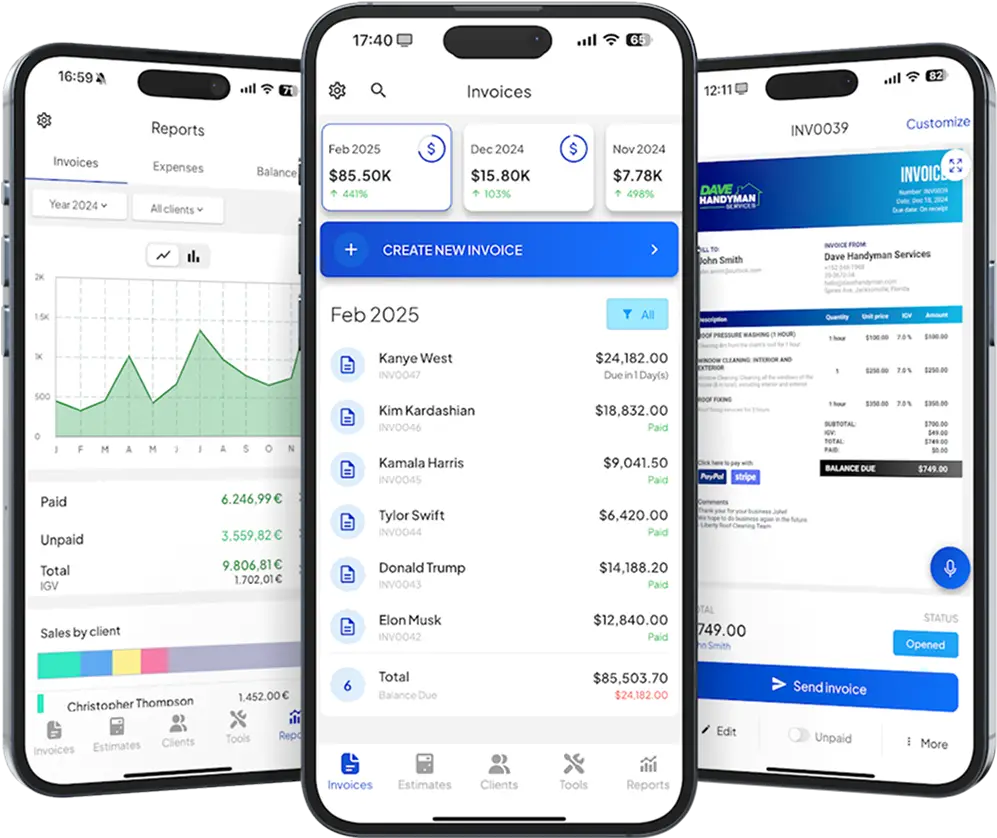
If you regularly offer net 60 days payment terms, using structured invoice templates helps you standardize payment language, calculate due dates accurately, and reduce administrative errors.
Net 60 Payment Terms Examples

Different industries apply net 60 in slightly different ways.
Net 60 (Standard)
“Payment terms: Net 60. Full balance due 60 days from invoice date.”
This is the most straightforward version.
Wholesale Net 60
Suppliers may offer wholesale net 60 to retailers with strong payment history.
Example:
- Inventory delivered: May 1
- Invoice issued: May 1
- Payment due: June 30
Retailers can sell goods before paying suppliers, improving their cash flow cycle.
2/10 Net 60
A 2% discount applies if payment is made within 10 days. Otherwise, the full amount is due within 60 days.
Example:
Invoice amount: $50,000
- Paid within 10 days: $49,000
- Paid after 10 days: $50,000 due by day 60
This structure encourages early payment while still offering 60-day flexibility.
1/10 Net 60
A 1% discount is offered for payment within 10 days.
Early payment discounts balance flexibility with incentive and reduce accounts receivable exposure.
To see how these appear in real documents, check out our examples of billing invoices for formatting guidance.
Risks and Considerations of Net 60

Net 60 can support growth but it also increases financial exposure.
Cash Flow Impact
Because revenue is delayed for two months, you must cover:
- Payroll
- Rent
- Inventory purchases
- Operating expenses
Poor planning can create strain, especially for small businesses with tight margins.
Increased Accounts Receivable
Longer credit windows increase:
- Late payment risk
- Collection follow-up
- Administrative tracking
Tracking invoicing payments helps monitor overdue invoices.
Late Payment Risk
If payment is not received by day 60, you may apply structured invoice late fees if they are outlined in your invoice terms and conditions.
The IRS emphasizes maintaining accurate billing records under its recordkeeping requirements, reinforcing the importance of structured documentation when extending trade credit.
What If a Net 60 Invoice Is Not Paid on Time?

If a client fails to pay within 60 days:
- Send a reminder immediately after the due date.
- Confirm receipt of the invoice.
- Apply agreed late fees.
- Pause services if contractually allowed.
- Escalate to collections if necessary.
Understanding the difference between invoice vs receipt ensures you maintain proper documentation if disputes arise.
Avoid common invoicing mistakes such as unclear due dates or missing payment terms that could weaken your position.
Should You Offer Net 60 Payment Terms?
Net 60 works best when:
- Clients are established and reliable
- Contracts are clearly written
- Cash reserves are strong
- Margins allow flexibility
For newer businesses, shorter credit cycles such as net 30 payment terms or net 15 payment terms may provide better cash flow stability.
Understanding the invoices within your billing workflow ensures documentation aligns with accounting best practices before extending long-term credit.
Managing Risk with Net 60 Payment Terms
Payment term net 60 provides buyers with 60 days of interest-free trade credit, which can strengthen long-term business relationships and support larger transactions. However, it delays seller revenue and increases financial risk.
Net 60 payment terms should only be offered when:
- Cash flow is stable
- Clients are vetted
- Payment tracking systems are reliable
- Contracts clearly define expectations
If you offer net 60 days payment terms regularly, using professional invoicing software helps you automate due date calculations, monitor accounts receivable, and protect your business from preventable cash flow disruptions.