
How Much Does It Cost to Paint a House? Full 2026 Price Guide
Table of Contents
The cost to paint a house can vary a lot depending on the size of the home, the type of paint, and whether you’re painting the interior or exterior. On average, homeowners spend $2,000 to $6,000 for interior painting and $3,000 to $5,200 for exterior painting, though larger or more complex jobs can cost much more. Most contractors calculate house painting cost per square foot, which typically ranges from $2–$6 for interiors and $1–$4 for exteriors.
In this guide, we’ll break down exactly how much it costs to paint a house, including labor, materials, and the key factors that impact your final price—so you can plan your budget or price jobs with confidence.

What Factors Affect the Cost of Interior Painting?
Before you can give an accurate quote — or understand one — you need to know what drives the total cost. Here are the five factors that matter most.
1. Size of the Project
Square footage is the starting point for any house painting estimate. More area means more paint, more labor hours, and more time on site. A 1,000 sq ft home costs significantly less than a 3,000 sq ft home even if everything else is identical.
2. Type of Paint
Paint quality directly affects cost and outcome. Premium paints with better coverage and durability cost more per gallon but often require fewer coats — which can offset the higher material cost through saved labor time. Budget paints cost less upfront but may require extra coats and won’t hold up as long, which can lead to callbacks.
3. Type of Room
Different rooms carry different price tags. A small bathroom with minimal wall space costs far less to paint than a two-story living room with vaulted ceilings. Kitchens add complexity because of grease buildup, tight angles around cabinets, and the prep needed before paint will adhere properly.
4. Special Features
Accent walls, decorative finishes, intricate trim work, stair rails, and crown molding all add time and cost. Each special feature increases the amount of detail work involved and typically justifies a higher labor rate.
5. Additional Services
Surface prep — scraping, sanding, caulking, filling holes, or patching drywall — adds to the project cost but is non-negotiable for a lasting finish. Wallpaper removal, primer on bare surfaces, and lead paint testing on older homes are additional line items to factor in. For pre-1978 properties, the EPA’s Renovation, Repair and Painting program requires specific lead-safe work practices — this needs to be reflected in your quote for older homes.
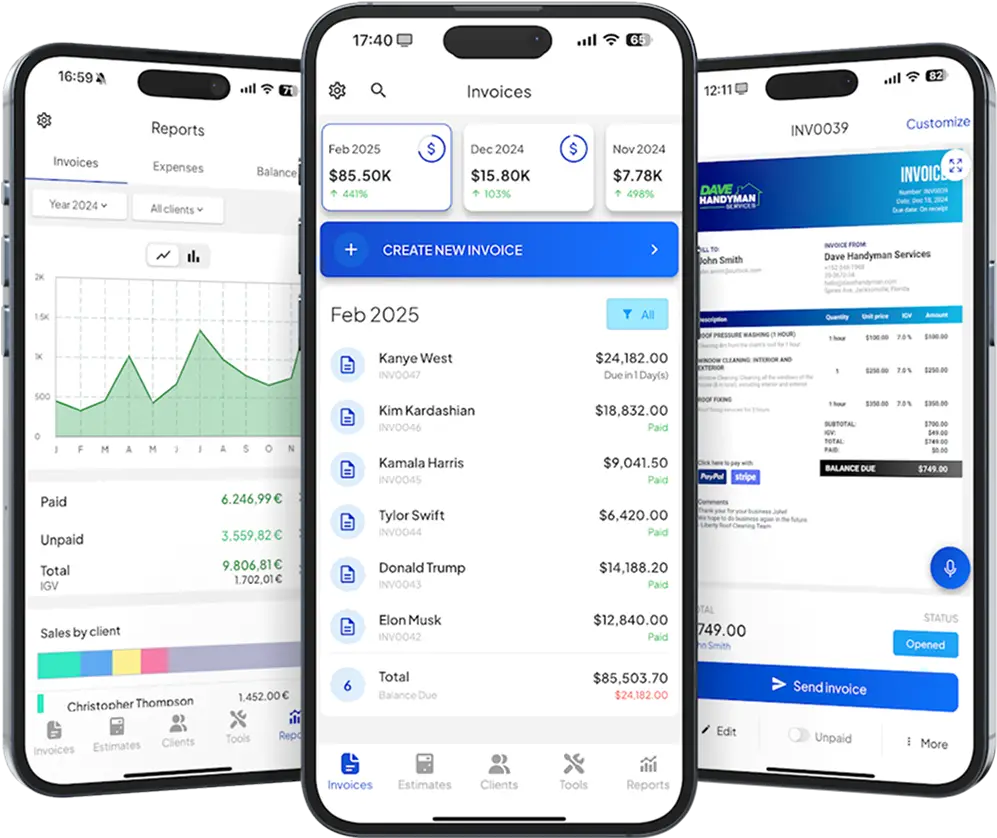
As a painting contractor, understanding these factors helps you build accurate estimates and explain your pricing with confidence. Use the paint cost calculator to build itemized, job-specific estimates based on your actual costs.
Ready to build a profitable painting business around these projects? Our guide on how to start a painting business covers everything from licensing to pricing strategy.
Interior Painting Cost by Square Foot
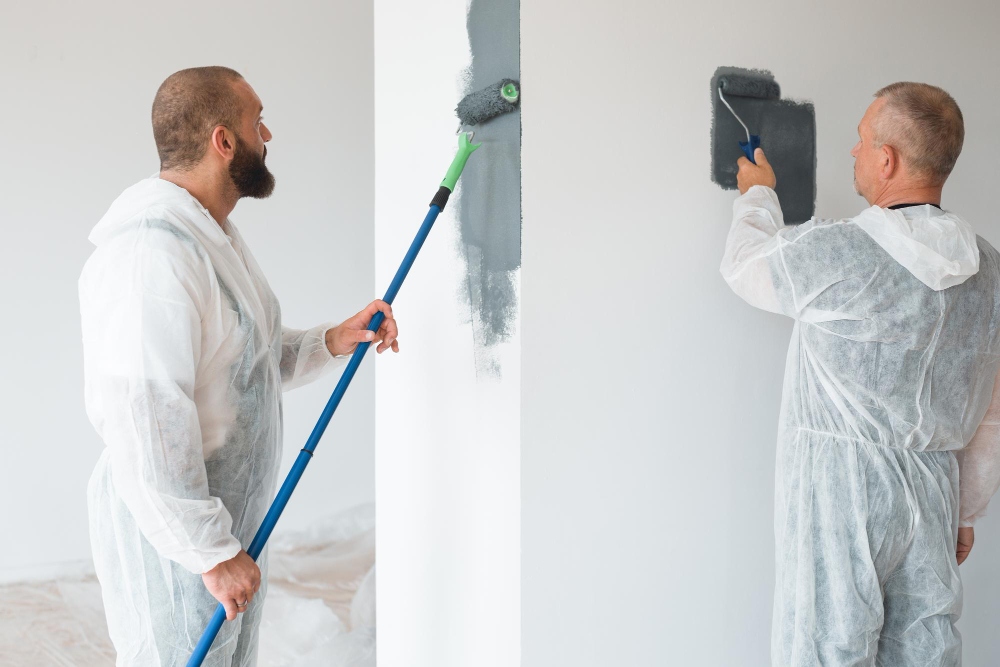
Interior house painting typically costs $2–$6 per square foot, including labor and materials. Here’s how that breaks down by room and home size:
| Room / Project | Typical Cost Range |
| Bathroom | $200 – $500 |
| Kitchen | $400 – $800 |
| Bedroom | $300 – $700 |
| Living room | $600 – $1,200 |
| Full interior (1,500 sq ft / ~140 m² home) | $2,000 – $4,500 |
| Full interior (2,500 sq ft / ~232 m² home) | $3,500 – $7,500 |
These ranges include professional labor and materials. Adding trim, ceiling work, or accent walls to any room increases the total. Ceiling painting alone typically adds $1–$2 per square foot to an interior job.
A good estimate should clearly separate labor, materials, prep work, and any optional add-ons — this makes it easier for clients to understand what they’re paying for and reduces disputes at the end of the job.
Exterior Painting Cost by Square Foot
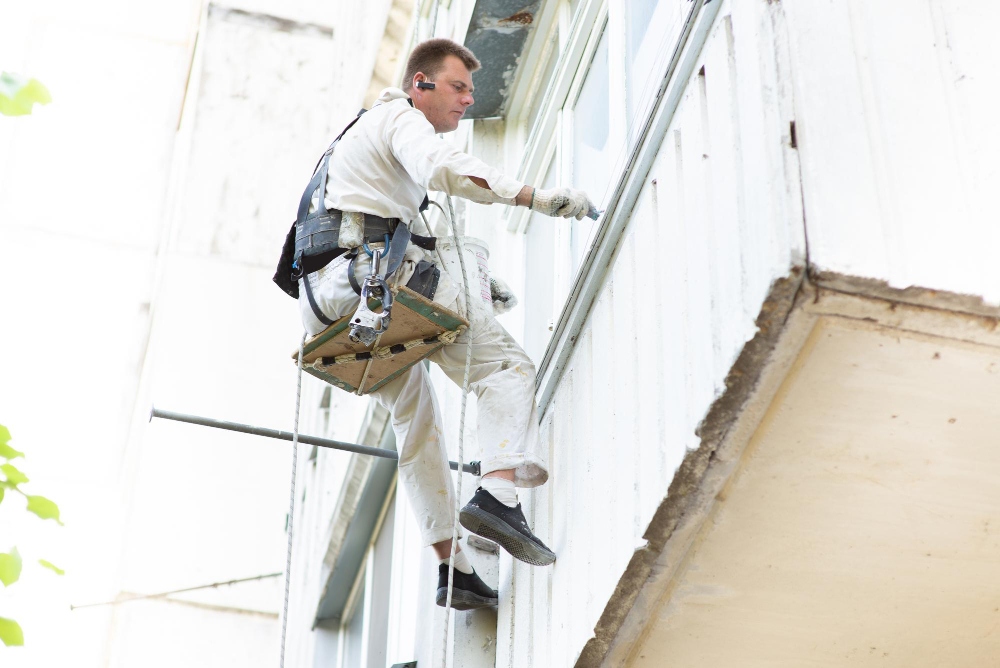
Exterior painting costs more than interior work due to weather exposure, more intensive surface preparation, and the height and complexity of working on a building’s exterior. Most exterior jobs run $1.50–$4 per square foot.
| Project Type | Typical Cost Range |
| Small home (under 1,500 sq ft) | $1,800 – $3,500 |
| Average home (1,500–2,500 sq ft) | $3,000 – $5,500 |
| Large home (2,500+ sq ft) | $5,000 – $12,000+ |
| Exterior trim and window trim only | $500 – $1,500 |
| Brick or stucco siding | $1.50 – $4.50 per sq ft |
A three-story home or one with complex features — dormers, detailed siding, or multiple paint colors — sits at the higher end of these ranges. Florida and other humid climates may also require more prep work and mold-resistant coatings, which affects pricing.
Breaking Down the Cost to Paint a House
Knowing current house painting cost benchmarks helps contractors price competitively and have honest budget conversations with clients before a single drop of paint goes on the wall.
1. Cost of Labor
Labor typically makes up 70–80% of the total cost to paint a house. According to the Bureau of Labor Statistics, the median hourly wage for painters is around $22–$25 per hour. Painting contractors typically charge clients $40–$75 per hour depending on market, experience, and project type — with specialty finishes and commercial work commanding more.
Understanding your labor costs is critical to pricing profitably. See our guide on how much painters charge for a full rate breakdown by project type and region, and our painter salary guide for staffing benchmarks as you grow.
2. Cost of Paint and Materials
Paint costs vary by brand and quality:
| Paint Tier | Cost Per Gallon |
| Budget | $20 – $35 |
| Mid-range | $35 – $55 |
| Premium | $55 – $80+ |
A single gallon covers approximately 350–400 sq ft with one coat. For a standard 2,000 sq ft interior, expect to use 12–15 gallons across two coats. Add primer, caulk, tape, drop cloths, and brushes or rollers when calculating your total material cost.
Tip! Our guide on painting tools covers what to budget for professional-grade equipment.
Tips for Saving on House-Painting Costs
These are the most practical ways clients can reduce costs — and what you should be prepared to discuss when reviewing a budget with a homeowner.
1. Split the Work
Handle prep work yourself — moving furniture, covering floors, filling small nail holes — and let the professionals do the painting. Reducing prep time for the contractor directly reduces labor hours and the final bill.
2. Choose the Paint
Mid-range paints deliver solid coverage and durability without the premium price. Unless the surface requires a high-performance coating, the most expensive option isn’t always necessary.
3. Prep the Space
Washing walls, removing outlet covers, and clearing access to all surfaces saves the painter time. Less prep for the contractor means lower labor costs on the invoice.
4. Review Bids
Get at least three quotes before committing. Compare what each one includes — specifically whether surface prep, primer, and cleanup are bundled in — rather than just comparing the bottom line number. A good estimate should clearly separate labor, materials, and prep so you’re comparing like for like.
5. Trim the Scope of the Job
Painting walls only (skipping ceilings and trim) reduces the total significantly. If budget is a concern, prioritize the rooms or surfaces that need it most and phase the rest over time.
6. Time Your Project
Painters are busiest in spring and summer. Scheduling interior work in fall or winter may result in more competitive pricing when demand is lower and contractors have more availability.
Conclusion
The cost to paint a house in 2026 ranges from $2,000 to $12,000+ depending on size, location, surface condition, and whether the project is interior, exterior, or both. For painting contractors, knowing these house painting cost benchmarks helps you price competitively, quote confidently, and have honest budget conversations with clients.

Use Invoice Fly’s free estimate generator to build itemized proposals clients can review and approve on the spot. Send clean, professional invoices with the invoice maker and get paid faster once the job is complete. For a full system to manage your painting business, Invoice Fly’s software for painters handles everything in one place.
Building your painting company from scratch? Our complete guide on how to start a painting business is the right place to start.